

Enlli Thompson, from Caernarfon in Gwynedd, was 19 when doctors confirmed she had stage 3 ovarian cancer after months of being told her symptoms were nothing serious. Treatment required a full hysterectomy, which pushed her into immediate surgical menopause and ended any possibility of carrying her own children, yet she says the ordeal has ultimately reshaped her outlook for the better.
Before froze eggs and started chemotherapy, Enlli endured a prolonged and frustrating search for answers. According to a Mirror profile published in June 2026, she had around ten months of symptoms and repeated visits to her GP before an emergency hospital admission finally uncovered the cancer.
What symptoms did Enlli experience before her diagnosis?
Her periods began changing in 2024, accompanied by severe pain that doctors initially attributed to a stomach bug, a urinary infection, or even anxiety.
My periods were changing, I was experiencing severe pain, but I was still being told I was fine.
She described feeling entirely dismissed during this period, saying she felt "completely at a loss" and as though she was "losing the plot". Despite the discomfort, she kept working through it while training as a mechanic.
I was taking painkillers and working through the pain.
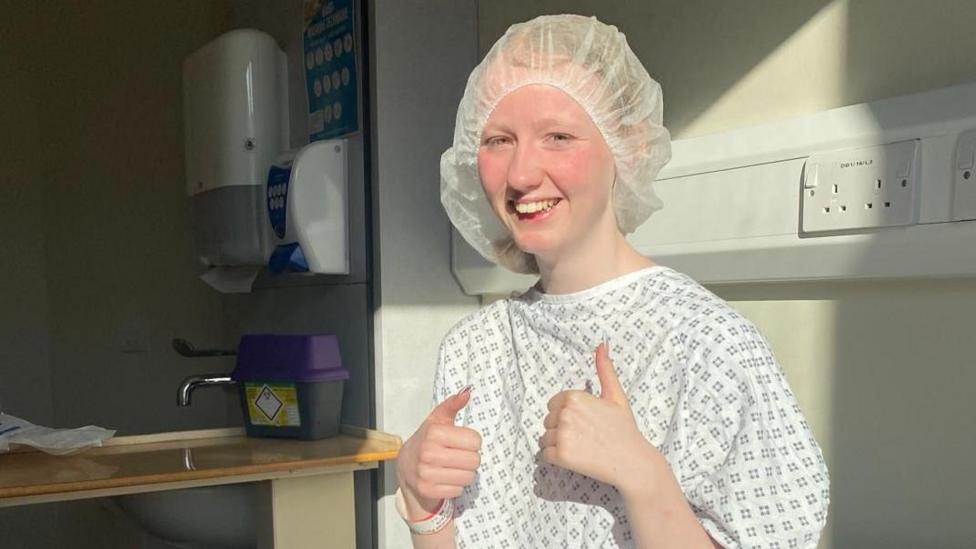
Eventually the pain drove her to accident and emergency at Ysbyty Gwynedd in Bangor. Initial scans pointed to a pelvic cyst, and she was placed under close medical observation rather than immediate treatment. A follow-up call asking her to return for further scans triggered her worst fear.
My mind went straight to cancer.
That fear was confirmed: Enlli had stage 3 ovarian cancer, meaning it had already spread beyond the pelvis. According to Tenovus Cancer Care's profile of her case published in May 2026, doctors had located a 10cm mass before the diagnosis was finalised — a specific detail not disclosed in earlier reporting on her story, which can be seen on the charity's website.
How did she react to learning she could not have children?
Being told a hysterectomy would end any chance of natural pregnancy was, in her words, one of the hardest moments of the entire experience.
Being told that I wouldn't be able to have my own children, I broke down and cried. I had so much support, but it was so difficult hearing those words.
Even so, she found an unexpected sense of relief once a diagnosis and treatment plan were finally in place.
In a strange way I was kind of relieved when they told me I had cancer. Just because then I had an answer, I had a treatment plan, I was going to get better.
Seven of Enlli's eggs were frozen ahead of chemotherapy, which she completed in September 2025 — a milestone she marked by passing her driving test just a week later. A separate case involving 23-year-old Erin Lavery has highlighted how not every young cancer patient gets that opportunity in time, with Lavery now facing an £8,000 fertility bill after missing the window to freeze her eggs before treatment began, underlining how fertility preservation options and their availability can vary significantly between patients.
What lasting effects has surgical menopause had?
Since her hysterectomy, Enlli has lived with symptoms typical of the menopause, including hot flushes, brain fog, joint and muscle pain, and persistent fatigue, though she says it is often difficult to separate these from lingering chemotherapy side effects.
My memory is absolutely awful.
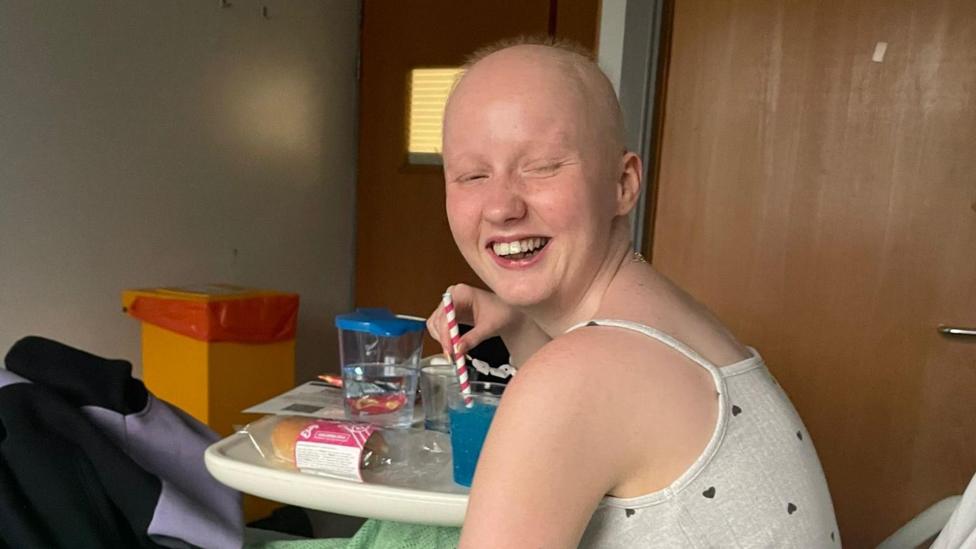
Tenovus Cancer Care's profile also notes she is currently taking Letrozole to help manage her menopause symptoms, a treatment detail that was not named in earlier coverage of her case.

Why does she believe her diagnosis was missed for so long?
Enlli suspects her age worked against her, since ovarian cancer is rarely suspected in teenagers, though she stops short of blaming the doctors who treated her given how unusual her case was.
I want something to be done and for things to change so this doesn't happen to other young women, who are often not listened to, leading to important things like this being missed.
Roughly 120 young women are diagnosed with ovarian cancer in the UK each year, and about one in 10,000 women experience menopause while still in their teens. Cancer Research UK puts the number of 15 to 24 year olds diagnosed with ovarian cancer annually at around 120 across the UK, including approximately five cases in Wales specifically.
GP Dr Rebeccah Tomlinson described Enlli's case as a "rare phenomenon" and explained why ovarian cancer often goes unrecognised early, since its symptoms can be vague and easily mistaken for more common conditions.
As a medical specialist, I would always say bloating is my red flag feature.
If somebody mentions bloating to me, I'm going to want to investigate because that is one of the most common signs of ovarian cancer and it often gets put down to irritable bowel syndrome because that's common.
Most people diagnosed with ovarian cancer are over 50, according to the Teenage Cancer Trust, though diagnoses among teenagers and younger adults are becoming more frequent. Dr Tomlinson noted that treatment options can sometimes avoid a full hysterectomy depending on how early the cancer is caught and the type of tumour involved, but she cautioned that tumours in younger patients tend to be more aggressive.
It is sometimes possible to treat ovarian cancer without a full hysterectomy, depending on how quickly it's picked up and also what type of tumour it is. But unfortunately in younger people, sometimes cancers are more aggressive, so catching them early can sometimes be a lot more complicated.
How has the experience changed Enlli personally?
Enlli says the diagnosis, rather than diminishing her, has left her far more self-assured and outgoing than before.
I used to be quiet and shy, but now I feel like I'm in a really good place.
I can't sit still, I love helping others and I'm much more confident than I was before.
She has since shifted her career ambitions towards cancer care, hoping to support other patients going through similar experiences, and has embraced changes to her appearance brought on by chemotherapy-related hair loss.
I rock the look.
I may wear a wig if I'm dressing up, but usually I don't, and I get so many lovely compliments.
She has taken part in a fashion show for Tenovus Cancer Care and continues to speak publicly and post on social media to raise awareness of ovarian cancer symptoms in young women.
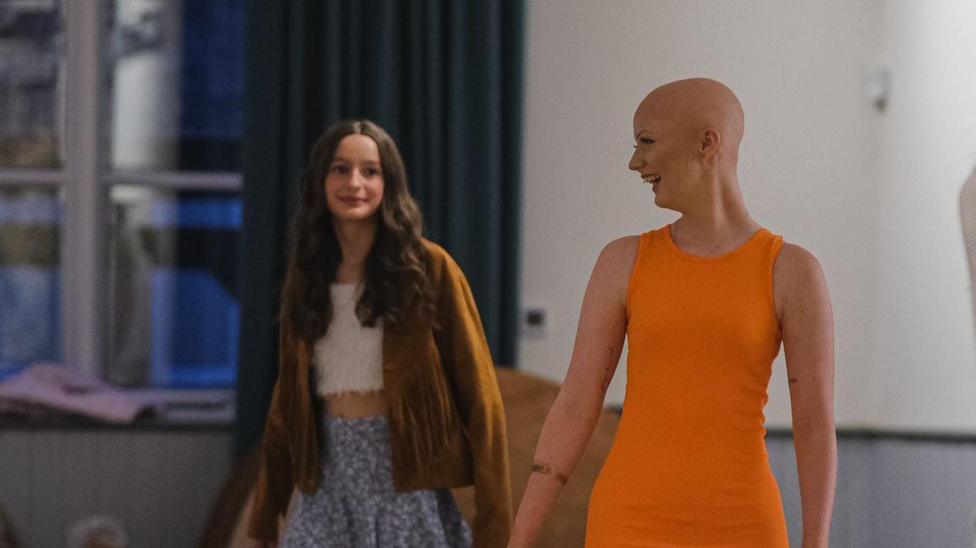
This awareness work connects to broader efforts around women's reproductive health conditions that are frequently missed or delayed. Coverage examining endometriosis, which affects roughly one in ten women, has similarly highlighted diagnostic delays and dismissive early responses from healthcare providers, echoing the pattern Enlli describes in her own case.
What is happening with her advocacy now?
Enlli's public profile has continued to grow beyond her original interviews. In June 2026, Young Lives vs Cancer featured her in a video appeal encouraging young people to speak up if something feels wrong with their bodies, describing the long journeys for treatment and the emotional strain of facing cancer at 19. Tenovus Cancer Care has also framed her story as an example of turning what it calls a "devastating diagnosis" into a platform for advocacy, and its profile indicates she intends to keep sharing her experience publicly, though no further scheduled appearances or medical milestones have been announced.
What are the warning signs of ovarian cancer?
According to the NHS, symptoms can include a swollen or bloated tummy, pain or tenderness in the abdomen or pelvic area, loss of appetite or feeling full quickly, needing to urinate more urgently or frequently, and unusual vaginal bleeding, including between periods, heavier periods, or bleeding after menopause.
What triggers menopause, and how does it differ in cases like Enlli's?
Menopause typically results from declining hormone levels and usually occurs naturally between the ages of 45 and 55, though it can begin earlier for some women. Menopause Support estimates that one in 10,000 women experience menopause before the age of 20. In Enlli's case, menopause was not gradual or hormonal in the usual sense but was instead brought on immediately by the surgical removal of her womb, ending both her periods and her fertility at once.
Key Facts
- Enlli Thompson, 19, of Caernarfon, was diagnosed with stage 3 ovarian cancer after months of symptoms being dismissed.
- A full hysterectomy triggered immediate surgical menopause and ended her fertility; seven eggs were frozen beforehand.
- Tenovus Cancer Care reports a 10cm mass was found before diagnosis, and that she now takes Letrozole for menopause symptoms.
- About 120 young women aged 15-24 are diagnosed with ovarian cancer annually in the UK, including roughly five in Wales.
- Enlli finished chemotherapy in September 2025 and has since become a public advocate for ovarian cancer awareness.


