
Elle Black was in her first year at Cardiff University when she developed sepsis as a complication of quinsy, a serious throat infection. The 21-year-old's experience serves as a stark reminder of how rapidly life-threatening conditions can develop from symptoms that initially seem routine.
In February 2024, Black woke after a night out feeling unwell. She attributed her sore throat and flu-like symptoms to a hangover and attempted to dismiss them. Within 24 hours, however, she was receiving emergency hospital treatment for sepsis, a severe systemic reaction to infection that can prove fatal within hours. Medical staff informed her that delaying treatment by even one more day could have resulted in a dramatically different outcome.

Black recalled the progression of her illness with clarity.
I got home in the early hours of the morning and the back of my throat started to hurt, which I thought was strange because I didn't have any other symptoms yet. I took some ibuprofen, shrugged it off, went to sleep. I woke up the next day absolutely exhausted, no energy, really high fever.
Despite her deteriorating condition, Black initially attempted to maintain her plans. She went to brunch with her parents as scheduled, but her symptoms had worsened considerably. Her tonsils were visibly swollen and she could not eat. Recognising that something was wrong, she arranged a private GP appointment for that afternoon.
The initial diagnosis proved incomplete. The doctor identified laryngitis and prescribed antibiotics, but this assessment missed the underlying severity of Black's condition. She described her mental state during this period as severely compromised.
I was so drowsy, so confused, almost delirious.
Black has limited memory of the following day, but her mother reported that she called saying she could not feel her legs—a critical warning sign. She was taken to hospital immediately and triaged within 15 minutes, where medical staff recognised the emergency nature of her presentation.
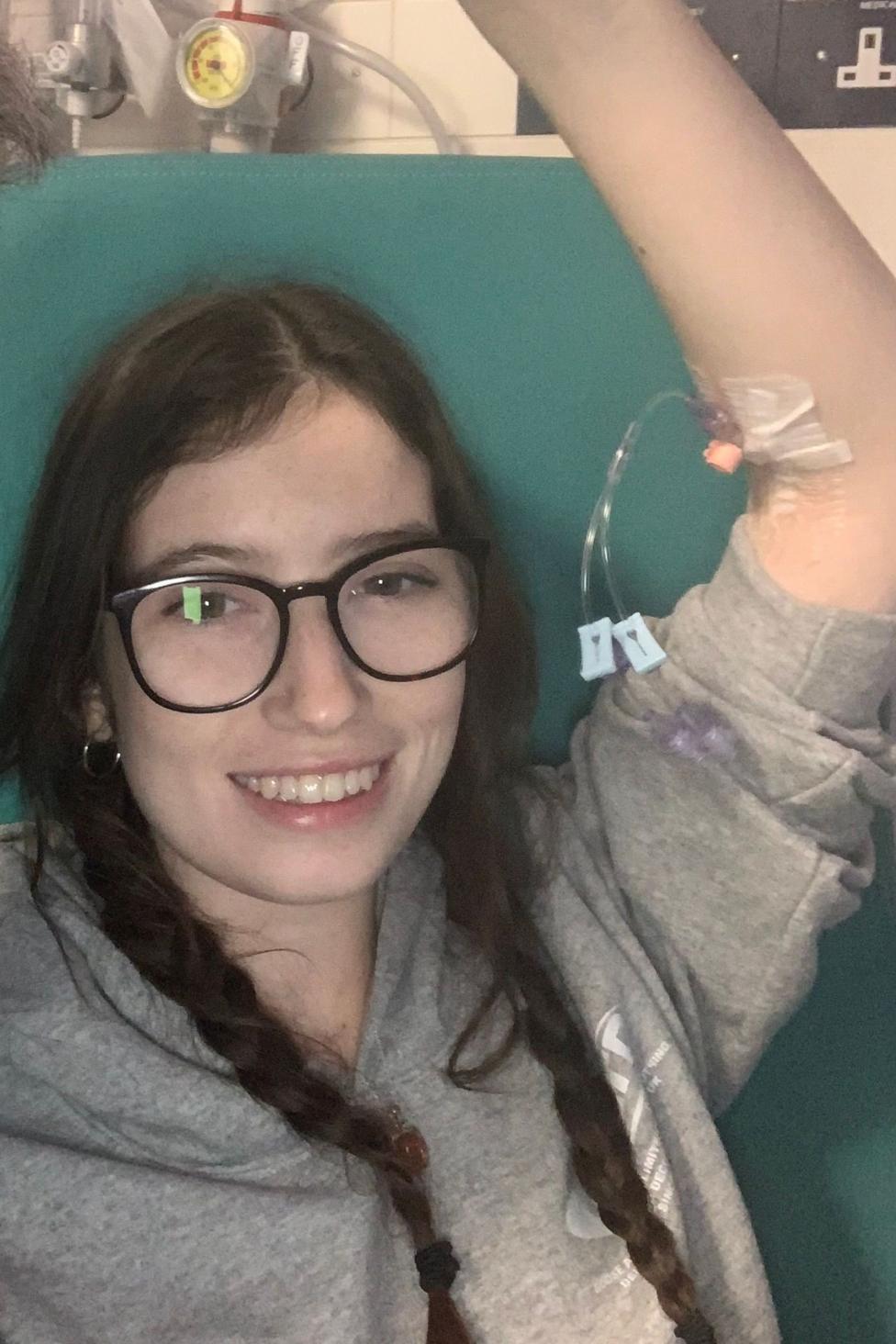
Black had developed quinsy, a complication of tonsillitis in which a pus-filled abscess forms between the tonsils and the throat wall. According to clinical guidance on deep neck space infections, quinsy represents the most common such infection, which helps explain how a localised sore throat can escalate into a systemic emergency. This abscess had progressed to sepsis, triggering a life-threatening inflammatory cascade throughout her body.
Black spent two days at the University Hospital of Wales receiving intravenous antibiotics. She credits her survival to three factors: her decision to seek hospital care quickly, her communication to medical staff that she suspected sepsis, and the rapid response of the clinical team.
[The doctors] said if I'd left it another day, it could have been quite different.

Medical literature underscores the seriousness of this progression. ENT guidance notes that quinsy can rarely present with profound sepsis, reinforcing how quickly this condition can become life-threatening. Clinical pathways indicate that worsening sore throat accompanied by fever, difficulty swallowing, drooling, or muffled speech can signal quinsy or deeper neck infection, symptoms that should prompt immediate medical evaluation.
Why sepsis is often missed in young people
Black's experience reflects a broader challenge in sepsis recognition, particularly among students and young adults. Drowsiness, nausea, exhaustion and general malaise following a night out are symptoms many young people attribute to alcohol consumption, sleep deprivation or minor illness. This normalisation of serious warning signs can delay diagnosis.
The charity Sepsis Research emphasised this danger in response to Black's case.
It often develops from infections that seem familiar and manageable, which is why it can be so easily overlooked. Drowsiness, nausea, exhaustion and feeling generally dreadful after a night out are symptoms many students might put down to alcohol, lack of sleep or freshers' flu. Elle's experience shows why it is so important not to dismiss symptoms that are severe, getting worse, or feel out of proportion to what you would normally expect.
Black's story resonates with other sepsis survivors who have faced similar challenges. Katie Bain survived septic shock and a three-week coma after a ruptured appendix, demonstrating that sepsis can develop from various underlying infections and that rapid intervention is crucial for survival.

What are the warning signs of sepsis?
Sepsis develops very rapidly and can be life-threatening. Key warning signs include a high fever or alternating between feeling extremely hot and extremely cold, inability to keep food or fluids down, extreme drowsiness or difficulty remaining awake, a sore throat or tonsillitis that suddenly worsens, and a persistent feeling that something is seriously wrong.
In the UK, approximately 48,000 deaths occur annually from sepsis-related complications, according to the UK Sepsis Trust. The condition rarely announces itself with clear, unmistakable symptoms. Instead, it frequently emerges from infections that initially appear routine and manageable, making it easy to overlook until it reaches a critical stage.
Recovery and ongoing impact
Black made a full recovery from her hospital stay, though the experience left lasting effects on her and her family. She described the weeks following discharge as marked by exhaustion and a general sense of being unwell that persisted for approximately two months.
I was exhausted for a couple of weeks after and I was a little bit out for it for a couple of months, just really tired, it does take it out of you. But, other than that, I'm OK.
The psychological impact on her family proved significant.
It was strange for my parents to hear this had happened to their daughter. My mum says it's the scariest thing she's ever gone through. They didn't expect me to look so dreadful, they'd never seen my like that. I was completely pale, clammy. They are quite traumatised by it.
Black graduated this summer with a degree in journalism, media and culture. She has decided to channel her experience into advocacy and fundraising. She will run the London Marathon next year for Sepsis Research, using the platform to raise awareness about the condition and encourage others to recognise its symptoms.
Key facts about sepsis and throat infections
- Sepsis kills approximately 48,000 people annually in the UK and can develop within hours from an initial infection
- Quinsy, a pus-filled abscess between the tonsils and throat wall, is the most common deep neck space infection and can rapidly progress to sepsis
- Young people often mistake sepsis symptoms for hangovers or minor illness, delaying critical medical intervention
- Early recognition and rapid hospital treatment significantly improve survival outcomes, as demonstrated by Black's case
- Symptoms that worsen rapidly or feel disproportionate to the apparent cause warrant immediate medical evaluation