Severe Septic Shock Nearly Claims Young Athlete's Life
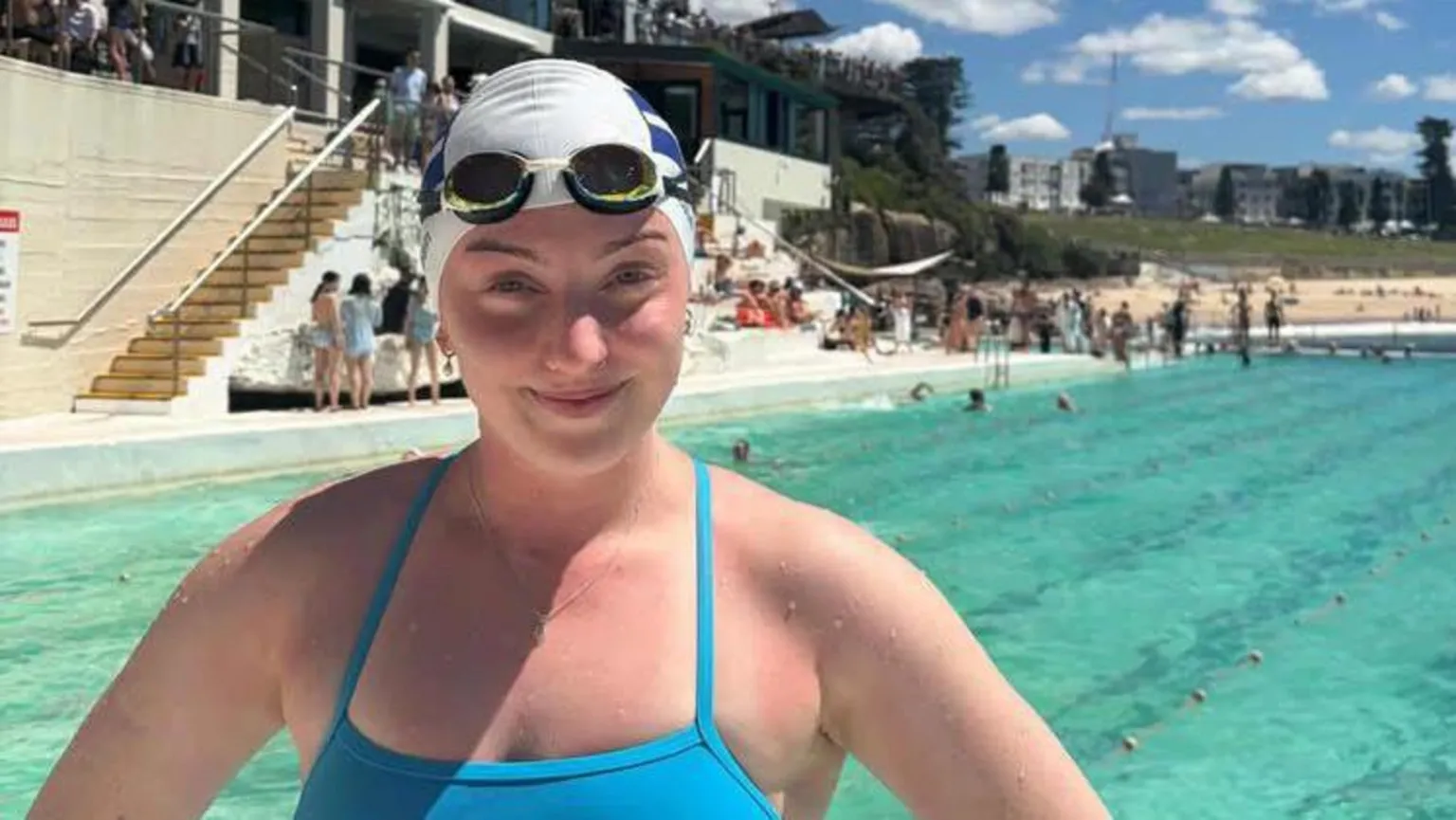
Less than two years ago, Katie Bain, a 24-year-old swimmer, faced a life-threatening medical crisis when she went into septic shock following a ruptured appendix.
She spent three weeks in an induced coma as medical teams worked intensively to save her life.
After three attempts to awaken her from the coma, Katie had to relearn how to walk. This weekend, she is set to run the London Marathon.
Katie is dedicating her marathon run to other sepsis survivors and to the families of those who have lost their lives to the illness.
Sepsis is a critical condition responsible for over 4,000 deaths annually in Scotland.
It arises when the body’s response to infection escalates uncontrollably, damaging its own tissues and organs, potentially leading to multiple organ failure and death.
Initial Symptoms and Emergency Response
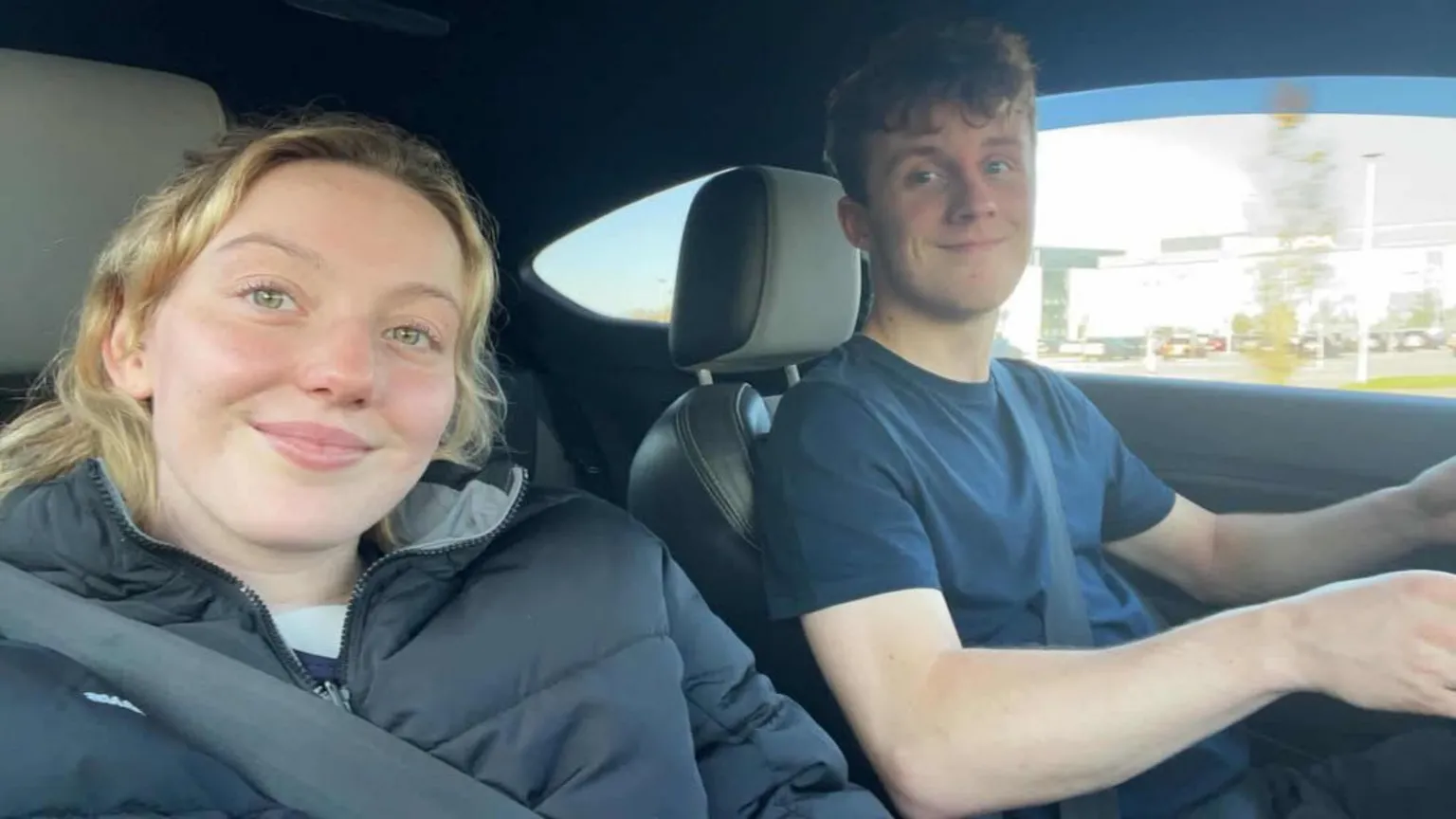
Katie, originally from Shetland, was visiting her boyfriend Ben’s family in Aberdeen in September 2024 when she experienced severe abdominal pain that led to an A&E visit.
She was examined and discharged with medication for sickness, but the following morning, Ben noticed Katie’s nose had become necrotic, turning black and purple.
"My pain was just absolutely unbearable,"Katie recalls.
"I really did feel like I was dying."
They immediately returned to Aberdeen A&E, where Katie’s blood pressure was critically low, indicating poor blood circulation.
Doctors discovered her appendix had ruptured, necessitating emergency surgery, but by then she was already in septic shock.
Septic shock is the most severe sepsis stage, characterized by persistent low blood pressure that deprives organs of adequate blood supply, causing cell death.
Previously healthy individuals can succumb to multiple organ failure within hours.
Medical Intervention and Induced Coma
As a top-level athlete and nutritionist, Katie was in excellent health prior to the illness. However, septic shock caused her bowel to perforate and her lungs to begin failing, impairing oxygen intake.
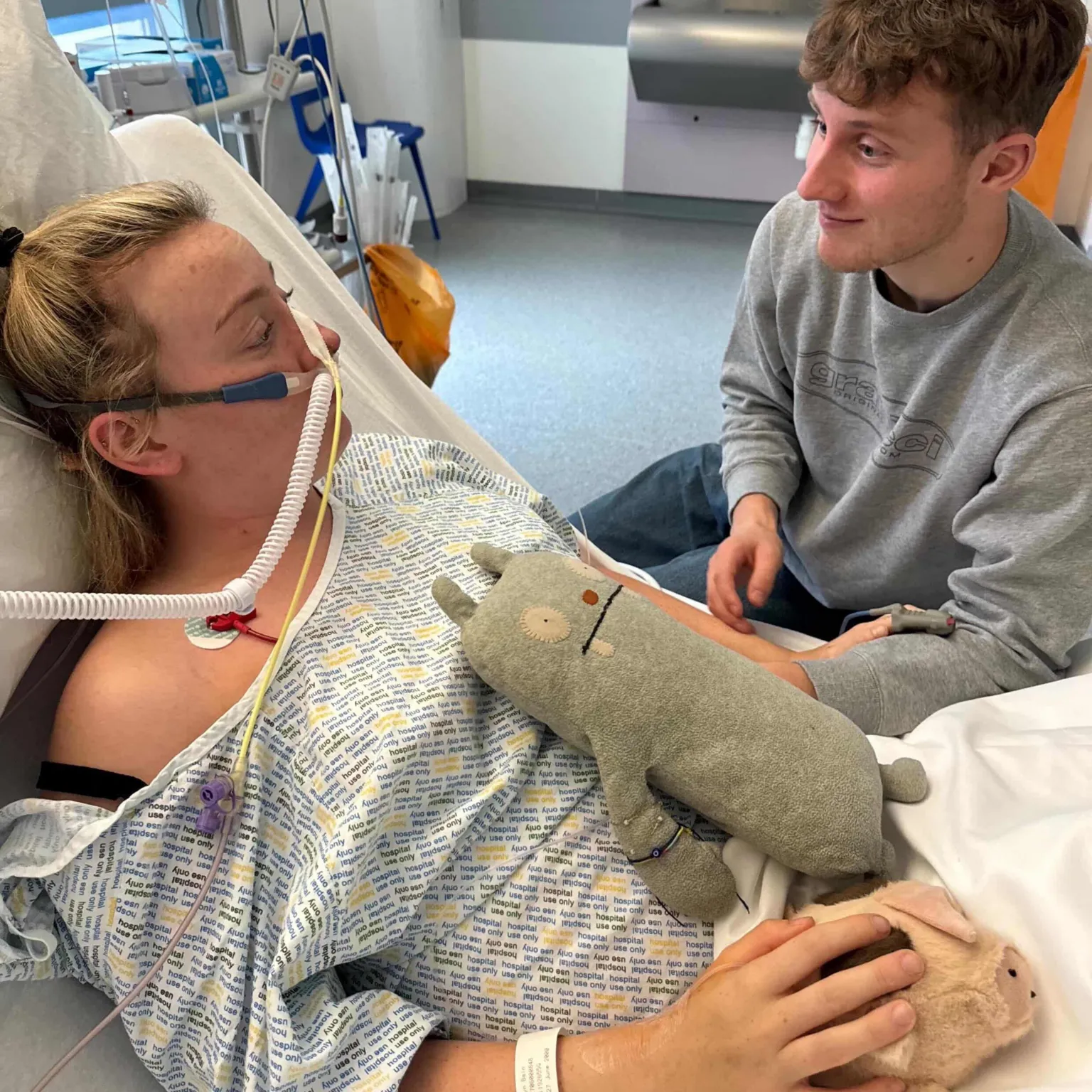
To support her survival, Katie was placed on ventilators and induced into a coma for three weeks.
She now describes this as
"the best decision"made by her medical team.
Challenges Awakening from Coma
Once her physical condition stabilized, clinicians attempted to wake Katie from the coma.
The first two attempts failed due to organ damage and her mental state.
Each time she was revived, Katie experienced panic and anxiety linked to the sepsis-induced hypoxia — a condition marked by low oxygen levels in body tissues.
During the final attempt, hospital staff performed a tracheostomy, inserting a tube into her neck to allow her to remain conscious while still on a ventilator.

This intervention facilitated her mental recovery and transition.
Expert Advice on Sepsis Awareness
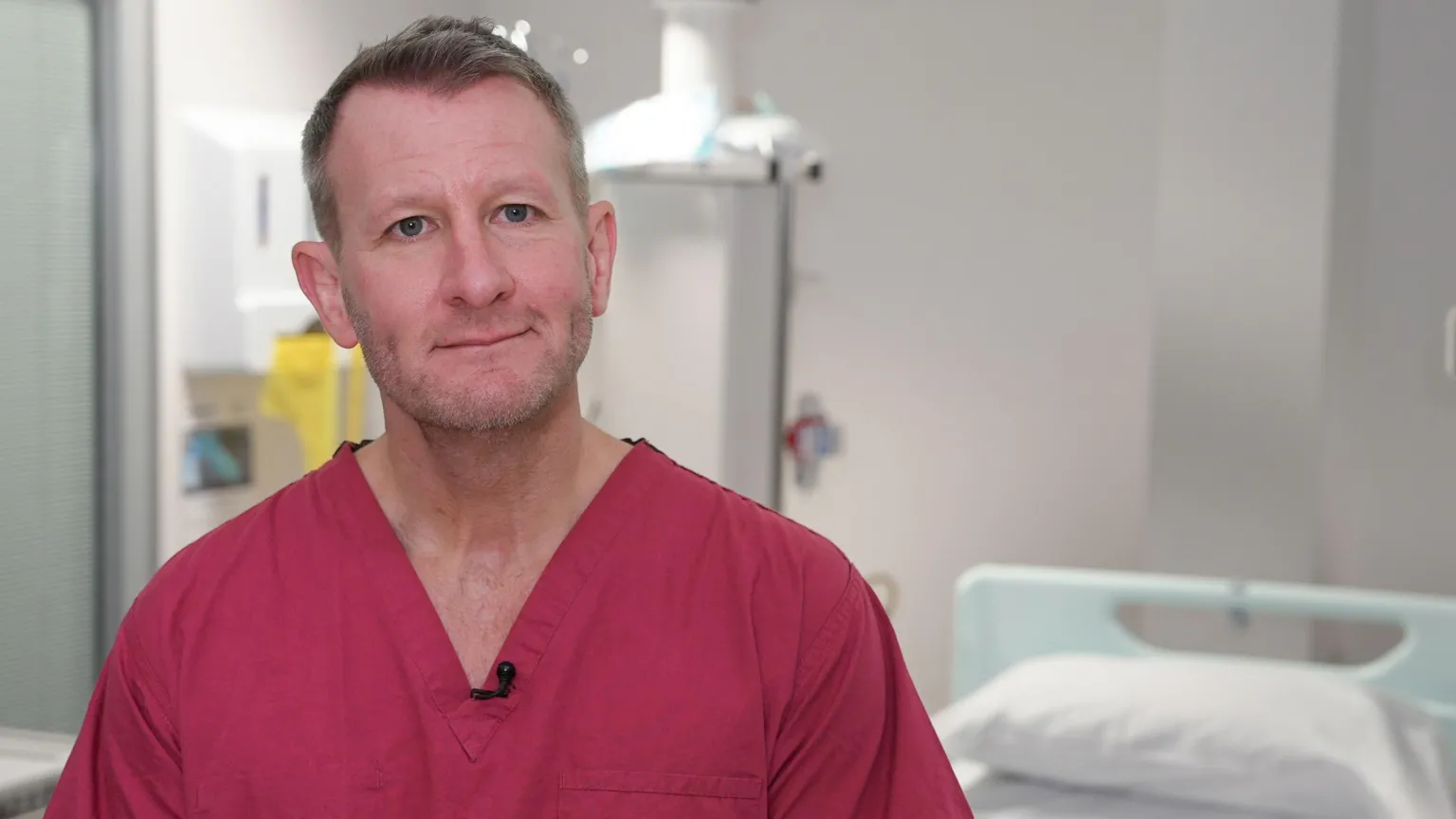
Dr Ron Daniels, founder of the UK Sepsis Trust and a leading sepsis expert, emphasizes the importance of immediate medical attention if sepsis symptoms arise.
While approximately 80% of patients survive sepsis, Dr Daniels notes:
"It takes between about six and 18 months to get back to anything like the person's baseline level of function.
The experiences they suffer include psychological after-effects and cognitive after-effects.
Invisible disabilities, including those in the cognitive and psychological spaces, can be equally disabling."
Recovery and Rehabilitation
Katie describes the experience as traumatic but credits the support of loved ones for preventing her from falling into a dark mental space.
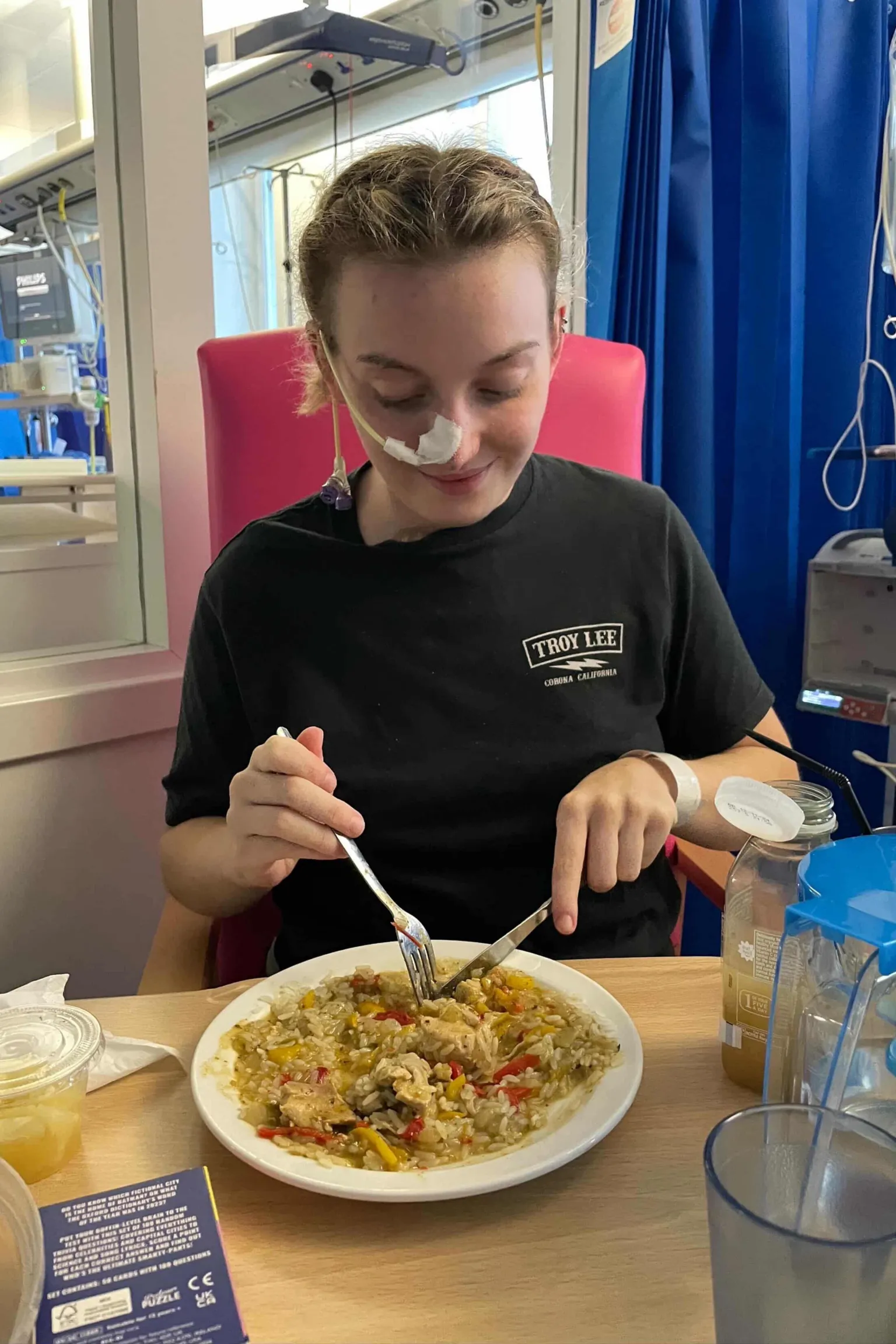
She had to relearn walking and everyday tasks.
Doctors informed her that she might never regain her previous physical condition or that recovery could take at least a year.
"I think I almost took that on as a bit of a challenge to myself, how quickly can I recover and how can I get back to where I want to be?"Katie says.
Returning to sport became a motivating goal.
Progress and Return to Swimming
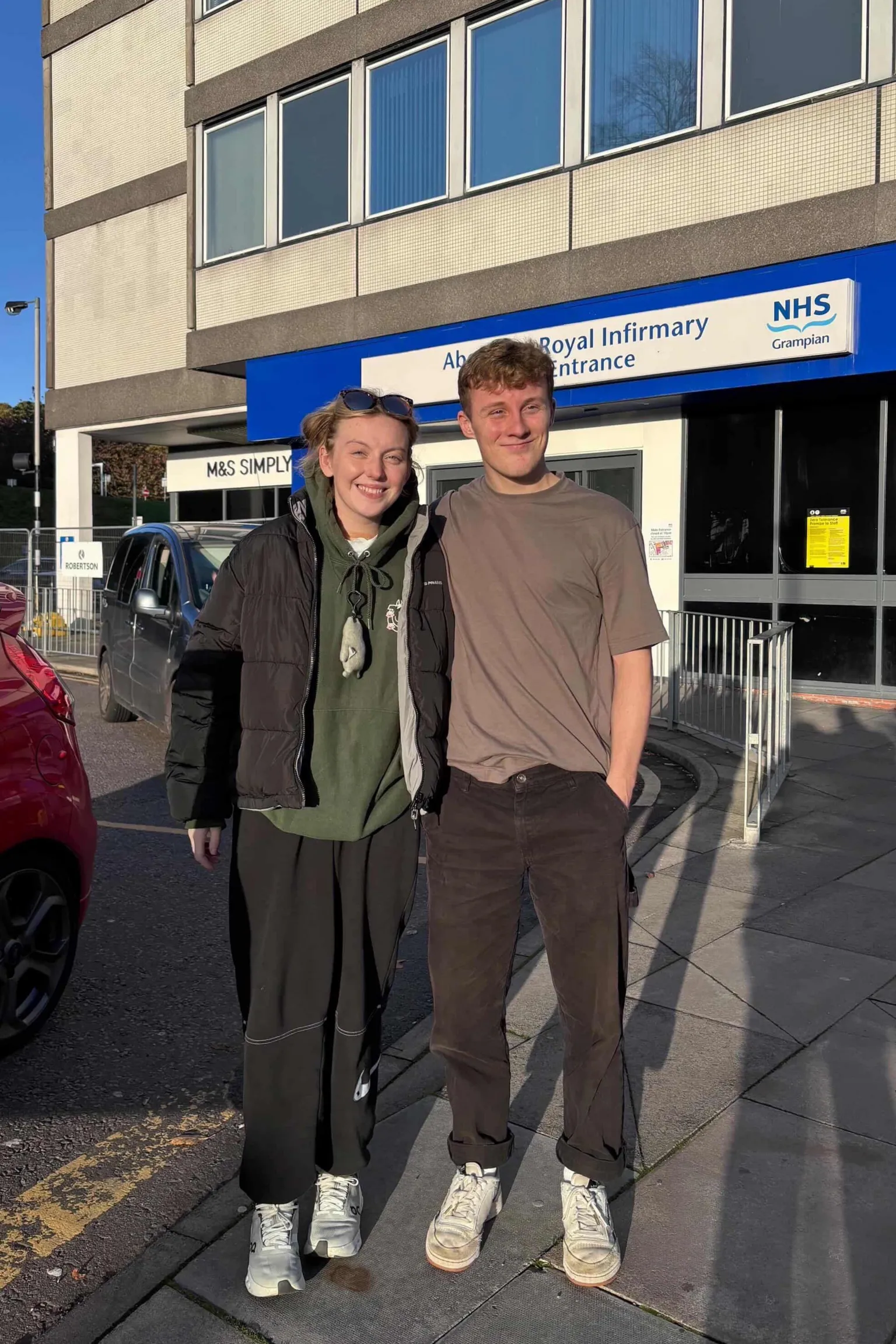
Katie was discharged from Aberdeen Royal Infirmary in mid-October 2024, about a week after waking from her coma.
One month later, shortly after her tracheostomy scar healed, she returned to the swimming pool.
"It came so naturally,"she says.
"I took each day, one at a time, and very much just pushed myself to get better."
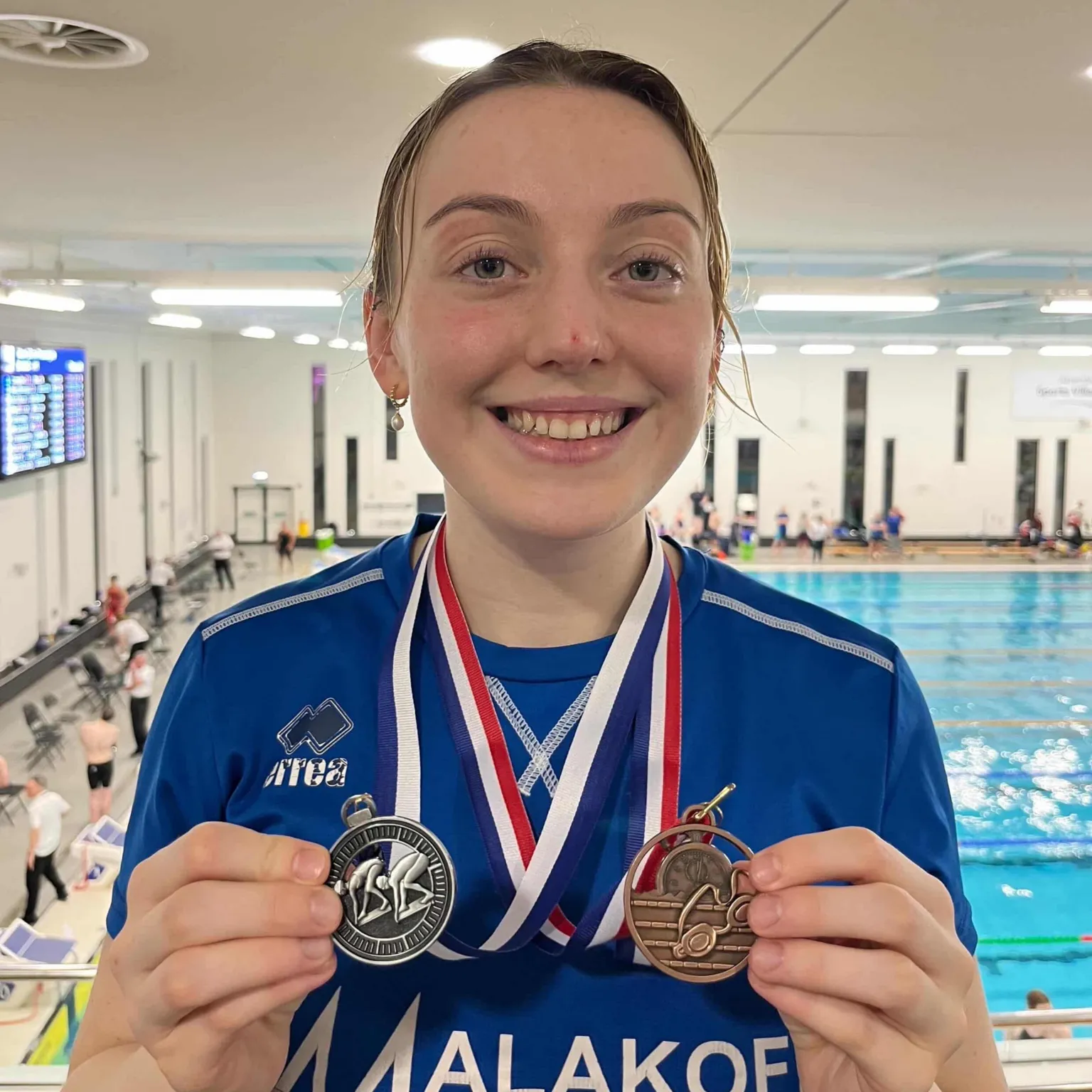
Three months post-discharge, Katie competed in a 100m swimming event in Aberdeen, winning two medals.
This achievement further motivated her to maximize her physical capabilities.
Setting New Athletic Goals
Katie challenged herself to run the Glasgow Half Marathon in October 2025, just 12 months after her illness.
She is now preparing to run the full 26-mile (42 km) London Marathon in 2026.
"It's a celebration of my health, being able to go out and do such an insane challenge.
A marathon is obviously a bit ridiculous, a bit insane.
But I think the point is almost to push my fitness, push my health, make the most of being alive and being healthy."
Training and Fundraising Efforts
Now residing in Glasgow, Katie is running to raise funds for the UK Sepsis Trust.
Her training regimen includes three runs per week alongside full-time swimming practice.
Katie describes the Scottish weather as a challenging factor but maintains strong mental motivation.
"I'm just excited to get it done, to take it all in and just enjoy it on the day,"she says.