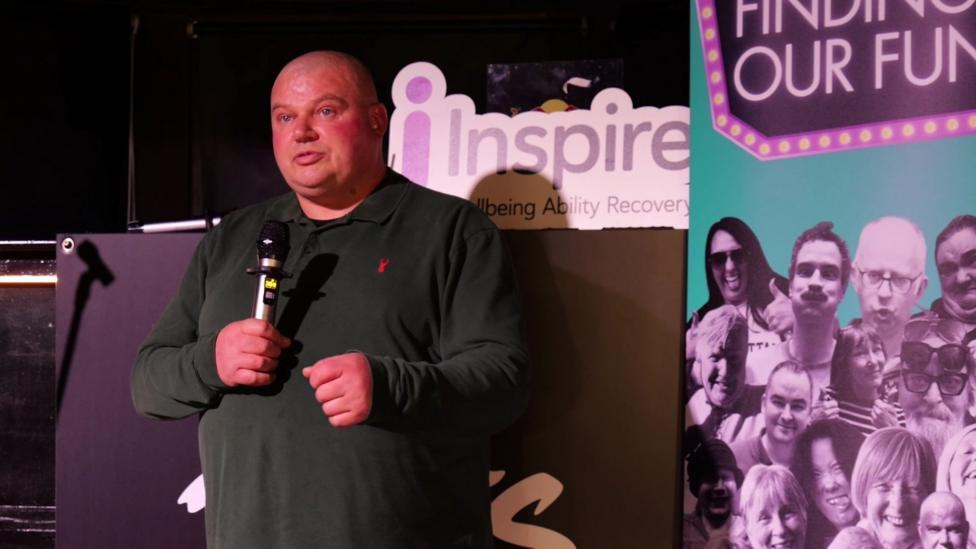
A group of people managing mental health challenges across Northern Ireland has discovered an unconventional path to rebuilding self-belief: stand-up comedy. Through the Finding Our Funny workshops run by the charity Inspire, participants have transformed their lived experiences into comedy material and performed three live gigs this month. According to BBC News, the initiative combines therapeutic benefit with performance, allowing participants to connect with audiences while strengthening their confidence.
Around 20 people with complex mental-health challenges participated in the project, according to reporting that revealed participants ranged in age from their 20s to their 70s. The workshops included one-to-one support and rehearsals to refine participants' original material, with the three performances taking place on 9 November in Enniskillen, 10 November in Derry/Londonderry and 12 November in Belfast.
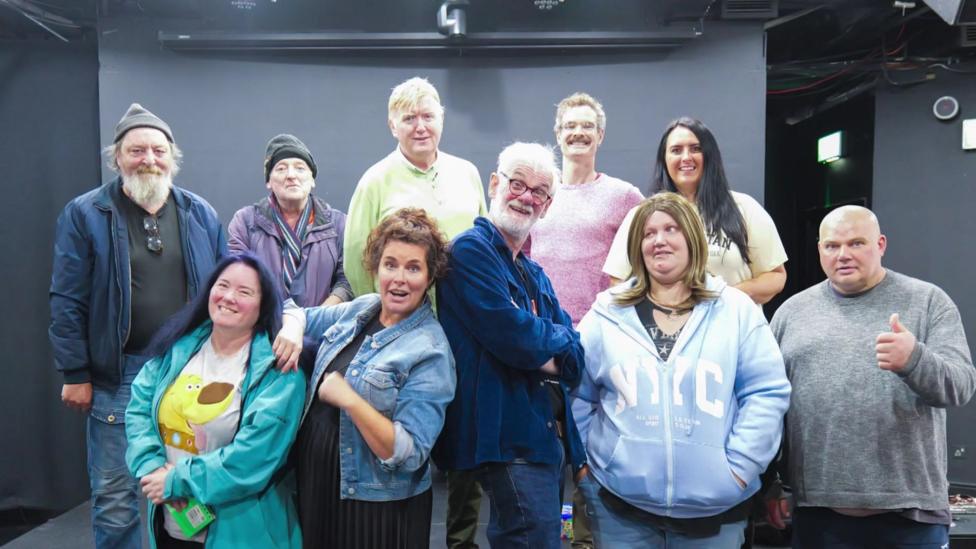
How did participants prepare for their debuts?
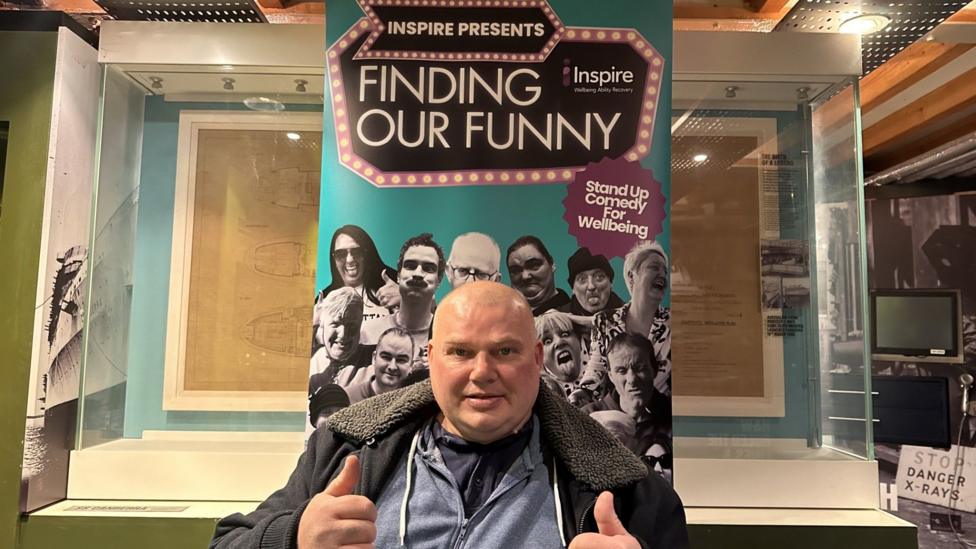
Michael Hart, one of the performers, approached his first time on stage with careful preparation. Having struggled with mental health and confidence over recent years, he invested significant effort into rehearsing his material before stepping in front of an audience.
"The first thing I said was: 'What's the worst that can go wrong? I did stutter at the start, I sort of froze - but I came back in again. Just a joy to get up there. I think I kept it together well. My wee trick was I done a lot of practising."
Despite initial nerves, Michael's preparation paid off. He has now completed three gigs using entirely his own material, all drawn from genuine personal experience.
"It's all true, I didn't make any of this stuff up."When reviewing recordings of his performances, he was struck by how well he had managed.
"When I looked back at my videos I couldn't believe how well I'd done. My family is very proud of me,"he explains, adding that the experience has strengthened his resolve to return to employment.
What material did the other performers develop?
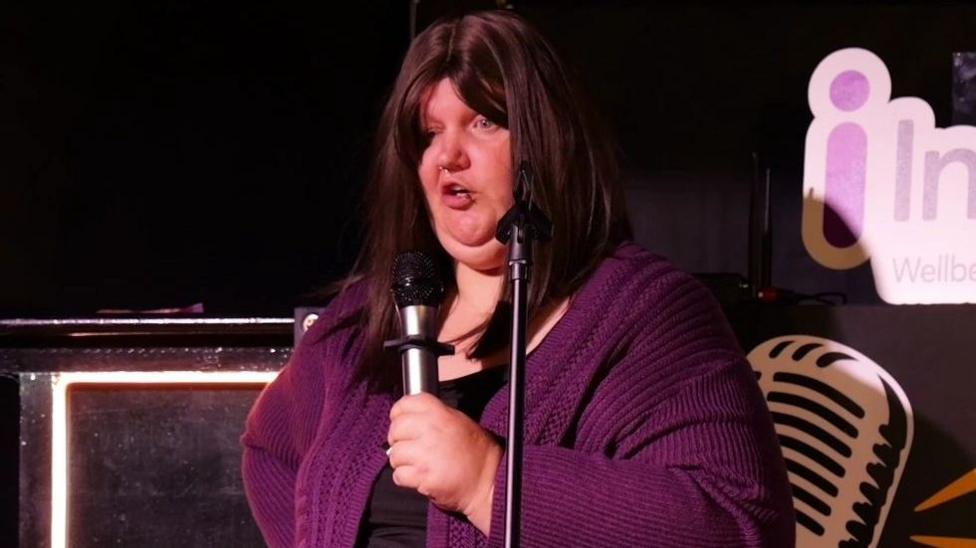
Carla Sloan, another participant, had lived with mental health challenges throughout her adult life and had never previously considered attempting stand-up. Her initial reaction to joining the workshops was hesitant.
"I've done lots of mental health courses on emotional resilience and stuff but this was something completely different. The first day I drove into the car park and then I was like: 'No.' I turned the car around and I drove back down the road and then I thought: 'Ah, I'm here, I might as well go in and see what it's about'."
As a parent of teenagers, Carla drew her comedy directly from the realities of family life.
"All my material is based on teenage girls and the fun you have raising them but also when they do something that they aren't meant to do,"she explains. The experience has fundamentally shifted her self-perception.
"I've learnt not to underestimate myself - and that was a big one for me as I do tend to underestimate what I'm capable of. Maybe I need to look at myself a bit more and be aware of just how much I can do. I might have to take things slower than other people - but I can still do it."
Who mentored the participants?
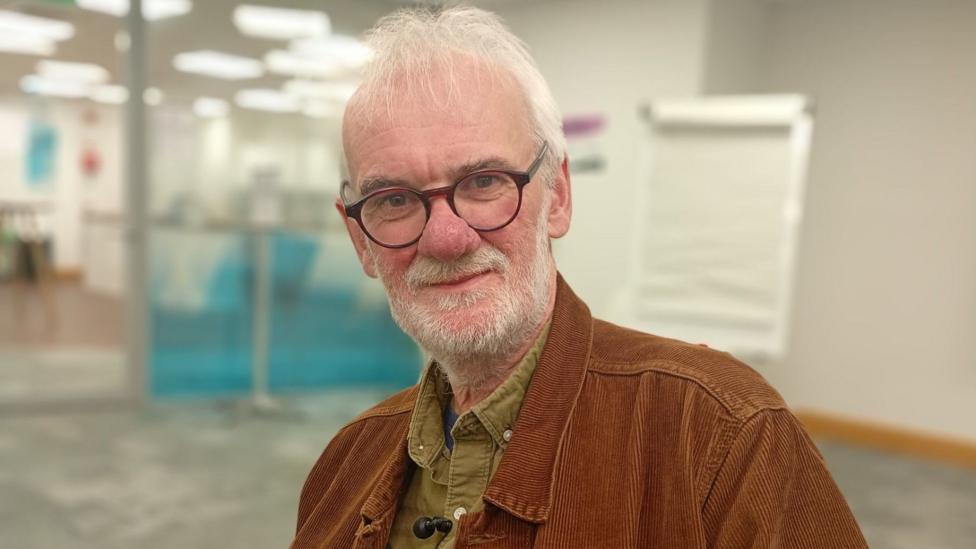
Tim McGarry, a veteran of the Northern Ireland comedy scene best known for his role as Da in the long-running BBC sitcom Give My Head Peace, took on the role of mentor. Rather than imposing a rigid comedic formula, McGarry focused on drawing out each participant's authentic voice and natural sense of humour.
"I just sat down with them and said, well, what makes you laugh? What's something funny in your life? Most of them went off and wrote stuff themselves and I tweaked a bit and helped a wee bit - but it's coming from entirely the participants themselves."
McGarry emphasised that while certain comic techniques can be taught, much of his mentoring work centred on building participants' belief in themselves.
"There is no better feeling than coming off stage and going: 'You know what? I made people laugh'."He identified stepping onto the stage for the first time as the most challenging hurdle, but stressed that overcoming it delivers profound rewards.
What was the broader impact of the workshops?
Kerry Anthony, chief executive of Inspire, described the project as a departure from the charity's traditional work supporting people managing mental ill-health, homelessness or addiction.
"People who use our services... have worked with us over the years to use their voice around very serious issues to do with mental ill-health. This was a time that they could use their voice in a totally different way. Comedy isn't a treatment for mental ill health - but comedy is important for everybody."
The initiative represented an innovative approach to wellbeing, allowing participants to address serious personal challenges through the lens of humour. According to Inspire, the project focused on helping participants find their voice and connect with others, rather than simply teaching joke-writing. The workshops also extended beyond the performers themselves: the project was filmed for an online documentary, and other Inspire service users helped with stage management and photography.
How did participants experience personal transformation?
For Michael, the confidence gained through performing has extended beyond the stage. His goal of returning to work has been reinforced by the self-belief the experience has fostered. The act of making an audience laugh delivered a tangible sense of achievement that shifted his perception of what he could accomplish.
Carla's transformation centred on recognising her own capabilities. Having spent years underestimating herself, the experience of successfully performing her own material forced a reassessment of her potential. She acknowledged that while her pace of progress might differ from others', she remains fully capable of achieving her goals.
The Finding Our Funny initiative demonstrates that comedy can serve as a powerful vehicle for personal development and connection. By creating a space where people with lived experience of mental health challenges could transform vulnerability into performance, the workshops offered participants a tangible pathway to rebuilding confidence and discovering their voice.