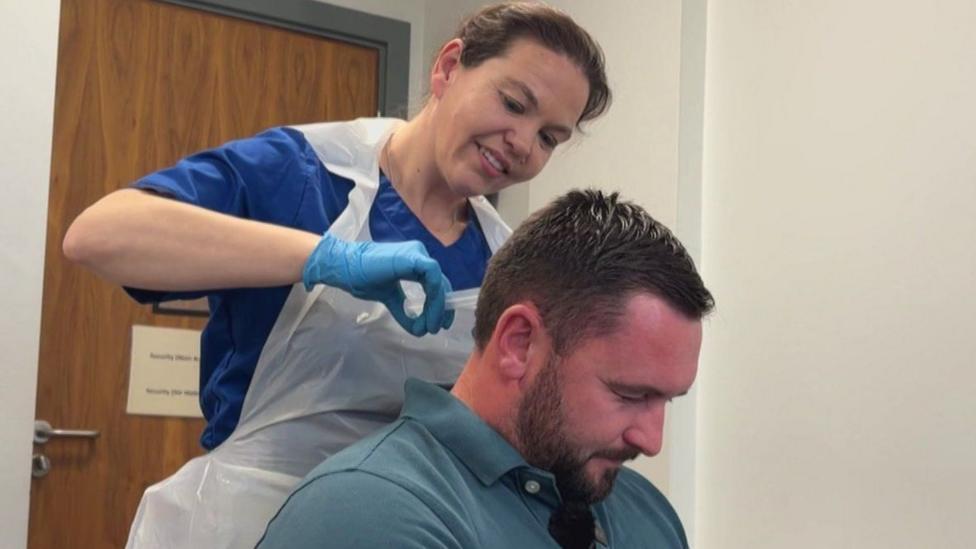
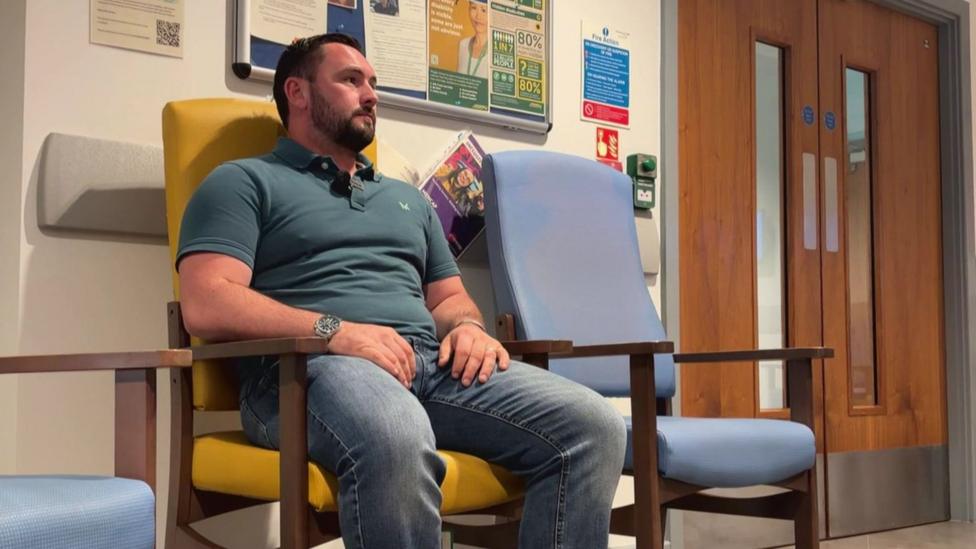
Rhys Richards, a 30-year-old from Bodedern on Anglesey, has endured a relentless headache for two years due to hemicrania continua, a rare neurological condition that causes continuous pain on one side of the head. According to BBC News, he receives specialist treatment at Walton Hospital in Liverpool, a journey of 4.5 hours round trip from his home. The injections he receives provide temporary relief, allowing him to experience periods free from pain that he describes as transformative.
Richards works on power lines and is raising a 16-month-old son with his wife, Mererid. His condition means the headache persists "from morning, noon until night," though its intensity varies throughout the day. He explained that the pain differs fundamentally from ordinary headaches or migraines, as conventional painkillers provide little to no benefit.

What does the pain feel like?
Richards experiences the headache primarily on the left side and front of his head. While the baseline pain remains relatively mild to moderate, he frequently encounters severe flare-ups that are characteristic of the condition. During these episodes, he described the sensation as "someone squeezing my head," accompanied by watery eyes, difficulty focusing, and visual disturbances. These acute episodes can last anywhere from 10 minutes to an hour and a half.
How does the treatment work?
His treatment involves four injections administered directly into his head that block nerve signals. Richards explained that the injections numb the back of his head for several days, with the effect typically wearing off after that period. Approximately two weeks following treatment, he becomes headache-free—a relief he describes as profound. "When I first had the first dose last September I had forgotten what it was like to not have a headache," he said. "I had suffered so long with a continuous headache throughout the day... it was like a cloud had lifted."
What is hemicrania continua?
Hemicrania continua is a continuous, fluctuating pain that occurs on one side of the head. According to the Migraine Trust, the condition is classified as a trigeminal autonomic cephalalgia, and diagnosis typically requires a complete response to indomethacin, though some patients cannot tolerate taking this medication daily. The underlying cause remains unknown, and it is unclear whether genetic factors or specific triggers play a role, as they do in migraine. Currently, no cure exists for the condition, and treatment focuses on preventive approaches to manage symptoms.
The condition is relatively uncommon in clinical settings. A meta-analysis estimated that hemicrania continua accounts for 1.8% of adult patients assessed for headache in clinic settings, though this figure does not represent population-wide prevalence.
Why does travel for treatment pose a burden?
Richards acknowledges that the lengthy journey to Liverpool significantly impacts his quality of life. "There and back, the day is gone by the time we've got there," he said. He expressed frustration that no local or more accessible treatment facility exists in Wales, noting that others with his condition or similar neurological disorders likely face the same challenge. Despite the burden, he remains committed to the treatment regimen because the weeks or months of relief justify the extended travel time.
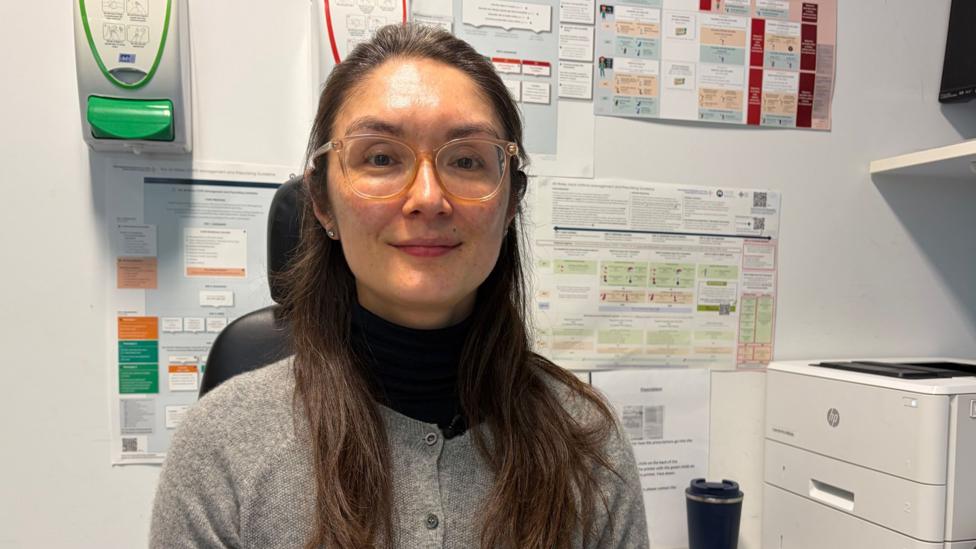
Karen Simpson, a GP with an extended role in headache medicine, confirmed that patients frequently endure substantial travel distances for brief appointments. "It can be hundreds of miles there and back for a half-hour appointment," she noted. She highlighted ongoing discussions about bringing specialist headache services closer to patients in north Wales to ensure equitable access to care. "My hope is that patients receive timely care of the highest quality, but it is closer to their homes," Simpson said.
Why is raising awareness important?
Richards has become an advocate for greater awareness of hidden neurological disorders, particularly headache conditions that are not visibly apparent to others. He observed that people tend to acknowledge and discuss visible injuries such as broken bones, but chronic headache disorders remain largely invisible and misunderstood. Since developing his condition, he has encountered more individuals with similar experiences than he had previously encountered. "The more people who speak about it, the more people will tend to look for treatment in any way," he said. He emphasised that while injections have proven effective for him, different treatments may work for different patients. "The most important thing I found out through the journey was seeking the advice, consultation and expertise," he added.
The Welsh government acknowledged the debilitating effects of chronic headaches and stated it will continue working with NHS organisations to support cross-border healthcare arrangements where they serve patients' best interests. The government noted that the all-Wales headache toolkit assists frontline clinical teams in diagnosing and planning care. "There are well-established links and mutual arrangements in place between NHS Wales and NHS England," a spokesperson said.