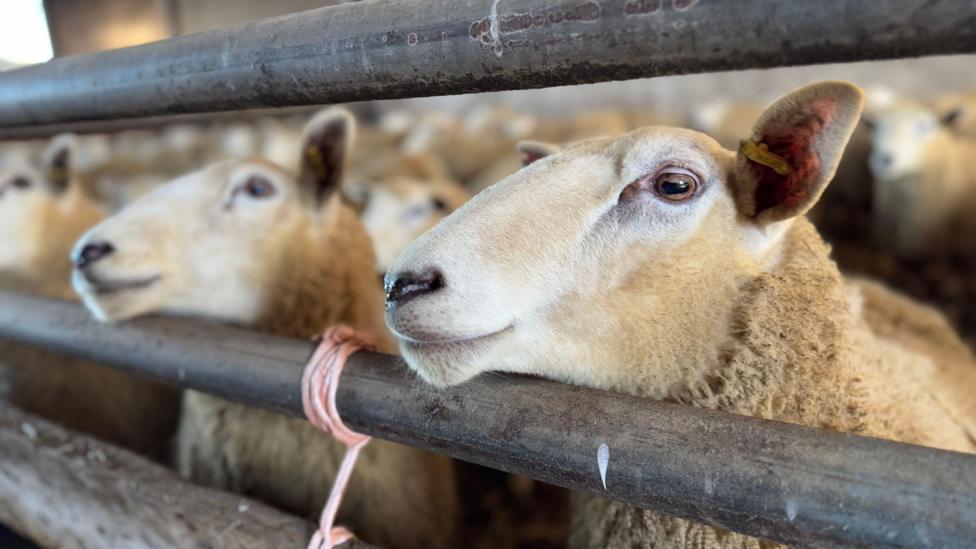
The first case of bluetongue virus in Northern Ireland this season has been confirmed on a farm in Kilkeel, County Down, according to BBC News. Officials from the Department of Agriculture, Environment and Rural Affairs detected the virus in three sheep on the holding. The discovery marks a significant development in the UK-wide outbreak, which has now affected thousands of farms across England, Wales and Scotland.
The virus poses no risk to public health or food safety, and milk and meat remain safe to consume. Because bluetongue has been present in Northern Ireland since November 2025, no additional movement restrictions or disease control zones will be imposed around the Kilkeel farm. However, DAERA confirmed on 14 November that the detected strain is BTV-3, the same variant driving the broader outbreak across the UK and Ireland.
Minister Andrew Muir described the discovery as "disappointing but not unexpected", given the rapid spread of the disease in Great Britain and the Republic of Ireland. The confirmation in Kilkeel follows more than a hundred cases across the Republic in recent months. England has recorded 2,950 confirmed cases, Wales 512, and Scotland 57, though investigations in Scotland suggest the true number may be higher. The mild winter has allowed more of the biting midges that transmit the disease to survive and become infectious this season.
How does the virus spread and who is at risk?
Bluetongue is spread exclusively by biting midges and affects ruminants including cattle, sheep, goats and deer. The disease does not infect humans and carries no public health implications. According to DAERA, biting midges are most active from April to November, meaning the risk period is now entering its final weeks. The virus can affect fertility and farm productivity, making early detection and vaccination critical for livestock producers.

What are officials urging farmers to do?
Chief Veterinary Officer Brian Dooher has stressed the importance of immediate reporting of any suspected cases. Farmers should contact DAERA on 0300 200 7840 if they observe symptoms in their livestock. Muir emphasised that awareness and strict biosecurity measures are paramount, stating: "Continued vigilance and strict biosecurity measures remain of paramount importance and I would once again urge all farmers to report any suspicion of disease to DAERA."
Vaccination against BTV-3 has been available to farmers since April 2026 under a general licence, though it still requires a veterinary prescription and proper record-keeping. Full immunity takes approximately six weeks to develop in cattle and three weeks in sheep after vaccination. Dooher also stressed the importance of safe and responsible sourcing of animals, particularly those imported from mainland EU countries, which are subject to post-import testing.
What is the broader context of the outbreak?
The Kilkeel detection is the second confirmed location in Northern Ireland, following the initial discovery near Bangor in County Down in November 2025. A number of other herds along the eastern coast of Northern Ireland have also been affected. In the Republic of Ireland, the outbreak has been more extensive, with 81 BTV-3 cases recorded across 15 counties by early November, predominantly affecting cattle herds.
The outbreak in Scotland has prompted tightened movement restrictions in Dumfries and Galloway, where officials have attributed the spread to windborne midges from England. Active surveillance is ongoing at abattoirs across Northern Ireland, and all suspected cases will be investigated to determine whether they are BTV-3 or another strain.
What happens next?
DAERA will continue investigating any suspected cases reported by farmers. If BTV-3 is confirmed on additional farms, restrictions on those establishments will be lifted once the virus is cleared. However, if a different strain is detected, officials may consider implementing a temporary control zone and movement restrictions. The department has reiterated that bluetongue poses no threat to public health or food safety, and consumers can continue to purchase and consume milk and meat with confidence.