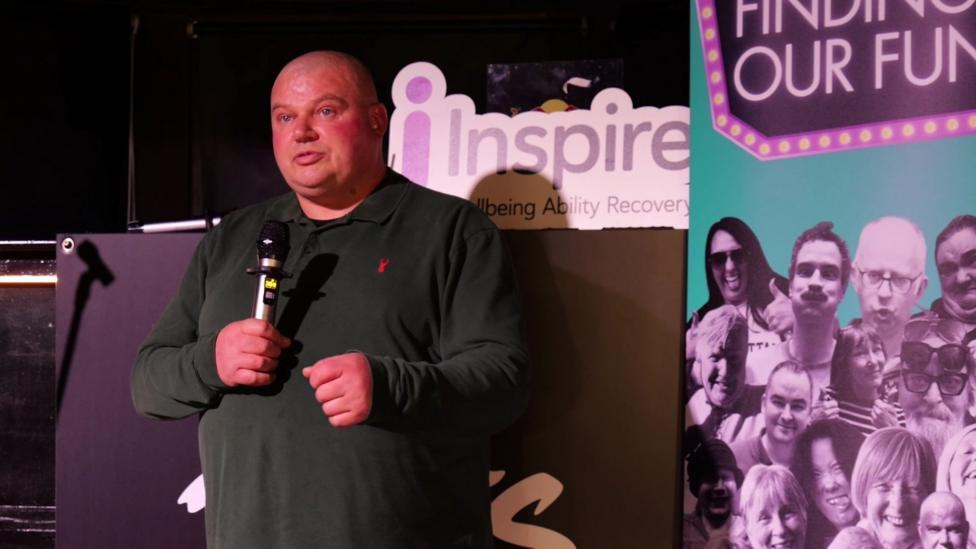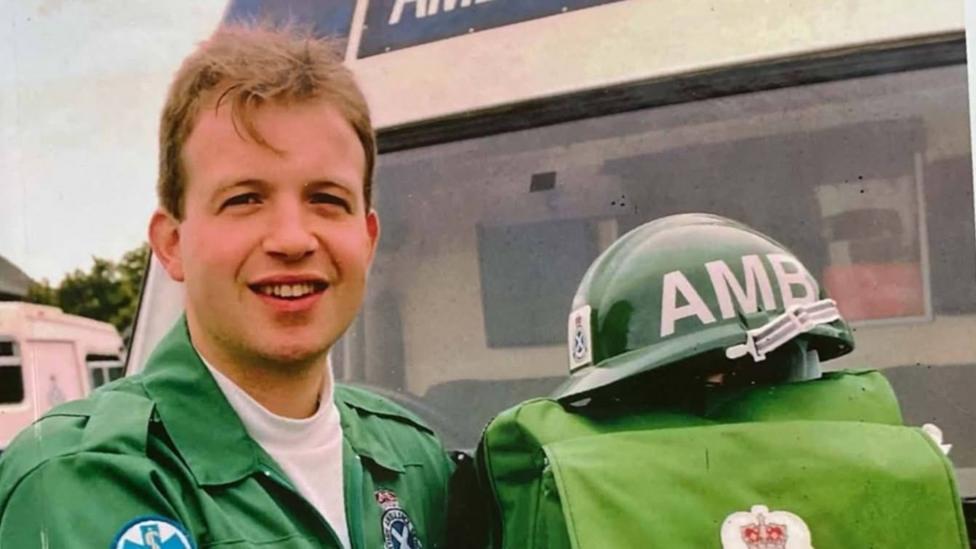
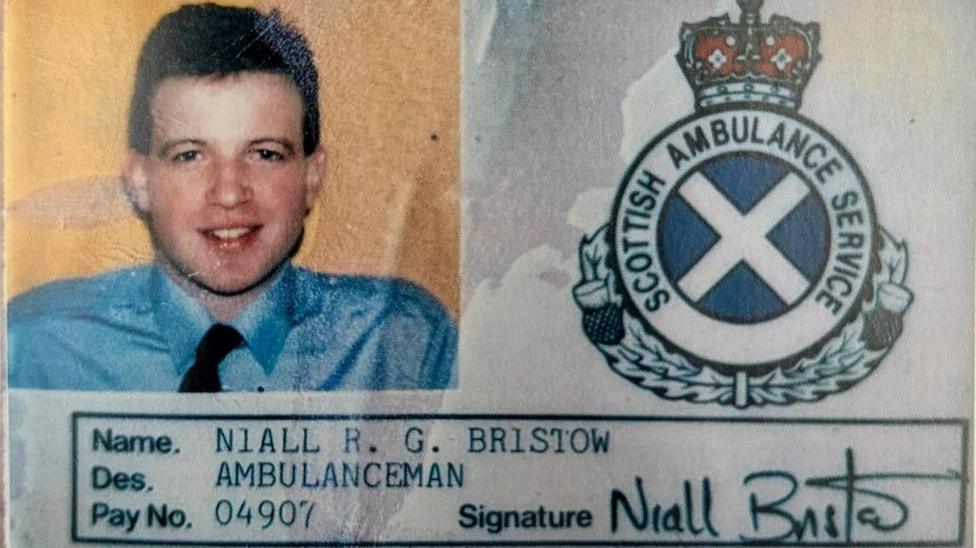
Niall Bristow, Shetland's pioneering paramedic, has retired after nearly four decades transforming emergency medical care across the remote Scottish islands. According to BBC News, Bristow joined the ambulance service in 1988 when the vehicles were operated by hospital porters and gardeners with no medical training whatsoever. He became the isles' sole paramedic in 1992 and has now stepped down at the age of 61, leaving behind a transformed service that now employs 11 paramedics and six technicians serving Shetland's population of 23,000 across 16 inhabited islands.
Bristow turned off the ambulance sirens for the final time in October 2026, marking the end of an era in Shetland's emergency services. According to Shetland News, he felt
overwhelmedand
humbledby the tributes he received as he retired from the role.
How did Shetland's ambulance service evolve?
Ambulances have operated in Shetland since the mid-1970s, but the service operated under severe constraints before Bristow's arrival. Hospital staff with no medical qualifications drove patients to care facilities but could provide no treatment during transport.
A paramedic simply wasn't a thing, Bristow reflected on the state of the service when he began his career. Originally from Islay in the Inner Hebrides, Bristow relocated to Shetland at a young age and initially worked for a bank for four years before seeking a change. He was drawn to the ambulance service partly because he wanted to remain in Shetland while in what he described as a
blossoming romancewith his girlfriend, now wife. His partner encouraged him to apply after spotting the job advert in a newspaper, telling him
You'd be good at this.
I didn't quite know what I was getting myself in for, he admitted.
Bristow realised the significance of his work straight away after he started as an ambulance technician, according to Shetland News. His early decision to pursue paramedic training proved transformative for emergency response across the islands.
What made the job uniquely challenging in Shetland?
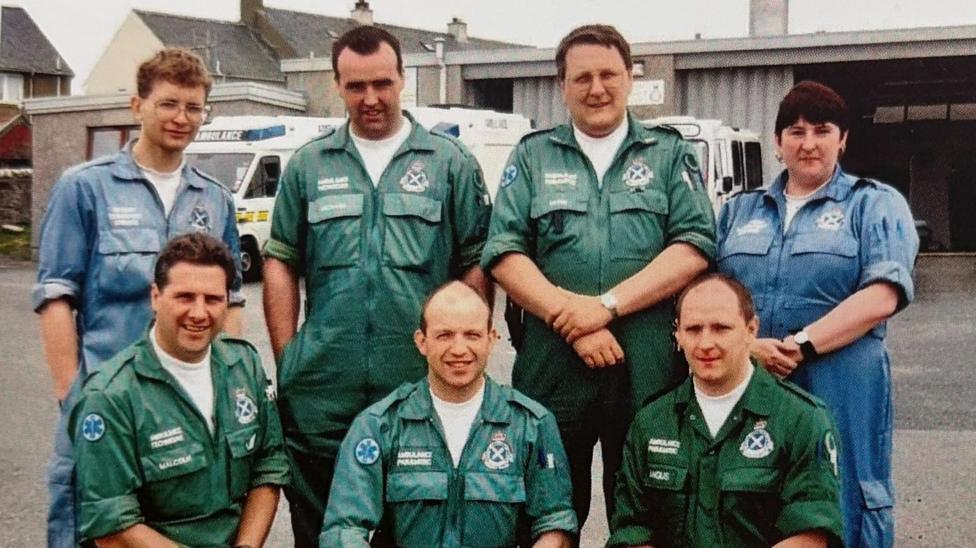
Geography presented the most significant obstacle to emergency care delivery across the archipelago. Residents depend on a network of ferries to travel between islands, meaning
a single job could take up to three or four hours, Bristow explained. Two large ambulances are stationed in Lerwick, Shetland's only town, with three smaller vehicles based across the islands of Unst, Yell and Whalsay. Patients from Unst—the most northerly inhabited place in the United Kingdom with approximately 600 residents—must take two short ferry trips to reach mainland Shetland, then transfer to a larger ambulance at the Lerwick ferry terminal before continuing to Gilbert Bain Hospital.
These call-outs took up most of our day, Bristow said of the logistical demands.
What was the most memorable period of his career?
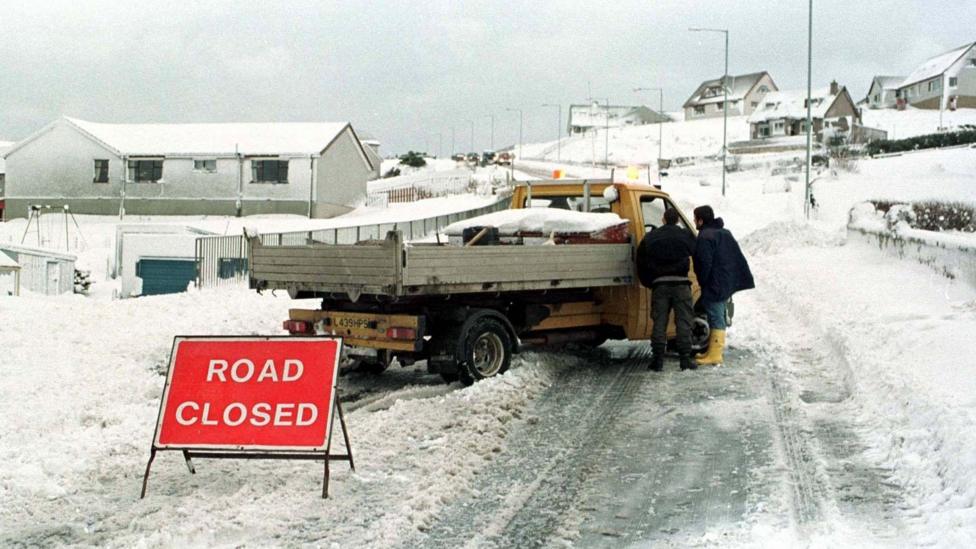
December 1995 brought one of the most challenging episodes of Bristow's career when heavy snow fell across Shetland in what became known as the
Big Snaa. The storm left thousands of homes without power over Christmas and the new year, rendering roads impassable. Bristow and his team were deployed by emergency helicopter across the islands to respond to calls.
We were picking up pregnant women and taking them to hospital for scans, he recalled of the period when
Shetland was brought to a standstill.
How did community connections shape his work?
The small population meant Bristow frequently encountered familiar faces during emergency calls.
You were extremely likely to know someone on a call-out, he noted. Many people told him they felt
reassuredbecause they recognised him, yet the same familiarity created emotional complexity. Delivering tragic news to people he knew well proved difficult.
It was hard and there were many tears, he said. Despite these challenges, Bristow emphasised that the positives of working within the community
far outweighed the tough challenges. He also credited his colleagues and family for supporting him through the difficult moments in his career.
What other experiences marked his service?
Bristow's career extended beyond routine emergency response. He appeared as an extra in the BBC crime series Shetland, an experience he found surreal compared to his usual duties. Television producers were intrigued by his team's
authentic uniforms, and he described the filming as an
exciting task. He also featured in the BBC series Island Medics, bringing his professional experience to wider audiences.
Beyond his ambulance work, Bristow has coached the Shetland women's football team for the past 18 months, according to Shetland News, demonstrating his commitment to community involvement beyond emergency services.
What comes next for Bristow and the service?
Bristow expressed that he was
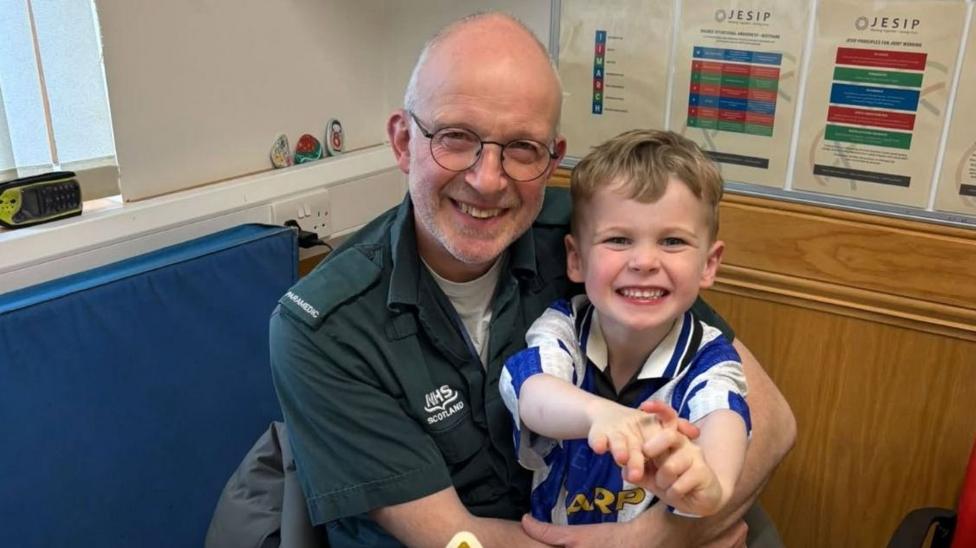
extremely proudto be leaving the service in capable hands after 38 years. He now plans to spend more time with his family, particularly his grandson Arthur. Looking forward, Bristow has encouraged anyone interested in ambulance work to visit the station and speak with staff, according to Shetland News, signalling his desire to support recruitment to the profession he helped establish in the islands.
Key Facts
- Niall Bristow joined Shetland's ambulance service in 1988 when it was staffed by untrained hospital workers, and became the islands' first paramedic in 1992
- The service has grown from a single paramedic to 11 paramedics and six technicians serving 23,000 people across 16 inhabited islands
- Single emergency call-outs could require three to four hours due to Shetland's geography and reliance on ferry networks between islands
- During the December 1995 snowstorm known as the
Big Snaa
, Bristow and his team were deployed by emergency helicopter to respond to calls across the islands - Bristow retired in October 2026 after nearly four decades of service and now plans to focus on family and his coaching role with Shetland's women's football team