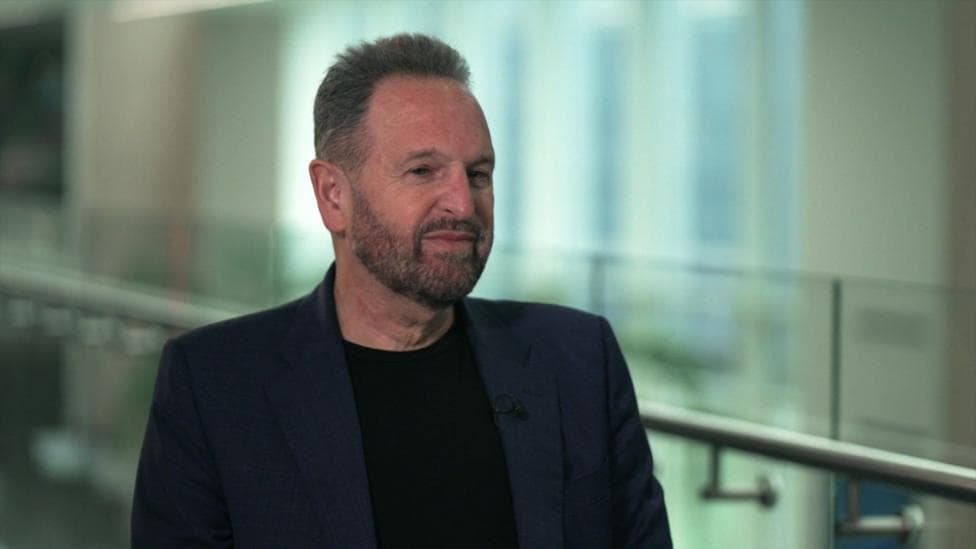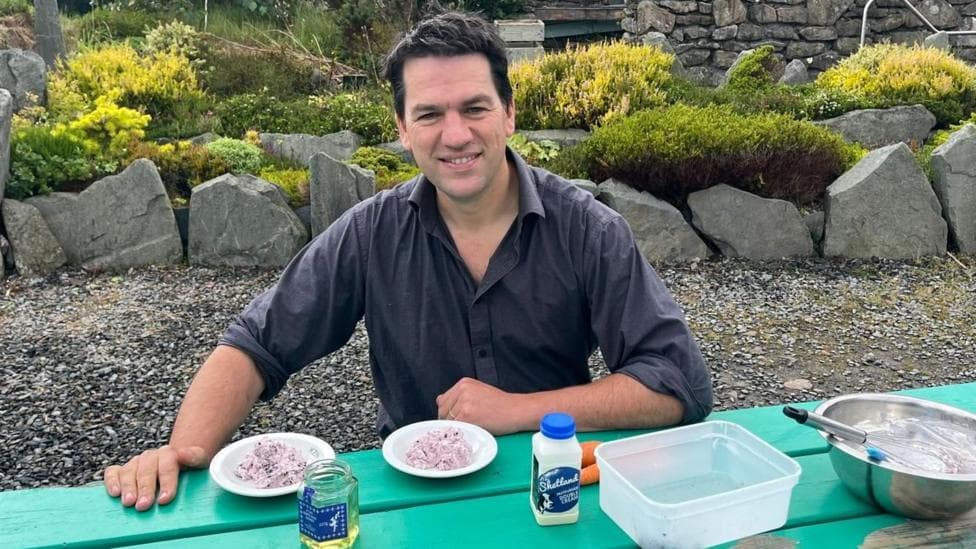
Dr Alex Armitage, a consultant paediatrician and Scottish Greens councillor, is undertaking an ambitious month-long experiment to survive on nothing but food produced within Shetland during September. The challenge, now in its third year according to local reporting, forms part of Shetland Food Month and raises questions about whether island communities could sustain themselves if regular supply chains were disrupted.
Armitage grew up in London hearing stories of his grandmother's childhood in Shetland, an archipelago situated more than 100 miles north of the Scottish mainland. He became fascinated by how inhabitants historically managed to survive in such a remote location. Today, the islands depend heavily on regular ferry deliveries from Aberdeen via Northlink, with supermarket shelves stocked primarily through this transportation route. However, Armitage worries that increasingly severe weather could interrupt these deliveries for extended periods, potentially leaving the community without adequate food supplies.
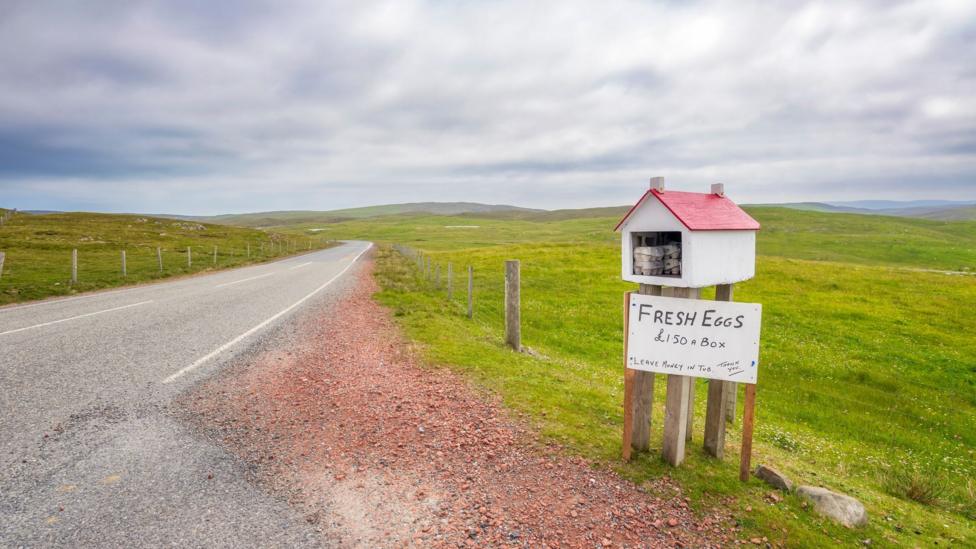
The motivation behind his experiment stems from a specific concern about food security.
If we had a week the ferry doesn't come to Shetland and Tesco runs out of food, what would happen if that happened for longer and we really had to survive by ourselves here,he explained.
It got me thinking could people actually survive on Shetland produce? I thought I would live out that thought experiment.
Armitage has adopted a varied approach to sourcing his meals. He has ventured out in his kayak to catch fish, foraged for mushrooms and berries across the islands, and collected vegetables from his neighbour's croft. According to local reporting from early September, he has also begun making his own butter from Shetland Dairy cream and is attempting to grow oats in his backyard. Most of his produce has been donated by community members, though he purchases Shetland milk and cream from local shops.

What does a typical day of eating look like?
Armitage favours starting each morning with a substantial breakfast featuring eggs, fish and vegetables prepared in Shetland butter.
This morning I made Eggs Florentine with some eggs people have donated,he noted.
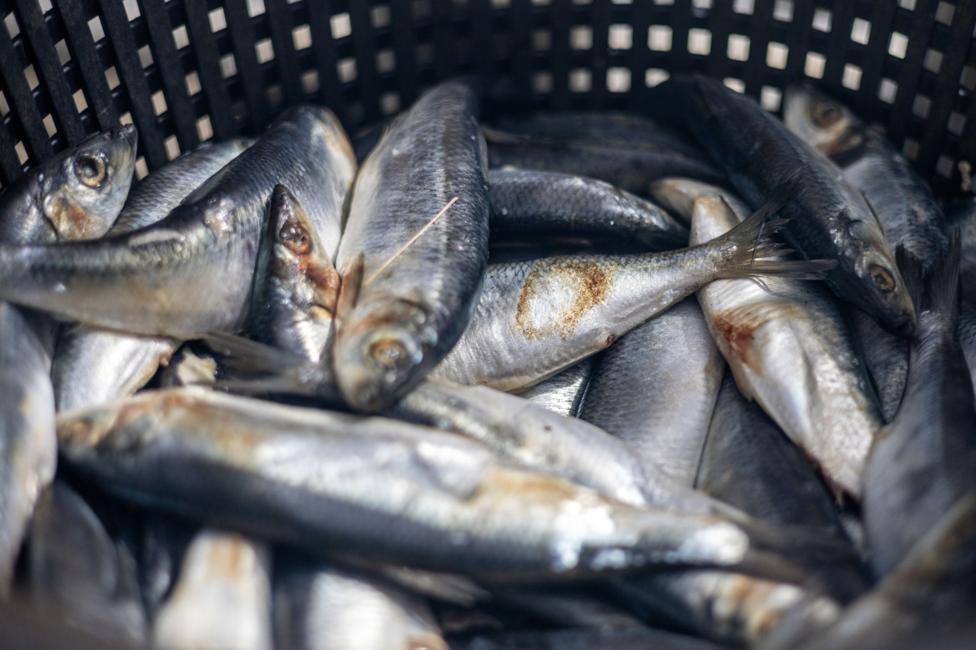
I've also got a big shipment of herring which is a wonderful and a very traditional Shetland fish to fry.
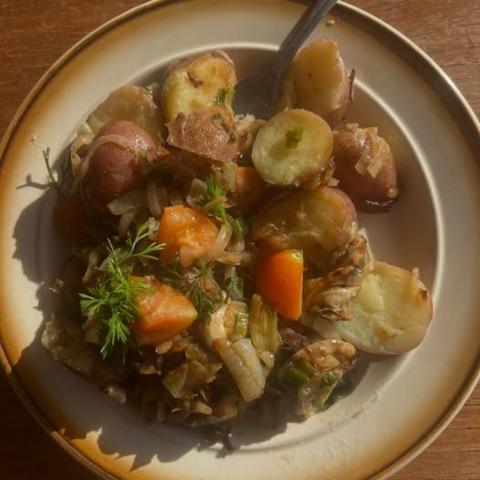
Potatoes form a cornerstone of his diet.
Shetland tatties are very plentiful and very available. Shetland tatties are my favourite source of carbohydrate without a shadow of a doubt. Getting other sources of carbohydrates is extremely difficult.He has incorporated locally foraged ingredients into his meals, describing how he has gathered mushrooms from Burra and blackberries from lanes in Lerwick. His meals showcase the diversity available from island producers, combining boiled potatoes with onions, tomatoes and coriander, all prepared with Shetland butter and wild mushrooms.

What is he missing most?
The most significant challenge Armitage faces is the absence of caffeine.
It's got to be caffeine,he said when asked what he missed most.
Fortunately I've got over the caffeine withdrawals. They were really hard, about three days. It's not pleasant, you just have a constant headache all the time.Beyond caffeine, certain items simply cannot be produced in Shetland's cool climate, creating inherent limitations to what the islands can sustain independently.
Why does this challenge matter?
While Armitage describes the endeavour as an enjoyable activity, he emphasises its deeper significance as a reminder of how fragile food security can be in island communities.
I like to use the opportunity of the Shetland Food Month to look deeper behind some of the stories about our food in Shetland,he stated. His experiment highlights the vulnerability of supply chains that depend on regular ferry services and raises awareness about what would occur if those services were interrupted for extended periods.
The challenge also connects to broader concerns about food resilience across the UK. Similar initiatives, such as a Norwich charity's £3-a-day food challenge, have drawn attention to food insecurity affecting millions of UK households. Armitage's month-long experiment serves as a practical exploration of self-sufficiency and the realities of living within local food systems, demonstrating both the possibilities and constraints of island-based food production.
Key Facts
- Dr Alex Armitage is a consultant paediatrician and Scottish Greens councillor participating in his third consecutive year of this challenge
- Shetland relies on regular NorthLink ferry deliveries from Aberdeen for most of its food supply
- Armitage sources food through kayak fishing, foraging, donations from community members, and local purchases of dairy products
- Potatoes are the primary carbohydrate source available locally, with other carbohydrate options extremely limited
- The challenge continues throughout September 2026 as part of Shetland Food Month