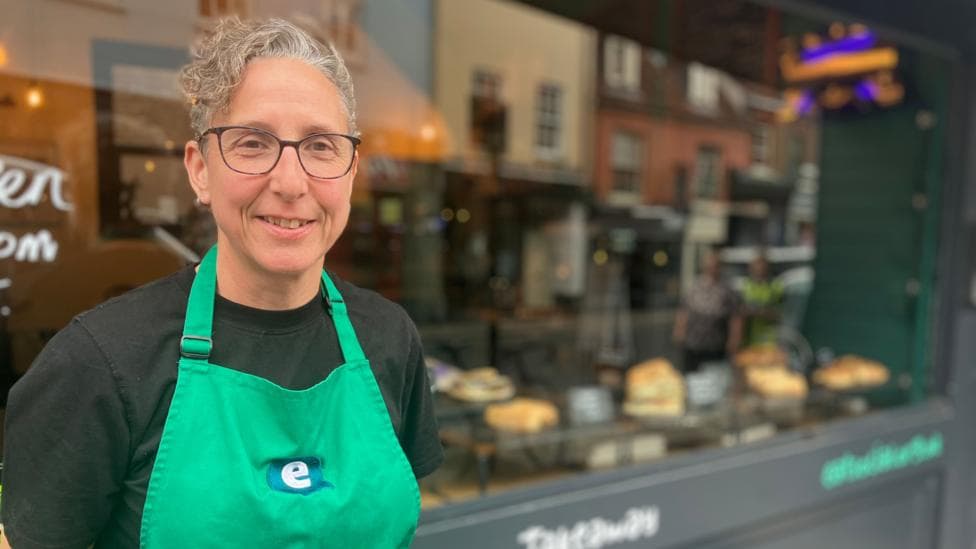
A Norwich-based sandwich shop is inviting the public to spend just £3 on food for two days to understand the reality of living with food insecurity. Eat Social, which operates a café on Wensum Street, is launching the £3 Challenge from 16 to 18 October 2026, asking participants to donate the money they would normally spend on food to support families in need.
The campaign responds to alarming figures on household food poverty. According to the Food Foundation's July 2026 report, 6.5 million adults and 2.2 million children across the UK live in food-insecure households, with families with children disproportionately affected.
Lisa Vincent, founder of Eat Social, established the community interest company after learning of children in West Earlham, Norwich, presenting with malnutrition-related illnesses, including bowed legs caused by nutritional deficiency. She describes the current situation as unacceptable and hopes the challenge will build public understanding of the daily struggle faced by those living in poverty.
Why is the £3 budget significant?
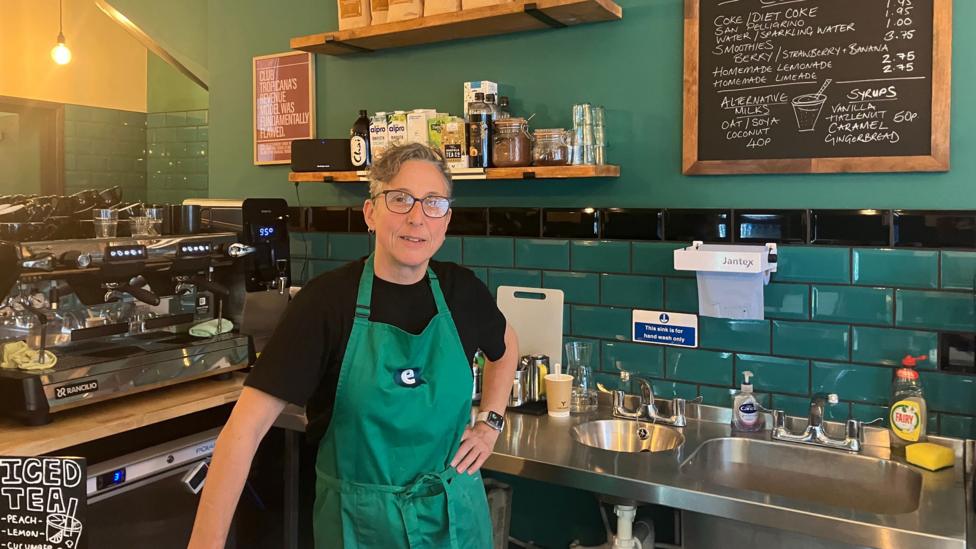
The daily amount reflects what research shows the lowest-income households actually spend on food. Vincent based the challenge on evidence that families with the fewest resources allocate approximately £20 to £25 per person per week for food and non-alcoholic drinks, which equates to roughly £3 daily. Eat Social's guidance notes that households can combine budgets, meaning a family of four would have £12 per day to share.
Vincent explained that surviving on this amount means accepting a monotonous, uninspiring diet that fails to provide adequate nutrition.
Living off £3 of food a day is going to be very boring, bland and probably not very nutritious. It is just about satiating hunger in the immediate moment.She emphasised that food insecurity extends beyond simple hunger, encompassing poor nutrition and the psychological toll of uncertainty about future meals.

What impact does malnutrition have on children?
Vincent stressed that the consequences of childhood malnutrition are irreversible and far-reaching. Poor nutrition during formative years damages both brain development and physical growth, deficits that cannot be recovered even if diet improves later.
Poor nutrition in childhood affects brain development and physical development, and you can't get that back. Once that development's been hampered, you could have a brilliant diet, but you are not getting that back.
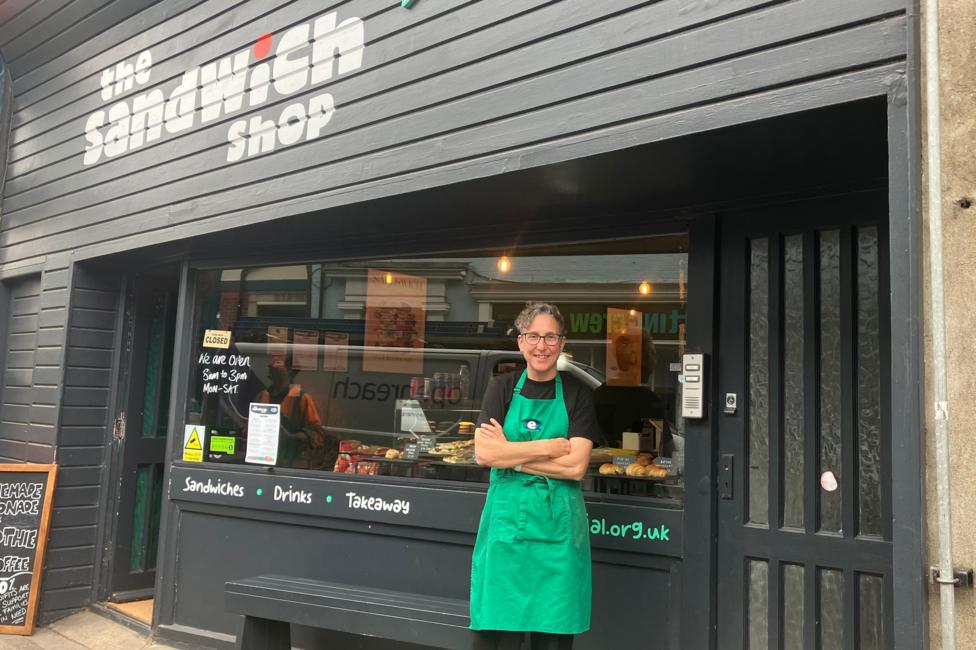
This concern prompted Vincent to launch The Sandwich Shop three months ago as a fundraising vehicle. The social enterprise directs 100% of its profits to Eat Social's community meals programme, which delivers nutritious meals to groups in schools across Norwich. The University of East Anglia has supported Eat Social's work through nutrition research, recognising the initiative's evidence-based approach to addressing food poverty.
How are food prices affecting families?
Rising food costs continue to squeeze household budgets, with particular concern about further increases following this summer's extreme weather, which damaged crop yields. Climate change poses additional risks to food affordability and availability in coming years.

Hannah Worsley, project manager for Norwich Food Bank, observed that families have already exhausted many coping strategies since the cost-of-living crisis began.
Several years ago the problem people were facing was a one-off thing, like losing a job, which was then resolved and people would be back on their feet able to cope again. Now, we're seeing people who've made cuts maybe eating less or not using certain facilities like their cooker or their washing machine and it's still not enough to live on.She hopes the £3 Challenge will foster empathy and understanding among those who have not experienced food insecurity directly.
How can people participate and what are the fundraising targets?
Eat Social's sign-up page for the £3 Challenge encourages participants to raise at least £100 each, with all funds directed to the community meals project. Participants are asked to document their experience living on the budget and to donate what they would normally have spent on food during the challenge period.
The government has previously acknowledged that food insecurity levels in the UK are unacceptable and stated it is taking action to reduce prices of essential goods, improve access to nutritious food, and has expanded free school meals provision. However, advocates argue that more targeted support is needed to address the scale of the problem.
Key Facts
- The £3 Challenge runs from 16 to 18 October 2026 and asks participants to live on £3 per person per day for food and drinks
- 6.5 million adults and 2.2 million children in the UK live in food-insecure households, according to the Food Foundation's July 2026 report
- Eat Social's Sandwich Shop on Wensum Street, Norwich, directs all profits to community meals programmes supporting families experiencing food poverty
- Malnutrition in childhood causes permanent damage to brain and physical development that cannot be reversed by improved diet later in life
- Participants are encouraged to donate at least £100 to support Eat Social's community meals initiative