

Scotland has recorded its first confirmed case of bluetongue virus serotype 3 (BTV3), a potentially fatal disease affecting ruminants, after an animal on a farm in Dumfries and Galloway tested positive last week. The animal was euthanised on welfare grounds, and the Scottish government has placed restrictions on the farm while further testing takes place. The case forms part of a wider UK outbreak that has now reached 289 confirmed infections during the 2026/27 season, the majority concentrated in south-west England.
What is bluetongue and how does it spread?
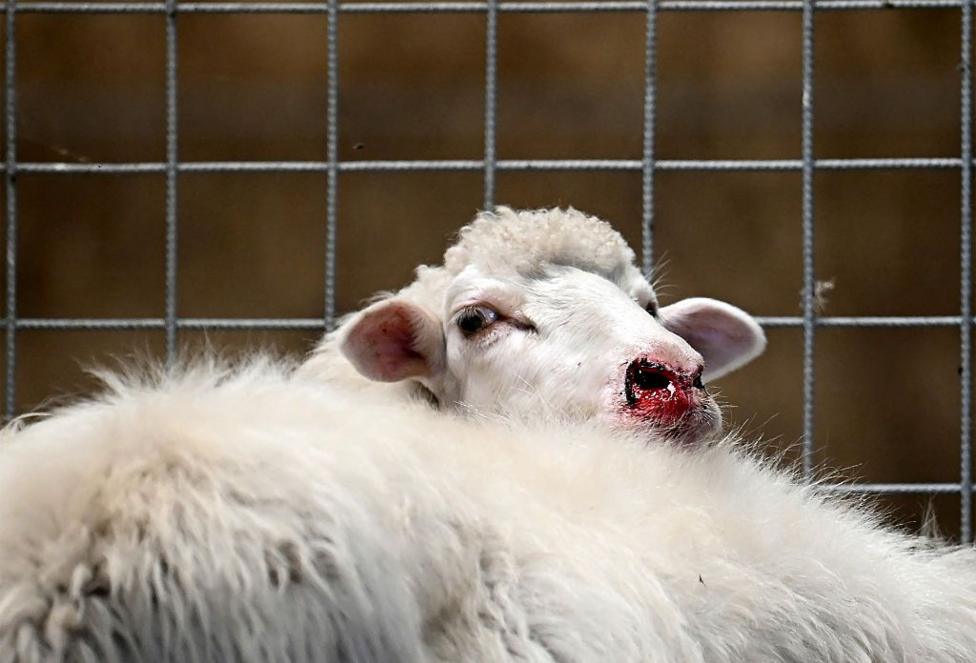
Bluetongue is a viral disease that typically affects cattle, sheep and goats, and is carried between animals primarily by biting midges. According to Scottish government guidance, the virus can also spread through infected animals themselves, as well as via semen, ova and embryos, meaning transmission is not limited to insect activity alone, according to Scottish government guidance. Infected cattle can display nasal discharge, swelling and redness around the lips, nose and muzzle, lameness or reluctance to stand, reduced milk yield and diarrhoea. The virus poses no risk to human health or food safety, but it can cause high mortality among infected sheep and fertility complications in cattle.
How did Scotland detect this case?
The infected animal, located on a farm near Creetown in Dumfries and Galloway, was tested for BTV3 after showing symptoms consistent with the disease, according to the UK government. It has not been confirmed what species of animal was affected. The Scottish Farmer reported that the farm involved is situated close to Creetown. Because bluetongue is a notifiable disease, the case had to be reported to the Animal and Plant Health Agency in Scotland, which is now working alongside government officials to determine how the animal became infected.
According to official UK government figures, the case was formally confirmed on 8 August 2026, and epidemiological investigations are continuing to establish the likely source of the infection. Notably, separate Scottish government leaflet guidance has stated that there were previously no positive BTV3-infected animals identified in Scotland, underlining the significance of this newly confirmed case.
What are officials doing in response?
Scotland's chief veterinary officer, Sheila Voas, said it remains too early to determine whether the virus is now circulating more widely within the country or whether this represents an isolated incident.

"At this stage it is not possible to know if bluetongue is circulating in Scotland, or whether this is an individual case."
"The farm is under restriction while investigations, including testing other susceptible animals, are ongoing."
"Vaccination remains the best way of preventing disease in animals and I encourage all farmers to discuss this with their vets."
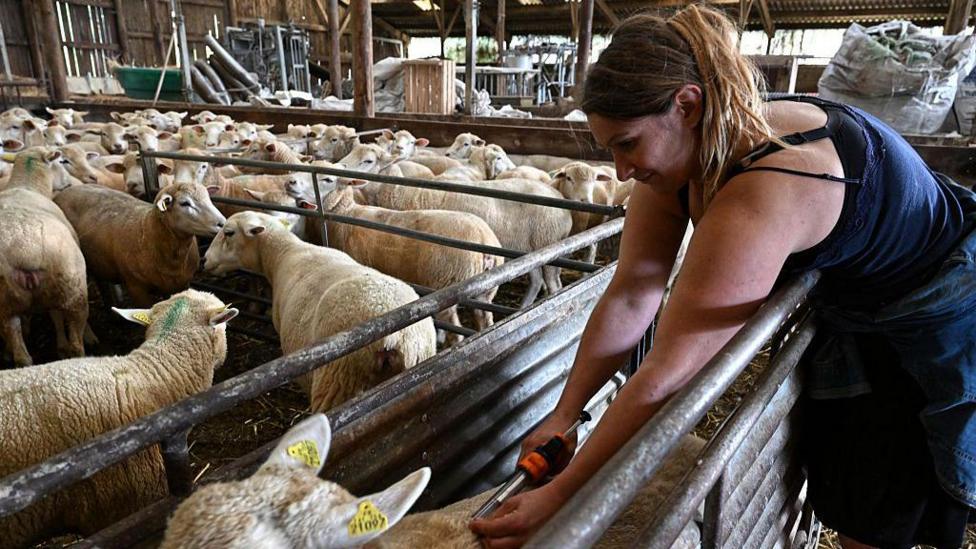
NFU Scotland has echoed calls for vaccination, particularly urging farmers in the south of the country to protect susceptible livestock. A spokesperson for the organisation said swift government action was essential to contain any potential spread.
"It is important that the Scottish government takes swift and effective steps to ascertain the scale and likely source of infection and, if necessary, puts appropriate controls in place to prevent spread outwith the local area through animal movements."
"This could include establishing appropriate disease control zones, movement controls and robust surveillance and testing."
How does this fit into the wider UK outbreak?
Of the 289 BTV3 cases recorded across the UK this season, official data shows 283 were in England, five in Wales and just one in Scotland, according to government figures. A sharp rise in cases across south-west England has been attributed to unusually hot and humid weather, which the Animal and Plant Health Agency says has created favourable breeding conditions for the midges that transmit the virus.
The current outbreak echoes concerns raised earlier this year by farmers further south. In an earlier account from a Devon farmer, bluetongue was described as having left her feeling isolated as the disease spread through her flock, with 92 positive cases recorded in England by the end of July 2026.
What is the history of BTV3 in Great Britain?
Bluetongue serotype 3 was first detected in Great Britain on 10 November 2023, with the initial case disclosed on a farm near Canterbury in Kent, according to a government epidemiology report. Since then, the virus has continued to spread across parts of England, with the case in Dumfries and Galloway marking its first confirmed appearance north of the border. Scottish rules currently require animals moving from a restricted zone into Scotland to undergo PCR or ELISA testing, with samples taken within seven calendar days of the move, according to Scottish government movement guidance.
What happens next?
No further public announcements, hearings or scheduled decisions have yet been identified regarding the Scottish case, and the latest official update simply confirms that epidemiological investigations remain ongoing, according to government guidance. Authorities have not indicated when results of the wider testing on the affected farm, or any conclusions about the source of infection, are expected to be released.
Key Facts
- Scotland's first confirmed BTV3 case was detected on a farm near Creetown, Dumfries and Galloway, and confirmed on 8 August 2026.
- The infected animal was euthanised on welfare grounds; the farm remains under restriction pending further testing.
- The UK has recorded 289 BTV3 cases this season: 283 in England, five in Wales and one in Scotland.
- BTV3 was first detected in Great Britain near Canterbury, Kent, on 10 November 2023.
- The virus poses no risk to human health or food safety but can be fatal in sheep and cause fertility issues in cattle.


