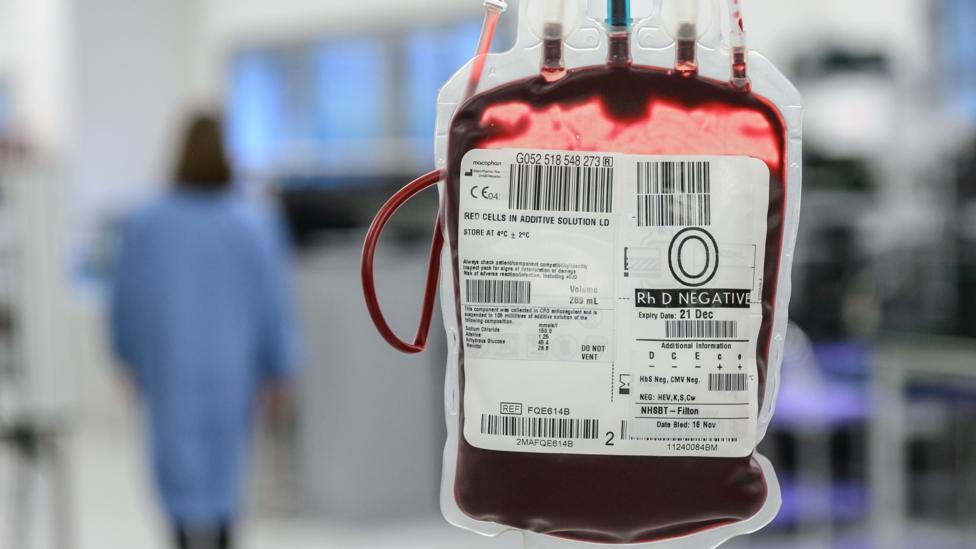
Scotland's blood supply has fallen to unprecedented low levels, prompting the Scottish National Blood Transfusion Service (SNBTS) to activate an amber alert for the first time. According to BBC News, the alert came into effect on 10 November 2026 and has been distributed to hospitals across the country, instructing medical staff to restrict the use of Type O blood to essential cases only.
The shortage stems from a significant decline in blood donors over the past decade. SNBTS reported a 24% drop in donor numbers—approximately 30,000 people—over the ten-year period, with particular difficulty in recruiting younger donors. The service has struggled to maintain adequate stockpiles as demand from hospitals remains constant, with facilities requiring around 135,000 units of blood annually to treat patients.
On 10 November, stock levels had reached critically low points across multiple blood groups. SNBTS data showed B-negative blood at just one day's supply, A-positive at two days, and both O-positive and O-negative at three days each. The service aims to maintain a buffer of 5 to 7 days' supply for all blood groups, making these figures a significant shortfall.
Type O blood carries particular importance in emergency medicine. O-negative serves as a universal donor suitable for any patient, while O-positive is the most common blood type in the UK, present in approximately 35% of the population. Group O stocks have dipped below the two-day mark on several recent occasions, creating vulnerability in the transfusion system.
Why are donor numbers falling?
Currently, only about 2% of Scotland's population are registered blood donors, with most giving blood once annually. Debbie McNaughton, director of donor and transport services at SNBTS, told Radio Scotland Breakfast that increasing donation frequency could significantly improve supply resilience.
If they could be donating maybe twice or three times a year, that would hugely help to provide resilience for the blood supply,she said, urging anyone aged 17 or over in good health to register.
The five national donor centres in Aberdeen, Dundee, Edinburgh, Glasgow and Inverness operate with an average occupancy of just 85%, despite needing to be fully booked year-round. SNBTS indicated that approximately 3,385 donation appointments must be filled each week to meet demand, with particular emphasis on recruiting O-negative and O-positive donors.
Recent staffing disruptions and adverse weather have compounded the shortage. Dr Lorna McLintock, SNBTS medical director, noted that winter presents particular challenges due to seasonal illness, holiday-season activities and reduced daylight hours affecting donation session attendance. Blood supplies had faced mounting pressure throughout autumn 2026, with seasonal illness, the academic term start and increased hospital demand all contributing to the strain. Additionally, donated blood has a shelf life of only 35 days, requiring continuous replenishment.
How will the amber alert affect patient care?
The alert will trigger new protocols in hospitals designed to minimise non-essential use of Type O blood. However, emergency operations, blood transfusions, transplants and cancer surgeries will continue without restriction, ensuring that critical treatments remain unaffected. The alert has been issued for an initial period of 4 to 6 weeks but will be kept under close review and adjusted as circumstances change.
What happens next?
SNBTS has made appointments available for booking through the New Year period, with the amber alert status subject to ongoing review. The service is urging the public to register as donors and book appointments at the five national centres to help restore supply levels to safe operating thresholds.
Key Facts:
- The amber alert is the first of its kind for SNBTS and took effect on 10 November 2026
- Blood donor numbers have fallen by 24% over the past decade, with approximately 30,000 fewer donors
- Only 2% of Scotland's population are currently registered blood donors
- Hospitals require approximately 135,000 units of blood annually, with 3,385 appointments needing to be filled each week
- The alert is initially set for 4 to 6 weeks and will be kept under review