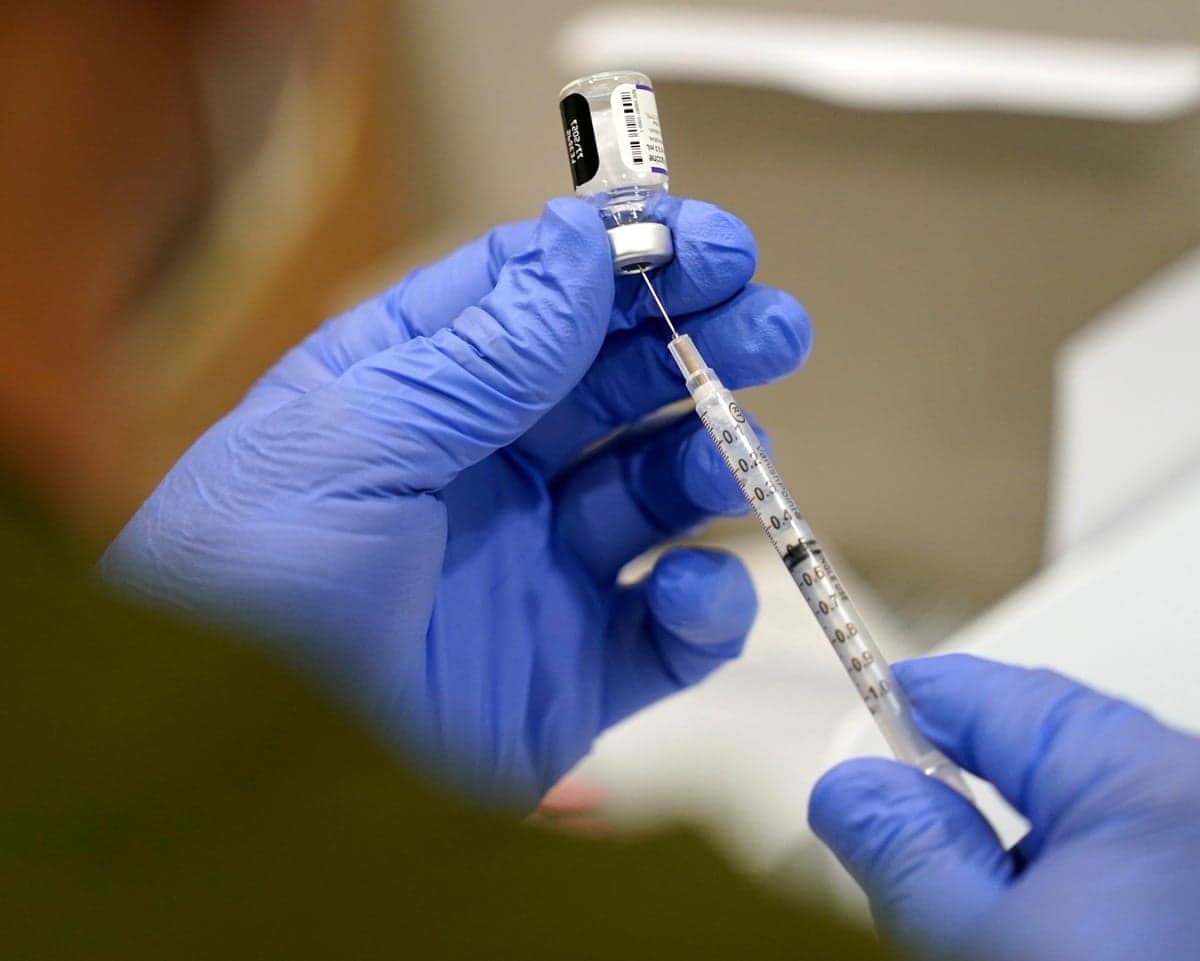
The Scottish government has initiated a comprehensive national review examining whether in-vitro fertilisation treatment funded by the NHS should be made available to single women, alongside consideration of expanded eligibility for couples where one or both partners have children from previous relationships.
The inquiry, to be conducted by the National Fertility Group, will deliver its findings and recommendations by early summer 2027. Health Secretary Angela Constance stated:
Access to NHS IVF treatment should be fair, timely and reflect the way people's lives and families look today.
The review has generated cautious optimism among campaigners and certain medical professionals, though some healthcare experts have raised concerns about whether broadening IVF eligibility represents the most effective use of resources within an already financially constrained NHS system.
The current eligibility landscape in Scotland
Single women in Scotland currently face a significant barrier to NHS-funded fertility treatment. Unlike England, where single women can access IVF on the NHS (though eligibility criteria vary by local health trust), Scotland remains the only UK nation where single women are not eligible for NHS IVF treatment. To qualify for treatment, couples must demonstrate they have been in a stable relationship for at least two years, with neither partner having undergone sterilisation. Couples where one partner has a child from a previous relationship may access treatment, but eligibility is withdrawn if both partners already have children. Additional requirements include a body mass index between 18.5 and 30, abstinence from smoking and recreational drugs during treatment, and the female partner must be under 42 years old.
Same-sex female couples already have access to NHS IVF, though they frequently encounter extended waiting periods, particularly when donor eggs or sperm are required. The review will also examine consistency of access to fertility preservation—such as egg freezing during cancer treatment—and strategies to reduce waiting times for donor gametes.
One woman's journey to private treatment
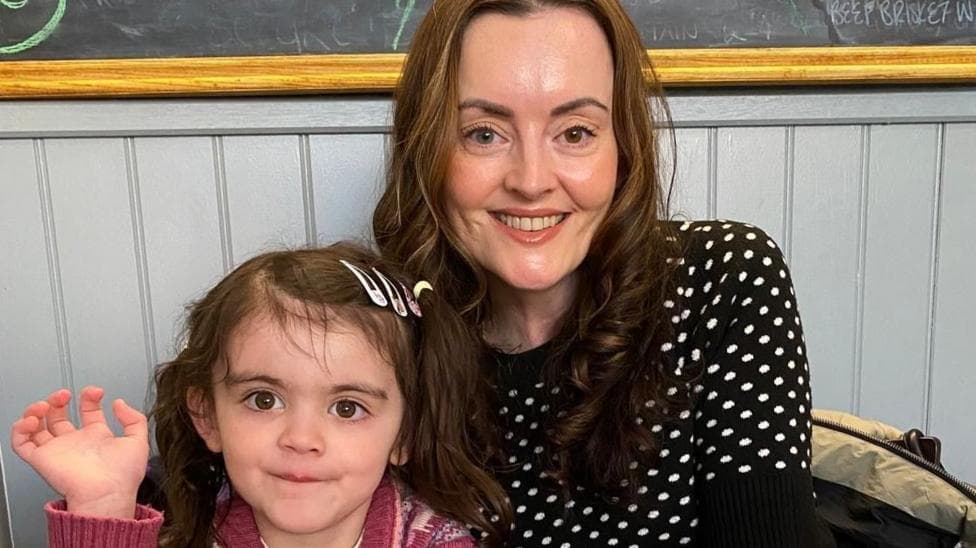
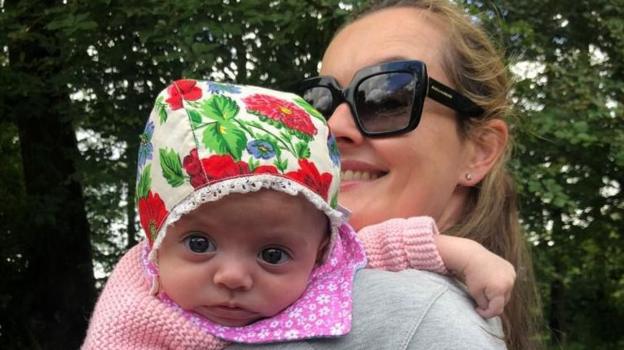
Maeve MacKinnon from Glasgow experienced firsthand the impact of current eligibility restrictions. At 38 years old, she had secured a position on the NHS IVF waiting list when her relationship with her male partner ended. When she requested permission to remain on the list as a single woman, her consultant declined, citing the policy that precludes solo parents from continuing treatment.
MacKinnon described the rejection as emotionally devastating:
I was kind of expecting it because I knew what the policy was, but it was still a punch to the gut.She characterised the policy as
enormously unfairand discriminatory, noting the contradiction between Scotland's progressive stance on same-sex relationships and its exclusion of single women.
Unable to access NHS treatment, MacKinnon borrowed over £7,000 to pursue private IVF. She now has a four-year-old daughter named Màili. Despite the financial burden, she expressed satisfaction with her decision:
My life is so much richer for having her than I could ever possibly have imagined, and actually I probably wouldn't change the way I did it, as difficult as it was. At least I'm the one making decisions on behalf of my child and I'm not having the experience of other women I know, who are having disputes over custody or child support payments.
MacKinnon advocates strongly for removing single status as a barrier to parenthood, observing:
I know so many women who have started off with husbands or partners who have ended up splitting up, or have partners who are not actually involved in the child's life anyway.

The scale of fertility treatment in Scotland
Data from the UK's fertility regulator, the Human Fertilisation and Embryology Authority, reveals that Scotland occupies a distinctive position within the United Kingdom. The nation is the only UK country where NHS-funded cycles of IVF exceed privately funded cycles—a distinction partly attributable to lower private treatment affordability across the Scottish population.
In 2024, fertility clinics in Scotland completed more than 6,000 cycles of treatment involving over 4,000 patients, representing a slight decline from record numbers achieved in 2022. The demographic composition of those seeking treatment has shifted markedly over the past two decades, with substantial increases in both same-sex female couples and single women pursuing fertility services.
Statistics from 2024 demonstrate this trend: 625 IVF cycles were performed on women in same-sex couples, with over one-third funded by the NHS. By contrast, 330 cycles involved single women, yet only 50 received NHS funding—representing just 15 percent of treatment for this group. This disparity underscores the current policy's practical impact on access.
Medical perspectives on resource allocation
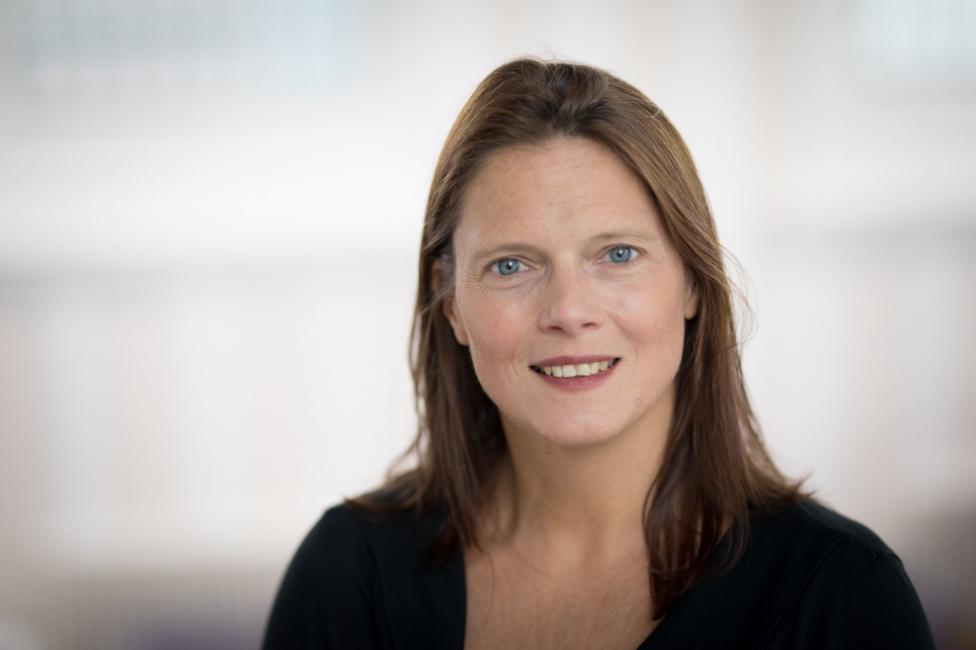
Professor Sarah Martins Da Silva, an NHS consultant and chair of fertility medicine at Dundee University, acknowledged the tension between expanding eligibility and managing finite healthcare resources. She stated:
As a fertility specialist I'm never going to be disappointed if the criteria is widened. But with single people, as an NHS clinician looking at the competing demands we have, I'd ask the question about whether being single is a health condition that needs to be funded.
Da Silva highlighted the predicament facing couples requiring donor gametes due to medical conditions including cancer, who currently experience substantial waiting times. She cautioned:
It's slightly a disservice to them. There would need to be a real investment and resource without making everybody wait an extraordinary long time. With the current financial environment we work in, if you're talking about new money, where would that come from?
However, Da Silva expressed support for measures encouraging increased egg and sperm donation. She rejected arguments that children necessarily require two parents as central to the policy debate, noting:
On the one hand bringing up a child is quite an expensive process, and if you don't have that support, it can be very difficult. But on the other hand, many people start off as a couple and divorce.She welcomed the review's inclusion of couples with existing children, describing it as
fantastic.
Related policy context
The review's scope extends beyond single women and blended families. The National Fertility Group will produce costed, demand-modelled recommendations addressing multiple dimensions of fertility access. The inquiry will involve fertility specialists from all four of Scotland's NHS-assisted conception units located in Glasgow, Edinburgh, Aberdeen, and Dundee, ensuring comprehensive clinical input.
This examination occurs within a broader context of evolving fertility policy across the UK. Young cancer survivors have increasingly highlighted gaps in fertility preservation funding, with some facing substantial out-of-pocket costs for egg freezing when NHS provision is unavailable. Additionally, surrogacy law reform discussions have intensified as demand for alternative family-building pathways continues to rise, reflecting changing attitudes toward diverse family structures.
What happens next
The National Fertility Group is scheduled to report its findings by early summer 2027, providing the Scottish government with evidence-based recommendations on how to balance expanded access with resource constraints. The review's conclusions will likely shape fertility policy across Scotland for years to come, potentially affecting thousands of women currently ineligible for NHS treatment.