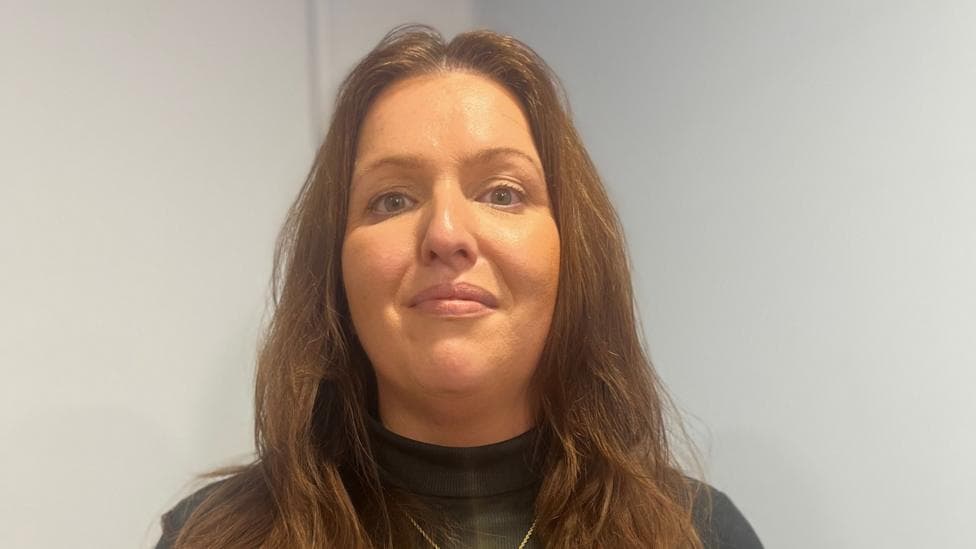
Colleen Crothers endured chronic endometriosis pain for decades before finally receiving surgical treatment, but she arrived at the operating theatre just weeks after a transformative piece of technology had arrived at her hospital. According to BBC News, the Da Vinci robotic surgical system is now performing complex gynaecological procedures at Belfast City Hospital, marking the first such installation on the island of Ireland. Crothers hopes that women following in her footsteps will not face the same lengthy delays she endured.
"Robotic surgery came too late for me,"Crothers said.
"I hope other women won't have to wait as long."
The Da Vinci system represents a significant advancement for female patients across Northern Ireland. Operated by trained surgeons, the robot's articulated wrists can rotate and manoeuvre within confined pelvic spaces with greater precision than the human hand, as the mechanical arms remain steadier during intricate surgical procedures. Belfast's installation is among only a handful across the United Kingdom and represents an all-island first.
The arrival of this technology comes at a critical moment for gynaecological services in the region. Complex endometriosis cases have historically faced substantial waiting periods, with patients previously experiencing average delays of approximately seven years for procedures involving multiple specialities. These extended waits have had profound consequences for women's physical wellbeing, mental health, and reproductive prospects. According to evidence presented to the Northern Ireland Assembly in February 2026, urgent gynaecology outpatient waits fell from 36 months in April 2025 to 14 months by January 2026, while routine waits decreased from 40 to 34 months over the same period. For endometriosis specifically, urgent outpatient waits dropped from eight months to no wait, with routine waits falling from 11 months to eight months.
How did Colleen's condition develop?
Crothers first experienced chronic period pain at age 14, but the medical system failed to identify her underlying condition for more than two decades. It was not until she reached her mid-30s that she was referred to gynaecology services, where a scan finally confirmed she had both adenomyosis and endometriosis—conditions in which tissue similar to the womb lining grows in abnormal locations throughout the pelvis and beyond.
"I missed out so much of family life due to daily pain - pain that went on for years,"she reflected.
"I can't have children - I have had to have a hysterectomy and I'm in early menopause. To be told you can't have children is hard to swallow."
The symptoms that plagued her for years included heavy bleeding, severe cramping, acute pelvic pain, and tissue that had grown and become trapped in incorrect anatomical locations. The condition deteriorated to the point where a night in the emergency department—during which she was screaming in agony—prompted her consultant to recommend surgery without delay. In June, she underwent a procedure that included a hysterectomy and a full bowel shave to attempt removal of endometriosis tissue that had attached her womb to her bowel. She described the pain as feeling like being stabbed repeatedly in the stomach, a sensation that surgery has now largely relieved.
Crothers narrowly missed the opportunity to benefit from the Da Vinci system, which arrived at Belfast City Hospital in May. An urgent case, she had been scheduled for conventional surgery just weeks before the robot became operational. Yet she recognises the profound implications for those who come after her.
"This type of technology is fantastic and it's amazing that it is now here. If anything like that can help another woman, I'm happy she won't have to suffer like I have."
What is the Da Vinci system and how does it work?
The Da Vinci 5 system features multiple towering robotic arms that hover over the patient during surgery. While human surgeons remain present in the operating theatre, the technology provides a digital enhancement to their capabilities, enabling incisions that are more precise and less invasive than those achievable through conventional open or laparoscopic surgery. The robot's steady mechanical wrists can twist and turn in tight pelvic spaces, making it particularly suited to the complex anatomy involved in treating advanced endometriosis.
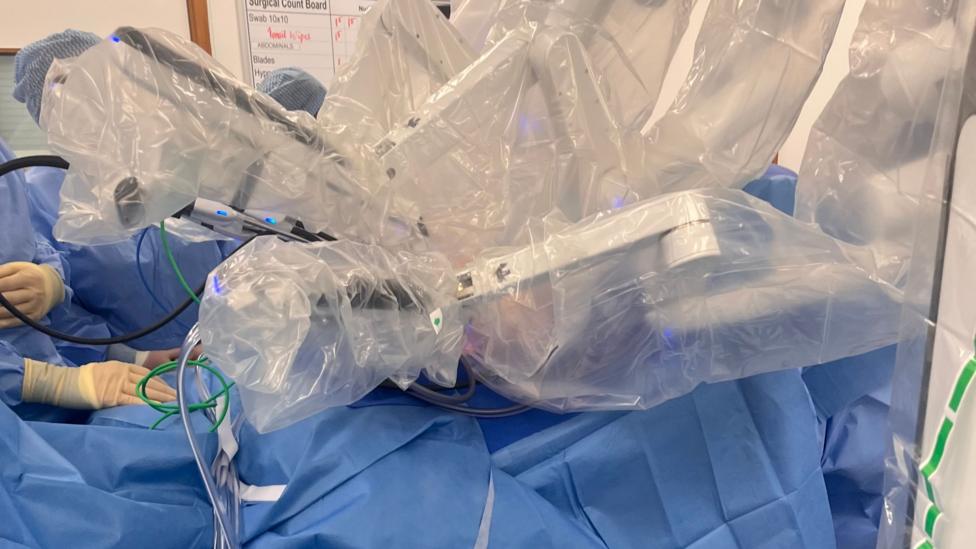
Since its installation, the Da Vinci has performed 130 surgical procedures, with 105 of those focusing on women with complex endometriosis. Four consultant surgeons have completed training to operate the system, allowing the hospital to prioritise complex gynaecology cases without them being displaced when other surgical emergencies, including cancer cases, arise.
What do surgeons say about the technology?
Dr Hans Nagar, a consultant gynaecological surgeon and oncologist, is among the four surgeons trained to operate the Da Vinci. He emphasised that women with complex endometriosis had previously received inadequate care in Northern Ireland.
"They require complex surgery involving different specialists and now Da Vinci lets us do that,"Nagar said.
"It will take some time to bed in but I believe it will make a big difference and there will be other robots going elsewhere in Northern Ireland. That encourages young staff to either stay or to return after a time in Canada, Australia, the UK and the Republic of Ireland."
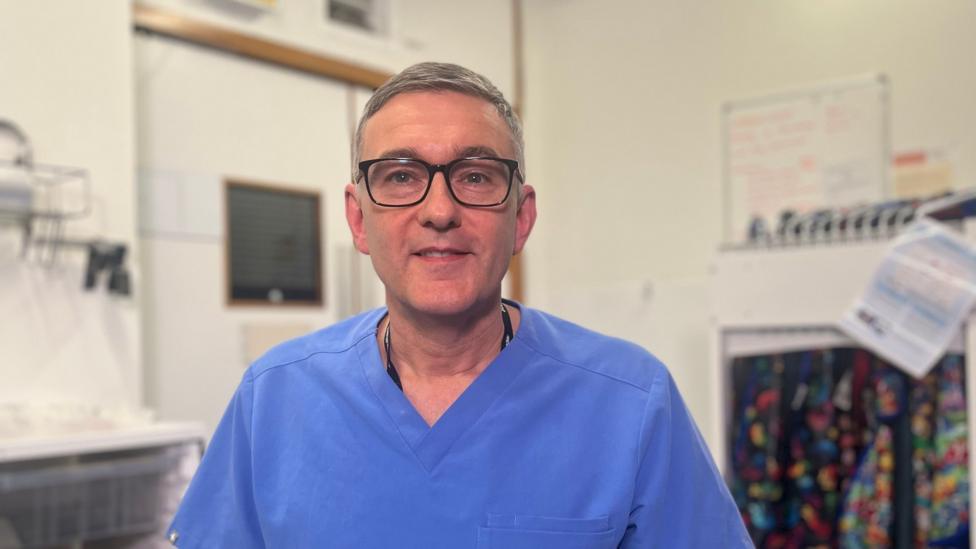
Nagar expressed gratitude to those whose charitable donations funded the £2.4 million purchase of the system.
"I want to say thank you to everyone who donated to all the patients, their families, including those who have lost a loved one - their donations are helping others, and we all very grateful,"he said.
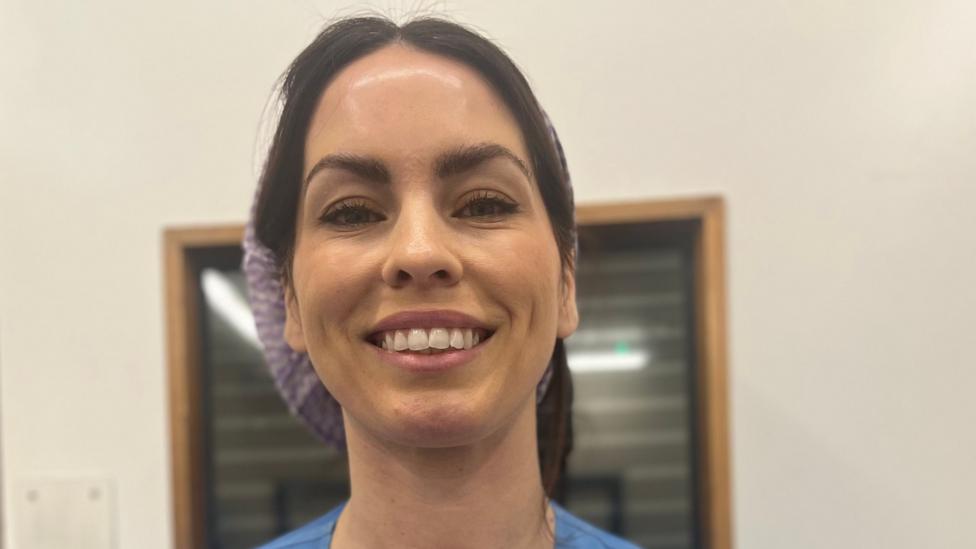
Theatre nurse Lauren Best highlighted the practical benefits the technology brings to patient recovery.
"I know how important it is for women to get back on their feet as quickly as possible and I am seeing that happen as Da Vinci means less scarring and quicker recovery time - that's good for patients,"she said.
What investment is being made in endometriosis services?
Beyond the robotic surgery capability, endometriosis services across Northern Ireland are receiving a substantial financial boost. Health Minister Robbie Butler was expected to announce an investment of £1.95 million to improve services, with £700,000 specifically allocated to two regional endometriosis centres located within Belfast City Hospital and Altnagelvin Area Hospital. These centres will develop specialist services for women with complex endometriosis problems. Each health trust will also receive £250,000 as part of a phased investment programme for women experiencing less complex symptoms.
Butler described the investment as marking an
"important milestone in efforts to improve women's health services"in Northern Ireland.
"By strengthening specialist and local services, reducing variation and expanding access to modern treatment options, it will help ensure more women receive the care they need, when they need it,"he said.
What is endometriosis and why is it a significant health issue?
Endometriosis is a condition in which tissue similar to the lining of the womb grows in other parts of the body, most commonly around the ovaries, fallopian tubes, and pelvis. The fundamental problem is that this misplaced tissue behaves exactly like womb lining but remains trapped in anatomically incorrect locations, causing pain, bleeding, and potential fertility complications.
The scale of the problem in Northern Ireland is substantial. According to evidence presented to the Northern Ireland Assembly in September 2025, more than 54,000 women were waiting for gynaecology outpatient services, with over 5,000 on inpatient and day-case waiting lists. The diagnostic delay has worsened significantly: the average time to receive an endometriosis diagnosis in Northern Ireland rose from eight years and six months in 2020 to nine years and five months in 2023.
This diagnostic delay mirrors broader patterns across the United Kingdom and beyond. One woman documented a 30-year struggle before finally receiving a diagnosis, highlighting how widespread delays and medical dismissals remain. Experts have urged improved training for healthcare professionals and the establishment of specialised care hubs to address these systemic failures.
What improvements are being seen in waiting times?
The introduction of the Da Vinci system and increased investment in endometriosis services are already producing measurable improvements in access to care. The reduction in urgent gynaecology outpatient waits from 36 months to 14 months within a single year demonstrates the potential impact of dedicated resources and advanced technology. For endometriosis patients specifically, the elimination of waiting times for urgent outpatient appointments represents a fundamental shift in how the health service prioritises these cases.
Beyond robotic surgery, new diagnostic approaches are also beginning to reduce the time to diagnosis. Two new non-invasive tests for endometriosis—a saliva genetic test and a gut electrical signal test—are becoming available via GPs, with the potential to significantly reduce the nine-year average diagnostic delay currently experienced across the UK.
How has Colleen's recovery progressed?
Four months after her surgery, Crothers has returned to work and resumed activities such as walking her dog. She reports that she is finally regaining her energy and sense of wellbeing. While she must now manage early menopause and come to terms with the knowledge that she will never become a mother, the elimination of chronic pain represents a transformative change in her quality of life.
"The outcome was good - my tummy feels lighter, and compared to before I am more or less pain free,"she said.
What happens next for endometriosis services?
Belfast Trust had set an ambitious target to reduce urgent gynaecology outpatient waits to 12 months by the end of March 2026, though available evidence does not confirm whether that specific goal was achieved. The installation of the Da Vinci system and the planned expansion of robotic surgery capacity across Northern Ireland suggest that further improvements in waiting times and surgical outcomes are anticipated in the coming months.