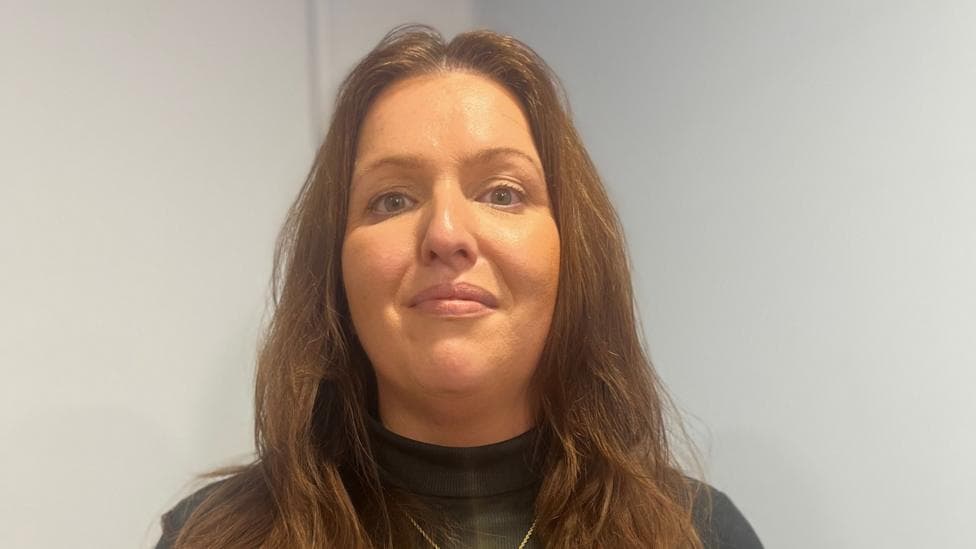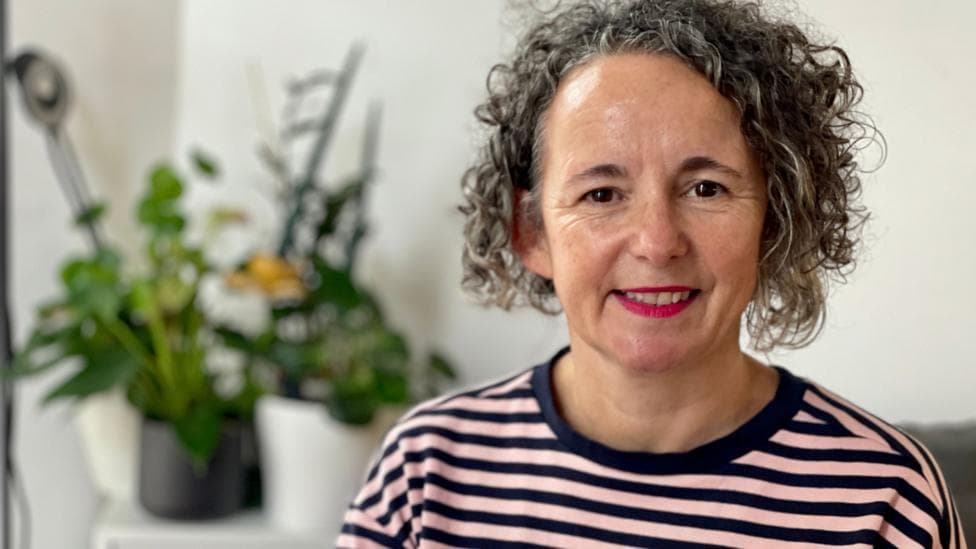
Rachel Bowman experienced an abrupt and severe menopause immediately after undergoing breast cancer treatment, a condition known as complex menopause that differs markedly from the natural transition most women experience. According to BBC News, the 46-year-old from Hove began her cancer treatment four years ago, but the medication triggered symptoms so intense that basic physical movement became a struggle.
I could barely move. I could barely stand up straight. It was terrible,Bowman recalled of her experience. The severity of her symptoms prompted her to seek specialist support, and she has since become an advocate for improved care for women facing similar challenges.
Complex menopause occurs when medical interventions such as chemotherapy, ovarian suppression and endocrine therapies trigger an abrupt hormonal shift, preventing the body from adapting gradually. This contrasts sharply with natural menopause, a gradual biological transition where hormone levels decline slowly over several years. The sudden nature of treatment-induced menopause typically results in more intense and harder-to-manage symptoms.
For Bowman, the onset was shockingly rapid.
I had an ovarian suppressant injection one day - the next day I was dealing with 20 to 30 hot flushes a day.She described the experience as overwhelming:
The onslaught of them was unbelievable and I was so not prepared for how I would feel and how horrific it would be.
What symptoms does complex menopause cause?
The condition produces a range of debilitating effects beyond hot flushes. Patients commonly experience sleep disturbances, joint pain, fatigue, low mood and changes to sexual health. These symptoms emerge suddenly and with greater severity than those associated with natural menopause, making them particularly challenging to manage without specialist support.
How is the new clinic supporting patients?
A pilot clinic has opened at the Royal Sussex County Hospital in Brighton to address the gap in aftercare for breast cancer survivors experiencing complex menopause. Dr Renske McFarlane, who leads the project, recognised that while the NHS excels at cancer screening, diagnosis and initial treatment, many women struggle with long-term effects that extend years beyond their primary care.
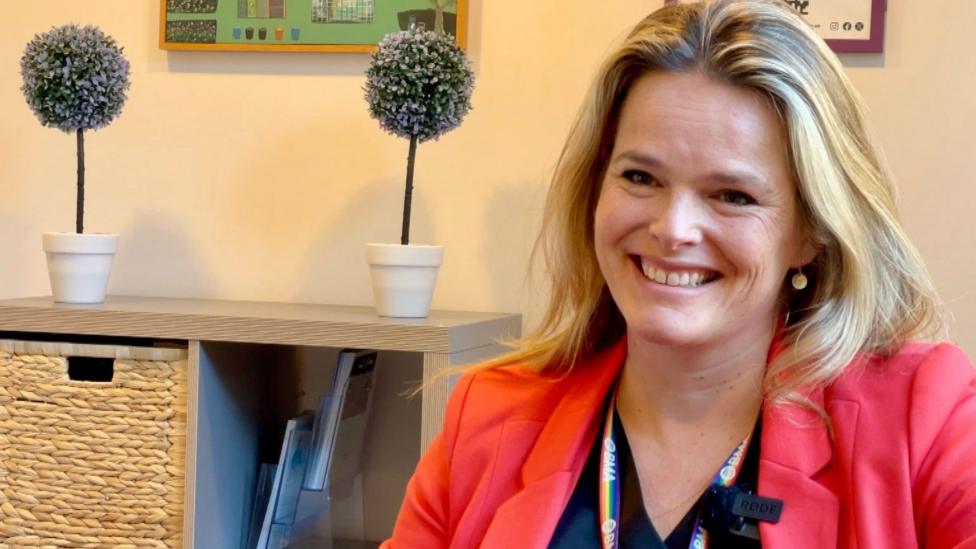
I felt we needed to do more to support women with that aftercare,Dr McFarlane explained.
Nationally, we're very good at screening, diagnosing cancers, operating and providing initial treatment. But for many women, living with the effects of treatment can continue for years. I was having more and more conversations with patients about how they were feeling, the impact on their confidence at work, their relationships and family life.
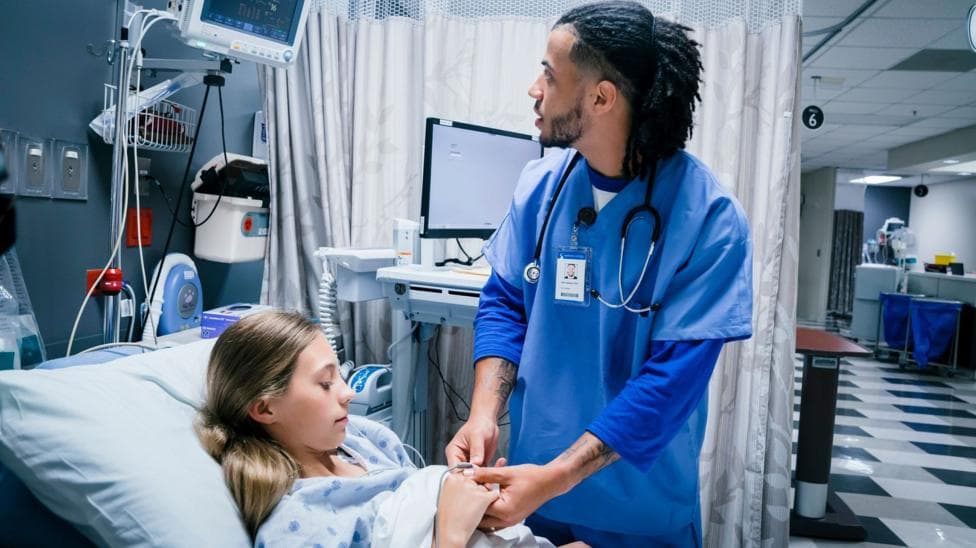
Since launching in 2025, the pilot has supported around 100 patients, with appointments designed to be extended and personalised. Sessions may address sleep, mood, fatigue, sexual health, exercise and lifestyle factors tailored to each individual's needs.
Patients can be referred to the clinic by their surgeon, breast care nurse, oncology team or GP. Treatment options discussed may include lifestyle changes, exercise, cognitive behavioural therapy, acupuncture and appropriate non-hormonal medication, ensuring a holistic approach to symptom management.
Bowman's own experience with the clinic proved transformative.
Actually being able to speak to a clinician one-on-one and have a conversation about my personal circumstances really, really helped and really made a massive difference.She now works with the charity Menopause and Cancer to advocate for improved support for other women who have undergone similar experiences.
What does the research show?
The pilot clinic forms part of Dr McFarlane's broader research initiative, supported by a My Charity Fellowship. The service is being evaluated through a registered audit to inform a more holistic approach to menopause care after breast cancer, with findings expected to shape future clinical practice.
The experience of cancer survivors managing complex menopause reflects a broader challenge in women's health. Similar stories have emerged from other patients facing unexpected health crises following cancer diagnosis and treatment, highlighting the importance of comprehensive aftercare pathways that address both physical and psychological wellbeing.
What happens next?
University Hospitals Sussex has announced plans to expand the service across the region. In October 2026, Dr McFarlane received a Sussex Cancer Fund grant to develop the clinic for people with breast and gynaecological cancers, signalling institutional commitment to scaling the model. The organisation says it will develop referral pathways as the service expands across Sussex, though no specific timetable has been provided for full rollout.