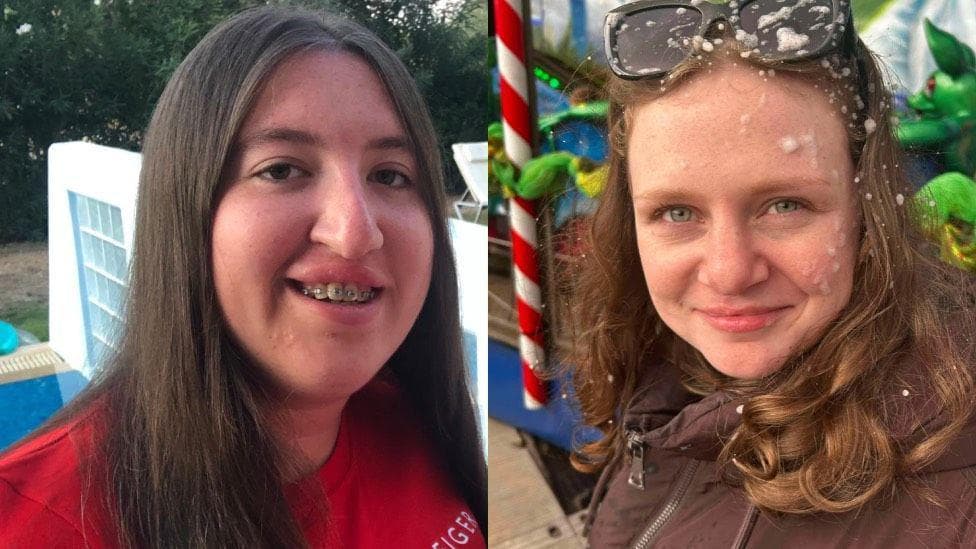
Two young women who have undergone cleft lip surgery are among a growing number turning to dermal fillers to address scarring and restore their confidence. According to BBC News, the treatment—available through both NHS services and private aesthetic clinics—has prompted calls from medical professionals and practitioners for formal regulation of the sector.
Amber Dorgan, 20, from Neath, and Emily Evans, 21, from Kidwelly in Carmarthenshire, both report significant improvements in their social confidence following filler treatment. However, a psychology academic has warned that people with cleft lip are being "deliberately targeted" by the aesthetics industry and left vulnerable to potential harm and exploitation.
How does dermal filler help people with cleft lip scars?
Aesthetic treatment for cleft-related scarring uses filler to reduce the appearance of scars, restore facial symmetry, and add volume lost during surgical repair. The procedure is offered as part of NHS care through specialist cleft centres, but is also increasingly sought through private practitioners.
Dorgan was born with a cleft lip and experienced hearing difficulties, speech problems, and bullying throughout her school years. She underwent five operations as a child and attended regular appointments for speech and language therapy. Through The Welsh Centre for Cleft Lip and Palate based at Morriston Hospital in Swansea, she now receives free dermal filler for life—a provision she considers exceptionally fortunate.
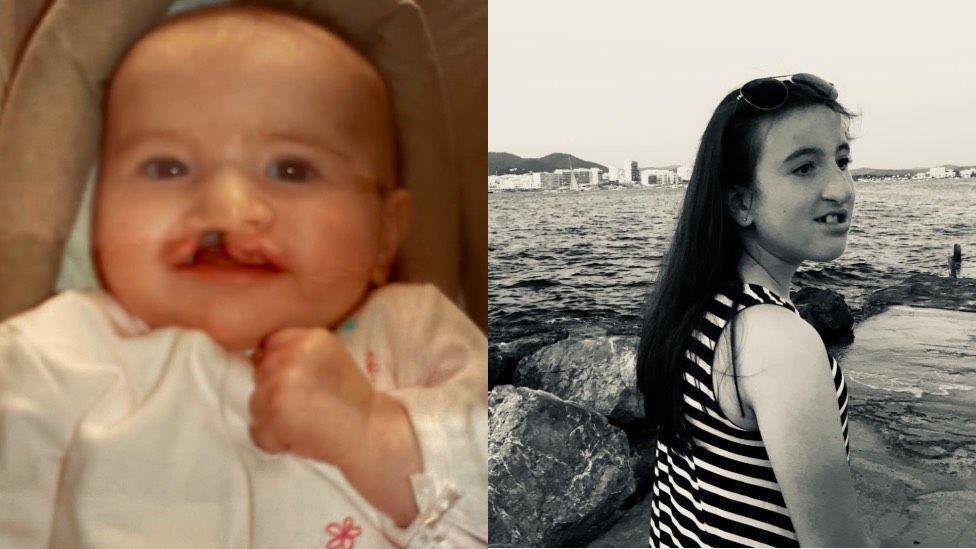
"I've always been insecure about how I look, going out and about, I've always had anxiety and I just get nervous. Now the lip fillers have made me feel confident in myself a little bit more. It's helped a lot,"Dorgan said. She believes the treatment should be universally available to people with cleft lip.
"Before [filler] I was really shy, I wouldn't talk to anyone, I didn't want to leave the house."Since receiving treatment, she reports feeling able to socialise freely and engage with others without the anxiety that previously confined her.
What is a cleft lip and palate?
A cleft lip and palate is a congenital condition in which the upper lip, roof of the mouth, or both fail to fuse properly during pregnancy. The condition affects one in every 700 babies born in the UK. Surgical closure is typically performed when a baby is between three and six months old.
Before surgery, the condition can cause feeding difficulties, hearing problems, dental issues, and speech impediments. The NHS provides lifelong care to those affected. Following initial surgical repair, some individuals may require additional procedures during childhood or adolescence to refine appearance and function.
What has Emily Evans's experience been?
Evans was born with a cleft lip and underwent two surgeries: one as an infant to close the cleft, and another at age 10 to smooth her lips. Growing up, she felt marked as different, with peers frequently questioning her scar.
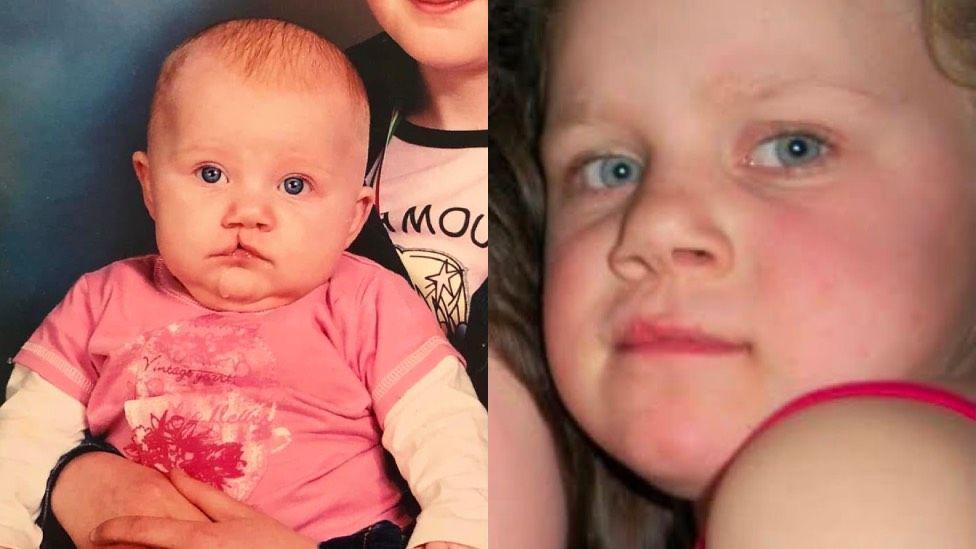
"Nobody hates anything more than being different,"Evans reflected.
"I would often joke I was bitten by a shark."She was discharged from NHS cleft services at 17 and was never offered filler treatment, though she was encouraged to maintain contact with her care team.
Evans discovered through social media that aesthetic treatments were available for cleft-related scarring.
"When I was younger, I was seeing these people who all look perfect and the same, and I didn't. So it sort of felt like I needed to sort of get something done."She found that practitioners offering such treatments were scarce in Wales, limiting her options initially.
Evans eventually discovered Summer Rose-Dorland, an aesthetics practitioner based in Somerset who runs pop-up clinics in Wales. After completing additional training, Rose-Dorland now works with the non-profit organisation CleftInject, which helps adults with cleft-related scarring locate aesthetic practitioners experienced with the condition. Evans had her first lip filler appointment with Rose-Dorland in December 2025.
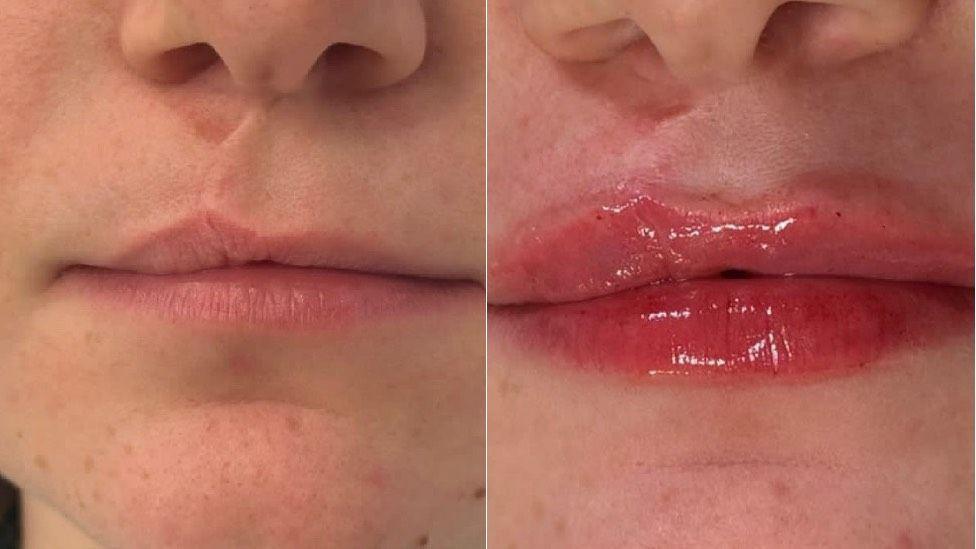
Evans acknowledges that aesthetic treatment is a personal choice.
"I understand why people might not choose to have filler, it makes people unique, it's nice to have something that makes people different,"she said. However, she added that
"I think more people would choose to have it if it was a more well-known option."
Why is the aesthetics industry unregulated?
Currently, no formal regulations govern the aesthetics industry in the UK, meaning practitioners do not require specific qualifications or registration to provide dermal filler treatments. According to House of Commons Library research, there is no specific requirement for practitioners to complete training before providing non-surgical cosmetic procedures, though voluntary registers such as JCCP and Save Face exist.
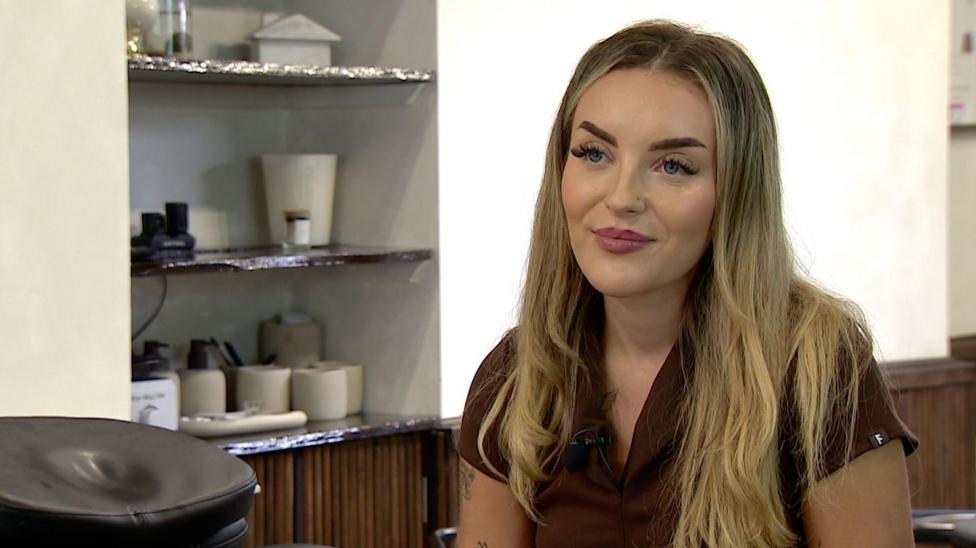
Rose-Dorland, who qualified four years ago and has completed 20 training courses, advocates for regulation despite being a non-medic.
"I'm a non-medic and I stand for having regulation, I generally think we need it in the aesthetics industry. There are some people out there that just do things that are actually quite scary, but I don't think it should be that a non-medic can't practise."She noted that her trainers include doctors, nurses, and midwives alongside non-medical practitioners.
Dr Neil Brierley, a consultant cleft and plastic surgeon in the West Midlands Cleft Service, emphasised the importance of people with cleft lip engaging with NHS teams that provide lifelong support. He warned that unregulated practitioners pose risks, particularly to vulnerable individuals seeking quick solutions.
"What we don't want is to have people who are potentially vulnerable who are looking for maybe a quick fix or a solution to feel that they don't have an option to come back to the NHS,"he said.
Brierley stressed that anyone considering private aesthetic treatment should inform their cleft team, as filler placement can affect future surgical options.
"For example if you were wanting revisional surgery, placement of filler in certain areas would prevent certain operations from being possible afterwards."He also highlighted that the lack of regulations around injectables and cleft dermal fillers remains concerning, as it is impossible to verify in advance whether a practitioner follows best practice.
What do researchers say about targeting and marketing?
Dr Nicola Stock, an associate professor at the University of the West of England's Centre for Appearance Research, has studied the psychological impact of appearance-altering conditions such as cleft lip. Her research examined dermal filler use among people with cleft, the qualifications of practitioners providing treatment, and how these services are marketed to the community.
Stock's findings indicate that adults born with cleft lip continue to experience appearance-related concerns even after surgery, and that interest in aesthetic treatments like dermal filler is increasing. She attributes this partly to social media marketing.
"Within the general population, dermal filler has exploded in popularity in recent years, and it's now one of the most common non-surgical cosmetic procedures used worldwide. And we believe that this is being fuelled predominately by the aesthetics industry and predominately on social media."
Stock expressed concern that adults with cleft lip—who have complex medical histories—are being
"deliberately targeted" and "left vulnerable to potential harm and exploitation at the hands of the aesthetics industry."A UK study she referenced identified 106 social-media accounts promoting dermal fillers to people with cleft lip, with researchers flagging exaggerated claims, unaccredited qualifications and content accessible to under-18s.
What regulatory changes are being proposed?
In response to safety concerns across the cosmetic procedures sector, the UK government opened a consultation in October 2026 proposing that specified high-risk cosmetic procedures in England be limited to qualified, regulated healthcare professionals and CQC-registered providers. The consultation sets out proposals for restricting certain procedures but has not yet confirmed an implementation date.
Wales operates under a different regulatory framework. Under the Public Health (Wales) Act 2017, certain procedures are licensed outside healthcare settings, but non-surgical cosmetic procedures such as most dermal-filler treatments are not currently covered by this scheme.
According to NHS guidance, dermal-filler complications can include infection, nerve damage, and blindness. The NHS advises anyone considering the procedure to check the practitioner's qualifications, training, and experience before proceeding.
What support is available?
Both Dorgan and Evans believe that greater visibility of people with cleft lip in public life would help young people with the condition feel less isolated and more confident about their appearance.
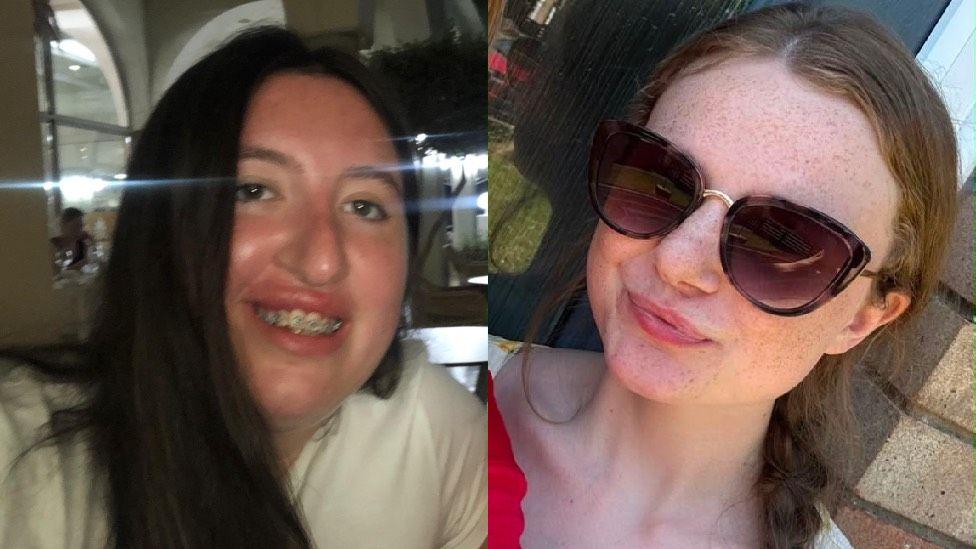
Dr Stock recommends that anyone considering dermal filler should research their options thoroughly and contact their local NHS cleft team or the Cleft Lip and Palate Action charity (CLAPA) for guidance. CLAPA advises people considering private cleft-related treatment to speak with their NHS cleft team first and notes that some beauty practitioners are not registered health professionals.
According to Rose-Dorland, some practitioners associated with CleftInject
"offer a majority of our treatments free of charge,"particularly for first treatments, making the service more accessible to those who might otherwise be unable to afford private care.