An around-the-clock drilling operation at Hailey Park in Cardiff is inflicting significant disruption on nearby residents, with complaints of headaches, sleep loss and constant vibrations affecting daily life. The pumping station project, which began in late September 2026, has become a focal point of community frustration despite efforts by Welsh Water to manage the impact. According to BBC News, the 24-hour tunnelling operation is required to carry sewage from the planned Plasdŵr housing development to the existing sewage network.
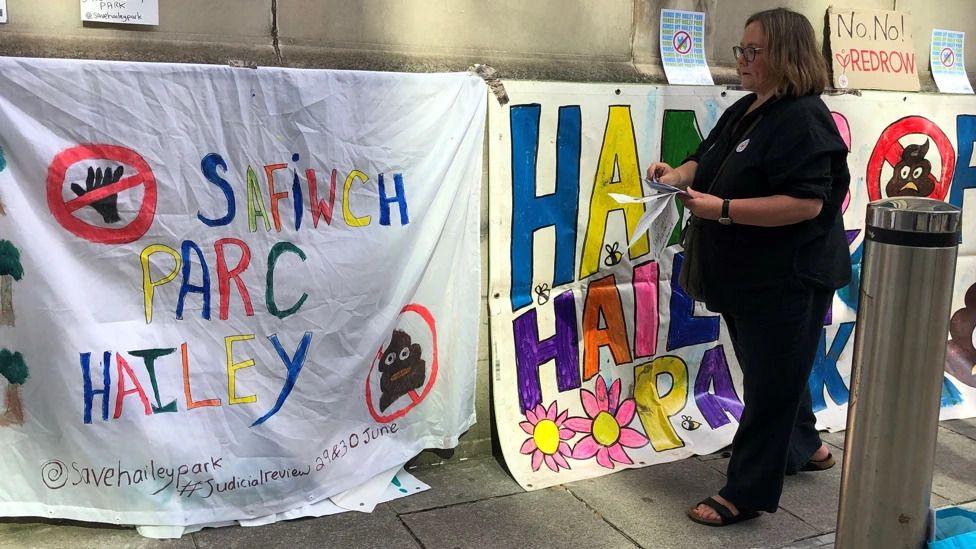
The drilling has reignited tensions that have simmered since the project was first proposed. Residents mounted a legal challenge in 2023 to block the sewage plant, but the judicial review was rejected by the courts. Now, with machinery operating continuously beneath Hailey Park, the human cost of the infrastructure work has become impossible to ignore for those living nearby.
The pumping station represents a critical piece of infrastructure for a major housing expansion. The new sewer is intended to carry wastewater from Plasdŵr beneath the River Taff to the existing network, which then leads to Cardiff Wastewater Treatment Works, according to reporting on the project. The operation will ultimately enable the construction of 7,000 homes as part of the developer's plans.
When the Local Democracy Reporting Service visited the site, sound levels were measured at 50 decibels, equivalent to moderate rainfall. The noise carries far beyond the immediate work zone—it can be heard from the Melingriffith Water Pump, a historic monument situated just under half a kilometre away.
How are residents coping with the disruption?
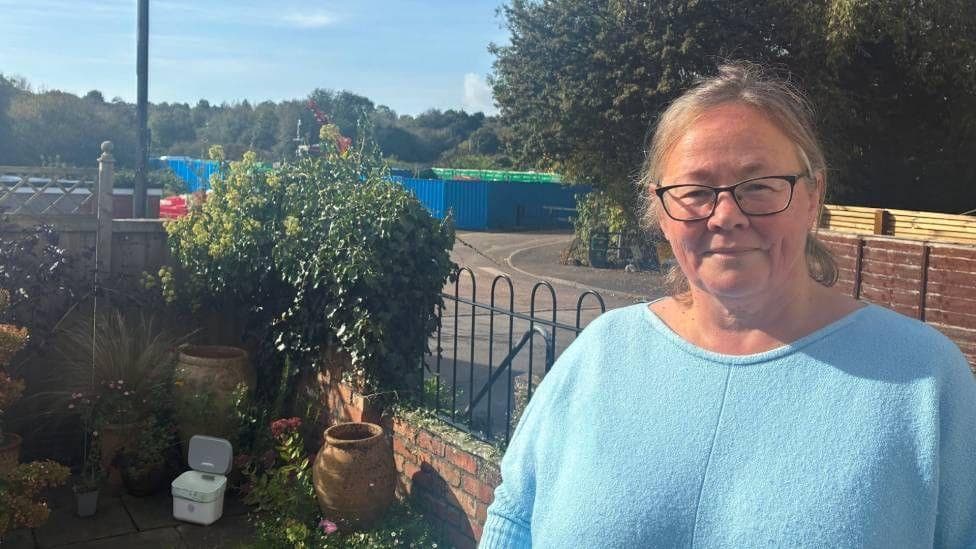
The impact on quality of life has been severe for those living closest to the site. Steph Wilkins, 56, who was involved in the failed legal challenge against the drilling works, described the vibrations as having a major impact on her daily existence.
In my house, there's only one spot that I can sit down in, where I don't feel it as much. Last night, I had to go and stay with a friend who lives down the road, just to get away from the noise because it was affecting my sleep.
Beyond sleep disruption, Wilkins reported that the vibrations were triggering motion sickness, headaches and earaches. She has been unable to use her garden due to the combined effect of noise and vibrations. She characterised Welsh Water's approach as
totally inconsideratetowards local residents.
Milly Hardy, 37, who relocated to the area with her family just before the drilling began, described the noise as
really frustratingand said it had become a constant topic of conversation throughout the neighbourhood. She reflected that the disruption would have influenced her family's decision to move had they known about it in advance.
I just think that there's been no real consideration to the locals and to the wildlife.
Amanda Smith, 60, characterised the constant background noise as
annoyingand expressed particular frustration about what she perceived as a
lack of communicationfrom the authorities managing the project.
What measures are being taken to reduce the noise?
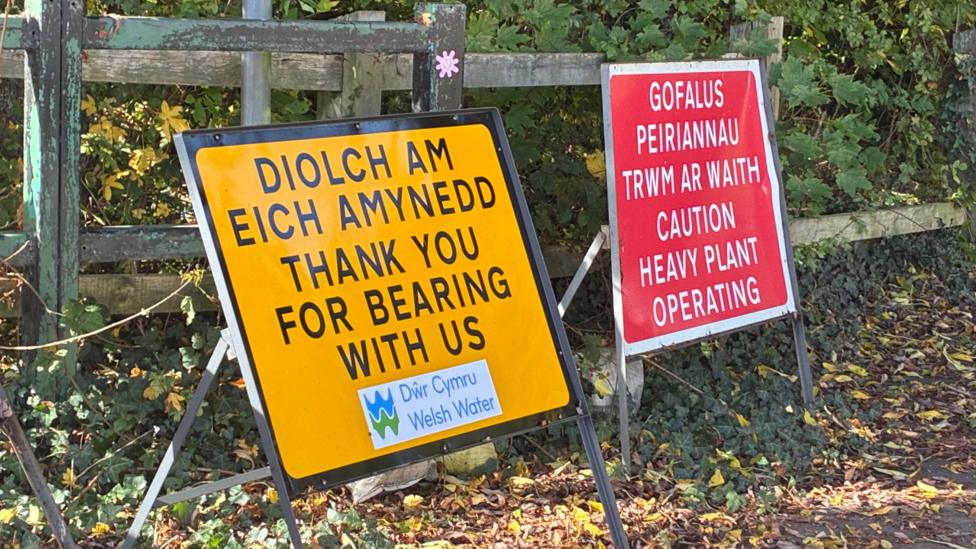
Welsh Water has implemented acoustic noise barriers and continuous noise monitoring around the site to limit disruption during the overnight tunnelling, according to the company's statement on the project. A Welsh Water spokesperson acknowledged the inconvenience and expressed gratitude for residents' patience, though this message has done little to ease frustration on the ground.
The project has faced a complicated history of delays and setbacks. Planning permission was granted in 2022, but progress stalled due to a series of obstacles. A legal challenge mounted by residents and their representatives consumed time and resources, ultimately failing to halt the work. Additionally, machinery damage caused by waterlogged conditions at the site further extended the timeline.
How long will the drilling continue?
Welsh Water's September 2026 notice indicated that the tunnelling operation was expected to take up to five weeks. The company extended the 24-hour tunnelling period by two weeks beyond the originally agreed period, to a maximum of five weeks, according to reporting on the extended timeline. No specific completion date has been publicly announced, leaving residents uncertain about when the disruption will end.
What is the background to this project?
The sewage pumping station has been a contentious issue in the Llandaff North area of Cardiff since campaigners first raised concerns about the facility in 2023. The residents' association launched a judicial review challenging both the pumping-station planning permission and approval of a strategic foul-drainage masterplan for Plasdŵr. The judge rejected the challenge, clearing the way for the infrastructure work to proceed.
Welsh Water has maintained that the 24-hour tunnelling is required to
carry out this phase of the work safelyand stated it was working with residents to mitigate disturbances as much as possible. The pumping station itself was deemed necessary to handle excess sewage generated by the Plasdŵr housing development, which will eventually house thousands of new residents.
Key Facts
- The 24-hour drilling operation at Hailey Park began in late September 2026 and is expected to continue for up to five weeks.
- Residents report headaches, sleep deprivation, motion sickness and inability to use gardens due to noise and vibrations from the site.
- A 2023 judicial review by residents challenging the sewage plant was rejected by the courts, allowing the project to proceed.
- The new sewer will carry wastewater from the Plasdŵr housing development beneath the River Taff to Cardiff Wastewater Treatment Works.
- Welsh Water has installed acoustic noise barriers and continuous monitoring, though residents say communication about the project has been inadequate.