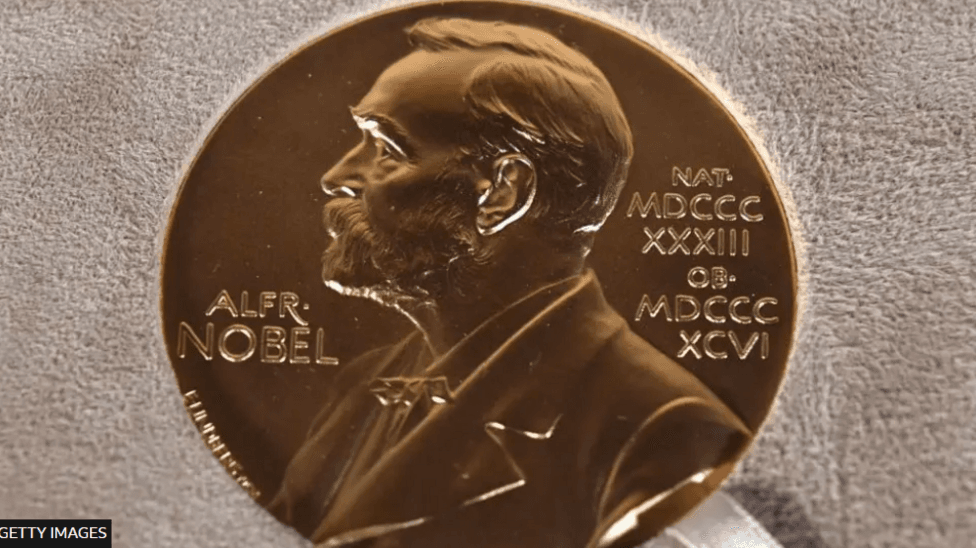
Three scientists have received this year's Nobel Prize in Physiology or Medicine for pioneering work in optogenetics, a technique that uses light to control nerve cells. The award recognises Karl Deisseroth, a psychiatrist and neurologist from the United States, alongside German researchers Peter Hegemann and Georg Nagel for their contributions to understanding how the brain functions at the cellular level.
The trio's research has fundamentally advanced scientific knowledge of the mechanisms underlying human cognition and emotion. Their work has enabled investigators to observe and manipulate individual neurons with unprecedented precision, opening new pathways for studying the organ's most complex processes.
What did the Nobel committee say about their work?
The Nobel committee commended the three researchers for establishing the groundwork of a transformative period in neuroscience. Specifically, the committee highlighted how their discoveries have illuminated the neural pathways responsible for
specific memories, feelings, and behaviours relevant for neurological and psychiatric disorders. This recognition underscores the profound implications their findings hold for understanding conditions affecting millions worldwide.
How is optogenetics being applied in medicine?
Beyond theoretical neuroscience, the practical applications of optogenetics are already emerging in clinical settings. Researchers are currently employing the technique in experimental treatments aimed at restoring vision in individuals experiencing visual impairment. These clinical applications demonstrate how fundamental discoveries in the laboratory can translate into tangible therapeutic interventions for patients with sensory deficits.
The award reflects the growing importance of optogenetics as a cornerstone technology in modern neuroscience, with potential to reshape treatment approaches for conditions previously considered intractable.