

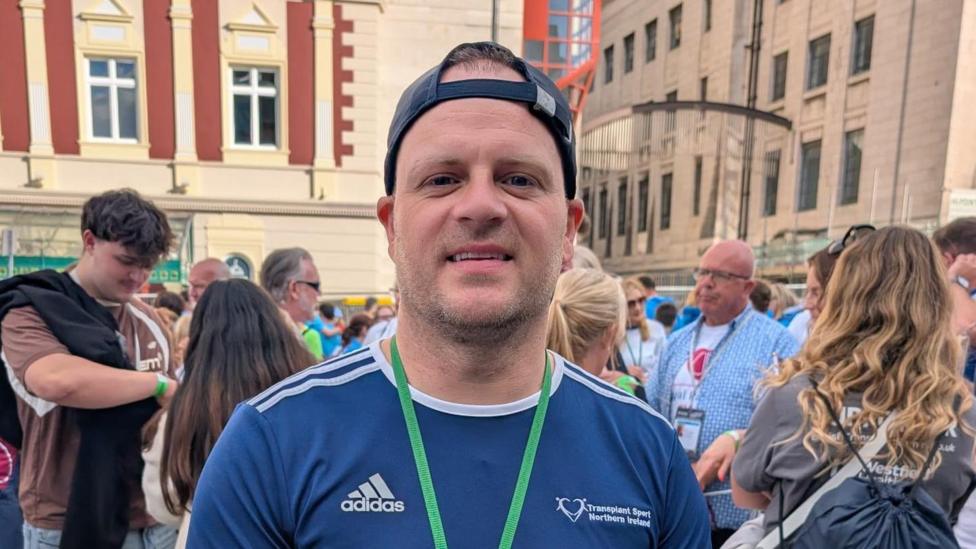
A Londonderry man who survived a rare bone marrow cancer is one of 26 athletes representing Northern Ireland at this year's British Transplant Games, taking place in Sheffield from 6 to 9 August 2026. Richie Sheerin, who underwent multiple stem cell transplants after his 2018 diagnosis, says cycling became his "mental medicine" throughout treatment and recovery. He is joined on Team NI by Coleraine's Kay Hack, a stem cell transplant recipient and previous games medallist, as both athletes hope their experiences will spark wider conversations about organ and stem cell donation.
Team NI's delegation this year comprises 20 transplant recipients and six living kidney donors, who will compete across a broad range of sporting disciplines at the event.
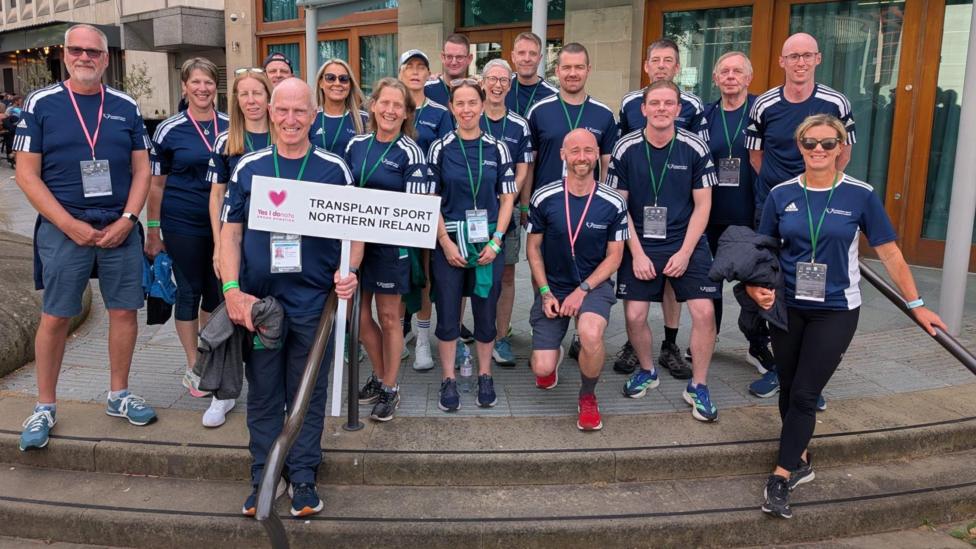
The British Transplant Games, now in their 45th year, bring together 26 high-exertion, low-impact sports alongside a schedule of social and cultural gatherings. Organisers describe the event as a "celebration of life," with core goals of boosting organ donation awareness, encouraging donor registration, and helping transplant recipients rebuild their health through sport.
Kathryn Glover, Team Manager of Sport Northern Ireland, praised the squad's spirit ahead of the competition.
"The resilience, determination and camaraderie of the team captures the true spirit of the games."
"Each athlete has been through their own courageous transplant journey and without our selfless generous donors, no-one would be on the start line."
For competitors such as Sheerin and Hack, the games serve a dual purpose: they are a sporting contest, but also a public demonstration of what life can look like after a transplant.
How did Richie Sheerin's cancer diagnosis unfold?
Sheerin was just 35 when he learned he had a rare form of bone marrow cancer, a moment he described as deeply disorientating.
"It was just like the lights being turned off. It just went dark for a bit until you gather your thoughts and think rationally about how you're going to try and overcome these things."
He says cycling proved central to both his physical rehabilitation and his mental wellbeing during that period, giving him a phrase he now uses to describe the sport's role in his life.
"Any time I'm on the bike, it gives me an escape away from having to think about potential reoccurrence or illness. It just gets your mind away from it."
Sheerin's own account of cycling as an escape is echoed in wider research into exercise and cancer recovery. According to the American Cancer Society, aerobic exercise has been shown to reduce depressive symptoms in people living with and beyond cancer, with improvements observed both within the first month of activity and again at the six-to-twelve-month mark. A separate review published in Nature Scientific Reports found that physical activity significantly improved self-esteem during and after cancer treatment, recording a pooled standardised mean difference of 0.32 across studies examined.

Who supported Sheerin through his recovery?
Sheerin received his stem cell transplant from his brother, whom he credits as a constant source of strength during his illness. He says the wider backing of family and friends proved essential to getting through the hardest stretches of treatment.
"My brother was my donor, and the rest of my family, as well as my wife Lisa back home and my son Aidan, have always been there supporting me. It's been incredible."
At this year's games, Sheerin will compete in cycling events including the time trial and the road race.
Why does Kay Hack say illness "doesn't define you"?
Kay Hack, who has previously taken gold and silver at the Transplant Games, received a stem cell transplant in 2019 to treat acute myeloid leukaemia. She subsequently returned to the sports she had competed in before her diagnosis, and argues that serious illness need not close the door on athletic ambition.
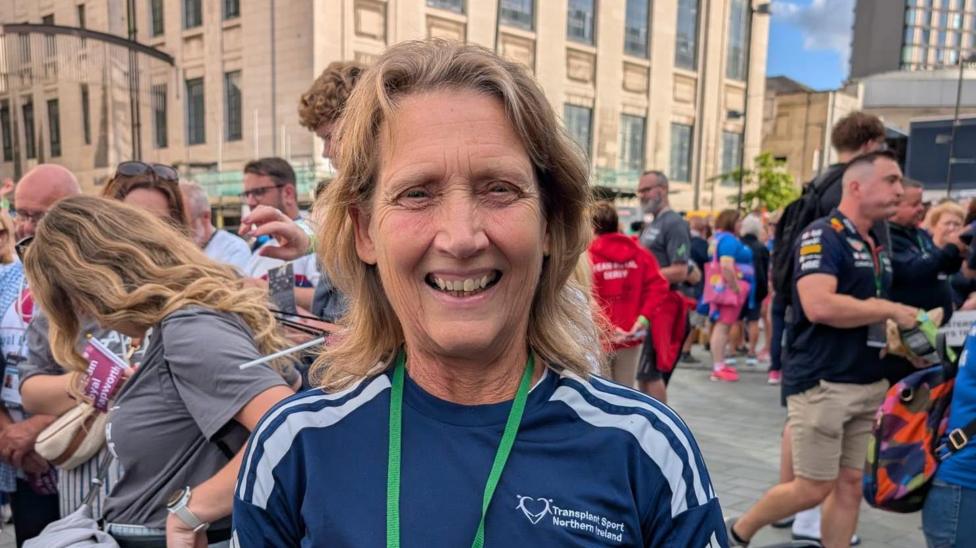
Hack says the transplant reshaped her life, and that discovering transplant sport was one of the most significant factors in her recovery. At this year's event she will race the cycling time trial and road race, join the Donor Run, swim the 200 metres, and attempt shot put for the first time.
A former triathlete, Hack says she can draw on years of competitive experience, though returning to sport after a transplant has introduced fresh obstacles.
"It is harder after you've come back from illness because you've really got to look after your body a lot more and be very conscious of not overdoing training."
More than five years on from her transplant, Hack says her immune system remains weaker than it was before her illness, requiring careful management of training load to avoid placing undue stress on her body. She says that over time she has come to understand, both mentally and physically, what her body can handle and how to train within safe limits. Her aim at this year's games, she says, is straightforward.
"I just want to make sure I make the best effort and perform to the best of my abilities."
What message do organisers hope the games send?
Hack believes the event demonstrates that a serious illness does not have to dictate the course of someone's future. She points to both the physical activity and the sense of community at the games as important contributors to recovery and long-term wellbeing.
Having taken part in the opening ceremony alongside hundreds of fellow transplant recipients, Hack says the occasion served as a powerful reminder of donor generosity and its impact on families.
"Hopefully seeing people taking part in the games will prompt everyone to have that conversation with their family... so that your loved ones know what your wishes are."
The emphasis on donation conversations echoes other recent transplant stories from Northern Ireland. Nine-year-old Dáithí Mac Gabhann left hospital in August 2026 after receiving a heart transplant in Newcastle following an eight-year wait, a case that had earlier prompted changes to organ donation law in Northern Ireland after his family's campaign and his surgery, first reported on 21 July 2026, described in an earlier report on his transplant.
Key Facts
- Team Northern Ireland has 26 athletes at the 2026 British Transplant Games, including 20 transplant recipients and six living kidney donors.
- The games run from 6 to 9 August 2026 in Sheffield and mark more than 45 years of the event.
- Richie Sheerin, diagnosed with bone marrow cancer in 2018, received a stem cell transplant from his brother and competes in cycling time trial and road race events.
- Kay Hack, who received a stem cell transplant in 2019 for acute myeloid leukaemia, is competing in cycling, the Donor Run, swimming and shot put.
- Research from the American Cancer Society and a study in Nature Scientific Reports both point to exercise improving mental health and self-esteem in cancer patients and survivors.


