A journalist underwent a £299 full-body scan at Neko Health's clinic in Manchester city centre, where more than 2,000 photographs were taken to detect early signs of skin cancer, cardiovascular disease and other conditions. The results found thousands of skin markings needing review and an unusual heart rhythm, though both were later cleared - an experience that mirrors the mixed outcomes reported by two other clients of the private screening company.
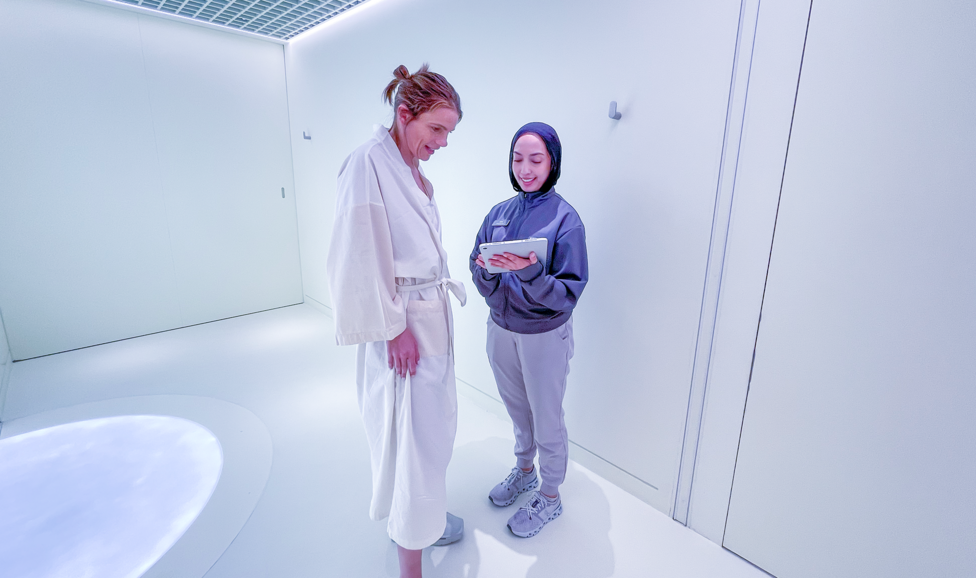
Standing in a huge curved scanner wearing only underwear, with 70 cameras trained on her and classical music playing in the background, the reporter was instructed by a robotic voice to remain still and close her eyes. A flash of light captured roughly 2,000 images of her body, aiming to record every freckle, mark and mole for analysis of potential skin cancers.
The scan took place at a futuristic-looking clinic, with the reporter dressed in a gown and hexagonal rubber slippers while the machine gathered millions of data points to build an AI-generated 3D avatar of her body.
Why has demand for private health scans grown so quickly?
Interest in so-called health MOTs has surged over the past two years, with customers paying anywhere from hundreds to thousands of pounds, and firms including Prenuvo, Ezra and Neko Health securing significant venture capital funding. Prenuvo and Ezra both offer whole-body MRI scans, whereas Neko Health provides a less invasive service priced at £299, with a current waiting list of 100,000 people.
The screening at Neko Health checks for a range of issues, including skin cancer, cardiovascular disease, type 2 diabetes, glaucoma and other eye conditions, as well as kidney and blood disorders. The reporter had no symptoms before undergoing the scan.
Supporters of this style of preventative healthcare argue it represents a new era in medicine, catching disease before symptoms develop. Hjalmar Nilsonne, one of the founders of Neko Health, said he wants preventative screening to become accessible to everyone, not only those who can pay privately.
"While medicine has progressed so much over the past century, primary care is still very basic. Why wait until we see symptoms?" Nilsonne says. "The data is super clear - prevention is preferable to cure."
Not everyone in the medical profession shares that optimism. NHS England has cautioned that the growing popularity of such scans risks fuelling "over-diagnosis, unnecessary investigations and avoidable anxiety" among healthy people.
What did other clients experience?
Annabel Mason-Thompson, 50, went for a Neko Health scan in September last year already aware of a suspicious mark on her back, but the technology failed to flag it.
"I felt a bit let down if I'm honest," the 50-year-old says. "Their AI scanner failed to pick up any of my four cancerous lesions. "It was only when I went into the doctor's room after the scan and I pointed out my red mark did they take a look at it."
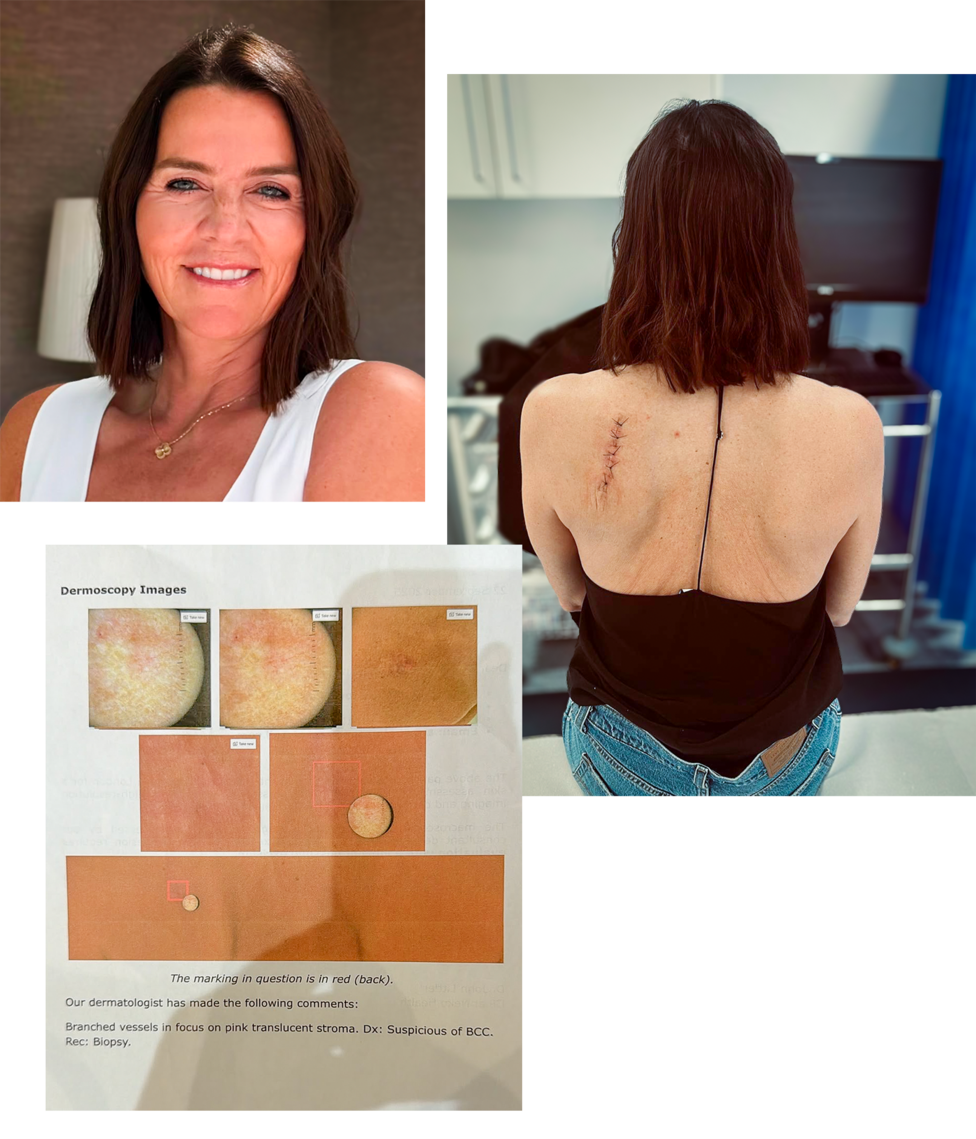
Following further examination, the mark was deemed suspicious, prompting Neko Health to inform Annabel that treatment was required and to write to her private dermatologist stating the "lesion requires evaluation with a view to possible excision". Her dermatologist subsequently discovered three additional cancerous marks needing urgent attention.
"Luckily," she says, "they were all slow-growing basal cell carcinomas. I had to have two cut out and two taken off via cryotherapy."
Neko Health maintains that "member safety and clinical excellence are at the heart of everything" it does, stating that its clinical team had identified a "lesion of concern" which was reviewed by two dermatologists before referral for possible treatment.
"We know that no one system is foolproof," Nilsonne says, "which is why we have multiple lenses - it is crucial that the technology and human expertise work together."
Company figures show that of 4,362 scans carried out at its Stockholm headquarters last year, 1.2% uncovered life-threatening conditions such as melanoma and leukaemia, a further 4% identified significant health issues requiring further treatment, and 1.2% detected reversible conditions such as pre-diabetic blood sugar levels. Nilsonne acknowledges the figures aren't representative of the wider population and only reflect those able to afford private screening, but argues they point to the future direction of medicine.

Medical professionals remain unconvinced. Prof Victoria Tzortziou Brown, president of the Royal College of GPs, said there is no "convincing evidence" that broad private screening improves health outcomes, and warned that results from such scans can place extra strain on the NHS when clients seek further tests and treatment, "even where the findings prove to be clinically insignificant."
Did the scan help anyone catch a serious condition?
Mehvish, 33, says nothing prepared her for the outcome of her scan at the Neko Health clinic in Birmingham, which delivered a life-changing diagnosis.
"I expected to feel relief," the 33-year-old says. "Instead, I was told that I had a rare form of diabetes."
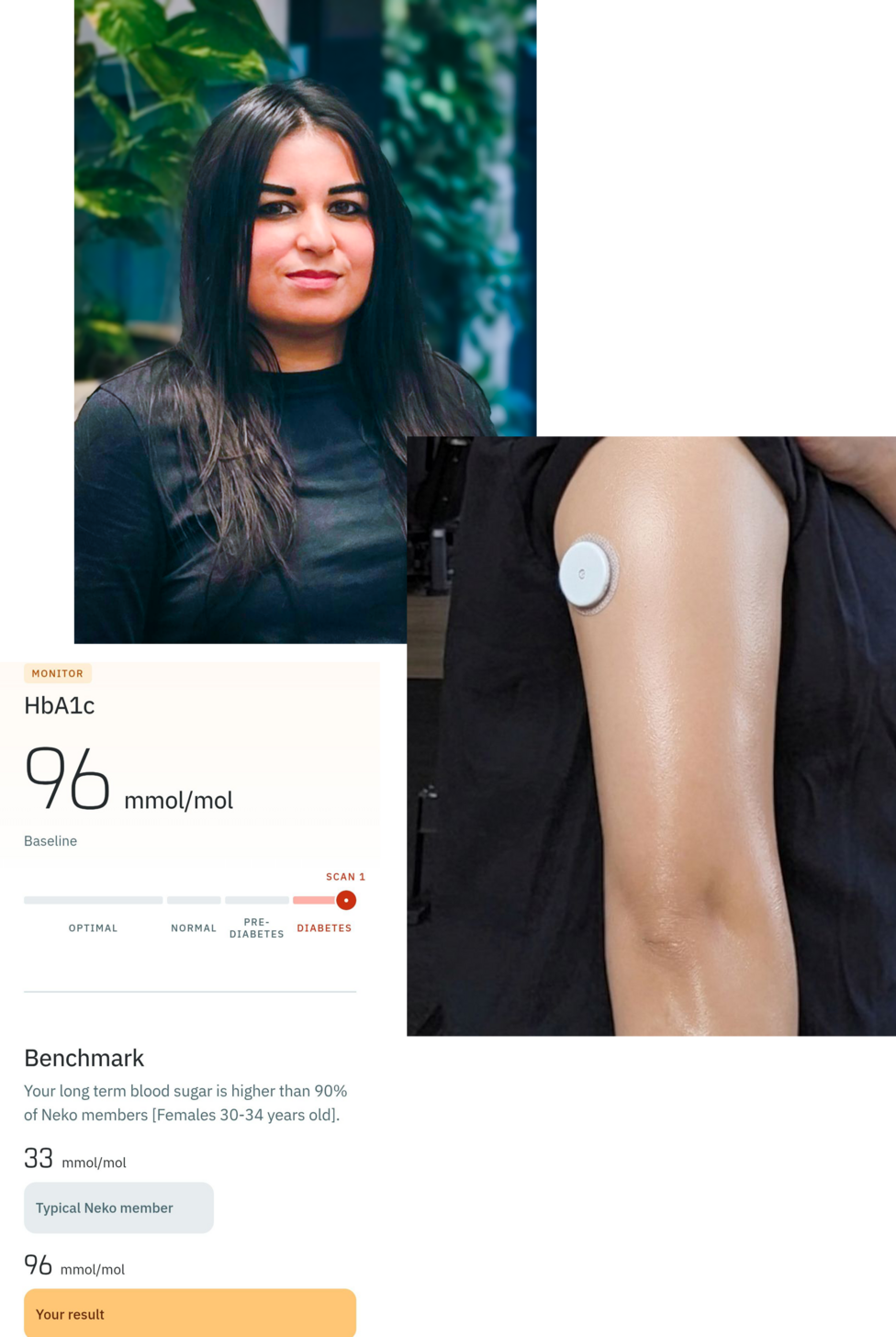
After her long-term blood sugar readings came back abnormally high, a follow-up blood test confirmed suspected diabetes. She was referred back to her GP, who arranged an urgent same-day hospital appointment, leading to a diagnosis of Latent Autoimmune Diabetes in Adults (LADA) - a form of diabetes that shares features of both type 1 and type 2. Like type 1, it is an autoimmune condition that attacks the pancreas's insulin-producing cells, but like type 2 it can progress gradually and, depending on the stage, may initially be managed through diet and exercise.
"I didn't have any of the symptoms," Mehvish says, "It was difficult to get my head round it - how could I have this condition and not know about it?"
Despite the shock, she credits the unexpected early intervention with saving her life. She now injects insulin twice daily and monitors her diet closely, adjusting to a new routine despite missing the spontaneity of her old lifestyle.
"I feel so much better, more clarity, less brain fog and I feel so much more balanced."
What did the reporter's own results show?
The scan identified 3,311 skin markings on the reporter, well above the average Neko Health client figure of 845, with three requiring additional review by the company's dermatologists in Sweden. Despite feeling confident about a clean bill of health regarding her skin, she was told during her post-scan consultation that her freckles - rather than any large moles - put her at heightened risk of skin cancer.
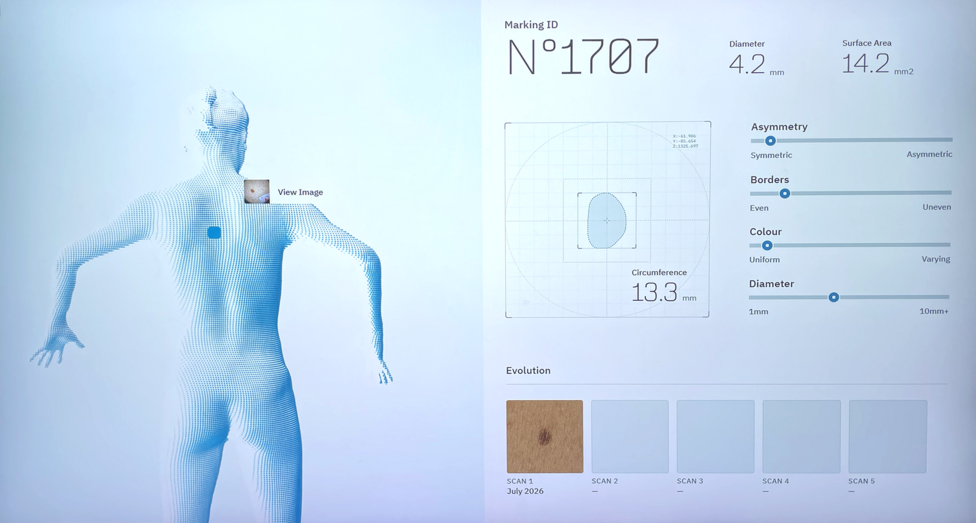
An electrocardiogram (ECG) also picked up an irregular heart rhythm - an extra wave known as a bifid P wave - which was referred to Neko Health's in-house cardiologist. That result was later confirmed to be of no concern, and a follow-up text several days later stated there were no abnormal skin changes requiring treatment.
The reporter is among thousands of clients whose scan flagged a potential issue that ultimately required no treatment - an outcome some doctors warn causes needless worry and could be avoided by relying on NHS national screening programmes instead. Dr Stephen Harden, president of the Royal Society of Radiologists, noted that NHS screening targets "specific areas" such as the breasts, bowel or cervix, which he suggests may prove more reliable than scanning the whole body at once.
Former health minister Steve Brine takes a different view, arguing that precautionary scans of this kind reflect a broader shift in how people approach their own health.
"Change is afoot across the NHS - prevention is a huge policy area," Brine says. "We want to identify people's problems before they become patients, so these scans could well become a part of our future healthcare and primary care needs to adapt."
The reporter's overall results showed her heart age was four years younger than her actual age, and she was generally in good health, though she says she has since become far more diligent about applying sunscreen across her whole body rather than just her face, having learned that her freckles carry added skin cancer risk.
How does this compare with other health monitoring innovations?
The rise of AI-assisted health screening comes amid a wider trend of technology being used to catch or diagnose conditions earlier. Separately, UK researchers have developed a tool called Obscore, which uses artificial intelligence to identify people at highest risk of obesity-related diseases, helping the NHS prioritise access to weight-loss treatments. In another case, artificial intelligence played a role in identifying a rare condition in a patient who had faced years of misdiagnosis, underlining the growing role AI tools are playing across different corners of healthcare, from private screening clinics to NHS diagnostics.
How does a body "MOT" compare with a vehicle MOT?
The comparison to a vehicle MOT is more than just a catchy phrase. According to the UK government's official vehicle inspection checklist, a real MOT test examines specific components such as seats and seat belts, warning lamps, steering, doors, mirrors, brakes, tyres, shock absorbers, glazing and general body condition. Similarly, the DVSA's inspection manual notes that a vehicle can fail its test over structural corrosion, exhaust leaks, fuel leaks or insecure bumpers if the defects are serious enough - a systematic, itemised approach not unlike the way body scan clinics check different organs and systems for early signs of trouble. Vehicle owners can also check a car's full inspection history at any time, since every MOT result is logged in a national database accessible online - a level of centralised record-keeping that private health scan companies, which operate outside the NHS, do not currently offer for patients' scan histories.
Key Facts
- Neko Health's full-body scan costs £299 and currently has a waiting list of 100,000 people.
- Of 4,362 scans carried out at Neko Health's Stockholm headquarters last year, 1.2% detected life-threatening conditions, 4% found significant health issues, and 1.2% flagged reversible conditions.
- Annabel Mason-Thompson's scan missed four cancerous skin lesions that were later found and treated after she raised concerns herself.
- Mehvish was diagnosed with Latent Autoimmune Diabetes in Adults (LADA) after her scan flagged abnormally high long-term blood sugar levels.
- NHS England has warned that private whole-body scans risk causing "over-diagnosis, unnecessary investigations and avoidable anxiety".