Health authorities have endorsed annual NHS reviews for women diagnosed with polyendocrine metabolic ovarian syndrome (PMOS), a condition affecting an estimated three to four million women in the UK. The recommendation, part of draft guidance published by the National Institute for Health and Care Excellence (NICE) in July 2026, aims to improve monitoring of symptoms, treatment effectiveness and long-term health risks including diabetes and cardiovascular disease. According to BBC News, patient advocates and medical professionals have welcomed the move as a meaningful step towards better care, though some say more systemic change is needed.
The condition, which affects approximately one in eight women in the UK, was renamed earlier this year from polycystic ovary syndrome (PCOS) following a 14-year international process involving 56 patient and professional organisations. The new terminology reflects the condition's wider endocrine and metabolic effects beyond the ovaries alone. NICE's draft guidance recommends investigating people with irregular or absent menstrual cycles who also display signs or symptoms of excess male hormones, with the final guideline scheduled for publication on 27 January.
Why the name change matters
Neelam Heera-Shergill was diagnosed with PCOS at age 18 and initially believed the condition would prevent her from having children.
I'm never going to have children. That's it, my life is over,she recalled thinking at the time. Despite the condition's prevalence, Heera-Shergill said she received minimal explanation of what her diagnosis entailed, prompting her to establish Cysters, a Birmingham-based charity dedicated to addressing inequalities in menstrual, maternal and menopausal health.

Heera-Shergill's experience mirrors that of many women who struggle to understand PMOS after diagnosis. She described her initial symptoms—irregular and painful periods, hair thinning, weight gain and exhaustion—as sending her into what she termed a
rabbit holeof fear and uncertainty. Medical advice to exercise more and lose weight did not address her underlying condition, and her symptoms eventually affected her university studies, causing her to miss lectures and resit exams.
When she finally received her diagnosis, the information was delivered with little support.
It was the comment of 'it'll be difficult for you to have children, but we'll cross that bridge when we come to it'. It was just dropped in a conversation and I was kind of left to figure it all out by myself,she explained. Despite these initial concerns, Heera-Shergill later became a mother, which she described as a
really big surprise.
Heera-Shergill supports the renaming decision, believing the new terminology—polyendocrine metabolic ovarian syndrome—is
more representativeof how the condition affects the whole body. However, she cautioned that the name change alone would not solve systemic problems.
PCOS itself wasn't even understood. So PMOS is also something that's going to be really misunderstood as well. If that name change means those conversations come more to light, then I'm all for it,she said.
Delayed diagnosis and emotional toll
Rochelle Lewis, from Wolverhampton, experienced years of symptoms before receiving a diagnosis in 2025 at age 31. She first heard about PCOS at age 16 when a family friend suggested it might explain her facial hair growth, a symptom she had been bullied about throughout her childhood.
I've always struggled with a lot of facial hair growing up, it was something I was really bullied about, so I tried to do absolutely everything I could to try and get rid of it,she explained.

When Lewis raised her concerns with her GP as a teenager, her worries were dismissed.
So I went to the doctors and they literally just brushed it off and were like, 'no, we don't think you've got PCOS',she recalled. The lengthy diagnostic process proved emotionally draining.
It was emotionally draining, not to be listened to, not to be heard,she said of her experience navigating multiple appointments and consultations.
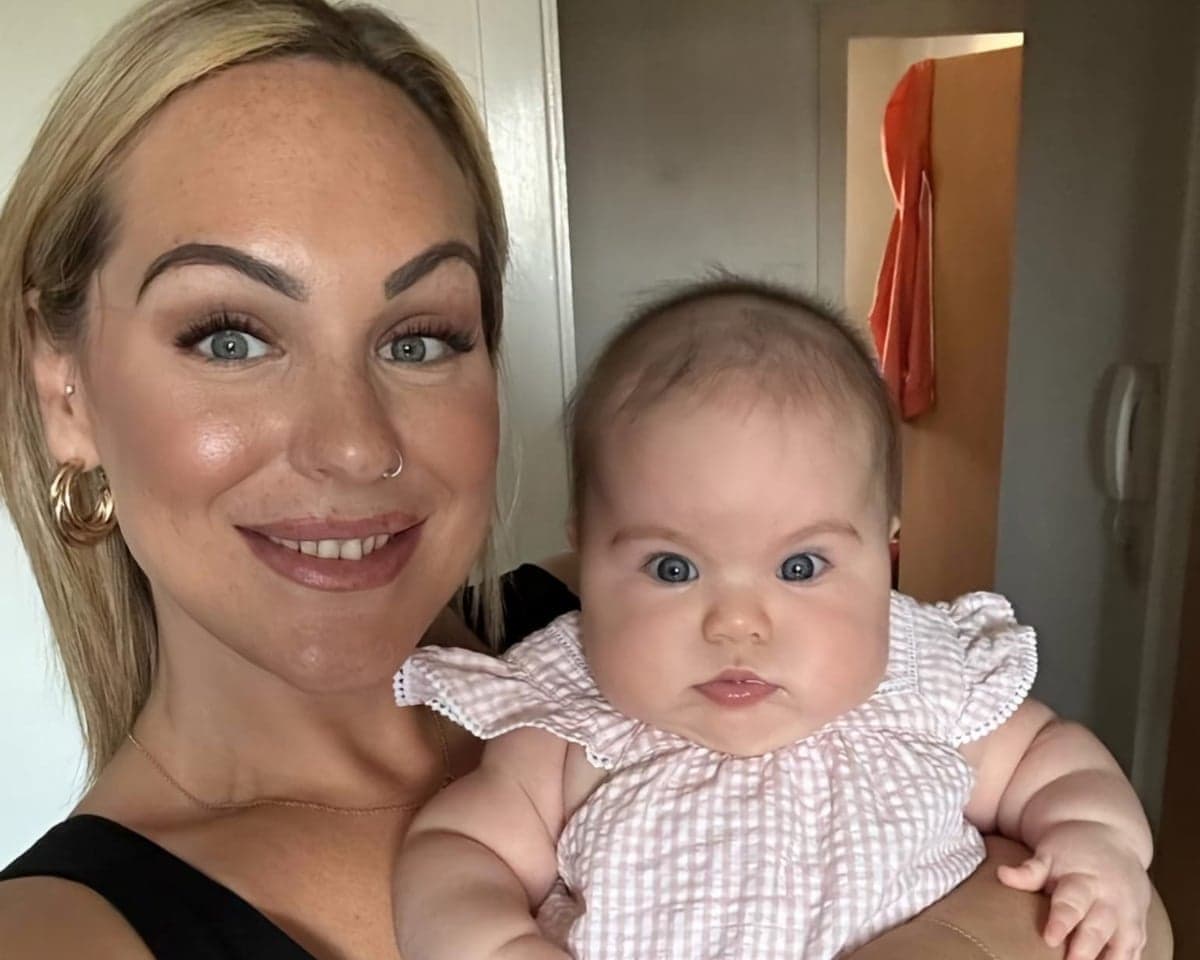
Now a mother to a seven-month-old son, Lewis observed that women are frequently diagnosed and then abandoned to manage the condition independently.
So you get told, you get given your diagnosis and that's it... we're just left to it. We need to have processes put in place to actually help us,she stated. For Lewis, the proposed annual health checks represent a necessary intervention that could have prevented years of missed symptoms and uncertainty.

What annual reviews would involve
The proposed annual review would assess symptoms and concerns including periods, fertility, weight, mood and sleep apnoea, alongside medication use and long-term risks such as cardiovascular disease and diabetes. Marie Anne Ledingham, consultant clinical adviser for women's and reproductive health at NICE, emphasised the importance of consistent monitoring.
Recommending a simple annual review is an important step towards ensuring people get the ongoing care and monitoring they need,she said.
Dr Rima Smith, clinical associate professor of reproductive medicine at Birmingham Women's Hospital, stressed that PMOS extends far beyond gynaecological concerns.
It's a cardiometabolic condition,she explained, noting that the previous terminology had failed to capture the condition's complexity.
PCOS never accurately represented the condition in so many ways. It had never captured the complexity and the fact it is a multi-organ, lifelong whole-body condition,she said.

Smith highlighted that women with PMOS often receive fragmented care across multiple services and that annual health checks could integrate diabetes screening, thyroid function tests and menstrual assessments alongside medication reviews. She also challenged the widespread assumption that the condition is primarily weight-related.
We know a large proportion of women with PMOS have a healthy weight so it's not entirely weight-driven. It should be a holistic approach,she stated.
Patient perspectives on proposed changes
Both Heera-Shergill and Lewis emphasised that annual reviews must address the full scope of PMOS rather than focusing narrowly on weight management or hormonal contraception.
It's great to have annual check-ups if those annual check-ups are looking at the wider picture of what PCOS is doing rather than the lose weight aspect or go on the pill or eat better. If that bit changes, then an annual check-up is absolutely welcome,Heera-Shergill told the BBC.
Lewis agreed that annual reviews represent progress but stressed the need for broader systemic reform.
I think if I was to have had a review yearly, then symptoms that were being missed would have been diagnosed, it would have been able to be looked into, and I would have had a clearer picture,she said. She added that such reviews would have prevented years of uncertainty and emotional distress.
Transition timeline and international context
The shift from PCOS to PMOS terminology is expected to occur gradually. According to international guidelines, PCOS and PMOS will coexist for three years, with PMOS planned as the sole term in the 2028 international guideline update. This phased approach aims to allow healthcare systems, patient communities and educational institutions time to adapt to the new nomenclature while maintaining clarity during the transition period.
What happens next
NICE's draft guideline is currently undergoing public consultation, with the final guidance due for publication on 27 January. The health watchdog stated that the advice aims to improve consistency of care, increase awareness and support earlier diagnosis and management of the condition. Once finalised, the recommendations will inform NHS practice across England and potentially influence healthcare approaches in other regions of the UK.