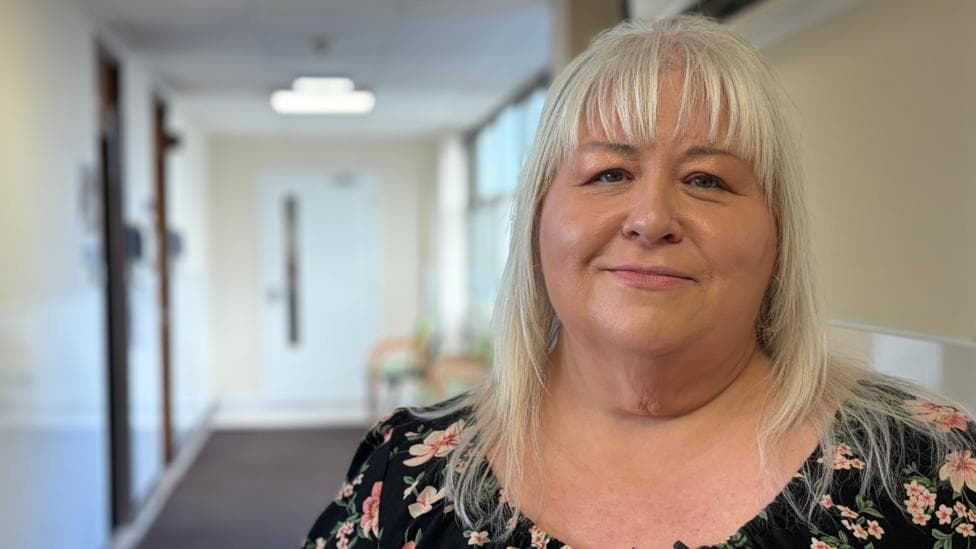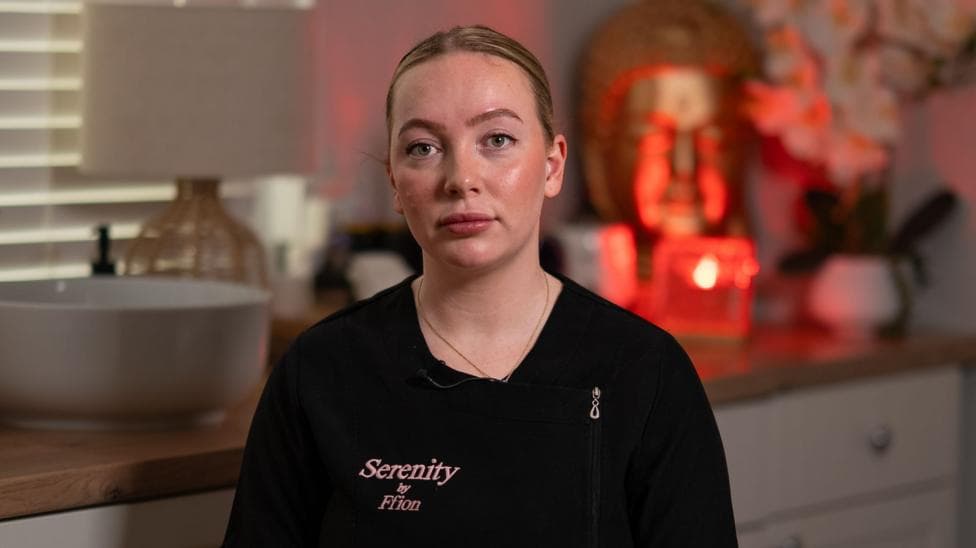
Ffion Price, a 26-year-old therapist from Gilwern near Abergavenny, has taken security measures including installing a rape alarm in her treatment room and CCTV outside her premises after receiving persistent inappropriate messages from male clients. The experience has prompted her to refuse new male clients when working alone, and she is now calling for better safeguarding training across the beauty therapy industry.
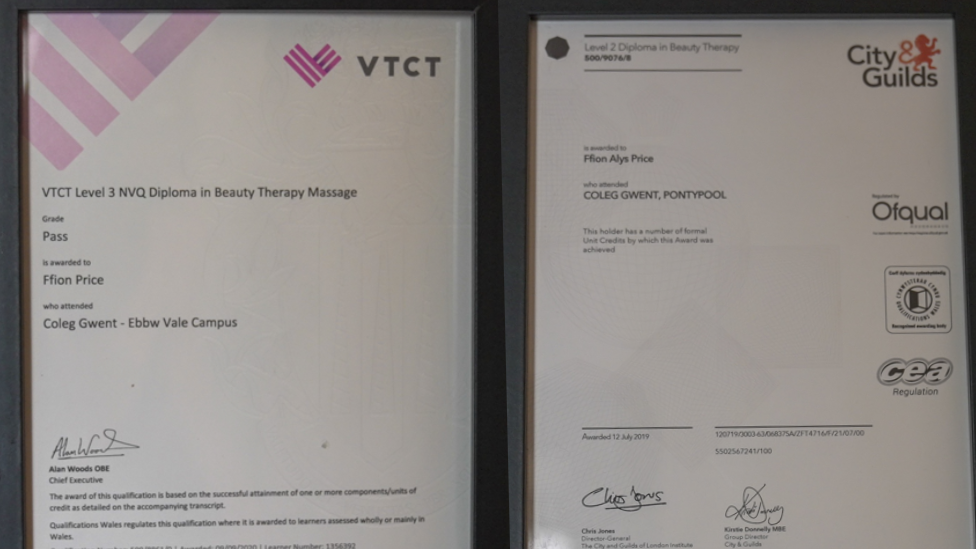
Price completed her professional qualifications between 2018 and 2021, earning a City & Guilds Level 2 Diploma in Beauty Therapy and a VTCT Skills Level 3 qualification from Coleg Gwent. After graduating, she worked for five years at a female-only spa offering Clarins treatments and additional professional courses. In 2024, she launched her own business, Serenity by Ffion, renting a room at a beauty salon and deciding to accept both male and female clients, viewing it as an untapped market in her area.
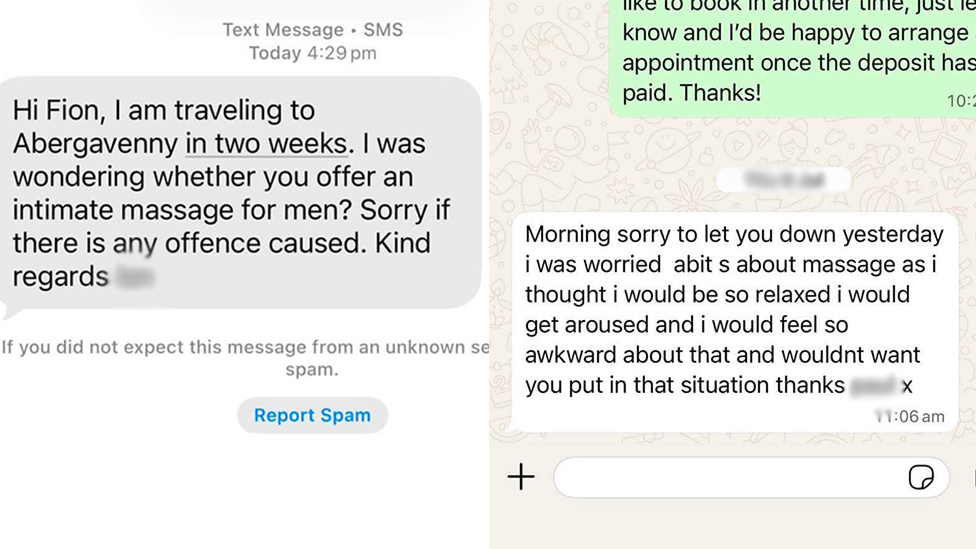
Since becoming self-employed, Price has encountered a troubling pattern of behaviour. She receives inappropriate messages from men almost every other week, with some employing what she describes as increasingly sophisticated tactics—asking whether she could massage "just certain areas" or requesting specific treatments that, upon research, proved to be explicitly sexual in nature.
What happened during the physical incident?
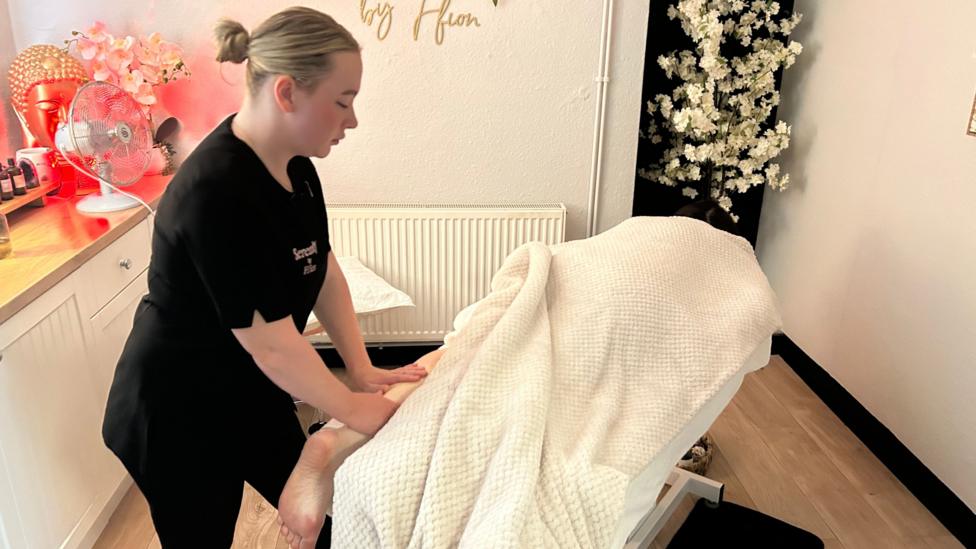
A few months before speaking publicly, Price experienced a deeply uncomfortable encounter that crystallised her concerns about client safety. A male client failed to use the modesty towel during a leg massage, remaining only in his boxers. As she worked, the man became sexually aroused, then grabbed her hand. After the session ended, he displayed no embarrassment or remorse and attempted to book another appointment.
Reflecting on the incident, Price said she would have asked him to leave immediately, identifying the client's refusal to use the towel as a warning sign from the outset.
"It was the first situation it's happened and to be honest the whole time I felt like I was in the wrong and I was doing something that I shouldn't be doing and that's because of his actions,"she explained. The experience left her questioning her own professionalism despite her years of rigorous training in anatomy, physiology and therapeutic technique.
Why does Price believe this behaviour occurs?
Price attributes much of the problem to unrealistic expectations created by internet pornography and international travel.
"People are aware that you could go to other countries and have these sorts of treatments and they would be what these men are expecting. But it's very different - that's what they offer. But you come over here and it's a professional massage."She emphasises that the gap between what some clients expect and what legitimate therapeutic practice involves has widened significantly.
What training gaps exist in beauty therapy courses?
During her Level 2 and Level 3 qualifications at Coleg Gwent, Price received only cursory guidance on professional boundaries with male clients. She was taught "briefly" not to massage a male client above the knee, but received no instruction on how to respond if a client became sexually aroused or behaved inappropriately. The massage component was taught as a separate module with minimal focus on gender-specific safeguarding.
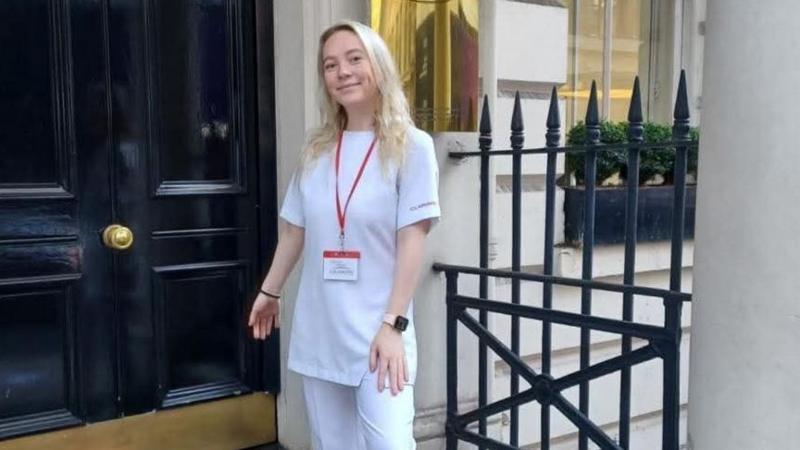
Price is calling for colleges and training providers to introduce a dedicated safety module covering appropriate massage techniques for male clients, recognisable red flags, and practical steps to take if a situation escalates.
"You don't know who's going to walk through the door, what they're going to be expecting from that treatment and how far they're going to go - and what you would do in that situation if they did take it further, so it's a difficult one."
She stressed the emotional toll of being treated unprofessionally:
"I work so hard to get to where I am doing so much training in physiology, anatomy, the human body in general. So to be degraded as almost a sex worker is disheartening, it's horrible."
What do other experienced therapists say?
Rhianne Evans, 46, from Merthyr Tydfil, brings 25 years of experience in the beauty industry and echoes Price's concerns. While she has not experienced physically threatening situations, she has repeatedly had to remind male clients of professional protocol, with some pushing boundaries regarding undergarments. During her tenure as spa manager at Nant Ddu Lodge in Merthyr Tydfil, she encountered suggestive comments from clients.
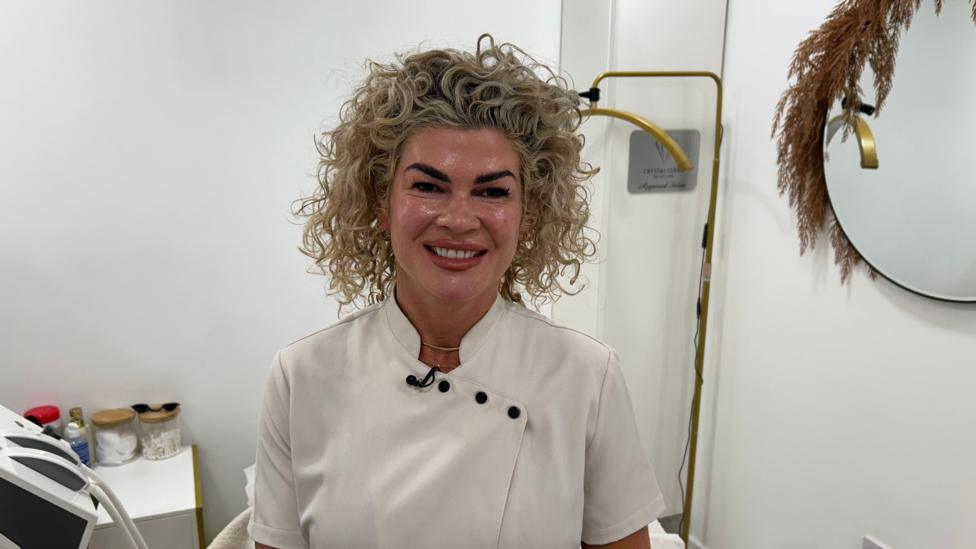
"We had some suggestive comments that I suppose could be passed off as a throwaway remark but even so I personally think it's unnecessary. It is a very close contact, personal treatment, whether it's a facial or a massage - you are just two of you in a room. And I don't think any comments really should be made, you know, suggesting anything otherwise than what they're there for."
After teaching beauty therapy for 20 years across two colleges, Evans advocates for safeguarding to be established as a standalone module in training courses, with particular emphasis on managing aggressive or suggestive clients. She notes that she previously raised these issues only as part of informal theory sessions, driven by her own lived experience. Evans recommends that therapists avoid massaging a male client's stomach during full-body treatments, instead allocating more time to the back, feet and head.
What guidance exists in the wider industry?
Professional bodies and regulatory authorities have established clear protocols for therapists facing boundary violations. According to industry guidance from the American Massage Therapy Association, therapists should stop the session immediately, prioritise their own safety, and contact law enforcement if a client crosses boundaries. Additionally, the Nevada State Board of Massage Therapy identifies warning signs including sexual comments, touching the genital region, and working the inner thigh without permission.
A massage-industry safety resource notes that inappropriate behaviour can encompass suggestive comments, sexual advances, and requests for off-site contact, highlighting why many therapists establish strict professional boundaries. These guidelines underscore that the problem Price and Evans describe is neither isolated nor new to the profession.
What have educational institutions said?
A spokesperson for Gwent College expressed regret about Price's experiences and stated that sexual harassment is "unacceptable". While declining to comment on her specific training, the college noted that the courses she completed in 2020 and 2021 adhered to the relevant awarding body's qualification requirements and incorporated the professional expertise of its lecturers. Regarding current provision, the college stated that beauty therapy training is "delivered by practising beauty therapists and includes training on ethical practice, personal safety and clear professional boundaries when working with clients of all genders".
The college added that it encourages learners to join professional membership bodies for ongoing guidance and support, and welcomed feedback from former learners as part of its regular curriculum review process to reflect current industry practice.
VTCT Skills, which sets the core curriculum for the Level 3 Beauty Diploma, stated that sexual harassment and inappropriate behaviour have "no place" in the workplace and stressed the importance of safe and respectful learning and working environments. While unable to comment on Price's individual experience, the organisation welcomed broader industry discussion on challenging such behaviour and ensuring those affected are "listened to, supported, and taken seriously".
City & Guilds, responsible for the Level 2 curriculum, declined to comment. The Complementary and Natural Healthcare Council (CNHC) stated it could not address the specific case but emphasised that no practitioner should experience feeling "unsafe or harassed", and noted that potentially criminal behaviour should be reported to police.
What is Price's current position?
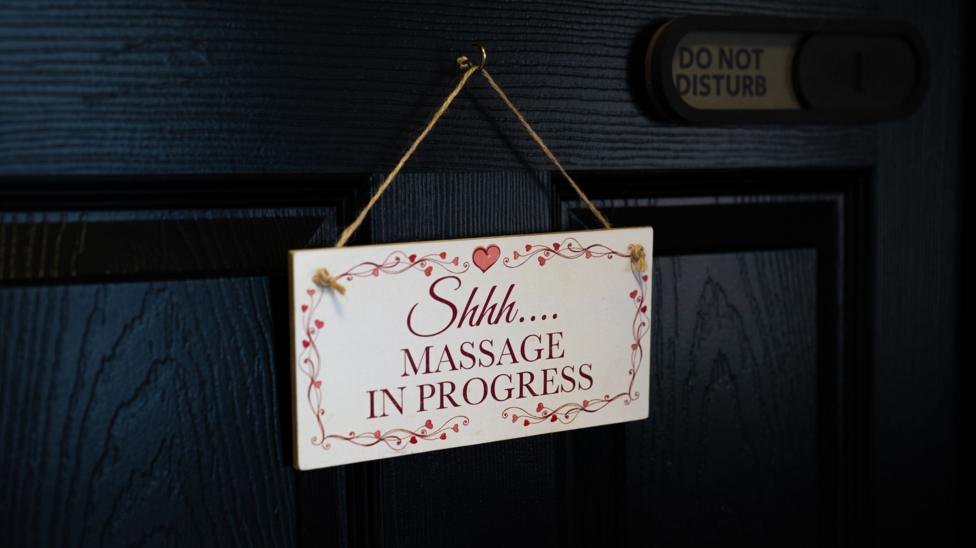
Price has implemented multiple safeguarding measures at her business. She no longer accepts new male clients when working alone, has installed a rape alarm in her treatment room, and fitted CCTV outside the building. Following her difficult experience, she posted on social media to remind potential clients that her practice is "strictly professional", asking men to
"think about sending that message before you do"and to consider the impact their behaviour has on therapists and their relationship with their profession.
Her broader advocacy focuses on systemic change. Price wants colleges and training providers to equip future therapists with practical knowledge about recognising and responding to boundary violations, ensuring that professionals enter the industry with realistic expectations and concrete safety strategies rather than learning through difficult personal experiences.
The issue Price raises reflects a wider pattern affecting female therapists across the UK. Similar concerns have been documented among female massage therapists in Scotland, who report frequent inappropriate behaviour from some male clients, leading to restrictions on male clientele and calls for better industry regulation and safety measures. Additionally, a BBC Audio programme titled File on 4: Assaulted by my massage therapist, published in May 2025, features accounts from women who report being sexually assaulted by massage therapists, underscoring that the problem extends beyond unwanted messages and inappropriate behaviour to more serious criminal conduct.
Key Facts
- Ffion Price, 26, from Gilwern near Abergavenny, receives inappropriate messages from male clients almost every other week since launching her self-employed practice in 2024.
- She has installed a rape alarm in her treatment room and CCTV outside her premises, and no longer accepts new male clients when working alone.
- During her Level 2 and Level 3 qualifications at Coleg Gwent (2018–2021), Price received minimal training on how to handle sexually inappropriate behaviour from clients.
- Experienced therapist Rhianne Evans, with 25 years in the industry, supports calls for safeguarding to be taught as a dedicated module in beauty therapy courses.
- Professional guidance from bodies including the American Massage Therapy Association and Nevada State Board of Massage Therapy establishes clear protocols for therapists facing boundary violations, including stopping the session and contacting law enforcement if necessary.