Maria's Experience Leads to Restricting Male Clients
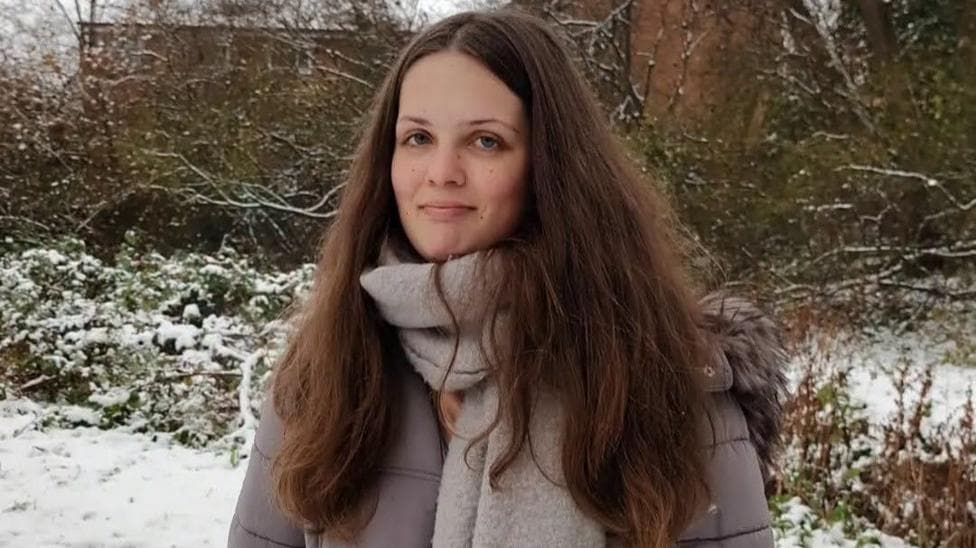
After only three months as a qualified massage therapist, Maria, 38, chose to be more selective about her clientele. She now refuses to accept new male clients following instances of inappropriate behavior that left her feeling unsafe and uneasy.
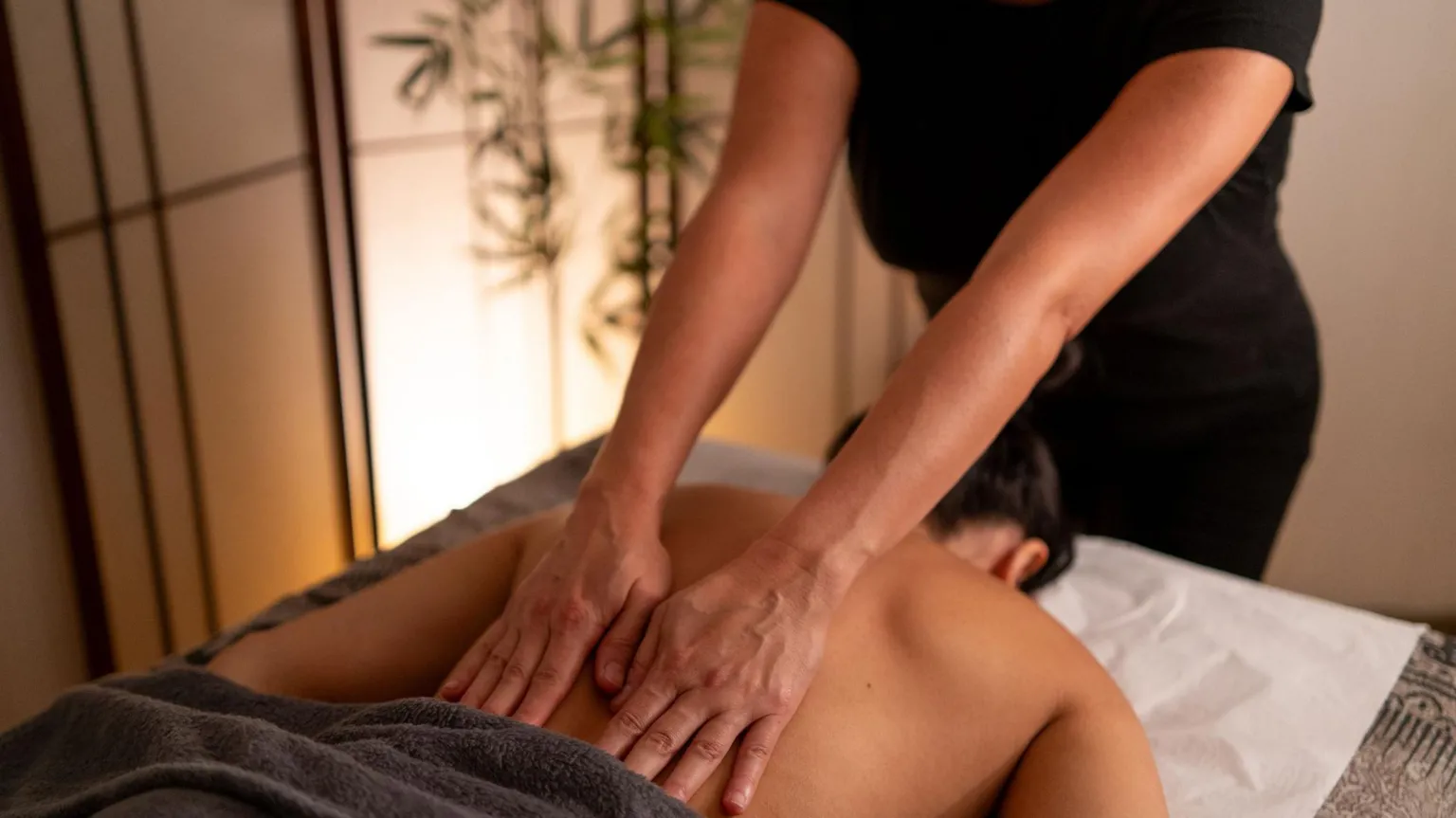
Maria owns Gentle Hands Massage Therapy in East Ayrshire and shared with BBC Scotland News that she leaves the room while clients prepare. Clients remove their tops but keep their underwear on and lie on the massage table covered by a blanket.
"I would walk in and he was laying facing down on the table with spread legs and very loose underwear,"
she recounts about one client she has since declined to see. Despite repeated discussions, the client expressed discomfort with being covered but continued to request being uncovered.
"We talked about it at every session, and he said, 'I understand but I don't like it'."
On another occasion, the same client attempted to expose his groin area before Maria turned away and reminded him that she was not trained to treat that region. The client also frequently complimented her by saying she was helping to "keep him alive." Maria reflected on the situation:
"When it's separated, you don't see the pattern. When I look back now, I see how he was trying to gain my trust and lower my guard."
Following a separate incident where another client argued against being covered, Maria decided to focus her business exclusively on female clients.
"It was like a cumulative experience with men,"
she explained.
"Half an hour before a massage, I was really stressed every time. I would just go over the scenarios about what could happen and how I should act."
Maria noted that treating women feels different, as she does not feel threatened or scared. She maintains two long-term male clients but refuses to accept new male clients. While business growth has slowed, she reports feeling happier and more fulfilled in her work.
Dani's Approach to Client Safety
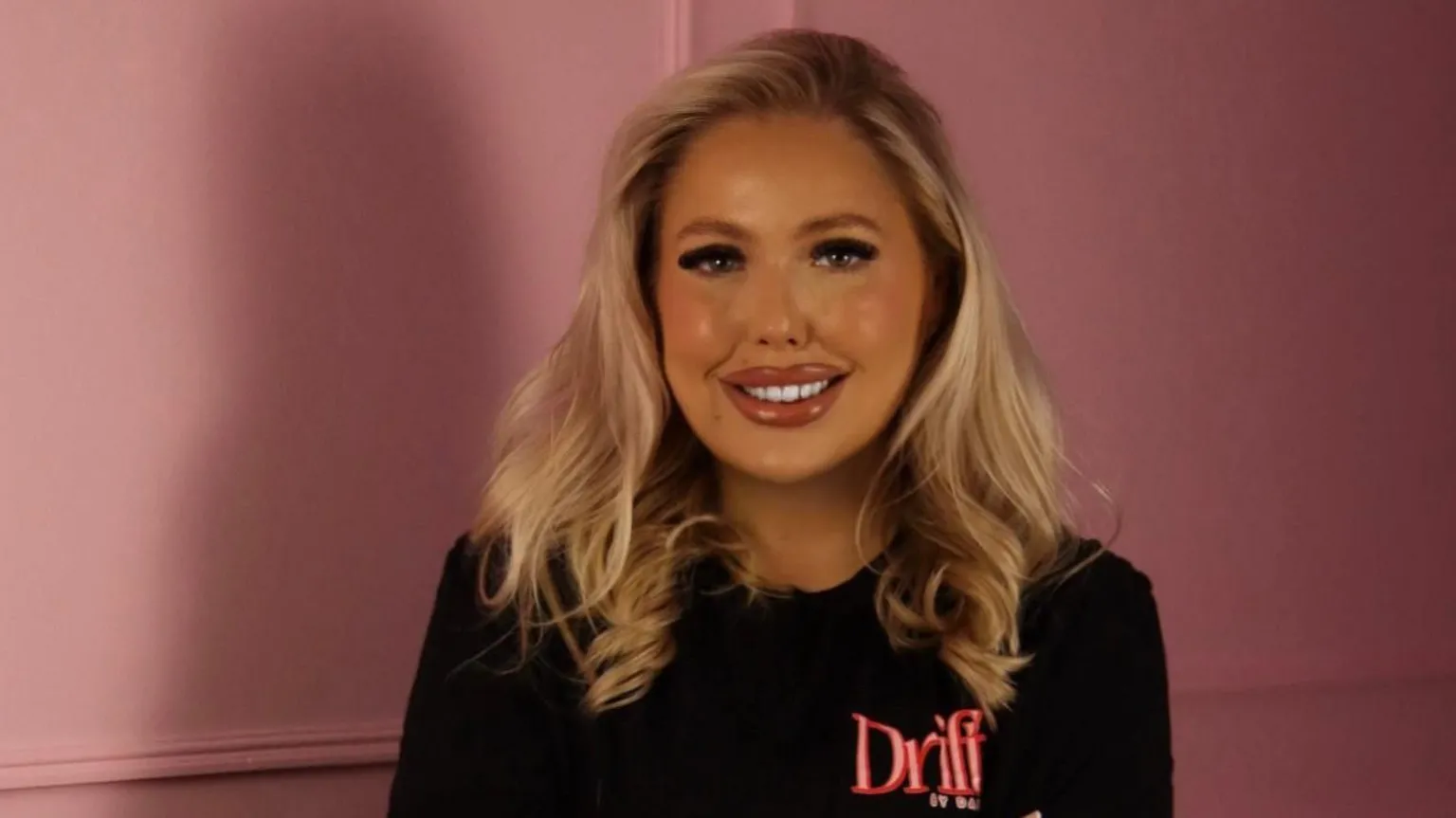
Dani, 35, retrained as a massage therapist six years ago after redundancy from a previous role in waste management. After working in several top Scottish spas, she launched her own massage and stretchology business, Drift by Dani, in Glasgow last year.
She only treats men she knows personally or those referred by trusted clients, prioritizing safety, especially when working late alone.
"It only takes one person to believe that kind of thing which also ruins my reputation,"
Dani said, referring to a client who joked about her offering "happy endings."
"I told him he's not allowed to come back, basically,"
she added. Dani emphasized the importance of protecting her reputation and safety, noting the time invested in building her clientele.
Dani and Maria both advocate for standardized training for therapists on managing inappropriate behavior and recognizing warning signs.
The massage industry in Scotland lacks a statutory governing body and legal regulation for therapists.
Industry Regulation and Reporting Challenges
Maria expressed a desire for a governing body to which therapists could report incidents, rather than relying solely on police intervention.
"We don't have anywhere to go except police but sometimes we question ourselves. Is it enough?"
Jenny Storey's Perspective on Industry Issues
Jenny Storey, 44, with 25 years in the industry, owns a salon and training school and serves as a spokesperson for the British Association of Beauty Therapy & Cosmetology (BABTAC).
She described a "bit of an uproar" regarding inappropriate messages on social media, which has led more women to avoid treating male clients.
"As bad as it sounds, I feel almost desensitised by it now because it happens so frequently,"
Jenny said, citing comments such as, "do you give happy endings" and other inappropriate remarks.
"As much as some people obviously just mean it as a joke, it's minimizing what we do in the industry and it can make people feel really uncomfortable as well,"
She noted that while the problem is longstanding, it should not be tolerated.
Jenny recalled an early career incident where a client locked her in a treatment room. She escaped through another door and uses the experience to inform staff training.
"Obviously it doesn't always happen to people and it is unfair to tar all men with the same brush, because we've got some amazing male clients, but it is important to prepare them with what could happen and how to cope with it,"
Jenny, who owns Urban Retreat salon, does not exclude men but acknowledges that a minority cause discomfort.
"I don't know why it's so prevalent in our industry because any other industry, it just would not be tolerated,"
she said.

Government Response
A Scottish government spokesperson stated:
"Everyone has the right to feel safe at their place of work and the behaviour described is completely unacceptable.
Anyone experiencing this kind of harassment is encouraged to seek support."