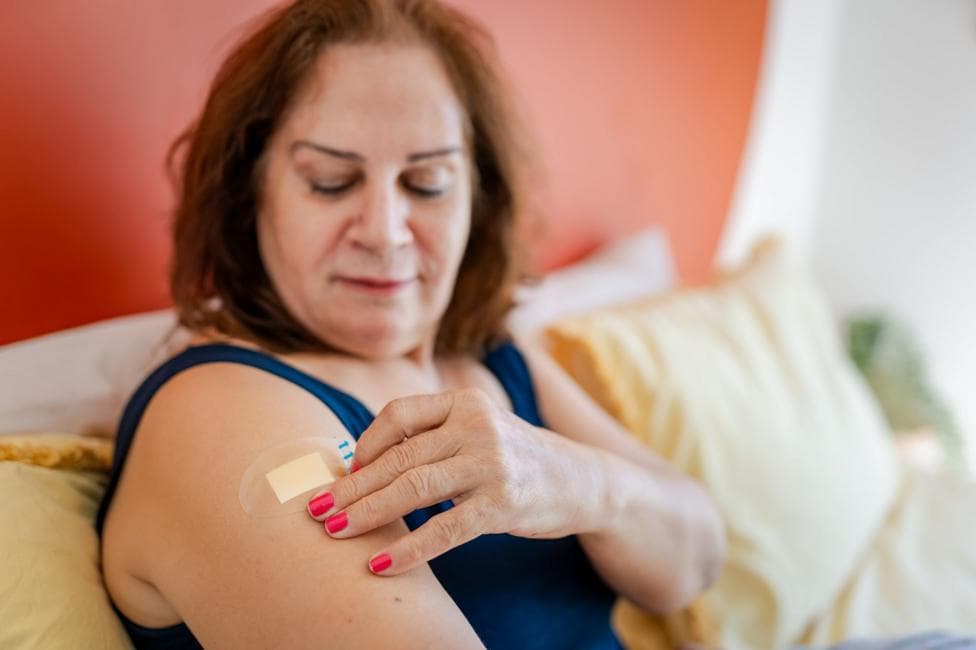
Women experiencing disruptions to their usual Hormone Replacement Therapy (HRT) medications have been advised to seek guidance from their GP or pharmacy rather than attempt to manage symptoms independently. The warning comes as supplies of several major HRT patch brands face manufacturing and distribution delays across the UK.
Pharmacist Paul Irvine emphasised the importance of professional support during these shortages. He acknowledged that women are understandably concerned but stressed the value of speaking with healthcare professionals who can recommend suitable alternatives tailored to individual needs.

The Department of Health has officially confirmed supply disruptions affecting Estradot transdermal patches and FemSeven Conti patches. According to the Centre for Pharmacy Education, FemSeven Conti is expected to remain out of stock until late November 2026, while Evorel Conti and two Estradot Conti strengths remain available to support demand.
Why switching medications causes concern
Many women become accustomed to a particular HRT brand after finding one that works effectively for their symptoms. When supplies become unavailable and alternatives must be used, the transition can prove problematic. Irvine, a pharmacy manager in Belfast, explained that switching formulations may result in side effects or reduced effectiveness for some patients.
When they are short and they like to try alternatives, they may suffer side effects or it might just not work as well. So it is important for us as pharmacists that we are there to guide people and offer them alternative and the correct advice.
Dr Ursula Mason, chair of the Royal College of General Practitioners Northern Ireland, highlighted the emotional toll these disruptions create for patients.

This can be particularly so for HRT medication when a woman has found a preparation that works well for them.
Dr Mason reassured patients that substitutions follow strict protocols. She noted that replacements are only permitted for products containing exactly the same active ingredient at the same dose. Should a woman experience difficulties with a new formulation, she advised contacting her GP to discuss symptoms and explore other suitable options.
What support is available during shortages?
The Department of Health has issued communications to healthcare professionals detailing affected products and recommending suitable alternatives that remain in stock. Serious Shortage Protocols (SSPs) for Estradot transdermal patches are currently active and will remain in place until 8 January 2027. These protocols allow pharmacists to supply alternative products without requiring a new prescription, provided the patient agrees to the substitution.
According to Pharmacy2U research, the practical impact of these shortages is significant: 61% of women reported needing to make at least a second pharmacy visit after being unable to collect their menopause treatment on the first attempt. This repeated inconvenience compounds the frustration many patients experience.
The Department of Health advised that patients unable to access their prescribed medication or concerned about alternatives should speak with a healthcare professional about their treatment options.
Real-world impact on patients
Roisin Hillman, co-founder of Menopause Together, Northern Ireland's first menopause support charity, has observed the tangible consequences of these ongoing shortages. Women forced to switch brands have reported side effects including itchy skin or patches failing to adhere properly.

This is an issue going on for years.
Hillman emphasised that once women find a medication managing their symptoms effectively, discovering it has become unavailable is deeply frustrating. She recommended that patients request longer-term prescriptions from their GPs to help anticipate and navigate future supply gaps.
She also stressed the importance of not sharing HRT medications with others, even when facing shortages. What is prescribed for one individual may not be suitable for another, and such sharing could mask underlying health issues or cause unintended side effects.
I know that when women have that fear and anxiety that the HRT they are on is helping so many aspects of their life and in particular a woman's mental health. If she on HRT that works for her and then if she is not getting that HRT it can be really hard.
When will supplies return to normal?
According to the Centre for Pharmacy Education, the Serious Shortage Protocols covering all four Estradot patch strengths—25, 50, 75 and 100 microgram formulations—have been extended and are scheduled to end on 8 January 2027. FemSeven Conti is expected to return to stock by late November 2026, though patients should confirm availability with their pharmacy as timelines may shift.
In the interim, healthcare professionals remain the primary resource for navigating these disruptions. Women experiencing difficulties accessing their usual HRT should contact their GP or local pharmacy promptly rather than attempting to manage symptoms alone or sourcing medications through informal channels.