

Choosing a bicycle in 2026 can feel far more complicated than it should, given the sheer number of frame types, price brackets and components now on the market. This guide draws on input from two specialists — David Arthur, founder of a cycling-technology video channel, and Stephen Roche, owner of a bike-fitting and custom-build studio — to set out what shoppers need to weigh up before spending any money. The central message is simple: settle on how you will use the bike, how much you can afford, and which features actually matter to you, before you start comparing individual models.
For many riders, cycling is less about equipment and more about the experience — a calming, uncomplicated escape from daily life. The problem is that reaching that simple pleasure first means navigating a purchasing process that can feel needlessly complex. Buying a bicycle is rarely as simple as walking into a shop, pointing at the nearest model and riding off. It doesn't have to be stressful, however, provided buyers ask themselves three questions first: how will the bike be used, what is the budget, and which features are non-negotiable?
What type of bike should I choose?
The right bike depends heavily on where and how it will be ridden, and the industry's habit of inventing new sub-categories only adds to the confusion. In practice, almost every bike on sale falls into one of five broad groups.
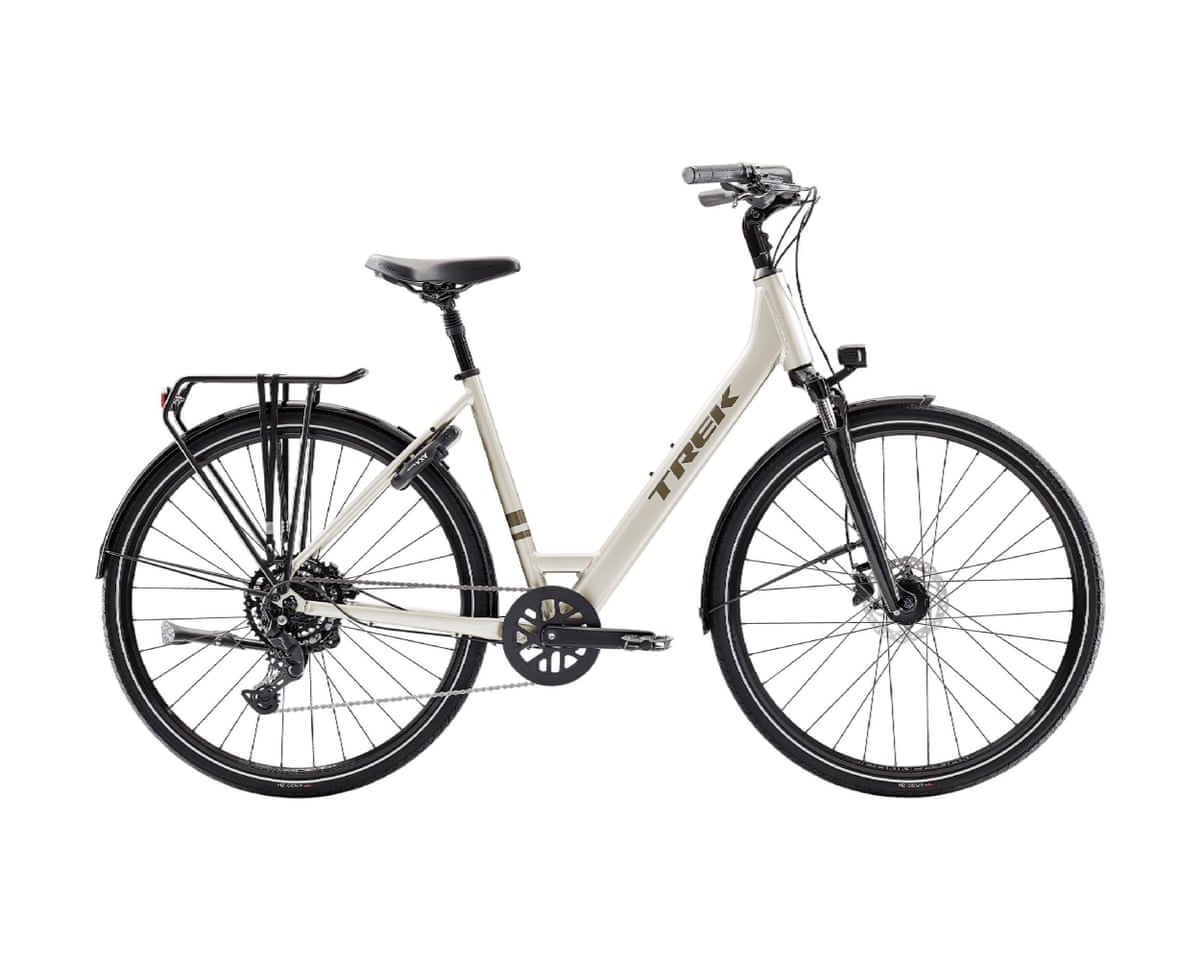
Are hybrid bikes a good option for commuting?
Hybrid bikes borrow elements from both road and mountain bikes and are built around comfort for everyday journeys. They tend to suit urban environments where trips are short and outright speed is not the priority, and they are usually among the most affordable bikes available.
These bikes are perfect for commuting and casual leisure cycling due to the flat handlebar and upright riding position. That said, they can feel slow compared with road bikes.
— David Arthur
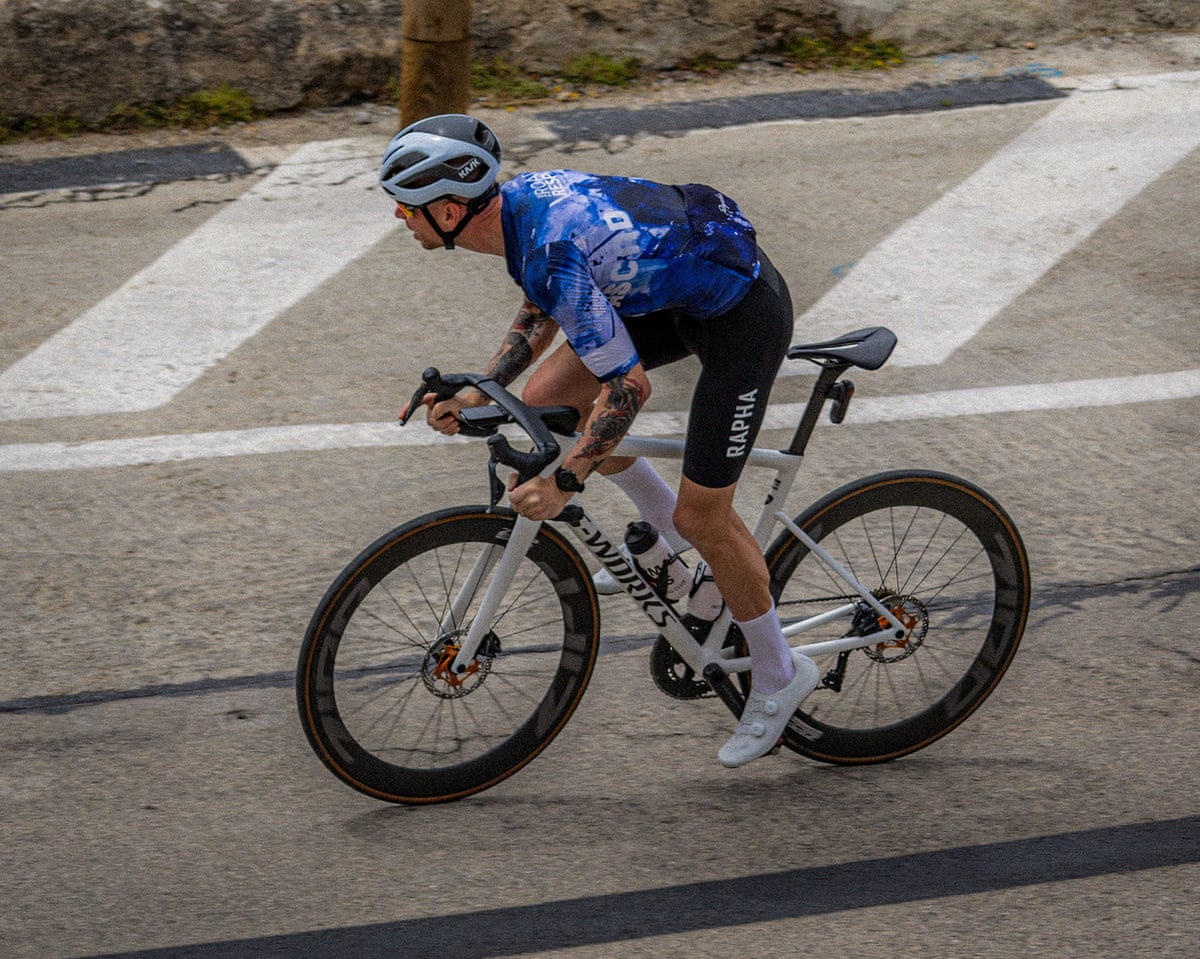
Who are road bikes designed for?
Road bikes are built for speed on paved surfaces. Their drop handlebars let the rider crouch low and tuck in, reducing drag, while slick tyres and lightweight frames maximise efficiency on tarmac.
The downside is that the low-slung riding position can be uncomfortable at first. The relatively narrow tyres combined with a stiff frame can be jarring on rough roads.
— David Arthur
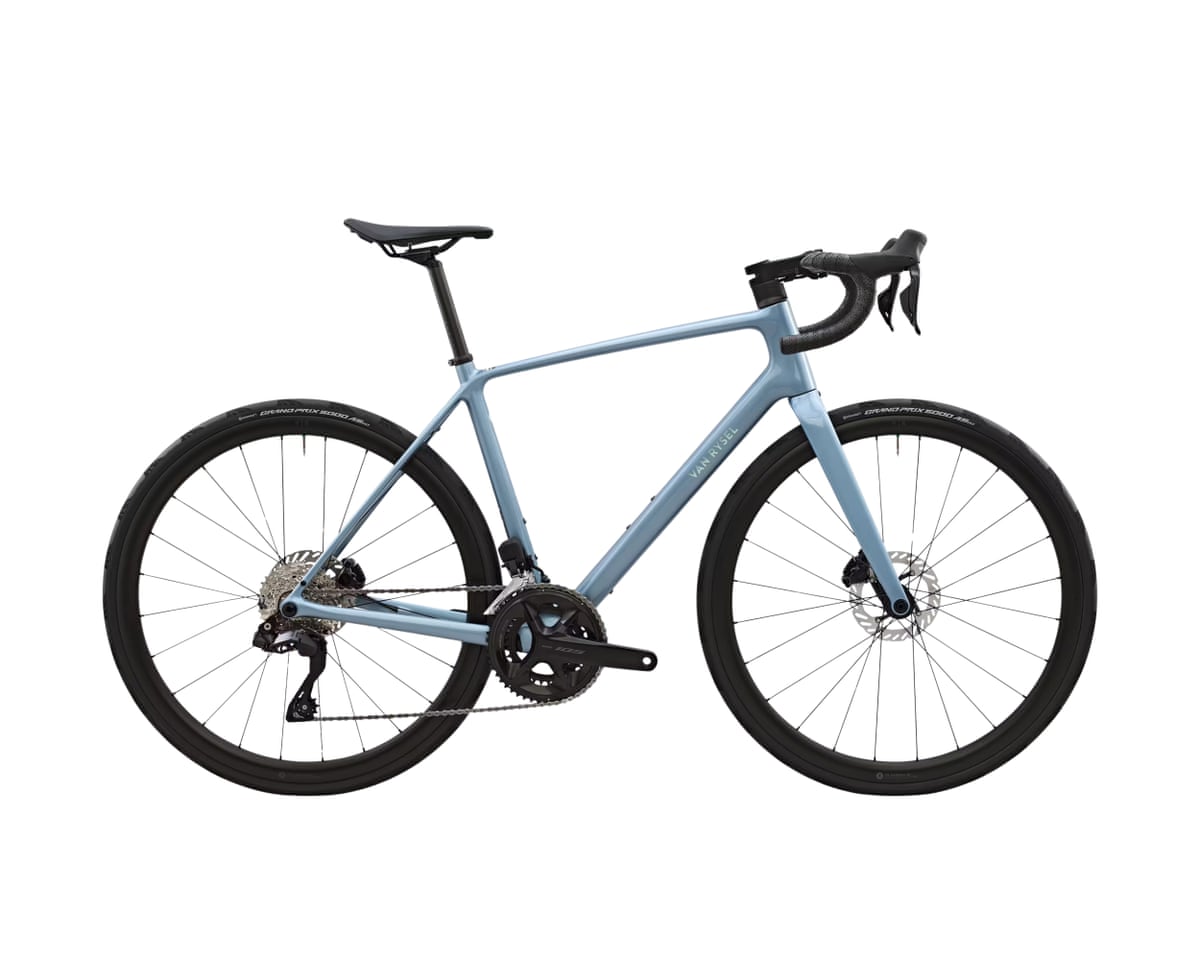
What makes gravel bikes so popular right now?
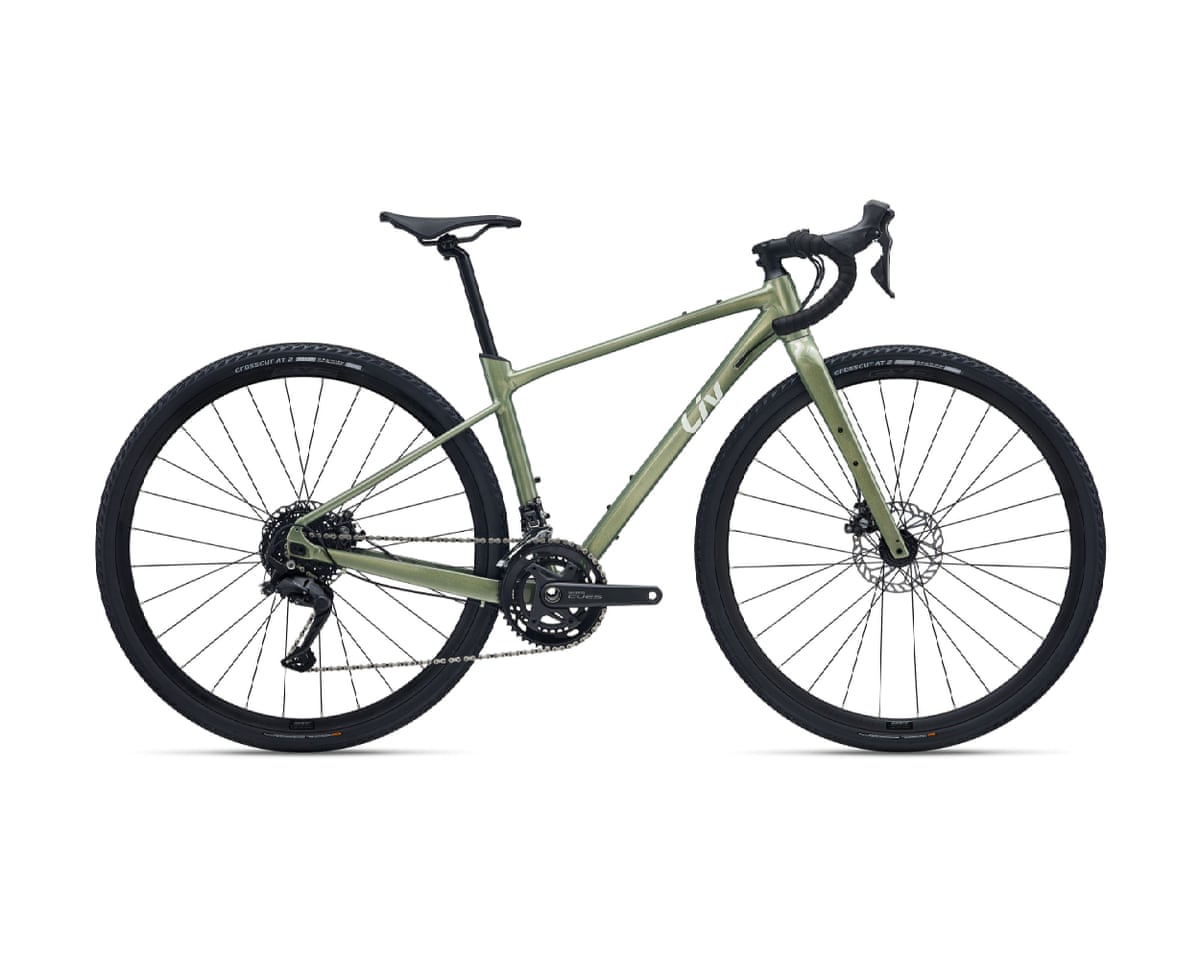
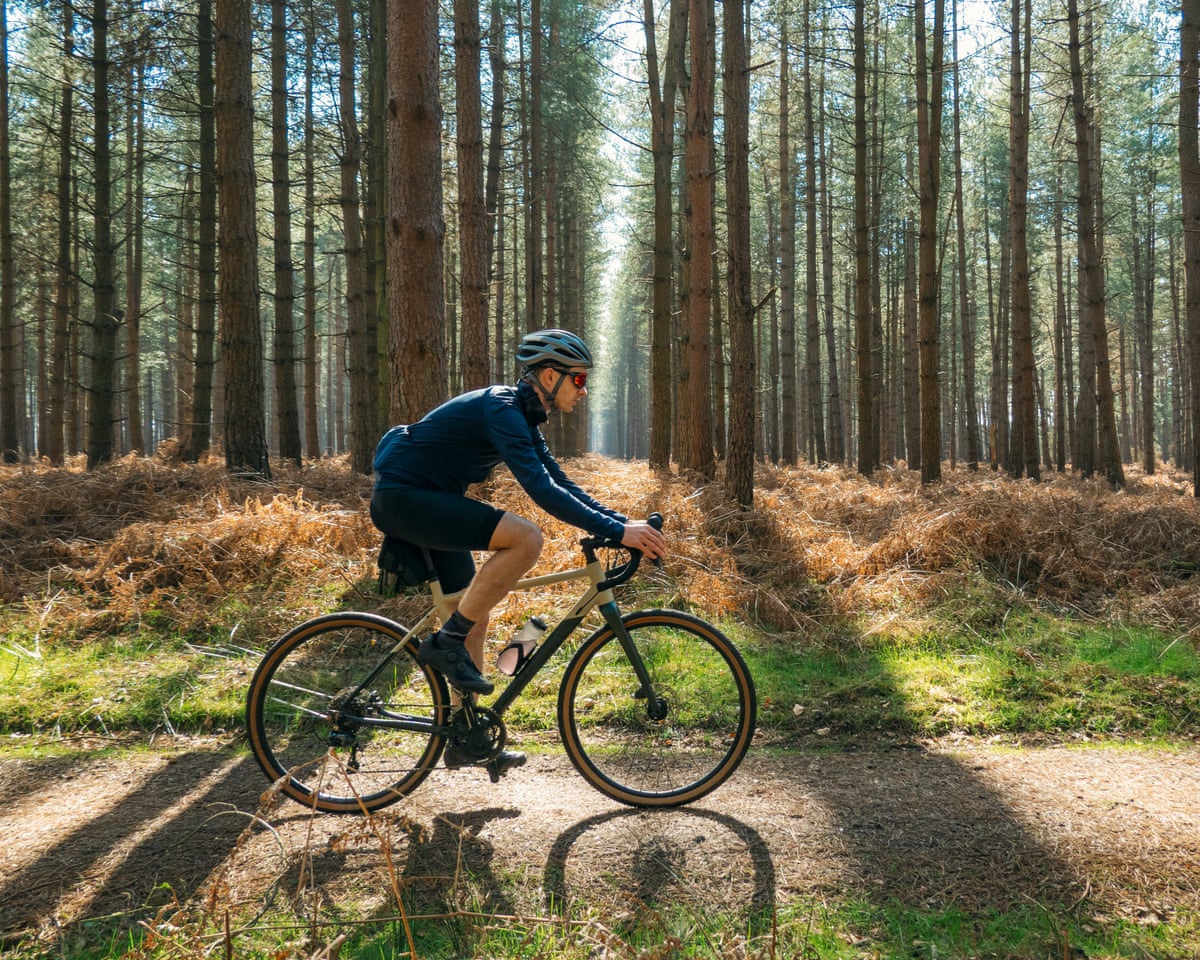
Gravel bikes are the fastest-growing category in cycling and are essentially an off-road adaptation of the road bike. They keep the drop bars and overall shape but add wider tyres for grip, lower gearing for unpaved climbs, and a longer wheelbase for stability.
Gravel bikes are designed to handle a variety of terrain. They're the perfect all-rounders – as at home on country lanes as they are blasting through a forest or tackling the daily commute. The trade-off is they're slower than road bikes on the road and less capable than mountain bikes on the rough stuff.
— David Arthur
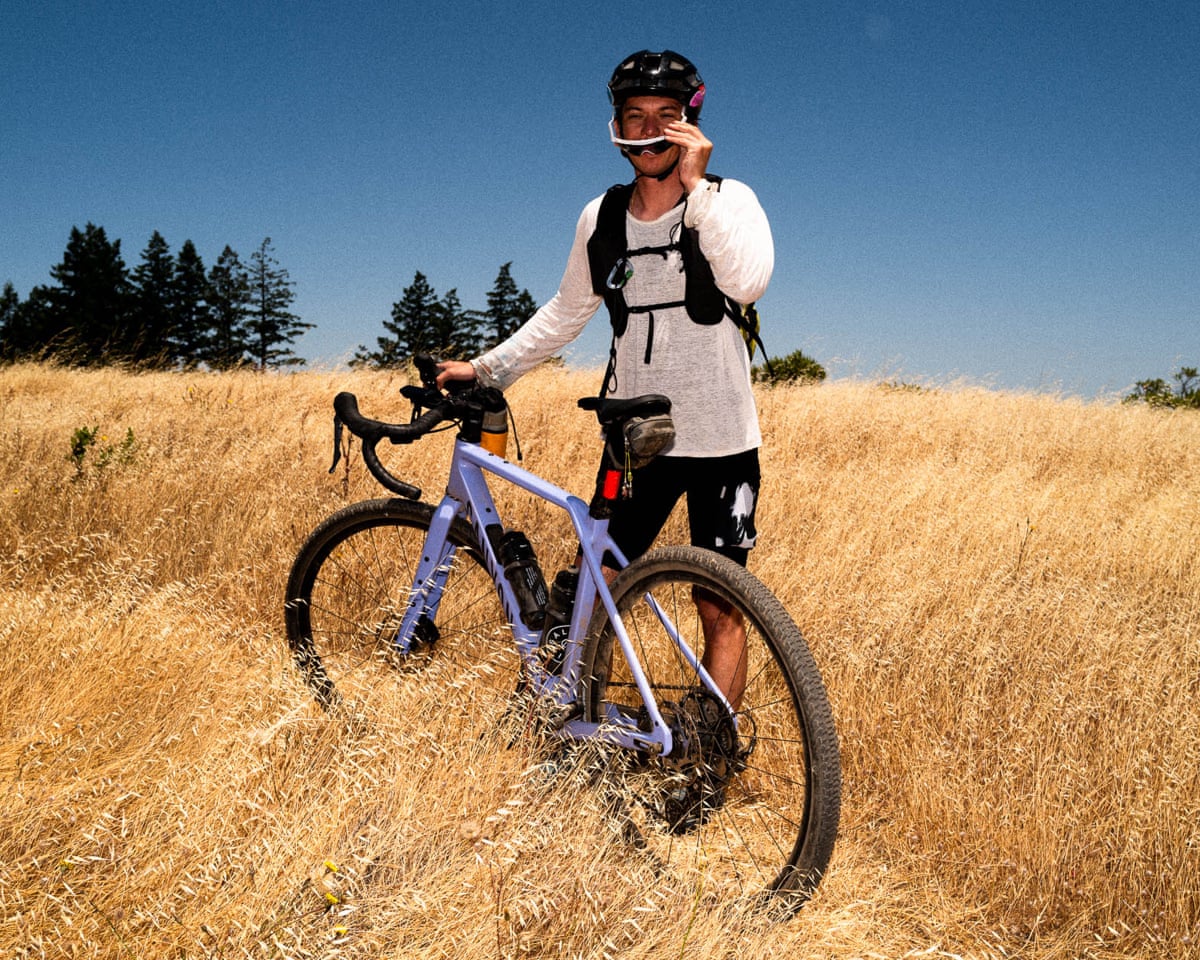
When should I choose a mountain bike instead?
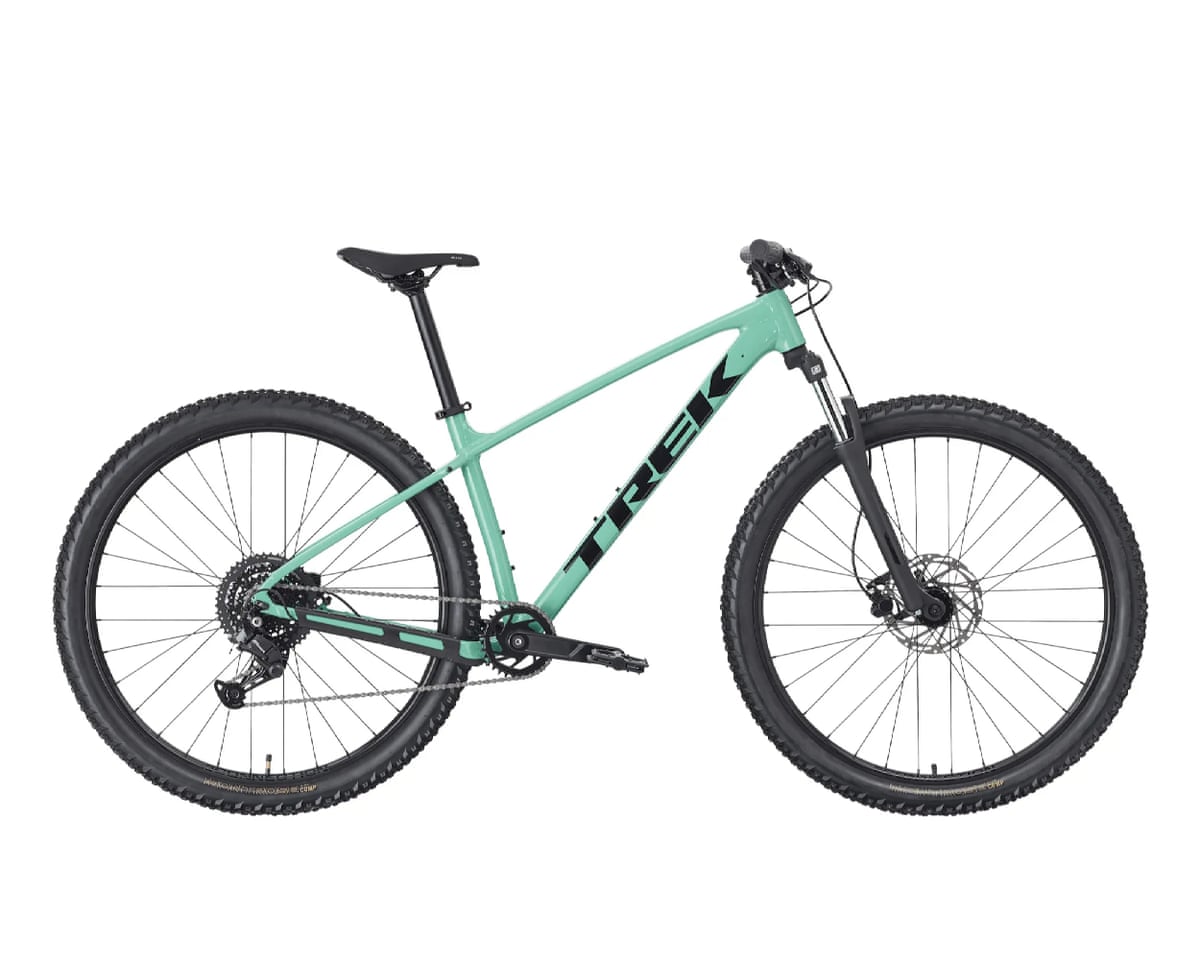
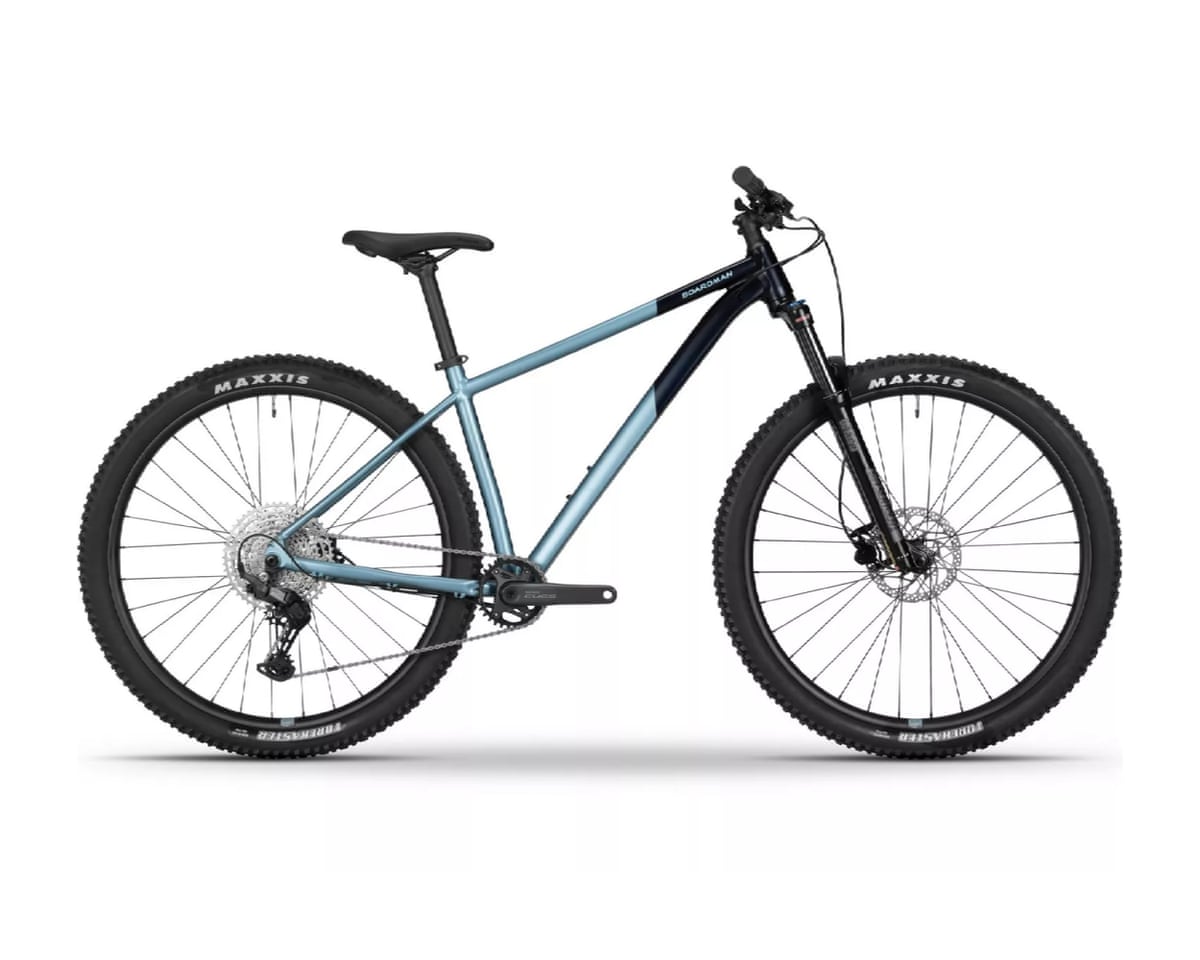
Anyone planning to spend most of their time away from roads and paths should consider a mountain bike. Thick, knobbly tyres provide grip on loose ground, flat handlebars aid control, and many models include suspension to absorb impacts on rough terrain.
These comfort-focused features – including easy gearing and a relaxed riding position – make mountain bikes great for beginners. Unfortunately, big tyres and suspension systems add weight and mechanical complexity.
— David Arthur
Could a cargo bike replace a car for some journeys?
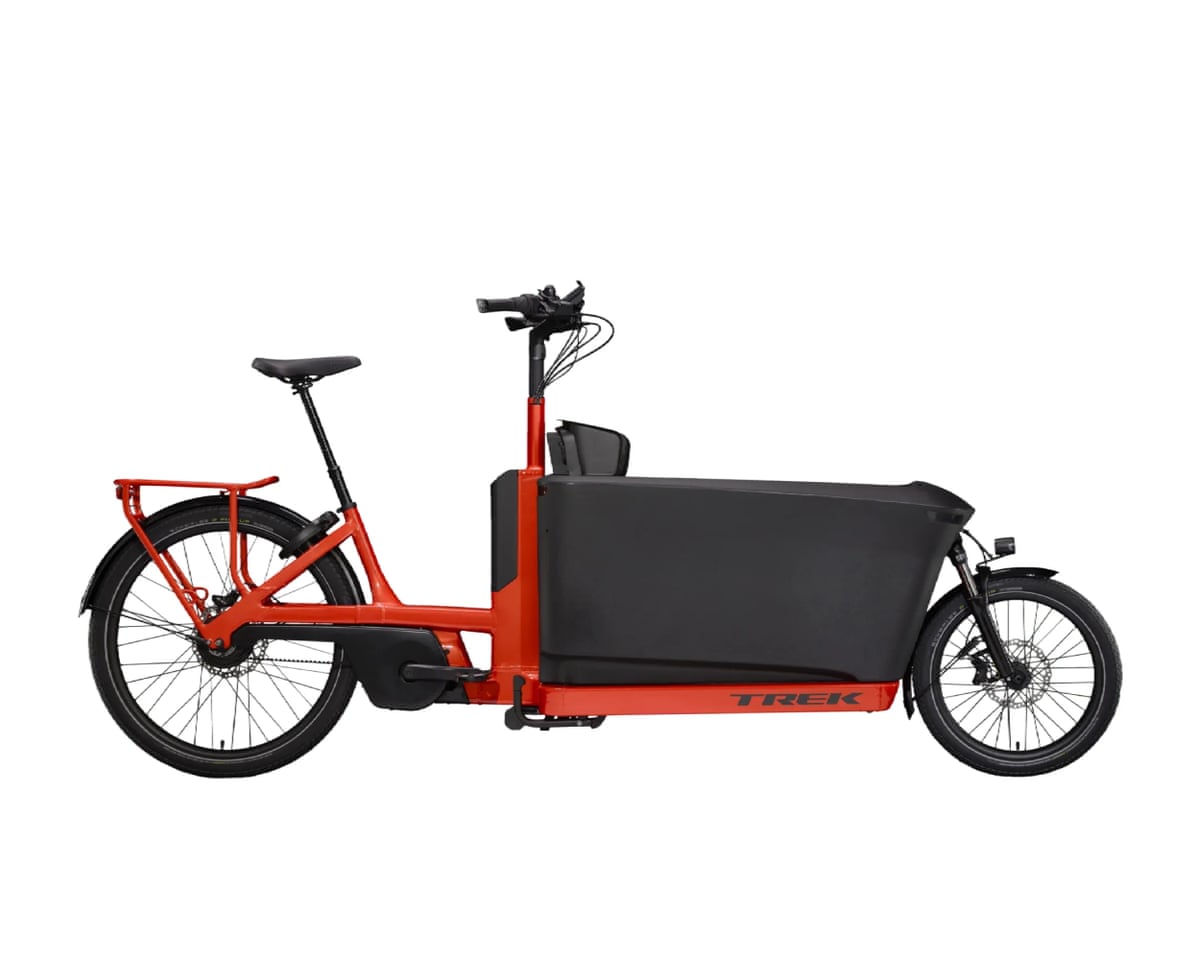
Cargo bikes offer a genuine alternative to short car trips. Fitted with a large platform or bucket at the front or rear, they can carry loads ranging from weekly shopping to children.
Many cargo bikes have pedal-assist motors too. But they're expensive and bulky to store, so you'll need the money and the space first.
— David Arthur
What if I don't have much storage space?
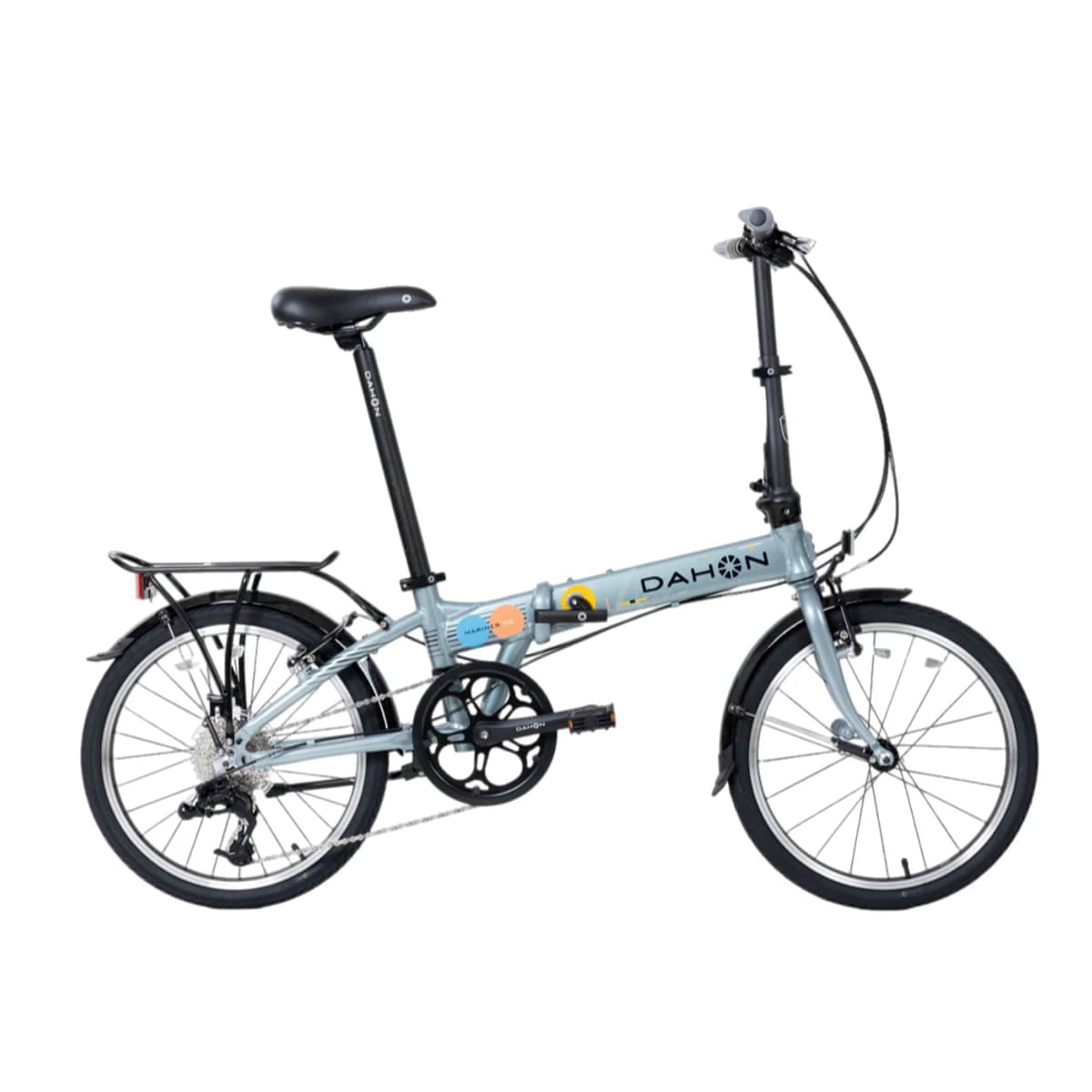
Folding bikes are the obvious solution for anyone without room to store a full-size machine. Smaller wheels and compact, foldable frames allow these bikes to be packed away quickly between rides. One London-founded brand from the 1970s has built a strong reputation for reliability in this category, and its name has become so widely used that it is now almost generic shorthand for folding bikes in general — though rivals such as Dahon also produce well-regarded models, often at a somewhat lower price. Buyers with the budget to stretch further may still find the extra build quality worthwhile.
What accessories do I need alongside the bike itself?
A helmet is not legally required for most cyclists, but the majority of riders choose to wear one regardless, since it can be decisive in a serious crash. Look for a helmet that fits snugly and adjustably, with no significant movement when the head is shaken.
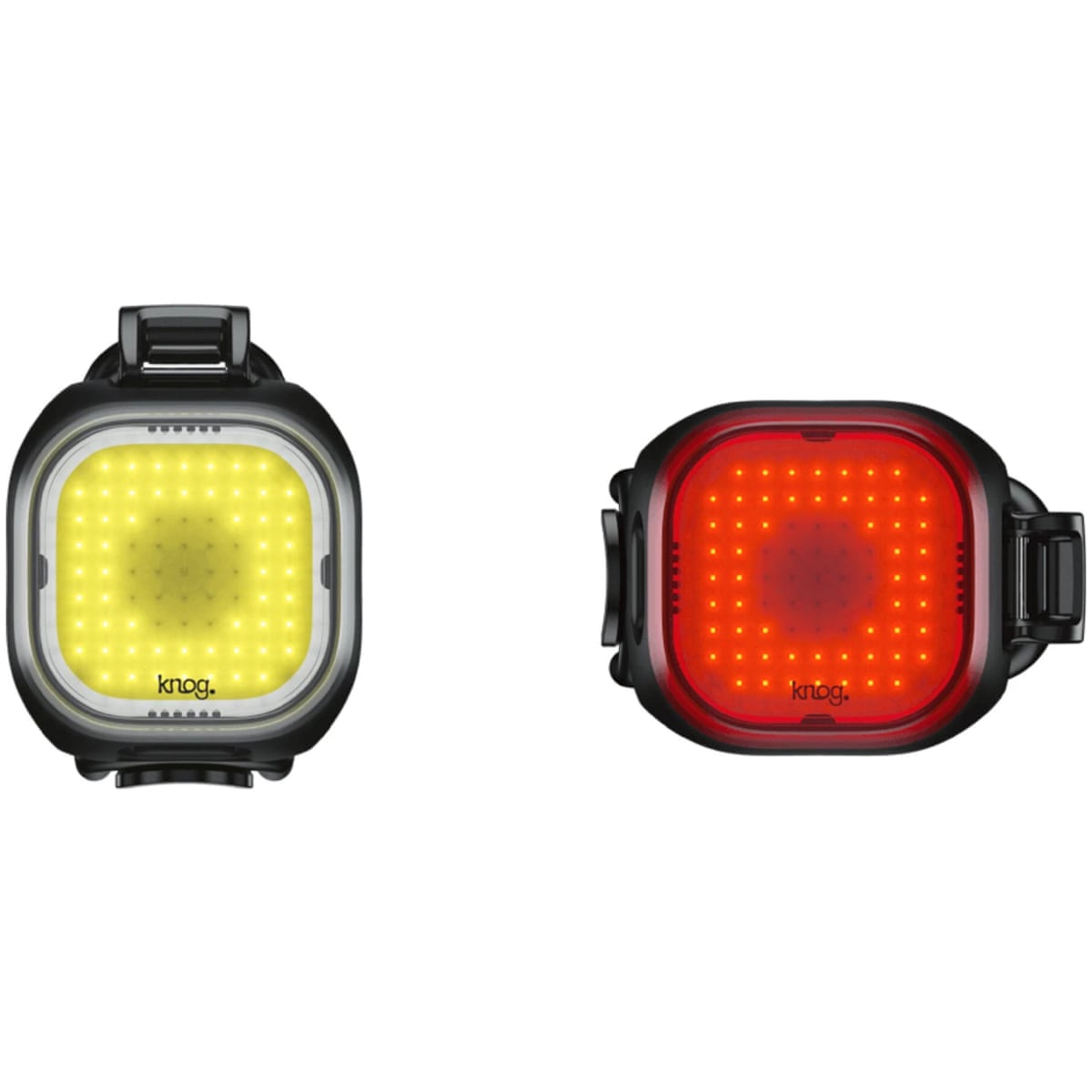
Lights are essential for anyone riding on the road after dark, both to see the road ahead and to be seen by other traffic. By law, a red light must be mounted at the rear and a white light at the front. The best sets have rechargeable batteries, multiple static and flashing modes, and can be attached or removed easily.
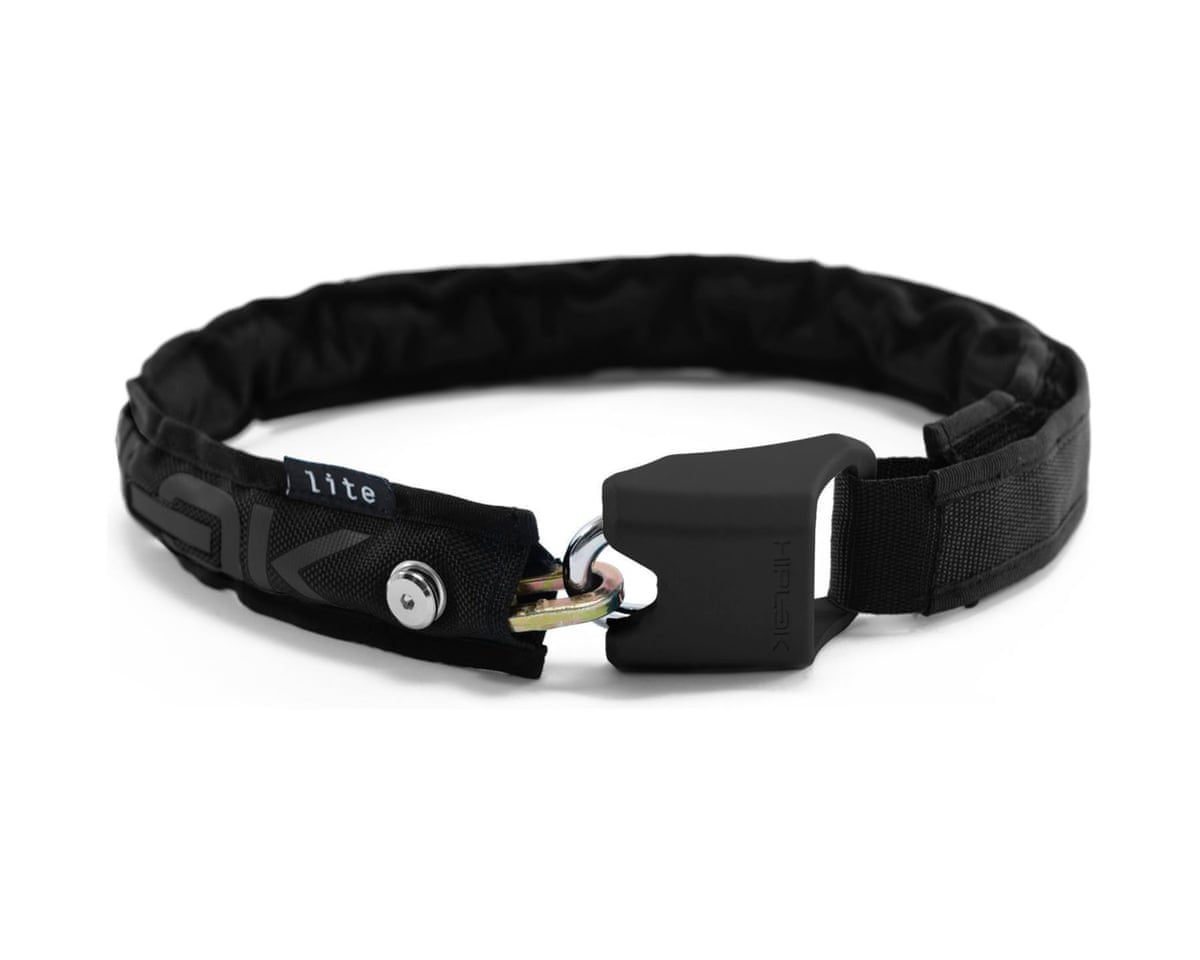
A lock is worth investing in for anyone commuting or running errands by bike. Heavier, more cumbersome locks generally offer the strongest protection for bikes left unattended over long periods, while smaller, more discreet options suit brief stops. Wearable chain locks strike a middle ground, combining portability with solid security.
Which basic tools should every cyclist carry?
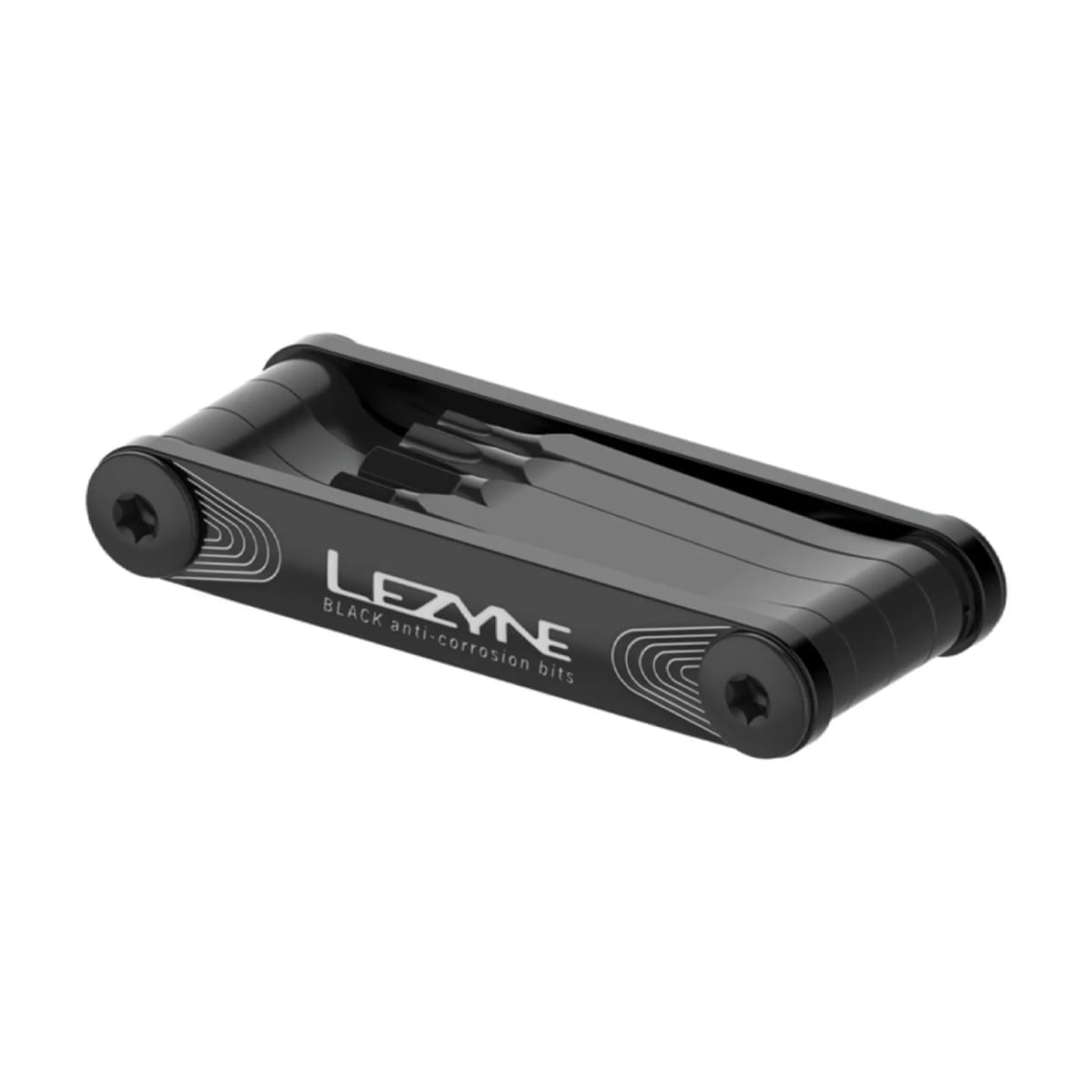
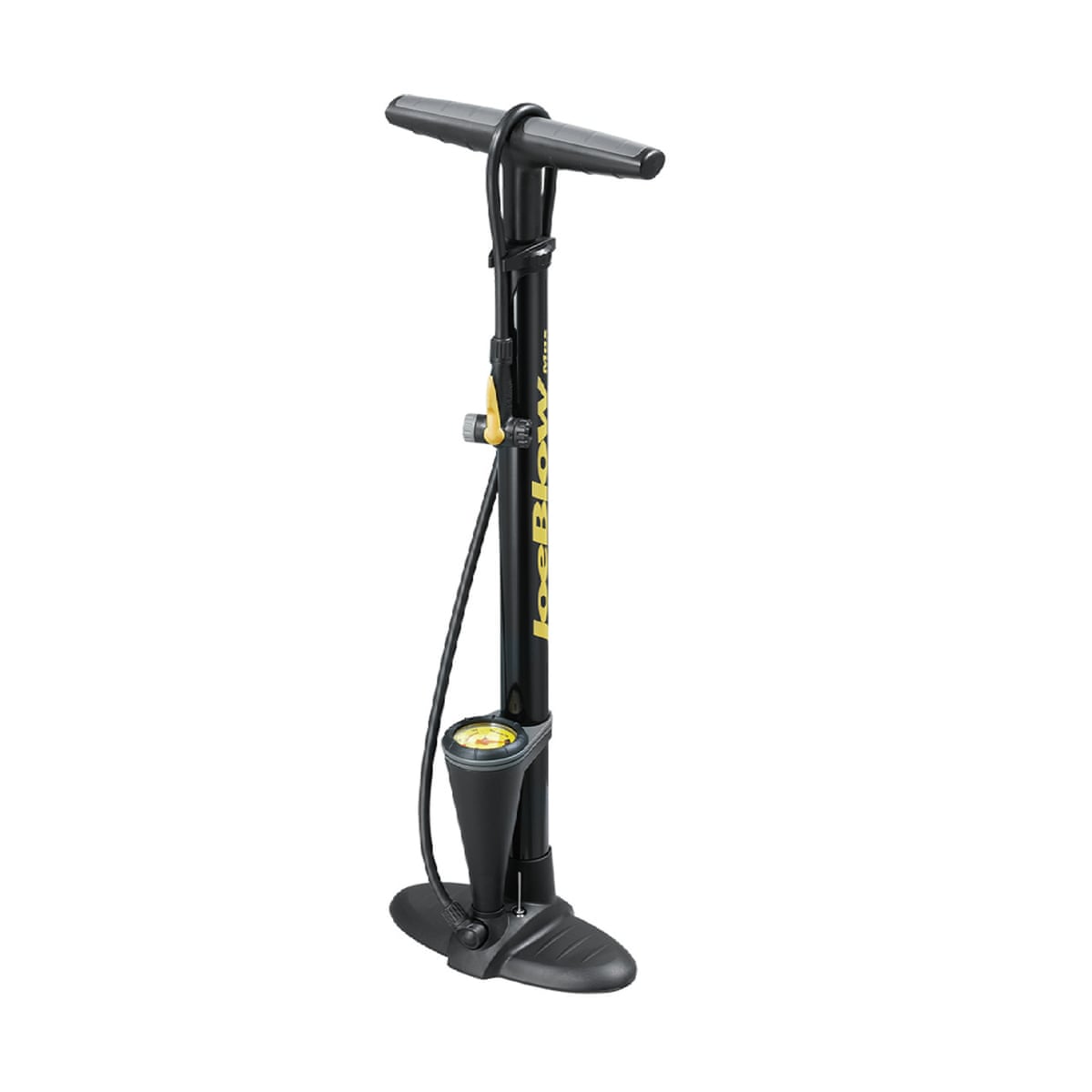
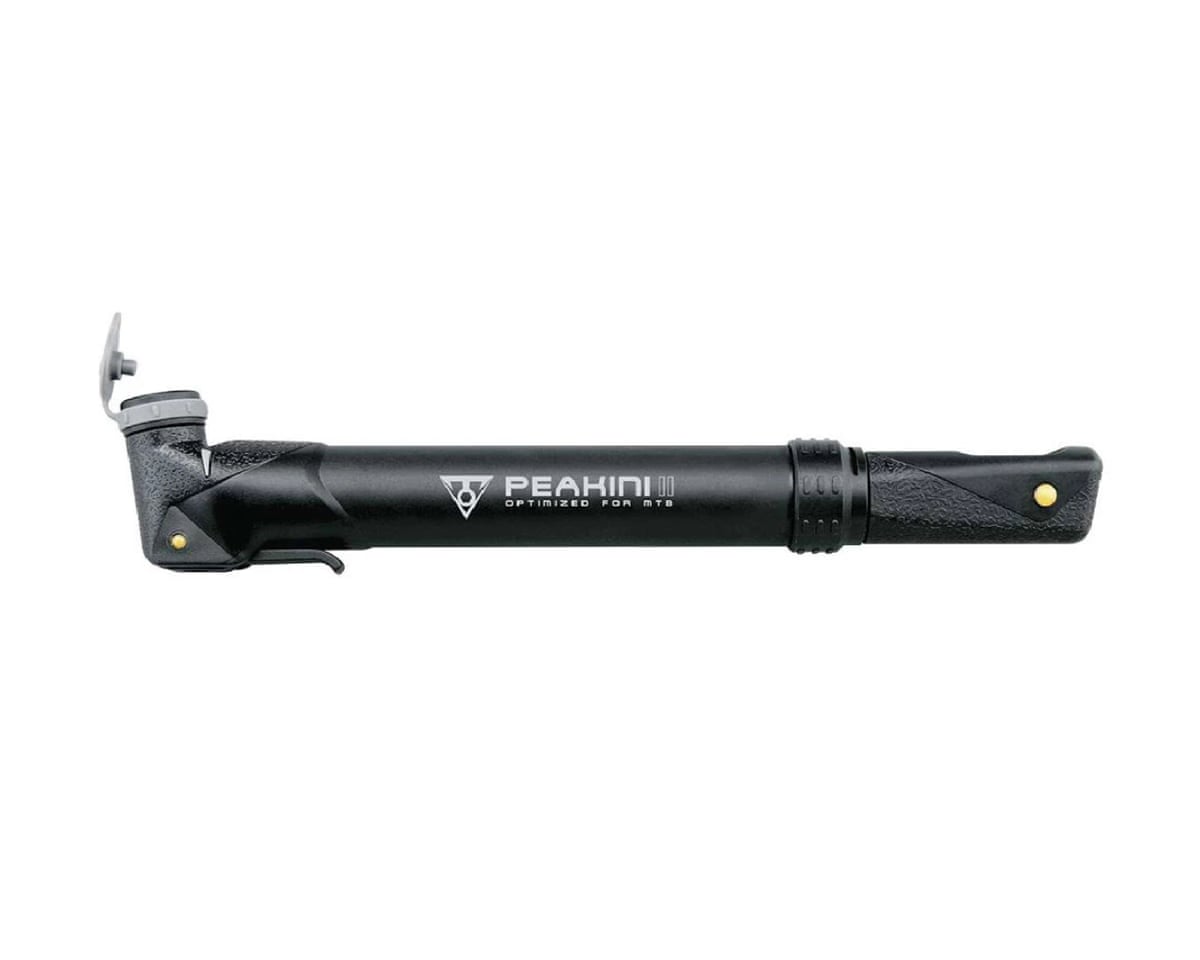
Mechanical faults are a fact of cycling life, and many can be fixed at home or mid-ride with the right kit. A multitool with several Allen key heads covers most adjustments, and higher-end versions may even include a chain-link remover. It is also worth owning two pumps: a floor-standing track pump for quick inflation at home, and a compact mini pump that fits in a pocket, pannier or backpack for use on the road.
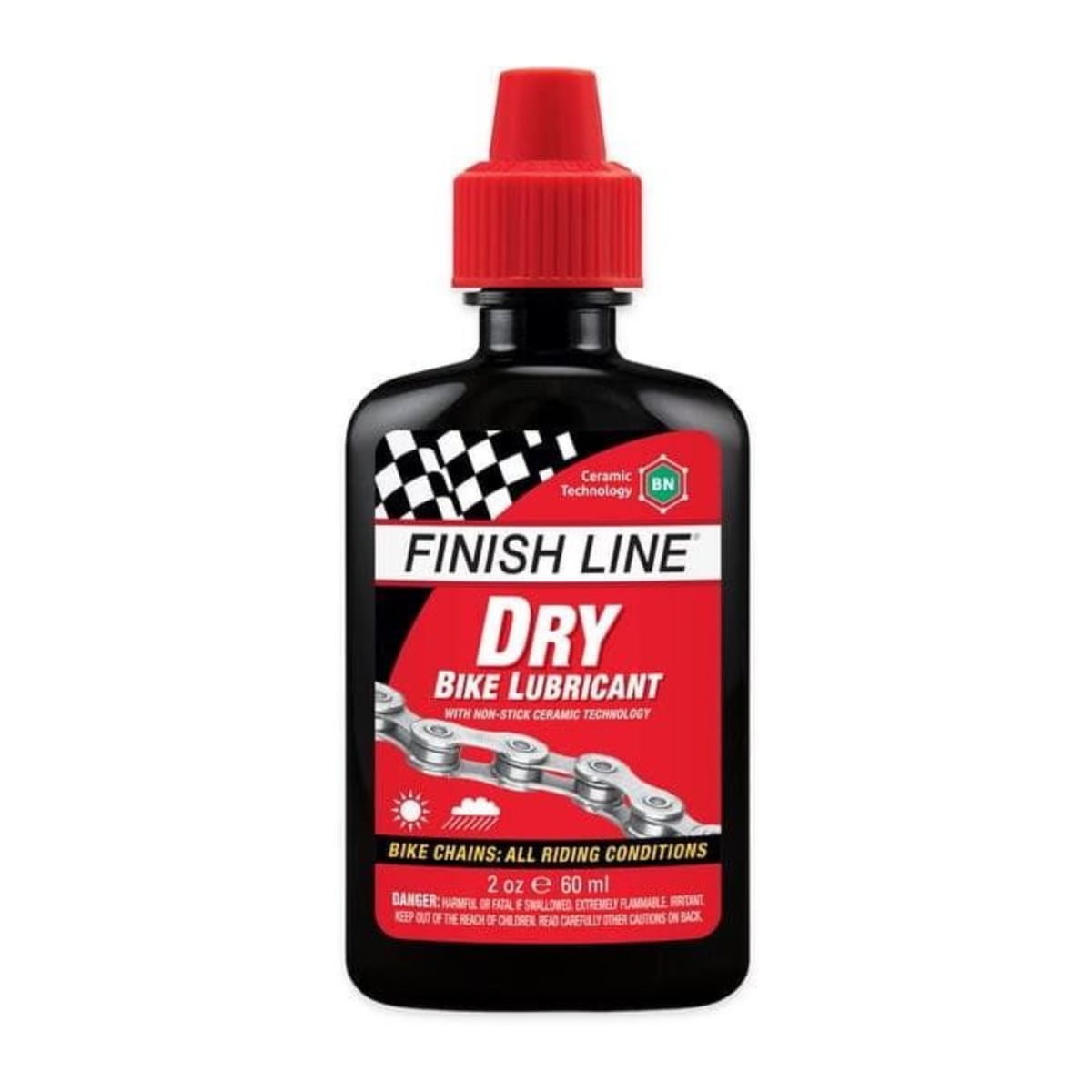
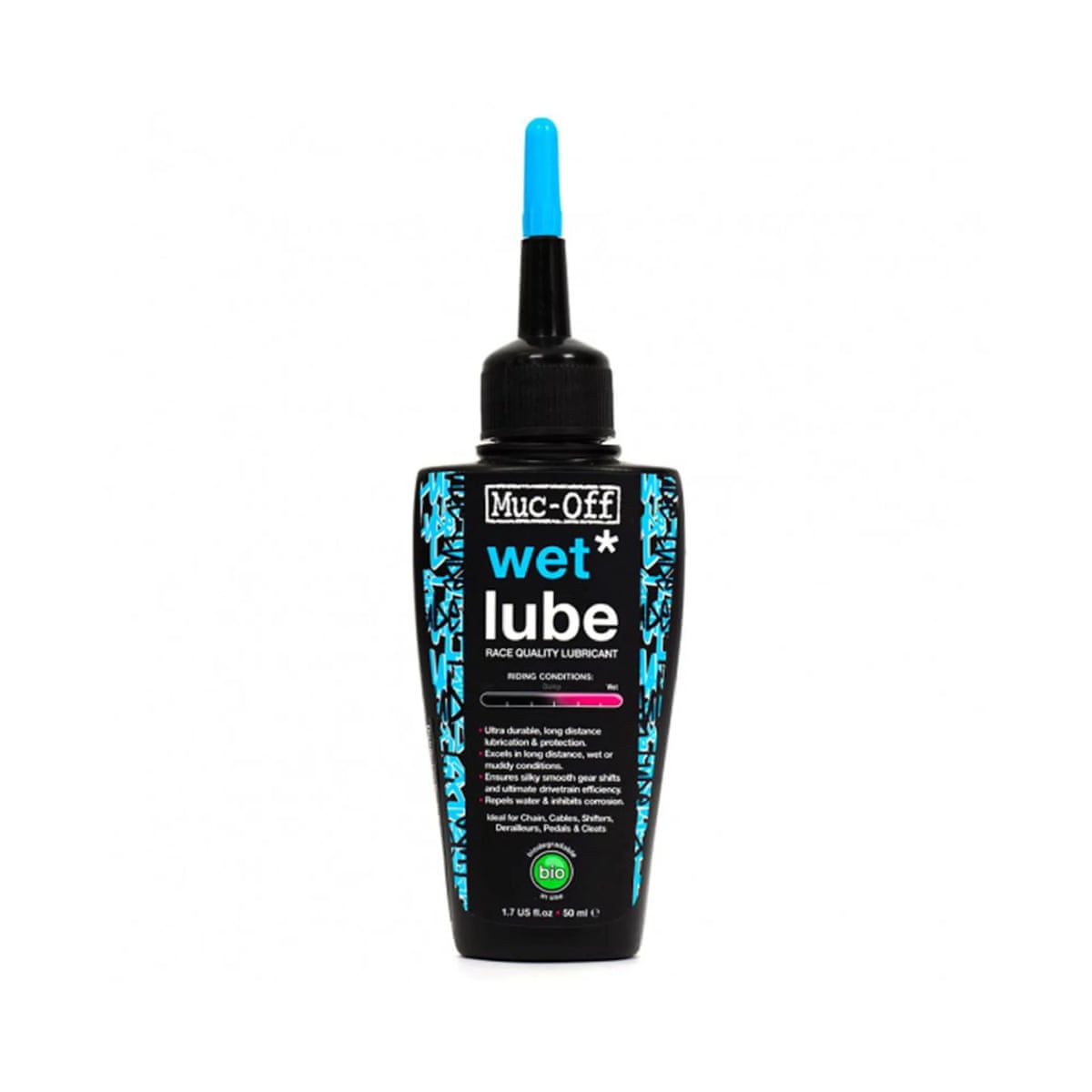
A bike's drivetrain — the chain, cassette and chainrings — wears down over time, but regular lubrication extends its life considerably. Riders should choose a lubricant suited to dry or wet conditions, apply it to the side of the chain that meets the cassette and chainring teeth, and repeat the process roughly every 100 miles, or more often in wet weather.
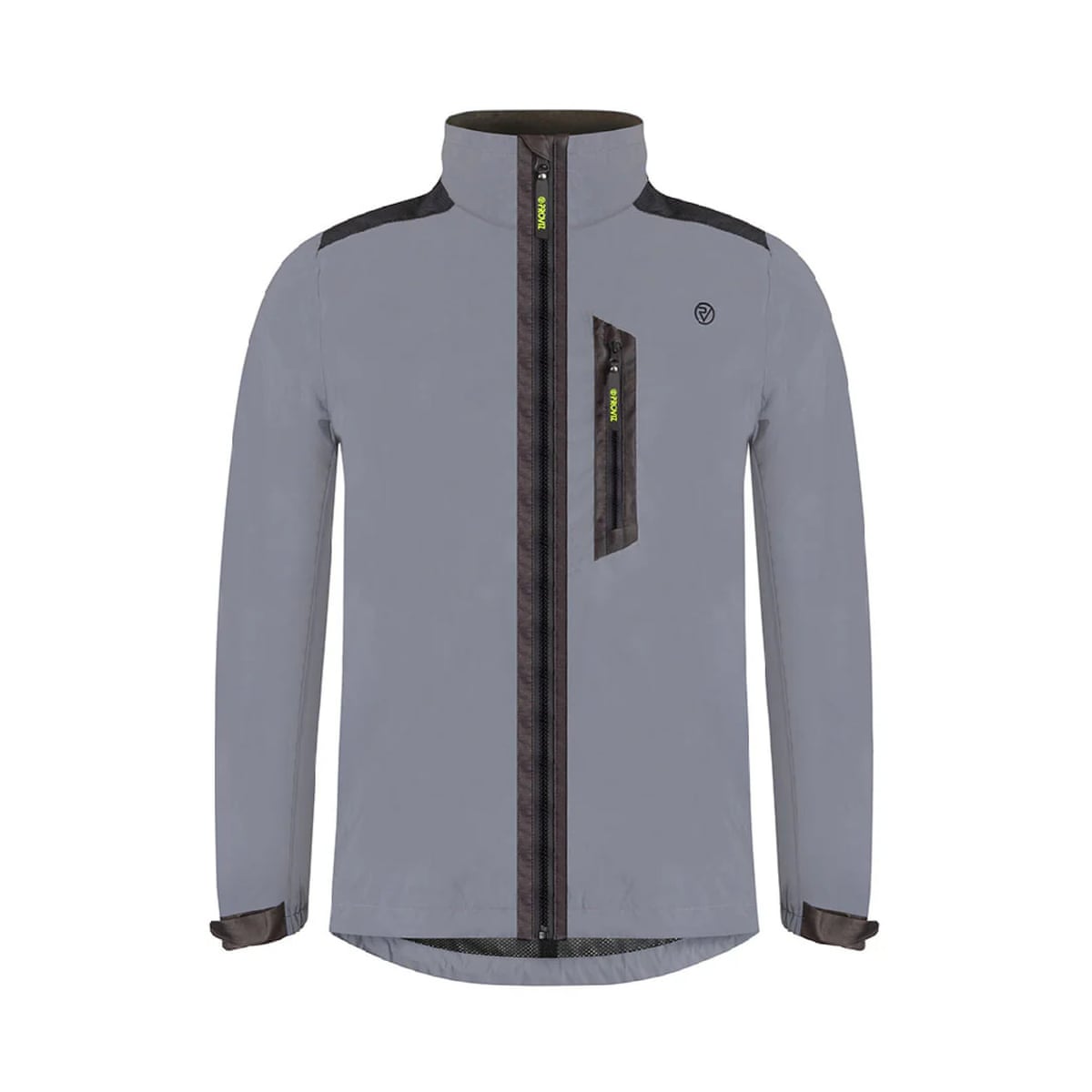
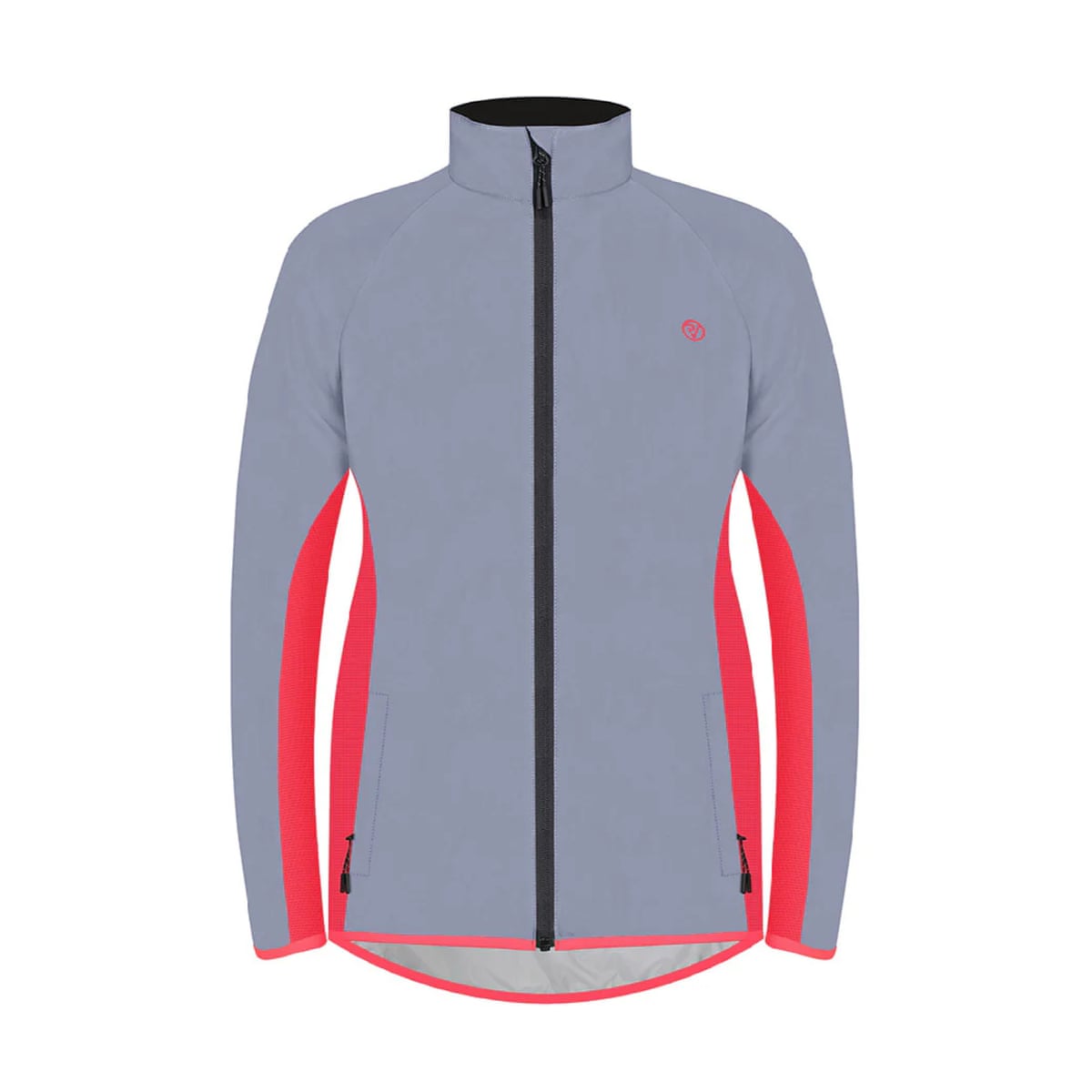
High-visibility clothing is advisable for any road riding, and those covering longer distances may also want padded shorts and close-fitting jerseys. Padded bib shorts or bib tights include a foam pad stitched into the seat area to improve comfort over extended rides.

How much should I expect to spend?
Prices span an enormous range, from a few pounds for a secondhand bike bought online to more than £12,000 for a professional-grade racing machine, and the riding experience does generally improve as price rises — up to a point. Most buyers are best served aiming somewhere in the middle of that range. According to a 2026 buying guide, shoppers should also factor in the true cost of ownership — including a helmet, lock, lights and the bike's first service — rather than focusing solely on the sticker price.
Buying secondhand
There are strong deals available in the used bike market for buyers willing to do some research first. A basic understanding of frame materials and components helps avoid disappointment. Before agreeing a price, it is worth searching online for the same model to see what it cost new, then weighing that figure against the bike's age and condition. Matching the exact model year matters too, since manufacturers often change colourways annually — comparing photographs online can help confirm when a particular bike was made.
Carbon frames deserve particular caution on the secondhand market. The material's strength-to-weight ratio has made it popular on high-end bikes, but it can fail suddenly if even slightly cracked, and such damage is often difficult to spot. A careful inspection for deep scratches or flaking paint is essential, and a professional mechanic's opinion is worth paying for if there is any doubt. Local bike-focused social media groups, online marketplaces and in-person visits to bike shops are all reasonable starting points for a search.
Under £400
Bikes at this level are basic and built primarily for affordability. Frames tend to be lower-grade aluminium or steel, and components such as mechanical brakes are common instead of the more powerful hydraulic type. These bikes are typically heavier, less refined to ride, and fitted with parts that wear out faster — adequate for short, occasional trips, but likely to prompt an upgrade for anyone riding regularly or over longer distances.
£500–£1,000
This bracket brings lighter aluminium frames and entry-level components from established brands. Closer to £1,000, hydraulic disc brakes start to appear, offering better stopping power, wet-weather performance and control than mechanical alternatives. For most people wanting a dependable bike for commuting and leisure riding, without chasing outright speed or minimal weight, this range tends to represent good value.
£1,000–£2,000
Carbon fibre begins to appear here, whether in the full frame or just the fork and seatpost, and bikes generally become lighter with a noticeably smoother ride thanks to improved wheels, tyres and gearing. Mid-range groupsets offering strong performance for the price are readily available at this level.
£2,000 and above
This is where mid- to high-end bikes sit, often featuring full carbon-fibre frames, premium components, carbon wheels and sometimes electronic gear-shifting. Mountain bikes in this bracket typically include full suspension, while cargo bikes are more likely to come with motor assistance.
What features actually matter when comparing bikes?
Frame material
Aluminium, steel, carbon and titanium are the four most common frame materials, each with distinct strengths and weaknesses.
Carbon fibre is the most desirable material in cycling due to its low weight, stiffness and strength, but it comes with a premium price. But aluminium should not be ignored. It's more common at lower prices, and it offers the best value for beginners.
— David Arthur
Steel and titanium both hold appeal for different reasons: steel is affordable and heavy but easy to repair, while titanium offers the same repairability at a lighter weight and higher cost.
Gears
Understanding gearing systems can quickly become overwhelming, but non-professional riders are advised not to overthink it.
Don't be swayed by flashy top-of-the-range electronic groupsets. A lot of cheaper groupsets still offer exceptional performance, and their simplicity leads to lower maintenance and cheaper replacement parts when things do eventually wear out.
— David Arthur
Separately, some 2025 industry commentary has warned buyers to be wary of components that lock them into a single manufacturer's spare parts, a concern that becomes more pressing for bikes expected to last several years, according to cycling industry analysis. Guides published in 2026 go further, urging buyers of bikes with electronic systems to check the availability of spare parts, service intervals and software support before committing, according to an industry trends report.
Tyres
Wide, knobbly tyres run at lower pressures give better cushioning and grip on rough ground, while narrow, slick tyres at higher pressures are faster and more efficient on smooth surfaces. The right choice depends on where the bike will mostly be ridden and whether comfort or speed matters more.
Brakes
Rim brakes, which grip a braking surface on the outer wheel rim, were once the industry standard but have largely been overtaken by disc brakes, which use a rotor mounted on the wheel hub. Some traditionalists still favour rim brakes for their light weight and simplicity, but disc brakes offer superior stopping power. Disc brakes themselves split into mechanical versions, which use a cable and are cheaper, and hydraulic versions, which use fluid-filled hoses similar to a car's braking system and cost more.
If your budget allows for an upgrade to hydraulic disc brakes, it's worth spending the extra money. They offer far superior braking performance in all weathers and can genuinely boost confidence when riding fast.
— David Arthur
Size and fit
Manufacturer sizing charts offer a rough starting point, but sitting on several bikes before deciding is always advisable. Stephen Roche of The Bike Tailor stresses that buyers should know their own measurements — at minimum, height and inseam — before they start shopping.
You can also look at the bike measurement known as reach. This is the horizontal distance from the bottom bracket to the top of the head tube. If you find that your arms are outstretched and you're bending from the neck, you probably need a smaller frame size.
— Stephen Roche
Roche also recommends paying for a professional bike fit to remove uncertainty from the process.
It takes any guesswork out of the equation.
— Stephen Roche
Consumer advice has long emphasised the value of test rides before purchase, but that guidance is evolving. Rather than a brief lap around a showroom, 2026 buying guides now recommend testing a bike under conditions that mirror actual use — including stop-and-go traffic, short steep ramps and carrying the load a rider would normally bring along, according to the same 2026 buying guide. This builds on longstanding advice from consumer bodies to test-ride locally and assess fit, braking and shifting before handing over any money, according to consumer testing guidance.


