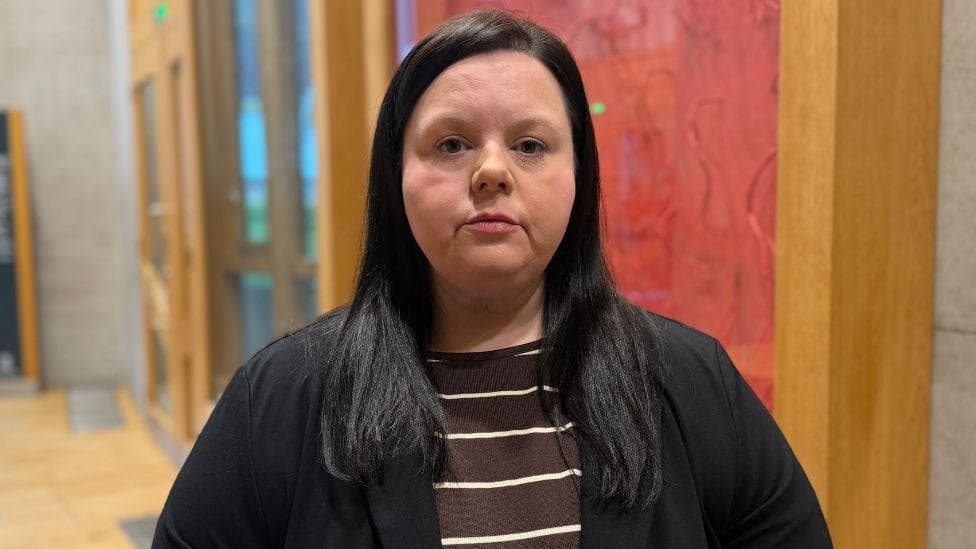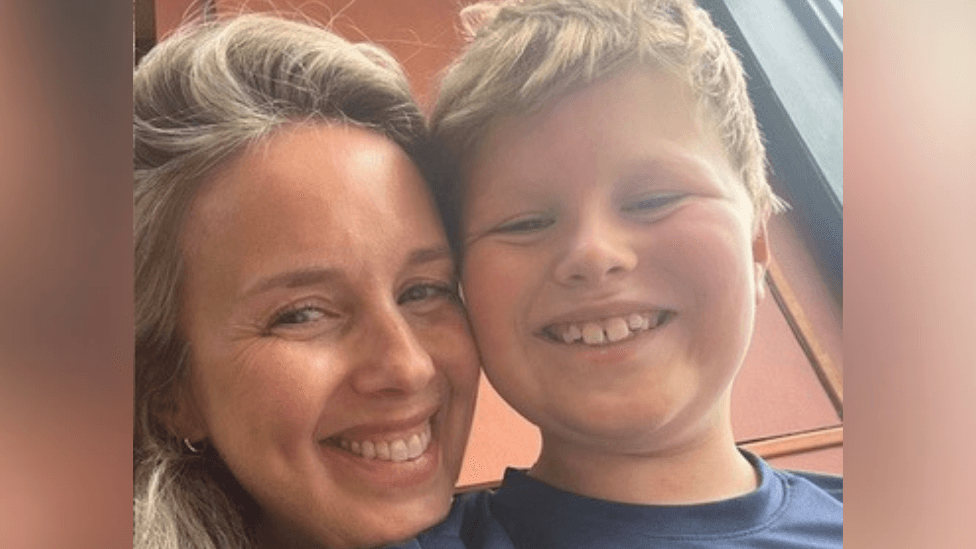
Two women have shared their experiences of severe perinatal mental health conditions in a bid to remove the stigma surrounding postnatal illness. According to BBC News, Laura, 45, from Cheltenham in Gloucestershire, and Jade, 33, from Sherbourne in Dorset, both required specialist inpatient care after giving birth, yet both initially struggled to access support or recognise what was happening to them.
The accounts highlight a broader public health challenge: a 2024 National Maternity Survey found that 3 in 10 respondents in England reported symptoms of depression, anxiety or post-traumatic stress disorder six months after giving birth. The condition remains widely misunderstood, with many sufferers experiencing shame rather than seeking help.
Laura's struggle with postnatal depression
Laura delivered her son Arthur in June 2018 following an emergency caesarean section. She described the birth as
traumatic but incredibly quickafter Arthur became distressed during labour. Approximately two months after his arrival, she began experiencing symptoms that would eventually lead to psychiatric hospitalisation.
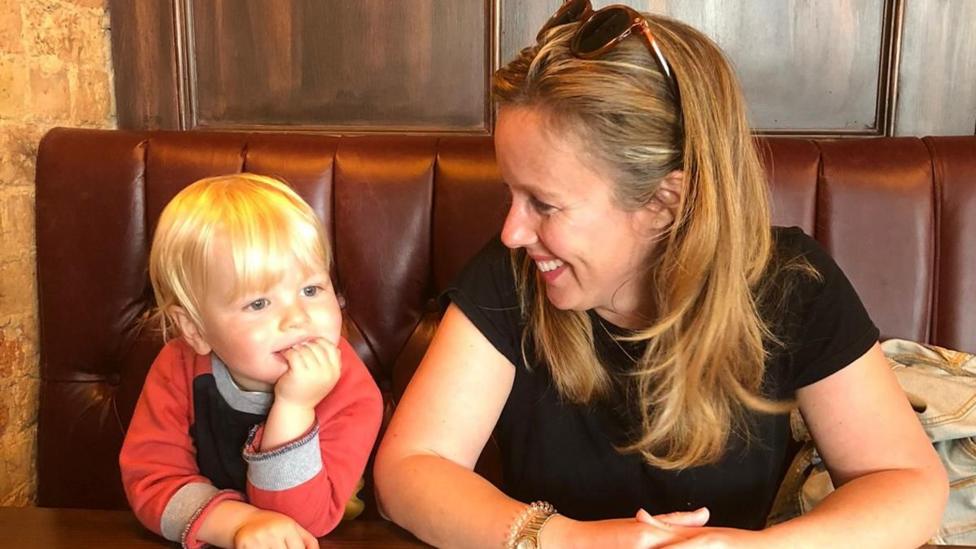
Initially, Laura attributed her condition to personal failure.
Women, since the beginning of time, have birthed and looked after children and I just couldn't be bothered. I thought I was lazy.Simple household tasks triggered overwhelming negative thoughts.
I used to think anything I did wasn't good enough. I thought, 'I'm a fraud, they all think I've got something wrong with me'.These thoughts spiralled into suicidal ideation, prompting admission to the mother and baby unit at the Barberry, a national mental health centre in Birmingham.
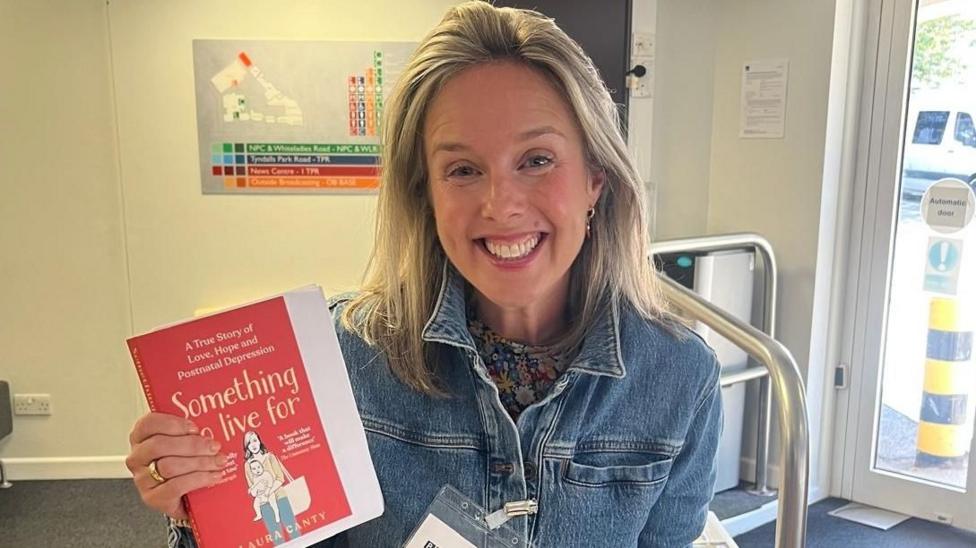
There, Laura received 10 weeks of specialist inpatient care. She has since become an advocate for awareness, volunteering with the perinatal mental health team and authoring a book titled Something to Live For.
Postnatal depression can happen to anyone and this is why the veil of shame needs to come down, through education or through listening to people,she said. She reported receiving messages from fellow mothers and fathers crediting her book with helping them understand what their partners experienced after birth.
What are the symptoms of postnatal depression?
The NHS identifies postnatal depression—also termed postpartum depression—as a common mental health condition following childbirth. Symptoms include feeling fearful, anxious or irritable, alongside difficulty concentrating and sleeping. The condition can also involve suicidal thoughts and difficulty bonding with the baby. In severe cases, it may include hallucinations and paranoia. Medical professionals advise contacting a GP, health visitor or midwife if symptoms persist, and charities such as Mind and PANDAS offer additional support.
Jade's experience with postpartum psychosis
Jade's journey began differently but proved equally challenging. She spent nearly three days in labour before induction and ultimately delivered her daughter with forceps in December 2020.
I didn't realise at the time but, after going through therapy, I realise it was quite a traumatic delivery. I experienced tearfulness right away and I think that was trying to process it as I'd wanted a water birth, so it was very different to what I'd envisioned.
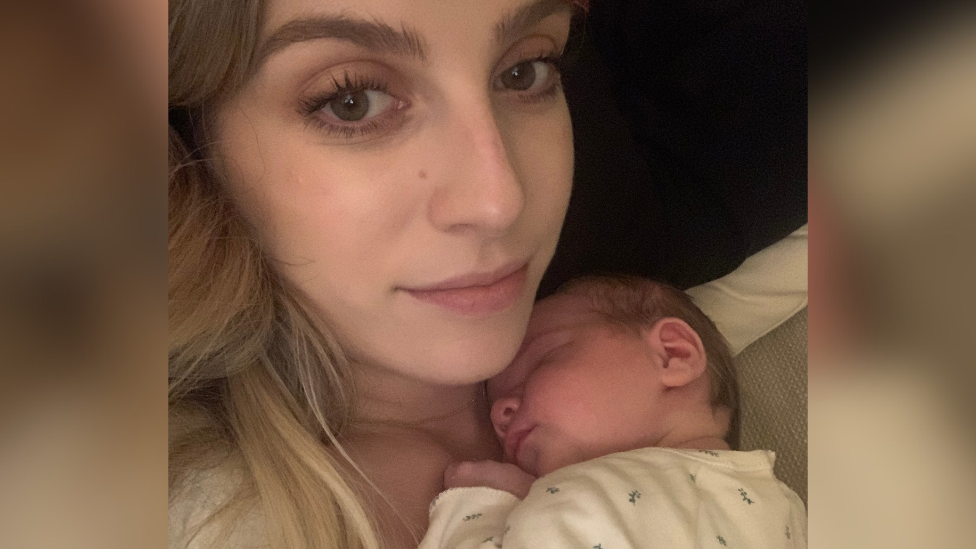
When Jade sought counselling for her symptoms, she was told the NHS was stretched and was asked to pursue private help instead. In March 2021, she was prescribed antidepressants, but two weeks later she experienced her first psychotic episode.
I was in a completely different reality. I felt at a loss and things were getting progressively worse. I was getting intrusive thoughts which I was too scared to say out loud.


Jade's family and friends did not understand what postpartum psychosis was or recognise the warning signs. She experienced depression following her return home and a relapse of psychosis in January 2024. However, consistent support from her community mental health team and care co-ordinator proved transformative.
If a mum is acting out of character and the unusual behaviour isn't right, it's really important that's flagged and is seen as a medical emergency,Jade said, emphasising the need for greater awareness among families and healthcare providers.
The scale of perinatal mental health challenges
The figures underscore the significance of these conditions. A House of Commons Library briefing estimates that around one in four women in England experience perinatal mental health problems—approximately 130,000 women annually—with the untreated cost to the UK economy reaching £8.1 billion per year. More concerning, a 2026 UK maternal-deaths report found suicide remained the leading cause of death between six weeks and one year after pregnancy during 2022–24, with psychiatric causes accounting for 33% of 322 deaths in that period.
Despite these alarming statistics, access to specialist care remains inconsistent. NHS England reports that more than 66,000 women accessed specialist community perinatal mental health care in 2025, and a new mother and baby unit opened in north-west England in 2025/26, bringing England's total to 20. However, demand continues to outpace provision in many regions.
What happens next
Updated official statistics on access to specialist perinatal mental health services in England, covering data through March 2024, are scheduled for release on 1 December 2026 at 9:30 a.m., which may provide further insight into whether service expansion is keeping pace with need.
Both Laura and Jade emphasise that breaking the silence around perinatal mental health is essential. Their willingness to share their experiences publicly challenges the stigma that prevents many mothers from seeking help, and underscores the critical importance of education, early identification and accessible specialist care.