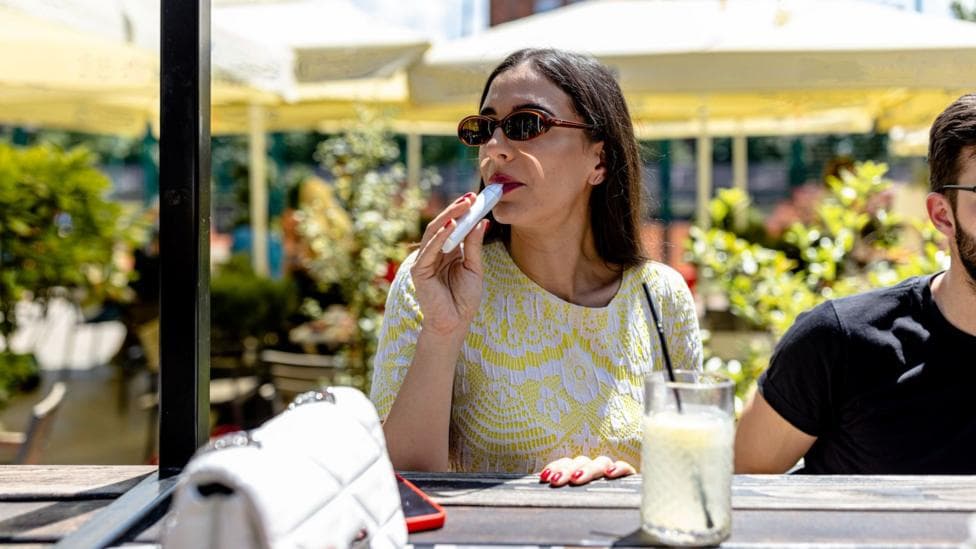
Dani Payne once experienced panic attacks at the mere thought of standing before an audience. A medical note excused her from presentations throughout her school and university years. Today, at 28, she works in politics at a cross-party think tank, regularly addresses parliament, participates in panel discussions, and produces social media content that reaches thousands—most days involving some form of public speaking.
"Most days I do some form of public speaking," she reflects. "I wouldn't have believed that at 15."
Her transformation is far from unique. Public speaking remains one of the most common sources of workplace anxiety. According to a 2025 survey by Preply, 21% of respondents said they actively hate public speaking and would avoid it entirely, while 59% indicated they would sidestep it if there were no professional consequences. Yet many people who now present confidently once felt the same dread. The difference lies not in natural talent but in deliberate practice and the right strategies.
How did Payne overcome her initial fear?
After developing a severe anxiety disorder in her teenage years, Payne avoided public speaking altogether. She later recognised that avoidance only deepened her anxiety rather than resolving it. "The more you avoid what you're anxious about, the more you're anxious about it," she explains.
The turning point came during her second year at university when she was invited to present research on sexual misconduct in academic fieldwork settings—a topic she cared deeply about. That experience proved transformative. "I was losing out on opportunities that I felt really strongly about," she realised. By focusing on content that genuinely mattered to her, she found the courage to speak.
What is the first step for beginners?
Start with your passion. Payne's advice is straightforward: identify a subject you feel strongly about and seek or create opportunities to discuss it publicly. "Picking something you genuinely feel passionately about will always make it easier to speak about in front of other people," she says. This approach transforms a presentation from a test of your nerves into a chance to share something meaningful.
Can technology help build confidence?
Yes. Daisy Schofield, a 32-year-old documentary producer and journalist, experienced her first panic attack during a university presentation. She managed to avoid public speaking until her first job required her to present company statistics on Teams every Monday. To build her confidence without the pressure of a live audience, she invested in a virtual reality headset costing £10 and uses an app to create a simulated audience.
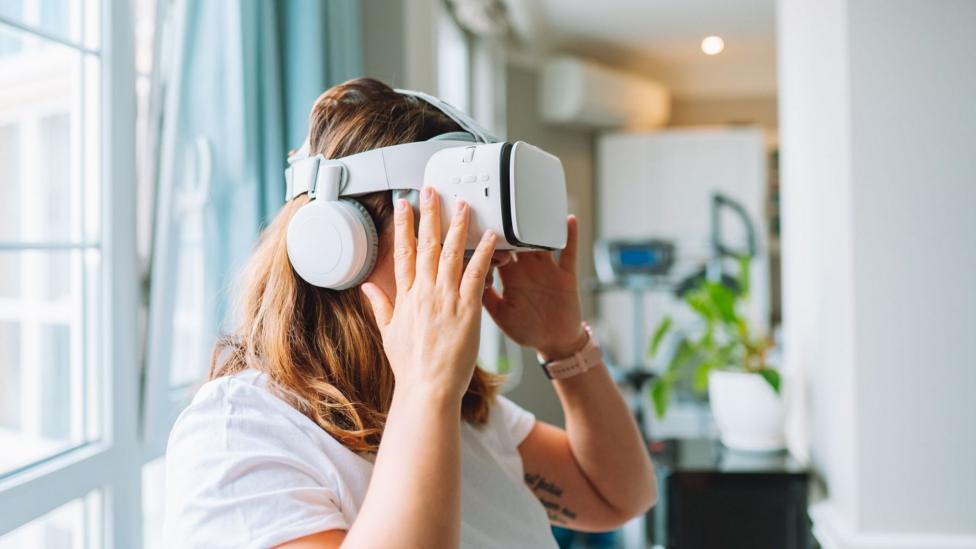
"It makes practising feel much more engaging and like the real thing, compared to practising at home on your own, which feels a bit awkward and boring," Schofield explains. This method bridges the gap between solo rehearsal and genuine performance, allowing speakers to experience realistic conditions in a controlled environment.
Prof Nazanin Derakhshan, a neuroscientist at Birkbeck, University of London, recommends a breathing technique to calm your nervous system before presenting. Breathe in for five seconds and out for five seconds, aiming for six breaths per minute.
"It can improve the brain-heart communication and the more in harmony they are, the better we feel about ourselves."
How can you simplify your message?
Viv Groskop, a stand-up comedian, writer and public speaking coach, suggests choosing a single word that encapsulates what you want your speech to convey.
"It could be something like clarity. No one can ever say that you got that wrong if you were clear."This approach gives you a measurable goal and removes the pressure of perfection.
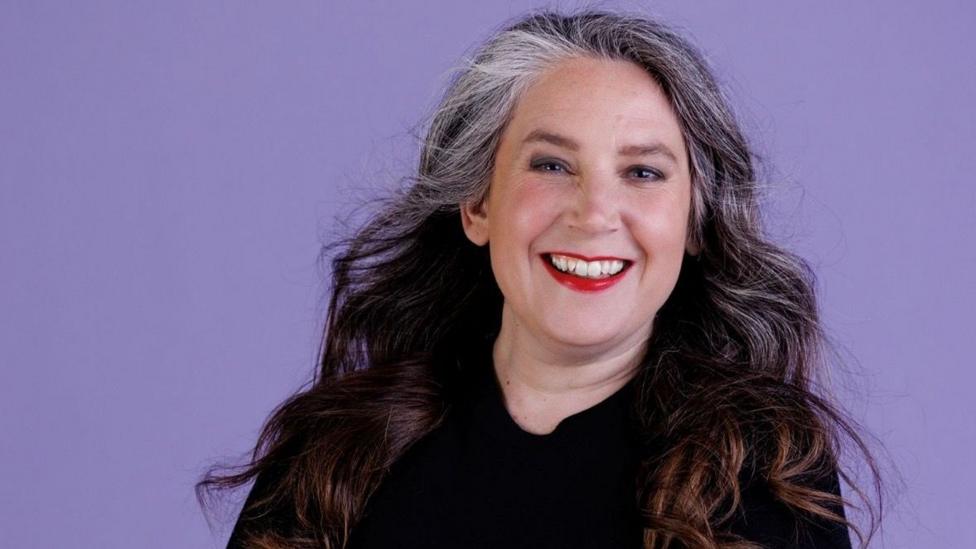
Groskop also offers practical advice for virtual presentations: place a post-it note on your laptop camera and focus your gaze there rather than on faces on screen.
"You can hide self-view, resist the temptation to look at it, because it will mean you're looking down, not at people."This simple trick prevents the self-consciousness that comes from watching yourself present.
What practical steps can reduce presentation anxiety?
Groskop prioritises comfort and self-care before presentations. A good night's sleep, staying hydrated, and limiting phone time all help. More importantly, wear clothing that makes you feel confident and allows you to forget about your appearance.
"Always wear something that you can forget about. If you love having your hair done, get your hair done. Wear makeup or don't wear makeup, whatever makes you feel comfortable so that you won't be thinking about your appearance."
Derakhshan cautions against over-interpreting audience reactions.
"Accept that their facial expression may mean anything, and distract yourself internally from interpreting these facial expressions."Audience members may be thinking about their own concerns, taking notes, or simply concentrating—their expressions rarely reflect judgment of your performance.
Why is accepting imperfection essential?
Payne emphasises that public speaking is a learned skill, not an innate talent.
"You wouldn't pick up a guitar, and be surprised that you couldn't play a song when you've never picked up a guitar before - public speaking is the exact same thing."Becoming proficient requires being poor at it first. Early in your career, colleagues do not expect flawless delivery on your first attempt.
Groskop notes that people perceived as natural speakers have simply logged more hours.
"Many people are spending up to eight hours a day on Teams or Zoom, and if you think about a television newsreader, they've been trained for that."Frequency builds competence.
Derakhshan frames vulnerability as an asset rather than a liability.
"We all make mistakes, we all forget things. It's not the end of the world. If you can go back and make a humour of it the audience are quite forgiving and accepting."Audiences respond well to speakers who acknowledge their humanity and recover gracefully from stumbles.
Key Facts
- Dani Payne progressed from requiring medical exemption from presentations to speaking in parliament and presenting regularly in her role at a cross-party think tank.
- According to research by Preply, 59% of people would avoid public speaking if there were no professional consequences, indicating widespread anxiety about the skill.
- Virtual reality practice tools, available for as little as £10, can simulate audience conditions and build confidence before live presentations.
- Simple techniques—choosing a guiding word, controlling breathing, and accepting imperfection—help speakers manage anxiety and improve performance.
- Public speaking is a learnable skill developed through repetition; early mistakes are normal and expected, not indicators of failure.