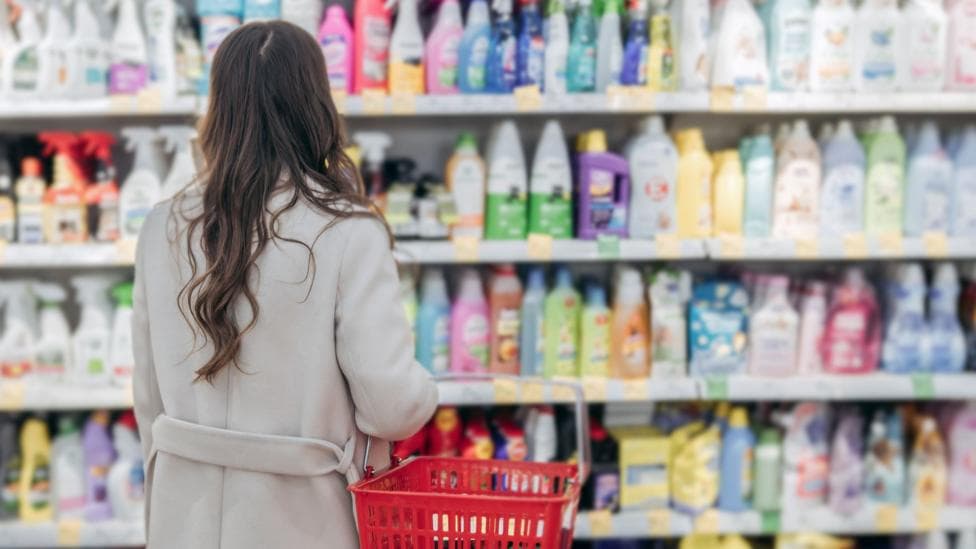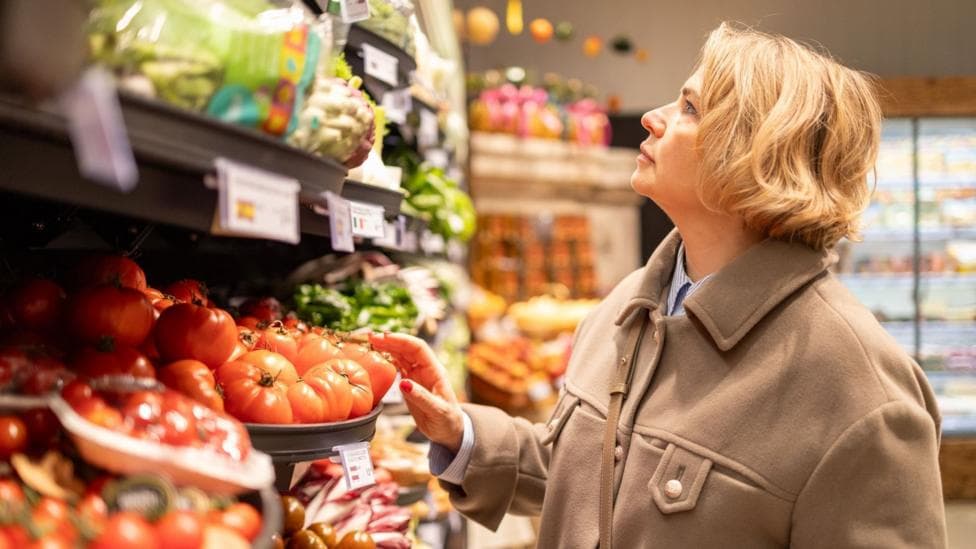
Five local authorities across Hull and Lincolnshire will each receive £222,000 in government funding to help residents overcome barriers to accessing healthy and affordable food. The councils were selected from 45 authorities in England identified as having the highest levels of deprivation and childhood obesity, with the funding intended to support community-led solutions that address food insecurity in their areas.
Hull City Council leader Councillor Mike Ross described the challenge facing residents as "stark". He said:
"It can be incredibly difficult for some people to get the healthy food they need. So, anything that helps tackle those barriers is really important."The funding comes from the Department for Environment Food and Rural Affairs (DEFRA) as part of a broader government initiative to improve food access across England.
The announcement was made by Environment Secretary Dame Eagle and represents part of a £10 million national investment in what the government calls Good Food Neighbourhoods. According to DEFRA's announcement, the funding is designed to support community-led solutions including lunch clubs, community kitchens, cooking and nutrition programmes, community food shops and mobile greengrocers.
What do childhood obesity figures reveal about Hull?
Childhood obesity rates in Hull significantly exceed the national average, indicating the scale of the health challenge in the city. The National Child Measurement Programme for the 2024/25 school year shows that 10.2% of children in reception year (aged 4-5) in Hull had a BMI status of obese, while 19% of Year 6 pupils (aged 10-11) were classified as obese. Both figures are above the national average, highlighting a concerning trend that worsens as children progress through primary school.
Councillor Ross acknowledged the severity of the situation:
"This whole picture demonstrates there is severe need here. Of course, this funding will help tackle that, building on the work that's already taking place and wanting to work with not just the council but with local communities and groups across the city to make sure everything is done to support local residents."
Why do some people struggle to access healthy food?
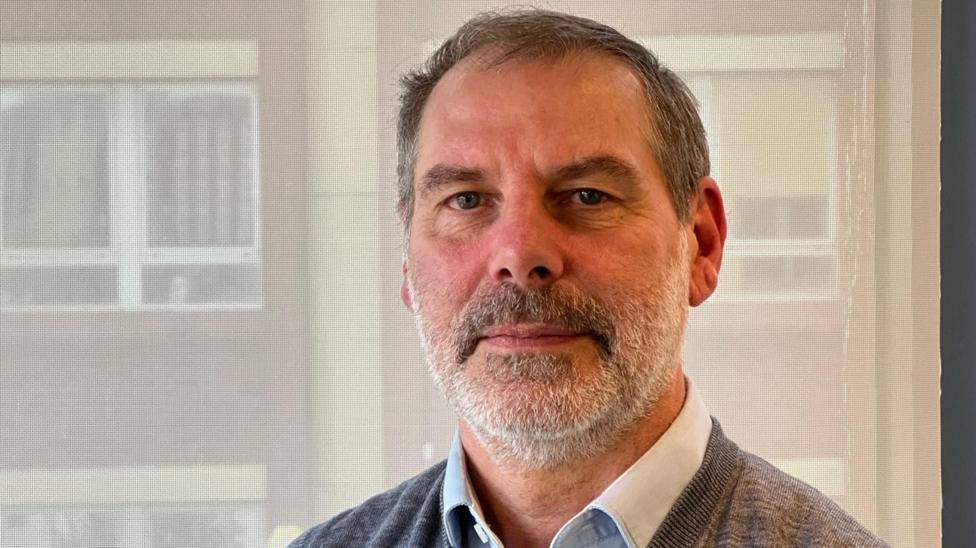
The barriers to accessing healthy food extend far beyond low income alone, according to those working in food security. Darren Squires from the Hull Food Partnership, which coordinates community food organisations across the city, explained that deprivation takes multiple forms. He said:
"When we talk about deprivation, some of it is poverty, some of it is access to food if you're so far away from a supermarket and don't drive or if you're running two jobs. For some people it's not about income. People can be financially secure, but still time poor. There are areas in the city where it is much easier to get a takeaway meal than it is to get any other kind of food that you would cook at home."
According to the Food Foundation, a Good Food Neighbourhood should give residents access to food that is affordable, healthy and culturally appropriate. This definition recognises that food security involves not just affordability but also proximity, time availability and cultural fit.
Which other councils are receiving funding?
Four other local authorities in the East Midlands were selected alongside Hull City Council. North East Lincolnshire Council, North Lincolnshire Council, City of Lincoln Council and South Holland District Council will each receive the same £222,000 allocation. Councillor Nige Oliver, portfolio holder for health, wellbeing and adult social care at North East Lincolnshire Council, welcomed the announcement, stating:
"Families in areas like ours can face significant challenges in trying to access affordable, healthy food. We're now looking at how we can use this funding to support people in our area."
More than half of the 45 selected places are members of the Sustainable Food Places network, according to Sustain, which brings together local food partnerships working to improve food systems. However, Sustain has called for the funding to become lasting community food infrastructure, arguing for multi-year funding and permanent capacity for local food partnerships beyond the 45 selected areas.
Key Facts
- 45 local authorities in England will each receive £222,000 from DEFRA's Good Food Neighbourhoods fund
- Hull's childhood obesity rates of 10.2% in reception year and 19% in Year 6 exceed national averages
- Barriers to healthy food access include distance from shops, lack of transport, time poverty and limited availability of home-cooking ingredients in some neighbourhoods
- Funding can support community food shops, mobile greengrocers, lunch clubs, community kitchens and nutrition programmes
- More than half of the 45 recipient councils are part of the Sustainable Food Places network