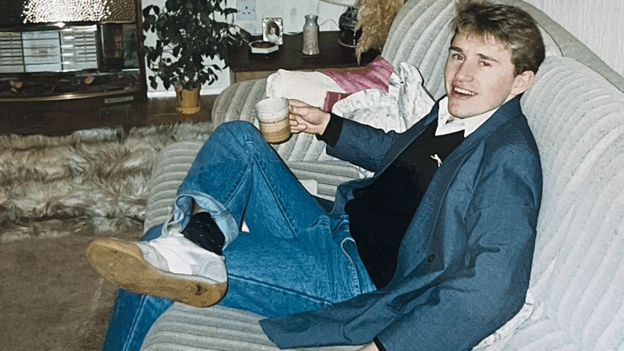
Security enhancements have been implemented at a psychiatric facility over the three decades following the death of a university student who exited through a window in 1994. Anthony Whittle, a forestry student at Bangor University who had been diagnosed with paranoid schizophrenia, died after leaving the Hergest unit at Ysbyty Gwynedd in Bangor. A fresh inquest concluded this week that he died by misadventure following an acute mental health crisis.
The case drew renewed attention after the High Court determined that the original 1995 inquest had been inadequate. Anthony's parents campaigned for years to secure a new hearing, though both died before it took place.
What happened on the day Anthony died?
On 24 November 1994, Anthony, then 30 years old and in his first year at university, telephoned his parents in Burnley, Lancashire, expressing a desire to return home. His father and brother travelled to Chester station to collect him, but he failed to arrive. Police later discovered him wet and muddy, wandering near sand dunes close to Prestatyn in Denbighshire, with one shoe missing.
Officers arranged for him to be transported to the psychiatric unit. His brother Christopher recalled at the inquest hearing in Caernarfon that Anthony greeted them warmly, saying he loved them but that he had changed. However, when they returned to the reception area, medical staff informed them that Anthony had already escaped through a window and descended a sloping roof.
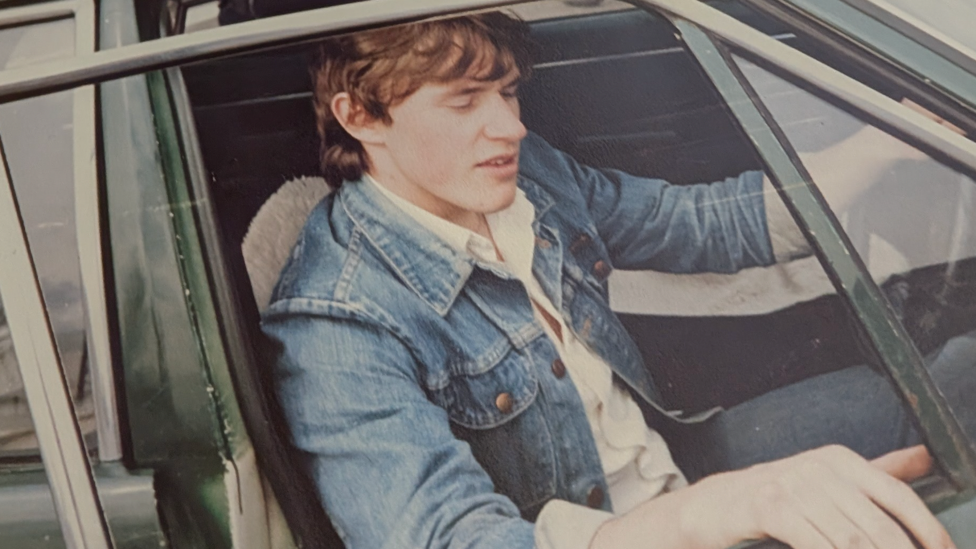
Anthony was discovered dead the following morning adjacent to the A55 dual carriageway near Llandygai. According to local reporting on the inquest findings, the jury determined he had made his way through undergrowth beside the A55 after leaving the unit, though his exact route remained unclear.
What did the inquest conclude?
The jury returned a narrative conclusion that Anthony died by misadventure following an acute mental health episode. The hearing revealed significant medical history: Anthony had attempted suicide as a teenager and had previously been detained under mental health legislation. A post-mortem examination identified rib fractures and ruptured lungs, with bleeding into his chest consistent with injuries sustained from a fall from height.
The original inquest, held on 22 February 1995, had recorded an open verdict. According to the independent inquest charity, the High Court ordered a fresh inquest on 4 February 2025 after finding the original inquiry insufficient. The court had identified multiple unanswered questions from the first hearing, including whether Anthony was detained under the Mental Health Act, whether he possessed capacity to make decisions, the precise means of his escape, and whether actions by hospital or police staff contributed to his death.
What security changes have been made?
Staff at the Betsi Cadwaladr University Health Board, which now operates the unit, informed the inquest that substantial modifications have been implemented across the three decades since Anthony's death. Windows throughout the facility are now more secure, and anti-climb guttering has been fitted to prevent unauthorised exits. The assessment procedures for patients brought to the unit by police have also been revised to address gaps identified in the original case.
Why did it take so long for a new inquest?
Anthony's parents pursued a fresh hearing for many years following their son's death, believing the original inquest had failed to examine critical circumstances. According to the inquest charity's analysis, the High Court identified that the original inquiry had not adequately explored whether Anthony was formally detained under mental health legislation, whether he had the capacity to consent to his presence at the unit, how he managed to escape from what was believed to be a secure window, or what role hospital procedures and police actions may have played in the sequence of events leading to his death. Tragically, both of Anthony's parents passed away before the new inquest could be held, meaning they did not live to see the fuller examination of the circumstances surrounding their son's death.