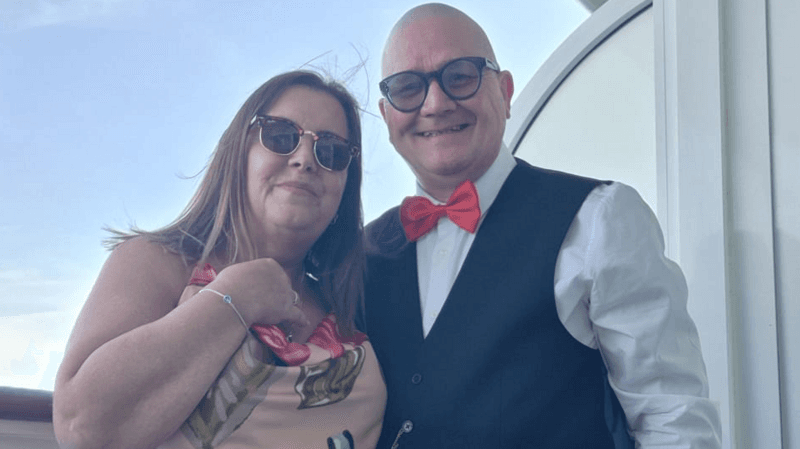
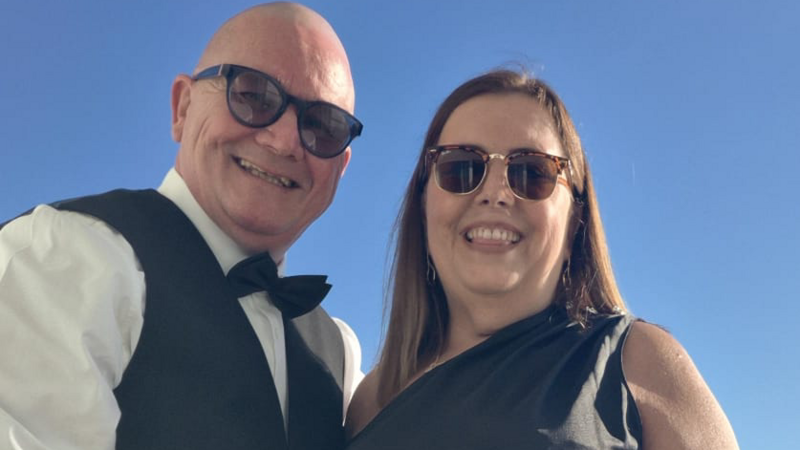
Paul Scanlon, a bowel cancer survivor from Cardiff, has described being verbally confronted by airport security staff and treated with disrespect after attempting to retrieve his stoma supplies during a routine security check. His experience has prompted calls for improved training across UK airports to ensure passengers with stomas receive dignified treatment.
Scanlon, aged 57, underwent surgery to remove his large bowel after being diagnosed with stage three bowel cancer nearly four years ago. The procedure left him requiring a stoma—an opening in the abdomen through which waste leaves the body into a pouching system. Despite the significant adjustment, he has worked to maintain an active lifestyle, including regular travel.
His most recent airport incident occurred at Cardiff Airport while travelling on holiday with his wife Deborah and friends. After his stoma supplies passed through security screening, Scanlon attempted to retrieve the bag from the conveyor belt, at which point he says a security officer began shouting at him aggressively.
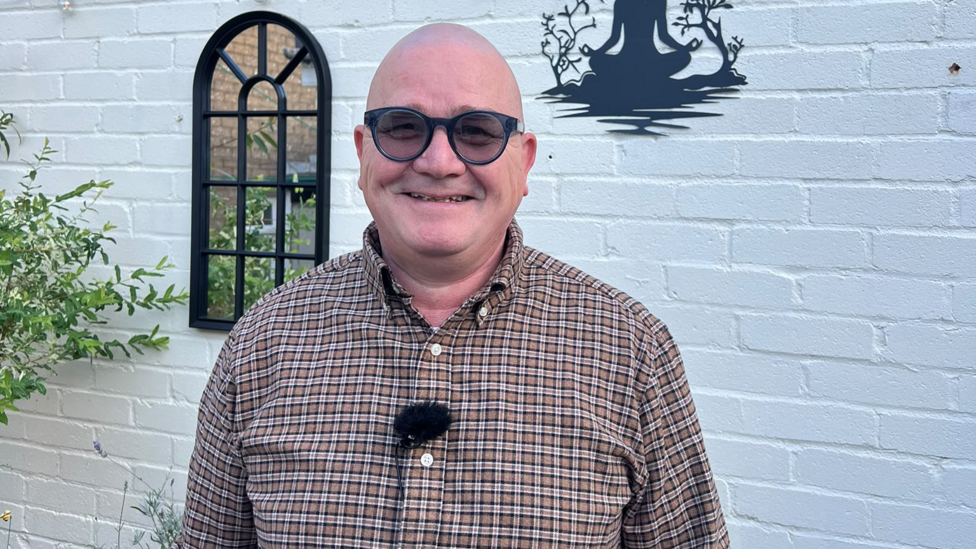
This very large gentleman started shouting and screaming: 'You can't touch that bag, leave it alone, get away'. He kept walking towards me, shouting and screaming. He and his colleague escorted me, one flank to either side, into an interview room where I was searched. Everyone can see going through that airport. Anyone can see. You're just made to feel like a criminal.
Scanlon said he felt mortified by the public nature of the incident. While he acknowledged the importance of airport security measures, he felt the interaction lacked basic courtesy and compassion. His wife and friends were left waiting without explanation of where he had been taken.
This was not an isolated incident for Scanlon. He has previously been instructed by security staff to remove his stoma bag—a request he is physically unable to comply with—and has experienced other instances of what he describes as degrading treatment at UK airports.
How has this affected his travel plans?
The cumulative effect of these experiences has fundamentally altered Scanlon's approach to holidays. Rather than continue flying, he has decided his next break will be a cruise departing from Southampton, allowing him to sidestep the anxiety he now associates with air travel. He expressed frustration that security encounters have stolen his enjoyment of something he values deeply, particularly given his health journey.
It's completely changed my thought process of going on holiday. I don't want to fly. I've got next year to get through and I'll be hopefully cancer free. You know, we've got loads of life left in us and we still want to go on holiday.
How widespread is this problem?
Scanlon's experience reflects a broader pattern of difficulties faced by people with stomas at airports. The Ileostomy and Internal Pouch Association (IA) is currently running a survey that has already received 70 responses documenting negative stoma-related incidents across 16 different UK airports. The organisation's findings suggest that many passengers are being forced to choose between managing their medical condition and accessing air travel.
Lisa Barker, chief executive officer of the IA, has highlighted the psychological toll these encounters take on passengers. She explained that airport security procedures generate substantial stress and anxiety for people with stomas, and that the current situation places an unfair burden on an already vulnerable group.
What we want is that once that information is shared, the knowledge about that then enables them to have a dignified process.
Emma Greenwood, an internal pouch nurse specialist who herself has a stoma, has encountered similar problems during airport security checks. She noted that people with pouches are often self-conscious and sensitive, and may be particularly anxious about potential embarrassment during screening procedures. She emphasised that treating passengers with basic kindness represents a straightforward improvement that requires minimal adjustment from airport staff.
According to a 2025 report, another stoma-related airport security complaint involved a woman who was asked twice to lift her dress during screening, demonstrating the range of inappropriate requests passengers have faced.
What support and guidance exists?
The IA offers a free travel certificate service that passengers can present to airport staff to explain their medical condition. However, Barker stressed that providing information alone is insufficient; the real need is for that knowledge to translate into staff behaviour that respects passenger dignity.
Cardiff Airport stated that when additional screening is required, passengers can be offered a private search room to ensure the process is carried out with discretion. The airport also said its teams have received training to help them better understand the experiences of people living with a stoma and to conduct necessary screening sensitively and respectfully. However, according to the Civil Aviation Authority's August 2026 accessibility assessment, Cardiff Airport's training did not fully cover several required areas, including non-visible disabilities and passenger vulnerabilities. While the airport confirmed that all security staff completed e-learning on non-visible disabilities, only some had received additional training specifically covering stoma awareness.
The UK Civil Aviation Authority (CAA) has stated that airports must ensure staff receive disability awareness training and that security officers are expected to treat passengers in a sensitive and understanding manner. The CAA said it places obligations on airports to provide this training and continues to work with organisations and charities representing disabled passengers to ensure guidance is clear and accessible.
Additionally, Colostomy UK offers free travel certificates explaining a person's condition to airport staff, providing another resource for passengers seeking to communicate their needs in advance.
Is this problem limited to stomas?
The difficulties experienced by people with stomas reflect a wider pattern of challenges faced by disabled passengers at airports and other transport hubs. Disability Wales has raised concerns that disabled travellers encounter systemic barriers to equitable air travel access.
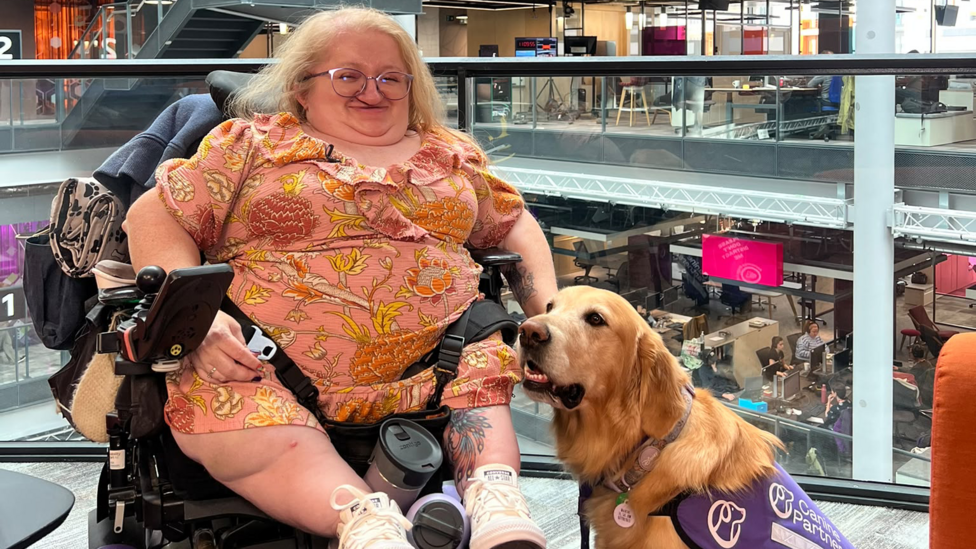
Kat Watkins, access to politics policy officer at Disability Wales, who has brittle bone disease, has experienced multiple negative incidents while travelling, including damage to her wheelchair and being left on a plane for an hour while waiting for assistance. She stressed that Disability Wales is working to make air travel more equitable for all disabled people, not just those with stomas.
The CAA reiterated its position that everyone should have access to air travel and stated it continues to work closely with disability organisations to improve the experience for all passengers with additional needs.
Key Facts
- Paul Scanlon has had a stoma for nearly four years following surgery for stage three bowel cancer
- The Ileostomy and Internal Pouch Association has documented negative incidents at 16 UK airports through an ongoing survey
- Cardiff Airport has provided training to staff on stoma awareness, though the CAA's assessment found gaps in coverage of non-visible disabilities
- Multiple organisations, including the IA and Colostomy UK, offer free travel certificates to help passengers communicate their medical needs to airport staff
- Disability advocates are calling for systemic improvements to ensure all disabled passengers receive dignified and respectful treatment during air travel