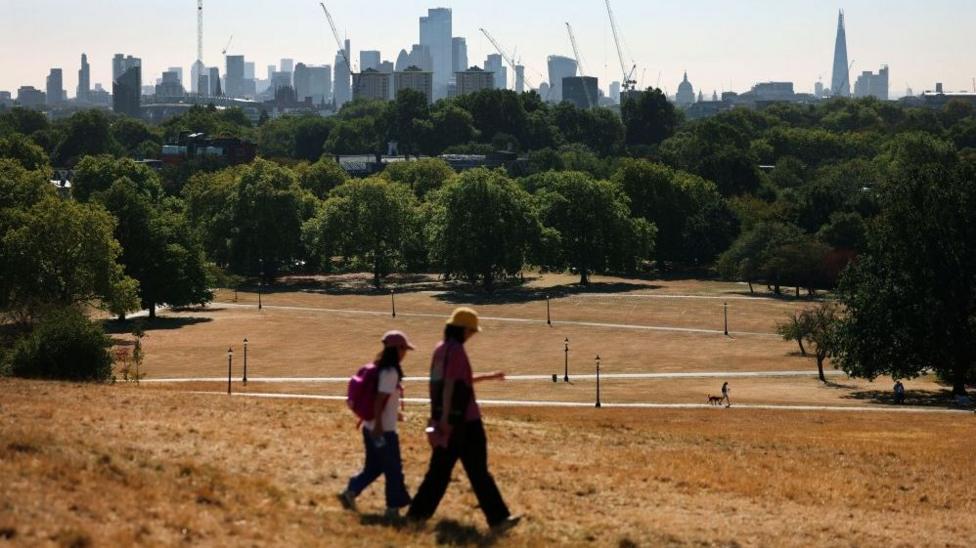
An estimated 5,258 deaths in England were linked to extreme heat during summer 2026, marking the highest toll since the UK Health Security Agency began tracking such figures in 2016, according to BBC News. The figure more than doubled the previous record of 2,985 deaths recorded in 2022, as the UK experienced its hottest summer on record.
The deadliest period fell between 21 and 28 June, when an estimated 2,401 heat-associated deaths occurred as temperatures peaked at 38°C. The UKHSA's 24 November interim update added an estimated 2,381 heat-associated deaths from May to September to earlier projections, bringing the full summer estimate to 5,258. The estimate carries a 95% confidence interval of 4,410 to 6,105 deaths, reflecting the provisional nature of the data.
Climate change is expected to lengthen, increase the frequency of, and intensify periods of extreme heat, the UKHSA has cautioned. Officials have stressed the need for sustained adaptation measures across homes, neighbourhoods, and health and care settings as warming continues.
What made summer 2026 exceptional?
Summer 2026 proved extraordinary in its heat persistence and intensity. The UKHSA recorded the highest annual number of heat episodes—defined as days when the average Central England Temperature reaches at least 20°C—with seven such episodes between May and August totalling 41 days.
A heatwave in May shattered the temperature record for that month by more than 2°C, with a high of 35.1°C registered at Kew Gardens. The following month brought another record: June's heatwave reached 38.0°C in Lingwood, Norfolk, surpassing the previous monthly high of 35.6°C set in 1957 and matched during the severe 1976 heatwave. Both May and June heatwaves resulted from heat domes—stalled areas of high pressure that trap hot air over a region.
Mid-August delivered a third major heatwave, with temperatures climbing to 38.2°C at Hartpury College in Gloucestershire, making it the hottest day of the year. The UK's all-time temperature record remains 40.3°C, recorded on 19 July 2022 in Coningsby, Lincolnshire.
Beyond the heat itself, the summer brought additional environmental strain. A lack of rainfall triggered drought declarations across all of Wales and more than two-thirds of England, while wildfires caused significant damage in several regions.
How did the early heatwaves affect public health most severely?
The May and June heatwaves had the most substantial impact on public health, according to Dr Ross Thompson, principal environmental health scientist at UKHSA. He noted that the early heat episodes created particular vulnerability, with the concentrated deaths during the 21–28 June period underscoring the danger posed by sudden temperature spikes.
Dr Thompson warned that periods of extreme heat are expected to become
longer, more frequent and more intenseas the climate continues to warm, signalling an urgent need for public health adaptation.
What are officials saying about the findings?
Health Secretary Yvette Cooper responded to the figures in Parliament, saying she wanted
to offer the deepest condolences to all those who lost a loved one this summer. She characterised the death toll as
a stark reminder of the human impact of climate change, and that is why I have asked the NHS to now prepare for summer as seriously as we do for winter.
Prime Minister Andy Burnham addressed the extreme weather during a speech at the COP31 summit earlier in November, describing the conditions experienced in the UK that summer as
not normal.
The UKHSA has emphasised that the findings
underline the need for longer-term adaptationto a warming climate, with officials stressing that adapting homes, neighbourhoods, and health and care settings would become
increasingly important.
What happens next with the data?
The interim report released in November uses the same methodology as UKHSA's annual heat mortality reports but relies on provisional mortality data. Final 2026 figures, including analysis by age, geography, place of death and cause, are scheduled for release in the UKHSA's annual official statistics report in early 2027.
Key Facts
- An estimated 5,258 heat-associated deaths occurred in England during summer 2026, more than double the previous record of 2,985 in 2022
- The deadliest week was 21–28 June, with 2,401 estimated deaths as temperatures reached 38°C
- Summer 2026 featured seven heat episodes totalling 41 days, the highest annual count since records began
- The estimate carries a 95% confidence interval of 4,410 to 6,105 deaths, reflecting provisional data status
- Final detailed analysis by age, geography and cause will be published in early 2027