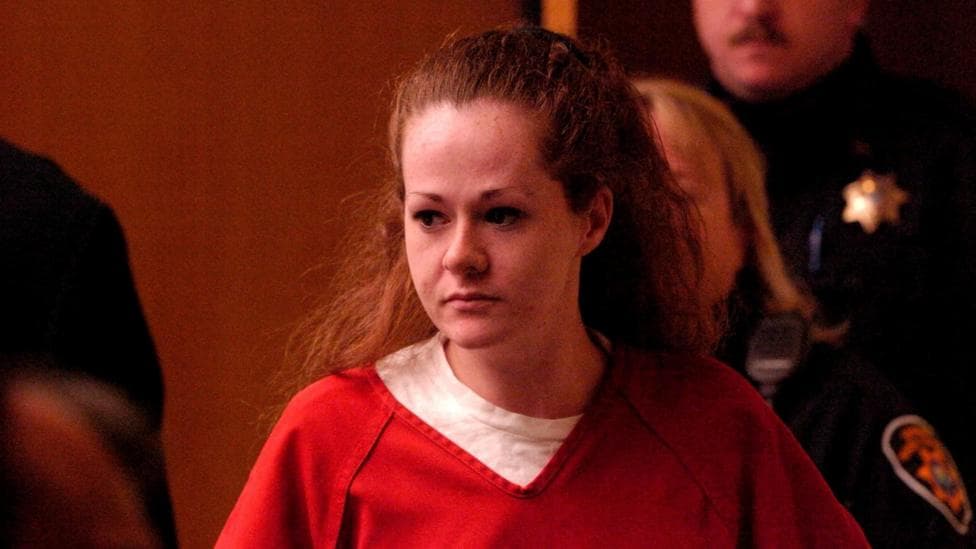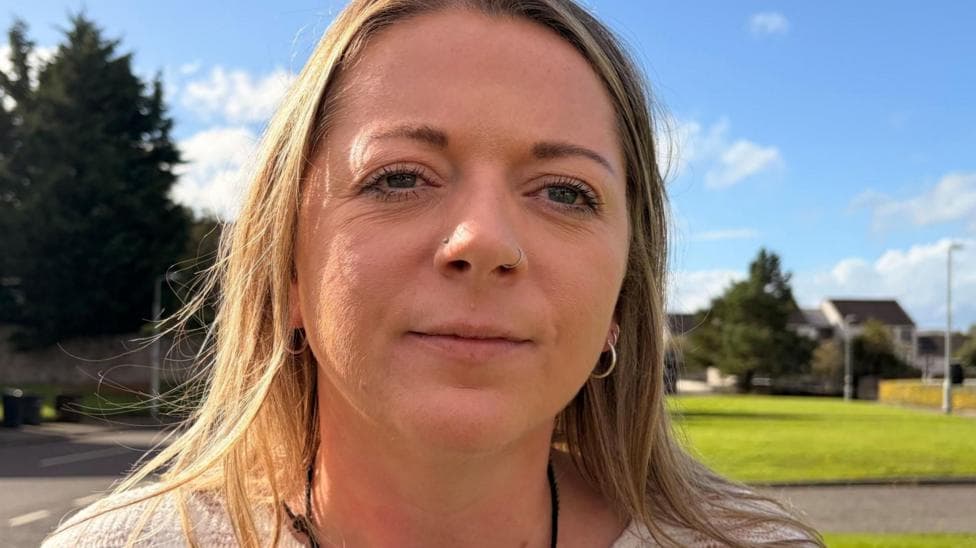
Kimberley Atkinson spent 14 years receiving treatment for depression before doctors discovered she actually had bipolar disorder. The misdiagnosis came to light only after she was admitted to a psychiatric ward against her will, when her behaviour became dramatically erratic during her PhD studies at the University of Edinburgh. Her experience mirrors a widespread problem: mental health professionals are failing to screen patients adequately for bipolar symptoms, leaving many people on ineffective antidepressant medication for years.
When Atkinson first received her depression diagnosis as a teenager, it seemed to fit her struggles. She experienced mood swings and poor emotional regulation, along with episodes that felt like
sinking into a dark hole, leaving her unable to leave bed or face daily life. For over a decade, she accepted this explanation and took antidepressants in hopes of improvement.
The turning point came when her thinking became increasingly erratic. She began experiencing delusional ideas, speaking rapidly, and becoming highly irritable. One night, convinced by a news report that she alone could save someone in trouble, she drove from Edinburgh to London. She also became convinced her moods were causing bad weather. Alarmed family and friends led to her involuntary admission to a psychiatric ward, where psychiatrists finally looked beyond depression and identified bipolar disorder.
Why was the diagnosis missed for so long?
Research suggests the problem is systemic. According to NICE guidance on depression assessment, clinicians should ask patients about previous periods of overactivity or disinhibited behaviour lasting four days or more, and refer them for specialist assessment if these are present. Yet this screening is routinely not happening in primary care.
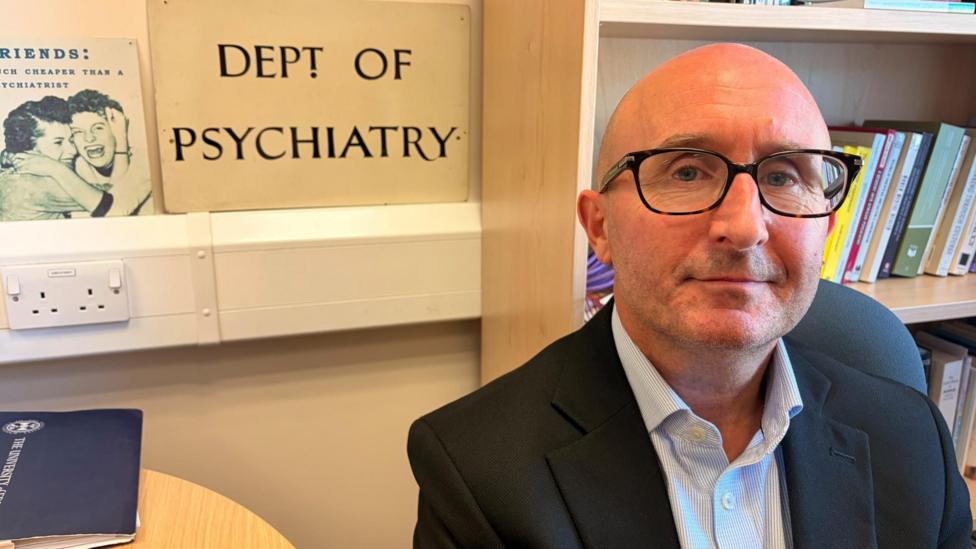
Prof Danny Smith, chair of psychiatry at the University of Edinburgh, argues that better screening tools are urgently needed.
It's understandable because GPs are often confronted with depressed patients and therefore they're very focused on diagnosing depression correctly, he explained.
People obviously don't go to the GP and say 'Help doctor, I'm really energetic and I've got lots of ideas and I don't need much sleep.'
The Royal College of Psychiatrists and charity Bipolar UK back his call for updated screening guidance, warning that better detection could be
life-savingbecause antidepressant medication often worsens bipolar disorder rather than helping it.
How common is this misdiagnosis?
The scale of the problem is substantial. Research has suggested that as many as one in five people diagnosed with severe or recurrent depression may actually have bipolar disorder. A study of 149 primary-care patients found that 16.1% met criteria for bipolar disorder, illustrating how often the condition goes unrecognised among people presenting with depression symptoms.
Smith estimates that about one in 100 people receive a bipolar diagnosis during their lifetime, but research suggests the true figure could be closer to one in 50. England's 2023–24 Adult Psychiatric Morbidity Survey found that 1.9% of adults screened positive for bipolar disorder, though the report cautions that screening positive is not the same as diagnosis. Among those screening positive, only 17.8% said a professional had diagnosed them with bipolar disorder.
Studies also show that patients in the UK typically wait almost a decade between first reporting symptoms and receiving a correct diagnosis, suggesting that routine screening for mania or hypomania symptoms is not occurring as guidelines recommend.
What is bipolar disorder?
Formerly known as manic depression, bipolar is a mental health condition characterised by extreme mood changes. During high periods called mania or hypomania, people often feel very excited, creative, or unusually energetic. They frequently experience racing thoughts, reduced need for sleep, and heightened irritability. In severe cases, mania can cause a break from reality. The exact cause remains unknown, but people with bipolar appear to have physical changes in their brains and the condition often runs in families. Treatment typically involves mood-stabilising medication such as lithium and talking therapies, enabling many people to go long periods without symptoms.
How did Jacqui Armstrong's diagnosis take 30 years?
Jacqui Armstrong's experience demonstrates how the misdiagnosis problem extends across decades. The 64-year-old began antidepressant treatment in her teenage years and spent the next three decades being treated for depression. During this time, she endured multiple hospital admissions and even attempted suicide, all while working as a teacher in primary schools and a nursery.

Armstrong described her depressive episodes as leaving her unable to climb stairs, feeling
just brokenand like
a huge failure the whole time, thinking 'why can't I get well?'At one point, she was given electroconvulsive therapy, a treatment using electric current to induce a controlled seizure. Yet the signs of bipolar were present throughout.
Alongside frequent depressive periods, Armstrong experienced hypomania—episodes of unusually high energy, activity, or elevated mood that were less severe than full mania. She recalled:
I would suddenly feel like a confident person, and I had all these ideas, and I was very sociable, thinking how many things can I fit into my diary. And then I would energise myself into a breakdown.
Only during her final hospital admission for depression did a psychiatrist ask if she had experienced hypomania symptoms. Further assessment led to her diagnosis with bipolar II—more than 30 years after first seeking mental health support. Atkinson, who experienced a full manic episode with loss of reality, was diagnosed with bipolar I, the more severe form.
Experts note that bipolar II is particularly difficult to diagnose because it involves more frequent depressive episodes and less severe manic episodes, which is why they are termed hypomania rather than full mania.
Why is early diagnosis so important?
Prof Smith emphasises that bipolar is a
highly manageablecondition when properly diagnosed. People who receive appropriate treatment can
do really wellwith normal families and successful careers. However, the long delays in diagnosis mean many people suffer unnecessarily for years.
Charity Bipolar UK has warned that delayed diagnosis is
costing lives, and says too little public attention is being paid to the illness. While awareness has increased in recent years, with high-profile figures openly discussing their diagnoses, the condition remains underrecognised in primary care.
How have Atkinson and Armstrong's lives changed since diagnosis?
For Atkinson, receiving the correct diagnosis was transformative. During her three-month hospital stay, psychiatrists examined her condition beyond depression for the first time. Initially reluctant to accept the bipolar diagnosis, she eventually recognised how years of chaotic symptoms suddenly made sense.
When I think about how my life was before my diagnosis, it was so chaotic. Whereas now I'm stable, which is in large part due to the medication.
She acknowledged the fear of her previous behaviour:
It's scary. I would never have thought that I would end up behaving in the way that I had, and I can't imagine being that way now.Today, four years after her involuntary admission, she works full-time as an assistant psychologist for the NHS and has not experienced another manic episode.

Armstrong has similarly experienced dramatic improvement. She describes the last few years as her
happiest in a long time.
I've brought up two children with my husband and had a career, but I just now for the first time feel properly me. I don't feel embarrassed about my diagnosis like I know some people do. I just feel gosh, if I was diabetic, I wouldn't be embarrassed. It's about getting the right help.
What needs to change?
Both Atkinson and Armstrong were prescribed various antidepressants over many years with little or no benefit, yet neither was ever asked about experiencing mania until they reached the point of hospitalisation. Prof Smith argues that updated and better-publicised screening tools are
really importantbecause research shows this screening is routinely not happening despite existing guidelines recommending it.
The cases highlight a critical gap between what guidance recommends and what actually occurs in practice. Improved training for GPs, clearer screening protocols, and greater awareness among the public about bipolar symptoms could help reduce the diagnostic delays that continue to affect thousands of people across the UK.