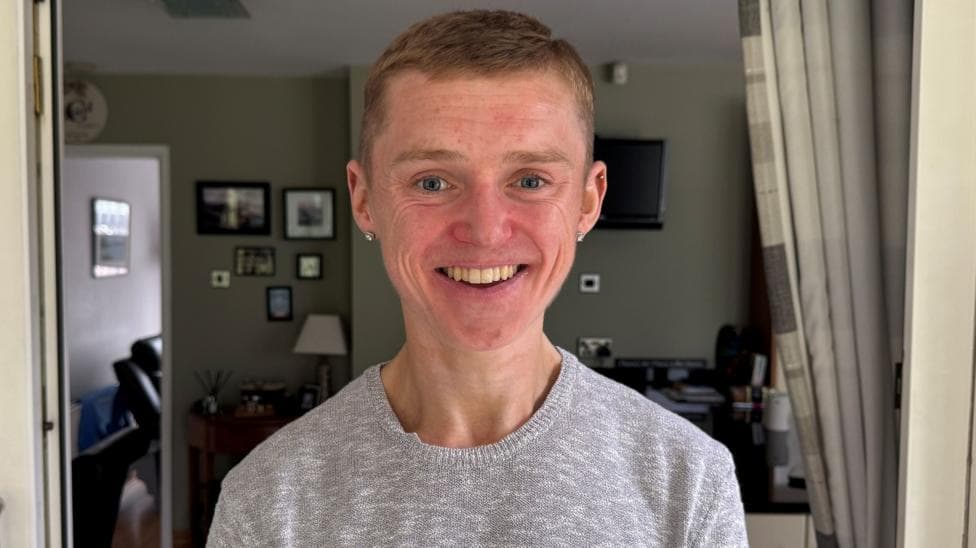
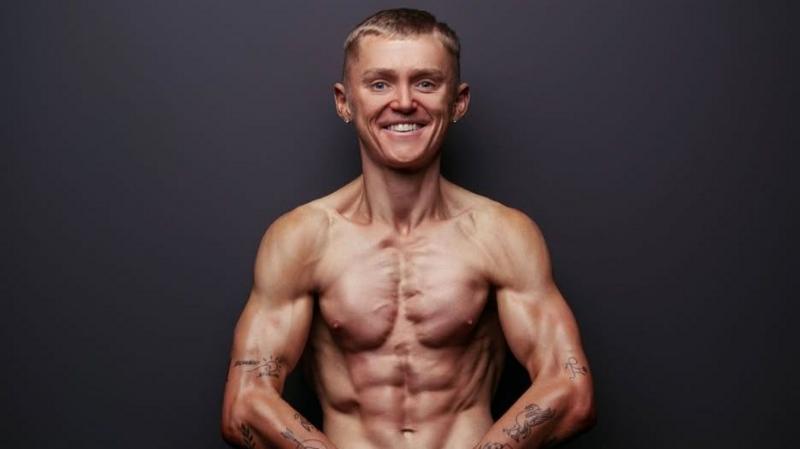
Jordan Caldwell has lived with anorexia since he was 12 years old. Now 30—an age his parents once feared he would not reach—he recently celebrated this milestone with a professional gym photoshoot, marking what he describes as a turning point in his long struggle with the eating disorder.
The youth football coach at Glentoran FC in Newtownabbey has decided to share his recovery journey publicly, hoping to demonstrate to others battling eating disorders that healing is achievable, particularly when rooted in activities and passions that bring genuine meaning.
Caldwell's difficulties began in his early teenage years following a combination of traumatic events. According to his own account, losing his place on a football team at 12, alongside family bereavements and failing his 11-plus exams, contributed to the onset of his eating difficulties. The condition progressed severely over the following years, with his physical health deteriorating dramatically.
The Lowest Point
Caldwell reached his most critical moment at 18 years old, when a relapse forced him into residential treatment at a specialist eating disorder centre in London. During his illness, his weight fell below five stone, and he was placed under section and tube-fed in the specialist unit. The intensity of his struggle left lasting psychological scars, resulting in a diagnosis of Post Traumatic Stress Disorder (PTSD).
Beyond the immediate health crisis, the disorder inflicted lasting developmental damage. Caldwell has said anorexia stunted his growth and delayed puberty, and that he still struggles with confidence and anxiety about comments on his appearance.
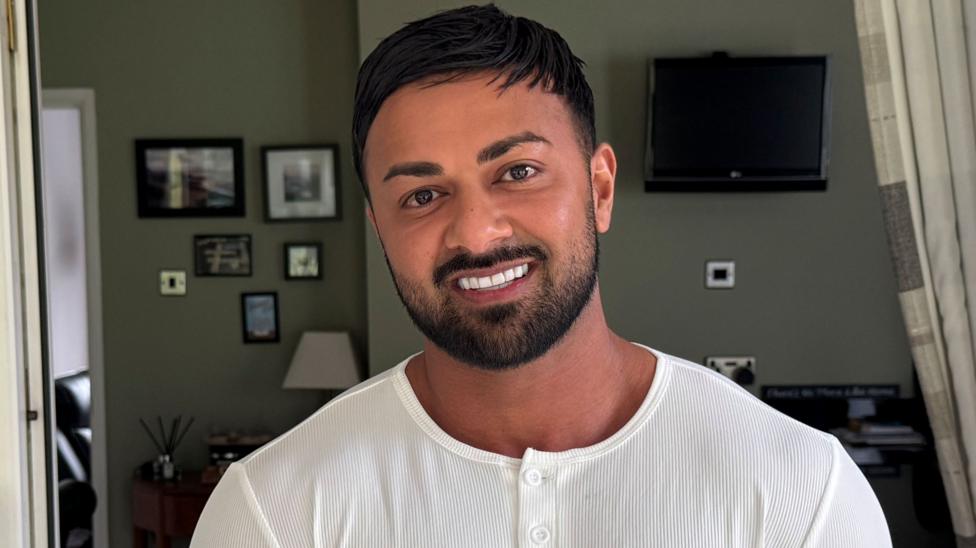
The turning point arrived four years ago when Caldwell made a decisive choice to reach out to Aamir Ishtiaque, an online fitness coach, asking whether he would mentor him through recovery. This connection proved transformative. Caldwell has always possessed a deep passion for sport, particularly football and bodybuilding, viewing bodybuilders as figures of aspiration.
Building Strength Through Passion
Rather than pursuing a cure he believes may never fully arrive, Caldwell has adopted a realistic approach to managing his condition.
I believe it is something I will battle with everyday, but I can be on top of the negative side more than the negative side being on top of me.
He emphasises that having a trusted person to confide in has been essential to his progress.
The first year or so, it was just getting myself back on the straight and narrow and actually seeing there is a point in living again,he reflected on his early recovery phase.
His renewed sense of purpose gradually evolved into concrete ambition. He set himself a specific goal: to reach his 30th birthday in a state of physical and mental health where he could declare that anorexia no longer controlled his life, and where he had rebuilt muscle and achieved something he had dreamed of since his relapse years earlier.
The photoshoot itself became a powerful moment of affirmation. Caldwell described the experience of receiving a spray tan and practising bodybuilder poses as deeply meaningful.
I would probably say, if not the best day of my life, then it was the second best day!he said. The only comparable moment, he noted, was playing high-level sport as a young boy, before his eating disorder took hold.
Bearing in mind my whole life basically has been living with anorexia, yes it was the best day of my life. For me to now look back and think 'that was me', it shows you there is hope.
The Coach's Perspective
For Aamir Ishtiaque, his work with Caldwell has fundamentally reshaped his approach to coaching.
The journey with Jordan has been quiet interesting. First and foremost it's made me a much better coach. It's made me understand that everyone comes from different positions.
Ishtiaque recognised early on that establishing trust was paramount.
Getting his trust was very important because I knew that he was finding it very difficult to take advice from other people. If I can gain his trust, do small things initially, then that leads onto bigger things.
Rather than allowing Caldwell to stall after achieving his photoshoot goal, Ishtiaque has already begun planning new objectives.
Once you hit a goal there is always a period of where you're kind of in limbo and I didn't want that. I couldn't afford to have that with Jordan.
Ishtiaque acknowledges that Caldwell's recovery is not a straightforward progression, but he has come to view their relationship as extending far beyond the typical coach-client dynamic.
I have transformed thousands of people in my career but this is probably the best, simply because the relationship I have developed with Jordan has been a lot more than just a coach and a client.
Broader Impact and Public Advocacy
Caldwell's willingness to speak openly about his experience has grown beyond his immediate circle. In August 2026, he spoke to a national broadcaster about his 17-year battle with anorexia, aiming to encourage men experiencing eating disorders to speak out and seek help. In the same month, he told another media outlet that he had reached a point where he could look to the future with hope, while describing recovery as an ongoing daily battle.
His advocacy builds on earlier efforts to raise awareness. In 2014, at age 17, Caldwell participated in a Fixers campaign designed to educate young people about anorexia in teenagers, sharing how family deaths and being cut from a football team had triggered his compulsive exercising and food refusal.
Support Services in Northern Ireland
For those struggling with eating disorders in Northern Ireland, specialist services are available. The Department of Health has maintained specialist eating disorder services since 2006, supported by annual investment of £2 million since 2008. Each Health and Social Care Trust operates both a specialist Adult Eating Disorder Service and a specialist Child and Adolescent Mental Health Service Eating Disorder Team.
The Mental Health Strategy 2021-2031 includes a commitment to further strengthening community-based care and treatment. Additionally, the department-led Eating Disorder Managed Care Network brings together health trusts, people with lived experience, community and voluntary sector organisations, and academia to drive regional improvement in eating disorder care.