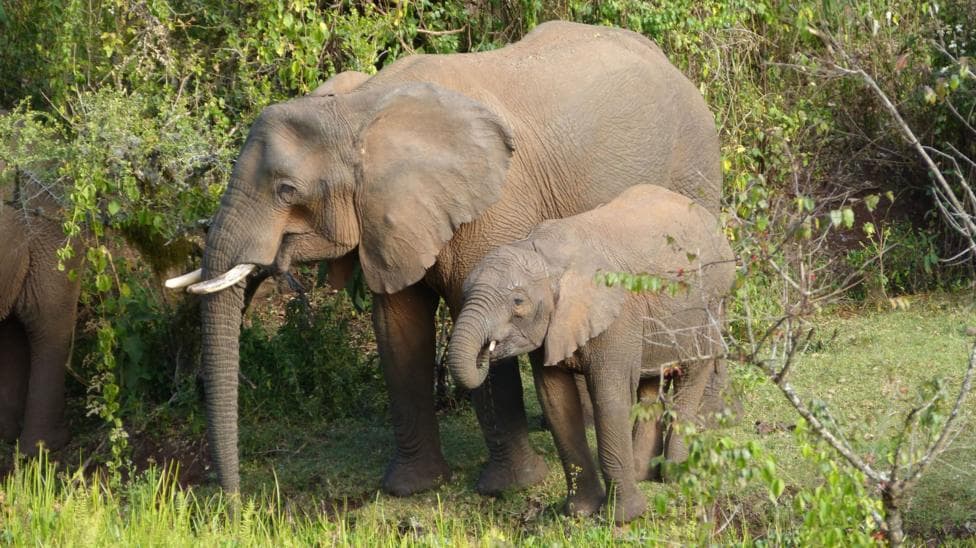
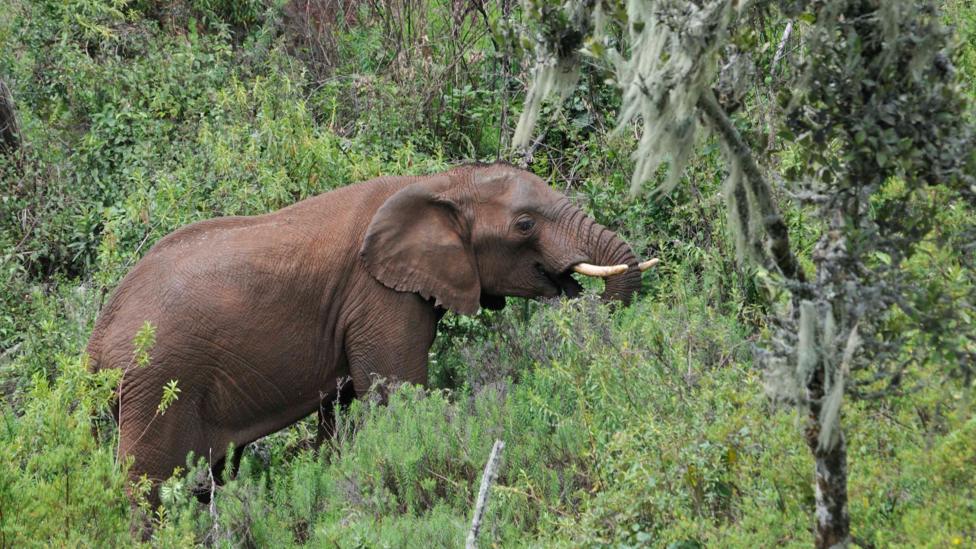
African elephants in Kenya's Mount Elgon region treat themselves and their young with more than 35 different medicinal plants, according to research based on interviews with local wildlife experts and community members who live alongside the animals. The study, which examined accounts of elephant behaviour over extended periods, suggests that mothers actively prepare plant material and administer it to their calves when they fall ill, marking what researchers describe as the first documented case of a non-human species both creating and administering medicine to others of its kind.
The Mount Elgon region, an ancient volcano on the Kenya-Uganda border, is home to a population of elephants long known for their distinctive behaviour of entering caves to scrape mineral-rich rock with their tusks. Scientists have now discovered that these same animals employ an equally sophisticated approach to health management, drawing on the forest's botanical resources in ways that parallel human traditional medicine practices.
How did researchers uncover this behaviour?
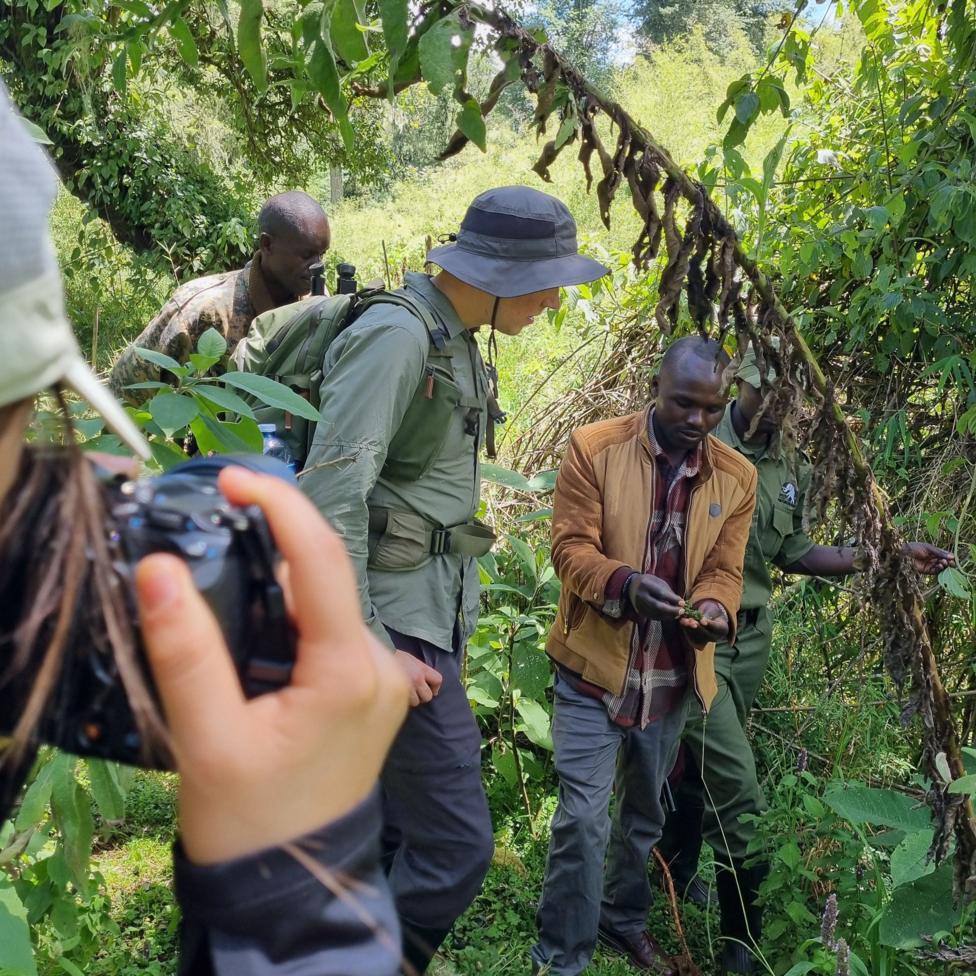
The investigation emerged from collaboration between the Mount Elgon Foundation conservation charity and researchers from the Bernhard Nocht Institute for Tropical Medicine in Hamburg, working alongside the National Museums of Kenya. The team conducted extensive interviews with local wildlife scouts, community elders, and other people with deep knowledge of elephant behaviour in the region. To encourage candid testimony, the study, published in Scientific Reports, kept all participants anonymous.
From these accounts, researchers identified 35 plant species used by the elephants, with 25 of those recognised locally as having medicinal properties. Beyond plants alone, the elephants also incorporate four kinds of soils, minerals, or clays into their health regimen, suggesting a multi-faceted approach to self-care.
What specific examples of elephant medicine-use emerged?
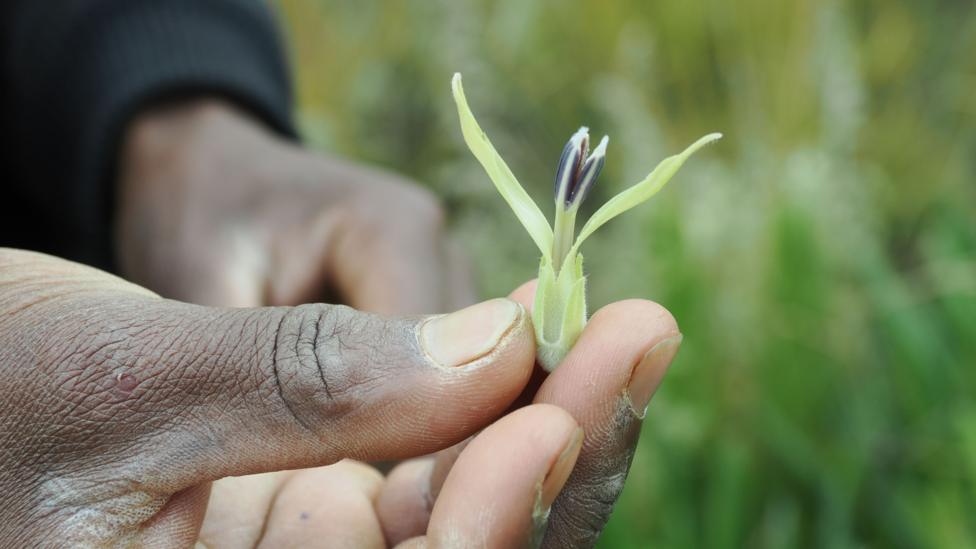
One particularly striking account came from a wildlife scout who witnessed elephant mothers using a plant called Angurweet to treat their calves. The scout described mothers chewing the plant material—removing leaves and processing them along with roots from other trees until the mixture reached a smooth consistency. The mothers then mixed this preparation with their own milk before offering it to their young to chew, with the calves spitting out the solid matter after extracting the medicinal benefit.
Angurweet itself is used in local traditional medicine to treat stomach complaints and other digestive ailments. The research team collected samples of 34 plants used in human traditional medicine, finding that almost 20 contain active compounds in their fruits, leaves, stems, or roots.
Professor Michael Huffman, a primatologist at Nagasaki University who was not involved in the study, described the Angurweet account as
"tantalising", though he cautioned that additional evidence would be required to definitively establish that elephants provide tailored medical treatment to individual calves.
What does this reveal about animal self-medication more broadly?
The elephant findings fit into a much larger pattern of self-medication across the animal kingdom. The earliest recorded observations of such behaviour date to the early third century, when Roman author Claudius Aelian documented an elephant that consumed flowers and olive oil after being wounded by spears and arrows, subsequently making a full recovery. In modern times, scientists have documented self-medication in species ranging from insects to primates.

Professor Huffman noted that
"We now know that mosquitoes and drosophila (flies) self-medicate, bees self-medicate, as do many other species all the way up the evolutionary ladder to the great apes of Africa and Asia. With each new species studied, we have gained a greater understanding of our medicinal past."
Earlier research on African forest elephants found they were 16 per cent more likely to consume banana stems and leaves and 25 per cent more likely to nibble papaya plants when suffering from parasitic infection, suggesting that plant selection is linked to specific health conditions.
Why does this matter for human medicine and conservation?
Dr Elodie Freymann from Brown University, one of the lead researchers on the project, emphasised the interconnectedness of human and animal health systems.
"This shows just how entangled our medicines are with the non-human world,"she said. She further observed that
"There are medicine-producing organisms on this planet that have this incredible capability. Medicine factories that exist all around us."
The implications extend to conservation and pharmaceutical discovery. Many modern medicines derive from compounds originally found in trees, algae, fungi, and coral reefs. Forest destruction not only threatens wildlife but may also eliminate undiscovered medicinal resources.
"It's a win-win for us to protect these forests and keep those natural pharmacies around... long enough that we can discover new natural products that could save us down the line,"Dr Freymann explained.
Dr Fabien Schultz from the Bernhard Nocht Institute, who leads the research team, described the local knowledge gathered as foundational to the next phase of investigation.
"Local knowledge has given us a map,"he said.
What happens next in the research?
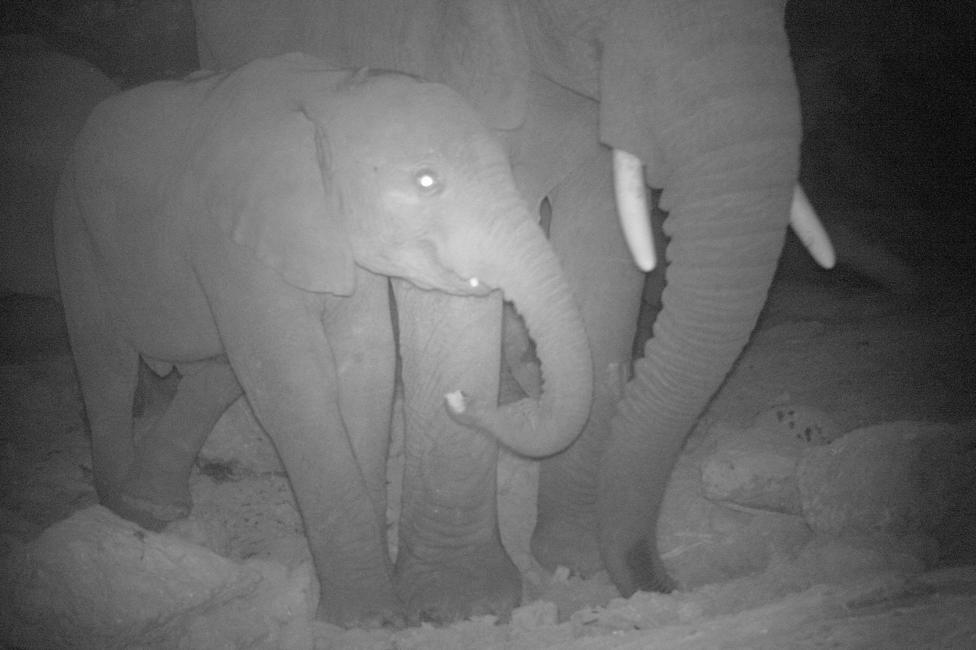
The team has already begun the process of gathering direct observational evidence. Wildlife experts who collaborated on the initial interviews have been equipped with cameras to record elephant behaviour they witness in the field. Scientists at the Bernhard Nocht Institute are now conducting laboratory analyses to determine the plants' exact pharmacological properties.
The researchers aim to establish whether elephants select particular plants in response to specific health conditions and whether those plants possess relevant biological activity that explains their medicinal effects. This work will require completing chemical and pharmacological studies before the active compounds behind the observed health benefits can be confirmed.
The broader research programme also reflects renewed conservation momentum in the Mount Elgon ecosystem. Elephants returned to the Mount Elgon side of Uganda after four decades of absence, underscoring the region's importance as a transboundary wildlife habitat and the value of collaborative conservation efforts that centre local knowledge alongside scientific investigation.
Key Facts
- Researchers identified 35 plant species used by Mount Elgon elephants, with 25 recognised locally as medicinal
- Elephant mothers reportedly prepare plant material and administer it to calves, including mixing it with breast milk
- The study combined interviews with local wildlife scouts and community elders with camera trap documentation
- Laboratory work is underway to identify the pharmacological properties of the plants elephants use
- The findings highlight the connection between forest conservation and the discovery of potential new medicines for human use