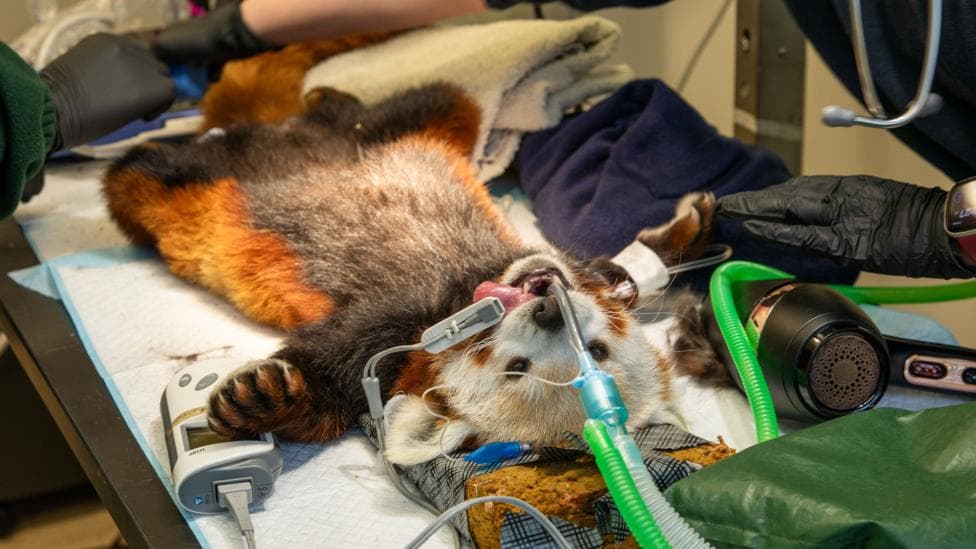
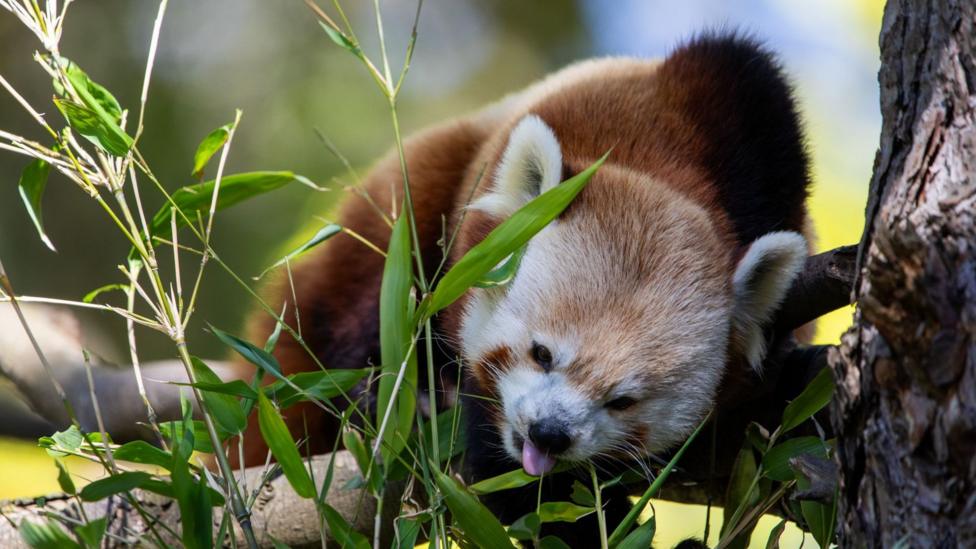
Edinburgh Zoo's red panda Bruce underwent dental surgery after keepers noticed he had stopped eating normally. Veterinarians at the Royal Zoological Society of Scotland discovered the 11-year-old was suffering from a painful tooth infection, which required extraction during a comprehensive health examination.
Bruce was placed under general anaesthetic while vets removed the affected tooth and conducted a thorough assessment for other potential health issues. The procedure went smoothly, and the endangered animal received a clean bill of health before being returned to his enclosure.
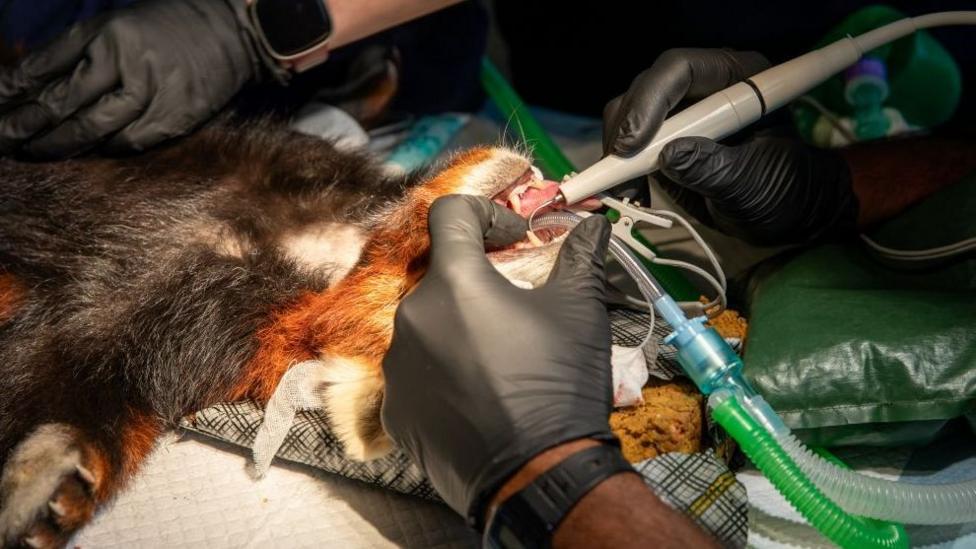
According to reports following the surgery, Bruce has already made a full recovery and has resumed his normal daily activities, including sleeping in pine trees and foraging for bamboo.
Who is Bruce and what is his significance?
Bruce arrived at Edinburgh Zoo in 2016 and has become an important member of the facility's red panda population. He is now the sole red panda resident at the Edinburgh location, though his genetic legacy continues through his offspring. His daughter Priya, a female red panda, was relocated to the Highland Wildlife Park earlier this year as part of broader conservation breeding programmes managed by the Royal Zoological Society of Scotland.

The zoo's red panda collection has faced significant challenges in recent years. In 2024, the facility experienced the tragic loss of two animals: Roxie, a three-month-old cub, died from stress triggered by fireworks during Bonfire Night, and her mother Ginger passed away unexpectedly just five days before at the age of nine. The zoo's conservation efforts continue to focus on protecting and breeding this vulnerable species.
Why are red pandas endangered?
Red pandas have become classified as endangered due to multiple threats in their natural habitat. Habitat destruction, human interference, and poaching have all contributed to their declining numbers across their native range in the eastern Himalayas and southwestern China. Conservation initiatives within zoo collections play a crucial role in maintaining genetic diversity and supporting species recovery efforts.
The World Wildlife Fund estimates that fewer than 10,000 red pandas remain in the wild, and the International Union for Conservation of Nature classifies them as endangered. Despite their name, red pandas are not closely related to giant pandas; they are instead more distantly related to raccoons, skunks, and weasels, belonging to their own distinct family.
What role do zoos play in red panda conservation?
Facilities like Edinburgh Zoo contribute to species preservation through veterinary care, breeding programmes, and public education. The dental procedure Bruce underwent demonstrates the level of medical expertise available to zoo animals, ensuring they receive treatment comparable to domestic pets. Coordinated breeding efforts across multiple institutions, such as the movement of Priya to Highland Wildlife Park, help maintain healthy populations and genetic diversity among captive red pandas.
Key Facts
- Bruce is an 11-year-old red panda who underwent tooth extraction and received a full health check at Edinburgh Zoo
- Fewer than 10,000 red pandas are estimated to exist in the wild, primarily in the eastern Himalayas and southwestern China
- Red pandas are classified as endangered by the International Union for Conservation of Nature, mainly due to habitat loss and poaching
- Bruce's daughter Priya was relocated to Highland Wildlife Park as part of coordinated conservation breeding programmes
- Red pandas are more closely related to raccoons and weasels than to giant pandas, despite their similar name