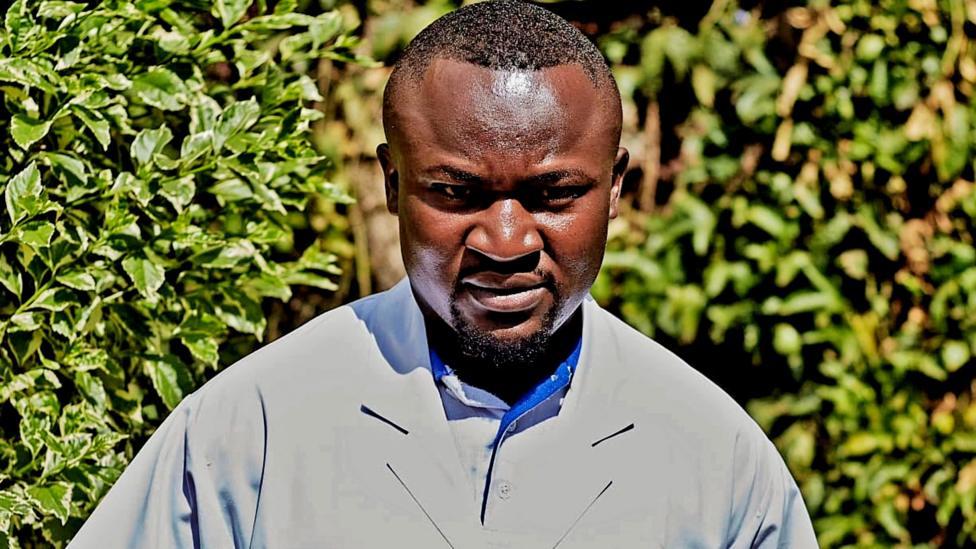
When Dr Raymond Kasereka Kamwanga informed his family that he suspected he had contracted Ebola and intended to seek care at a specialised treatment facility in Butembo, eastern Democratic Republic of Congo, they reacted with alarm and distress. His 50-year-old mother, Masika Ndungo, viewed the centre as a place where patients went to die, given the low survival rates particularly among those arriving in advanced stages of illness. She wept and pleaded with him to stay away, asking him directly: "Why are you choosing to die at the Ebola treatment centre?"
Yet as a physician at Butembo's Katwa Hospital, Kamwanga understood that remaining at home would almost certainly prove fatal. This decision came in July, approximately two months after the World Health Organization declared the Ebola outbreak in DR Congo a public health emergency of international concern. According to BBC News, the outbreak had by that point claimed 5,400 lives and infected 11,000 people, making it the second-deadliest recorded outbreak of the disease. Kamwanga became one of 3,031 survivors and has since dedicated himself to sharing his experience to combat the spread of infections devastating his community.
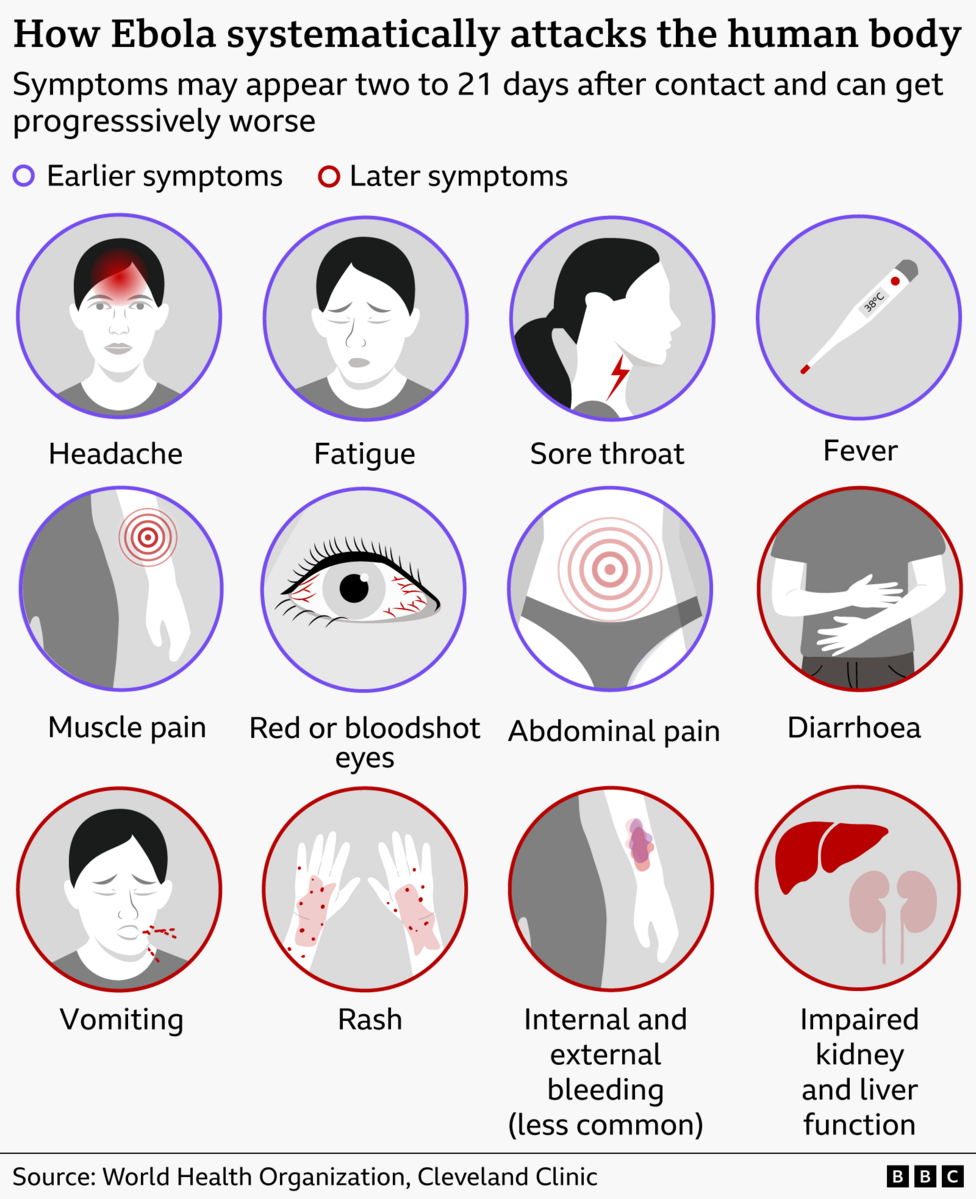
The 30-year-old medic believes he contracted the virus through contact with a patient in an environment where protective measures were inadequate. Initial symptoms emerged gradually: a bitter taste in his mouth, headaches and a general sense of unwellness. He contacted the Ebola response team for an initial assessment and testing, then returned home. However, his condition deteriorated rather than improved.
A significant obstacle to rapid diagnosis existed in Butembo itself: the city lacks the equipment needed to test for Ebola quickly. Samples must be transported to Beni, located 54 kilometres to the north. The deteriorated road conditions in this conflict-affected and underdeveloped region meant that even this relatively short journey could consume between 48 and 72 hours. After three days at home, Kamwanga experienced severe weakness and muscle pain. By the fourth day, he began vomiting and developed diarrhoea—symptoms that convinced him he needed immediate hospitalisation.
He gathered his family members, including his mother, to announce his decision to enter the treatment centre.
"She had started crying, along with my sisters. I told them everything would be alright, that I was a doctor and that I was confident. But they weren't reassured,"he recalls. Around 18:00, he made his way on foot to the nearby facility but deliberately avoided using the main entrance. Instead, he telephoned his colleagues and asked them to don protective equipment before approaching him, ensuring he remained isolated given that the virus spreads through contact with infected bodily fluids.
The current outbreak stems from the Bundibugyo species of Ebola, for which no approved vaccine or treatment existed at the time of his illness.
"The treatment given to Ebola patients is symptomatic - meaning that doctors treat the symptoms the patient presents,"Kamwanga explains, noting that in his case this involved managing severe vomiting and diarrhoea. In some patients, these symptoms can escalate to organ failure, and some individuals develop internal and external bleeding. Kamwanga lost substantial fluid volume and struggled to maintain hydration—a terrifying experience.
"I was afraid for myself. Every day, patients were dying right before my eyes. But I stayed positive,"he says.
Over 13 days in his hospital bed, he maintained his morale by watching films and television programmes on his phone, reading, and browsing social media. When he finally learned of his recovery, he experienced profound relief and expressed gratitude to the healthcare workers who had treated him. Yet even a certificate confirming he was Ebola-free did not immediately ease the anxiety of those around him following his discharge.
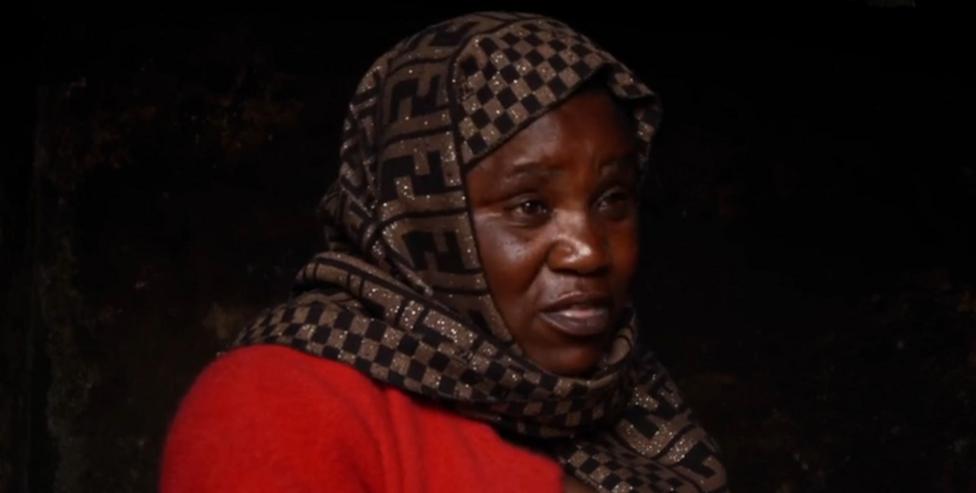
His mother describes the homecoming:
"We welcomed him home warmly. But because of our fear, we didn't get close to him any more."For 21 days—the incubation period of the virus—Kamwanga lived in isolation within another section of the family home, which was densely occupied with at least 18 residents, including several children and people displaced by recent armed conflict in the region. He would only encounter family members from a distance when collecting his meals, while others maintained their separation from him.
Neighbour Kavugho Sifa shared these apprehensions.
"We were really afraid, but we prayed to God to protect him at the treatment centre. With God's help and the doctors' efforts, we saw him return in good health,"she tells the BBC. The experience fundamentally altered how the community perceived Ebola. Some residents had not believed the disease existed at all; witnessing Kamwanga's illness and recovery firsthand helped dispel some of the misinformation circulating in the area.
Following his recovery, Kamwanga committed himself to community outreach, using his personal narrative as a tool to counter rumours and rebuild trust.
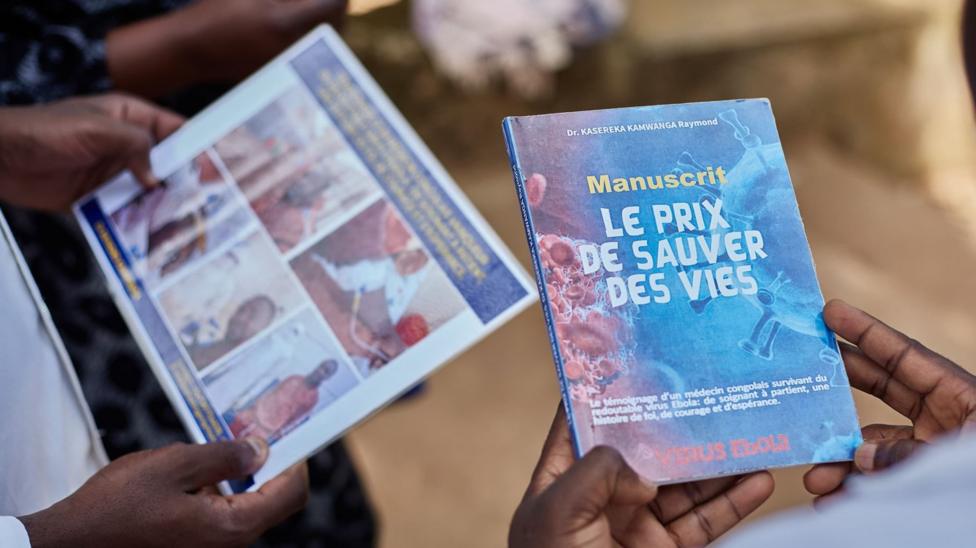
"I started writing my book - The Price of Saving Lives - one week after recovering and leaving the hospital,"he explains.
"However, it is not finished yet. What I currently use during my awareness-raising activities is the draft, and it is already making a significant impact."During these sessions, he distributes photographs taken while he was ill to demonstrate to residents that Ebola is a genuine threat. According to reporting on his advocacy work, Kamwanga receives death threats by telephone, and some community members accuse him of being paid to disseminate information about Ebola.
In Butembo, this mission remains fraught with difficulty. Kamwanga notes that some residents view awareness campaigns as mechanisms through which humanitarian organisations profit from donor funding. Such distrust, which extends to healthcare professionals themselves, frequently stems from poverty and trauma accumulated through years of armed conflict.
"Ebola has come alongside the war,"he observes, noting that some interpret the disease as a tool wielded by authorities to threaten vulnerable populations
"to finish off those whom the war failed to exterminate"."He also contends that the visibility of deaths during epidemics, contrasted with recoveries that often remain less prominent, reinforces fear and suspicion among the population.
Standing at the forefront of this effort carries significant personal risk. Reports from November 2026 documented allegations that hundreds of millions of dollars intended for the DRC Ebola response were not reaching frontline healthcare efforts, though these claims remain unindependently corroborated. Kamwanga aligns with recent findings from Médecins Sans Frontières regarding misappropriation of Ebola funds.
"The money allocated to the Ebola response is being misappropriated by the government. We do not have enough protective equipment,"he states. He also reports that outreach workers have faced attacks from community members, and he believes authorities are not adequately addressing these problems.
"Our government is taking things lightly."
Despite intimidation and the obstacles confronting him and his colleagues, Kamwanga remains resolute in his determination to help end the disease.
"Should we give up the fight against Ebola? No. We continue to do what we can with the resources available to us, which are unfortunately very limited."His survival and his willingness to share his story represent a powerful counter-narrative to the fear and misinformation that have hindered outbreak response efforts.
"As someone who has recovered, I am living proof that the disease exists, but also that it is possible to recover from it,"he tells the BBC outside Katwa Hospital, where he continues to work.