Testifying as a victim in a sexual assault case ranks among the most intimidating experiences a person can face. For many survivors, anxiety about their appearance compounds the already overwhelming stress of giving evidence. According to BBC News, a new initiative called CourtRobe is working to remove this additional burden by helping women dress with confidence for court proceedings.
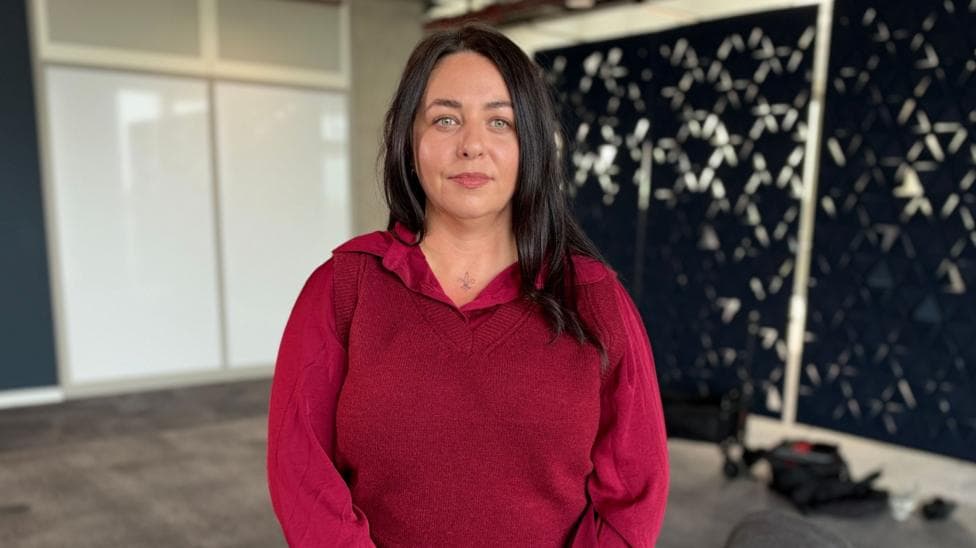
Sarah Lee, a 39-year-old rape survivor, understands this pressure intimately. During her own trial, she found herself consumed by questions about how her appearance might be perceived.
"Should I wear this? How will that look? How am I going to be perceived? Will I be judged?"she explained.
"Should I wear something that's closed? Should I wear something that's open? There's just all these questions, how will my hair look? You're anticipating that people... are going to put you on trial."
Sarah described her trial as one of the darkest periods of her life, fearing that scrutiny of her clothing and appearance would overshadow the substance of her evidence. This experience, shared by many survivors navigating the justice system, prompted her and Kayla Poulton—another woman who has endured the court process—to establish CourtRobe.
What is CourtRobe and how will it work?
CourtRobe is a campaign designed to partner with high street department stores across Scotland, requesting donations of vouchers and clothing alongside specialist staff training. The initiative aims to equip retail workers with trauma-informed expertise so they can provide free personal shopping sessions to survivors preparing for court appearances. The project is being developed in collaboration with the Emma Ritch Law Clinic at the University of Glasgow, which provides free legal advice and representation to victim-survivors of sexual crime.
The programme specifically targets women on limited incomes, recognising that financial constraints can add to the stress of preparing for trial. By removing the cost barrier and providing expert guidance, CourtRobe seeks to help survivors feel more prepared and less intimidated as they enter the courtroom.

Why does appearance matter in sexual assault trials?
Kayla Poulton, 36, articulated the impossible choices survivors face when selecting courtroom attire.
"For me it was, do I wear a dress? If I wear a dress, do I look too provocative? Do I wear heels? Then I got suit trousers and a blouse and then I was so worried that the blouse was going to be see-through."She continued:
"You just overthink. You don't want people to think, oh, she deserved that. Oh, if she dressed like that, then, well, she deserved it. That's a really scary part and that's where we want to empower women and for them to just feel confident enough to go in and be who they are."
Research supports the concern that appearance influences how juries perceive witnesses. Rape Crisis Scotland points to evidence suggesting that clothing deemed revealing or provocative can reduce a witness's perceived credibility. Nicola Love, a spokeswoman for Rape Crisis Scotland, noted that it should not be surprising that women are
"disproportionately worried about how they're perceived"when giving evidence.
"We've seen research, we've seen evidence from juries that if it's deemed to be a revealing piece of clothing or a provocative piece of clothing, they find that witness less credible."
Sarah observed that survivors face unspoken dress codes in the courtroom.
"It's not like you can turn up in a situation like this in your leggings and a hoodie. It's just not the way that women want to portray themselves."This pressure to conform to expectations about appropriate appearance adds yet another layer of stress to an already traumatic process.

How does CourtRobe address systemic barriers?
The founders view CourtRobe as fundamentally about empowerment during one of life's most vulnerable moments. Kayla explained:
"You're just so worried about what the jury are thinking about you as a person and not the person that's on trial. CourtRobe is about empowering women at a time where they feel really vulnerable."
Rape Crisis Scotland has endorsed the initiative, recognising its importance in reducing unnecessary stress. Love stated:
"Whether or not you're wearing the right outfit should be the last thing you're thinking about. Going to court is really costly. We don't have that conversation enough. Having a service that is able to take that stress away is incredibly important and would make an incredibly distressing, stressful experience, feel significantly less stressful."
The broader context of support for sexual assault survivors in the justice system is evolving. A Scottish Government-funded pilot announced in 2025 offers free independent legal advice to complainers in rape and attempted-rape cases, including help understanding their rights and preparing to give evidence. Additionally, specialist courtrooms for rape and sexual assault cases will be rolled out across England and Wales within two years, with victims able to give evidence remotely and access dedicated support.
What makes CourtRobe different?
While broader systemic reforms address procedural and evidentiary concerns, CourtRobe fills a specific gap by tackling the psychological and practical barriers survivors face before they even enter the courtroom. Shop staff participating in the programme will receive trauma-informed training to ensure they understand the unique needs and sensitivities of survivors preparing for trial. This personalised approach acknowledges that confidence in one's appearance can meaningfully affect a survivor's ability to present themselves effectively and feel grounded during testimony.
The initiative recognises that survivors should not bear the burden of navigating appearance-related anxiety alone. By providing free access to clothing, styling advice, and expert guidance from trained retail professionals, CourtRobe aims to shift focus away from how a woman looks and toward what she has to say. For Sarah and Kayla, this represents a concrete step toward ensuring that survivors can walk into the courtroom feeling prepared, supported, and empowered to tell their truth.