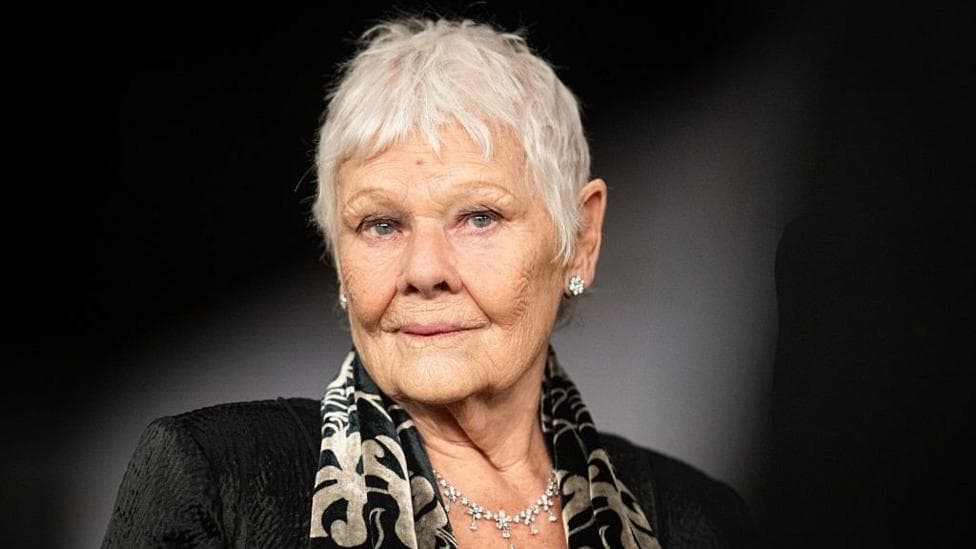
Oscar-winning actress Dame Judi Dench has disclosed that her long-standing eye condition has rendered her unable to perform on stage, appear in films, or read—more than a decade after receiving her diagnosis. In an interview with Emma Barnett on BBC Radio 4's Today programme, the 91-year-old described the profound impact of age-related macular degeneration (AMD), a condition that has progressively affected her ability to recognise faces and navigate public spaces.
According to BBC News, Dench was diagnosed with AMD in 2012. Speaking candidly about her limitations, she stated:
"I can't be on stage. I can't do a play anymore. I can't do a film anymore. I can't read anymore."
The condition has created unexpected social difficulties. Dench revealed that her impaired vision sometimes leads her to approach strangers by mistake, occasionally moving toward them "and give them an almost hug" before realising her error. Beyond the immediate challenges of recognition, Entertainment Daily reported that Dench can no longer see television or tolerate bright light, and she has expressed fear of tripping on red carpets, requiring assistance at public events.
Despite these constraints, the Express noted that Dench remains eager to continue working and worries about periods without employment, even as her sight loss severely limits the roles available to her.
A Seven-Decade Career Interrupted
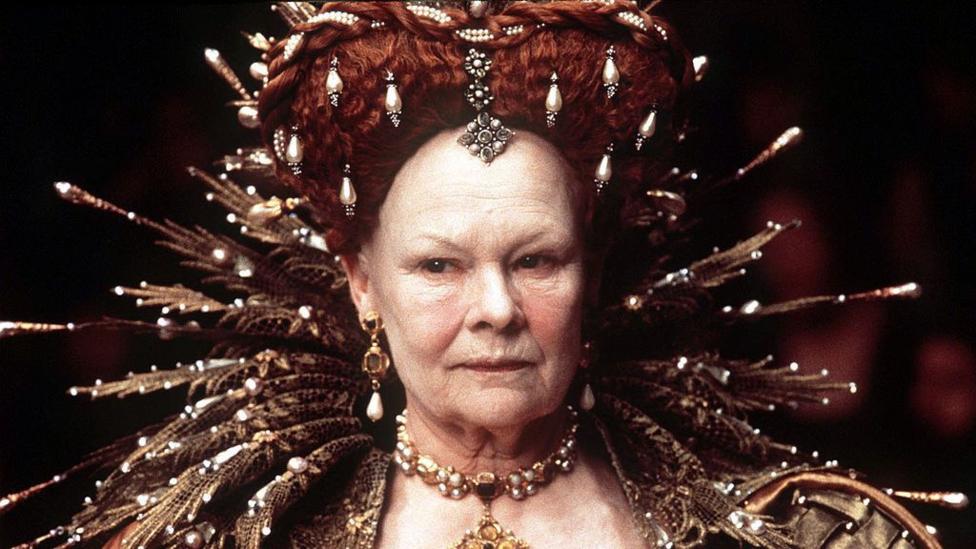
Dench has built one of Britain's most distinguished acting careers, spanning more than seven decades across theatre, television, and film. She secured an Academy Award for best supporting actress for her portrayal of Queen Elizabeth I in Shakespeare in Love in 1999, a role that brought her international recognition.
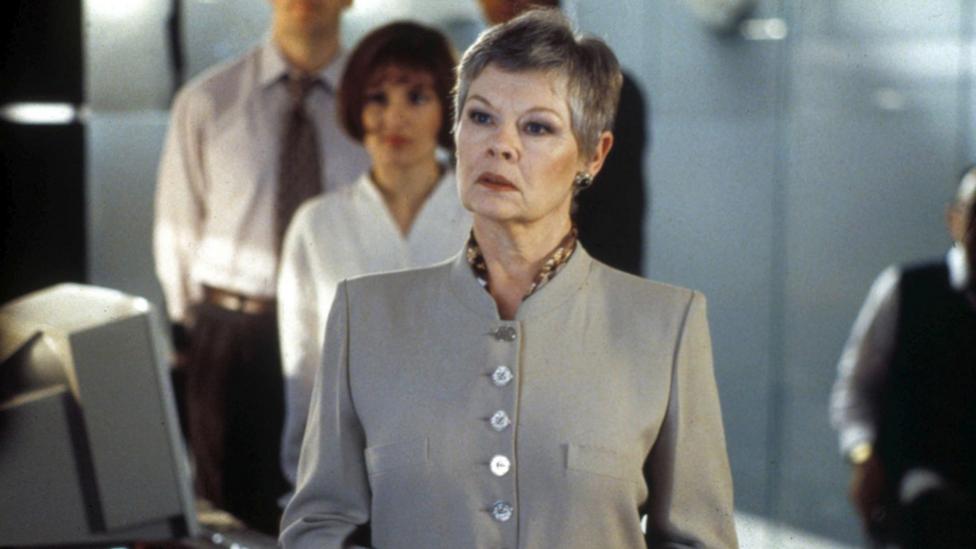
Her global fame expanded significantly through her iconic portrayal of "M", James Bond's superior officer. She made her debut in the role in GoldenEye in 1995, becoming the first woman to play the character—a position she held across multiple Bond films.
Her sight loss has progressively constrained her professional activities. The actress has previously discussed the challenges of working on film sets where she struggled to see, and the difficulty of memorising scripts as her vision deteriorated. Yet she has adapted by embracing other forms of media, noting that "the radio has always been important to me."
Encounters and Memories
During her interview, Dench recounted a memorable lunch invitation from former MI6 chief Sir David Spedding, which she described as "very exciting." When she inquired where her driver should drop her off, she was told the agency would arrange transport. The outing took an amusing turn when her arrival was delayed by approximately 20 minutes because the driver had difficulty locating her residence. Dench responded with characteristic grace:
"I said, 'I'm sorry for being so late because your driver couldn't find my house.' I loved it."
When asked whether she had preferences regarding who should play the next James Bond, Dench offered no opinion.
The conversation also touched on her meeting with American actor Sidney Poitier, who became the first Black man to win the Academy Award for best actor in 1964. Dench was performing in Amy's View in New York when Poitier visited her dressing room following a performance. Director Richard Eyre was present, offering her notes, when Poitier arrived. Dench described the moment vividly, saying she felt as though she were "in a wind tunnel" as he entered. She recalled her reaction with candour:
"Not much, a bit of an open mouth. So charming. Very tall."
A Lifelong Passion for Shakespeare
Dench's devotion to Shakespeare emerged early in her life. She recalled watching her brother perform the role of King Duncan in Macbeth when she was nine years old—a moment that ignited her passion for the playwright. She vividly remembered his entrance and opening line:
"He walked on and he said 'What bloody man is that?' I thought, 'oh my God, this is for me'. He said 'bloody', did you hear that?"
Her affection for Shakespeare extends to his sonnets, which she described as something she is "besotted" by.
"I just love them."She elaborated on what draws her to his work:
"It's the rhythm of it. It's the rhythm of your heart. It's the way he's summed up so simply the way that any of us feel about, well, anything."
When asked about ageing itself, Dench offered a philosophical perspective:
"There's nothing to say for it at all. [I] don't think about it too much."
Looking Forward
Despite her health challenges, Dench continues to make public appearances and speak openly about adapting to life with deteriorating vision. Her new autobiography, Is It Too Late to Make a Run for It?, is scheduled for UK publication on 22 October 2026, offering readers further insight into her remarkable life and career. In a 2025 interview, Dench acknowledged that she was approaching near-total vision loss, describing the prospect as "irritating" rather than allowing it to define her outlook.