The Samaritans charity has announced the closure of its Omagh branch in County Tyrone, a facility that has served the community for more than five decades. The decision, described by the organisation as difficult and made due to circumstances beyond its control, affects approximately 20 active volunteers who have been integral to the branch's operations. According to BBC News, the charity estimates it answers a call for help every 10 seconds across its network.
Established in 1953, the Samaritans focus on suicide prevention by connecting trained volunteers with individuals experiencing emotional distress. The Omagh branch, which had operated continuously since its founding, had become a fixture in the lives of many volunteers who joined during its early years. The closure marks a significant loss for a region where the service has been embedded in community support structures for generations.
Why is the branch closing?
The Samaritans stated that the closure resulted from circumstances beyond anyone's control, though the charity did not elaborate on specific factors. A spokesperson clarified that the decision is not connected to the organisation's future-proofing programme, which is not currently reviewing services in Northern Ireland. This distinction is important, as the charity had previously announced plans to close more than 100 branches across the UK and Ireland, a proposal that generated significant concern among volunteers and stakeholders last year.
The Omagh branch had not provided face-to-face support to the public since March 2020, when all branches reduced their operations in response to Covid-19 restrictions. This extended closure may have contributed to the decision, though the charity has not confirmed this directly.
What are the concerns about the closure?
Volunteers and local representatives have expressed alarm about the impact on the region's mental health support infrastructure. The branch covered both County Fermanagh and County Tyrone, requiring volunteers to undertake lengthy journeys to fulfil their shifts. Those involved in the service have raised concerns that the distance to other branches in Northern Ireland may prove prohibitive for future volunteers seeking to continue their work elsewhere.
The manner in which the closure was communicated has also drawn criticism. News of the decision was conveyed via email, leaving volunteers without email access unaware of the development until later. This approach has added to frustration among those affected.

Sinn Féin councillor Barry McElduff has called for transparency and accountability regarding the closure.
There is a lot of uncertainty as to the reasons that this has happened. We need answers,he told BBC News NI. McElduff intends to propose an informal meeting between Fermanagh and Omagh District Council and the Samaritans
to explore the issues which have arisen and contributed to the closure.He emphasised that
there is a great need for this serviceand noted the significant number of volunteers in the Omagh area.
Will people lose access to support?
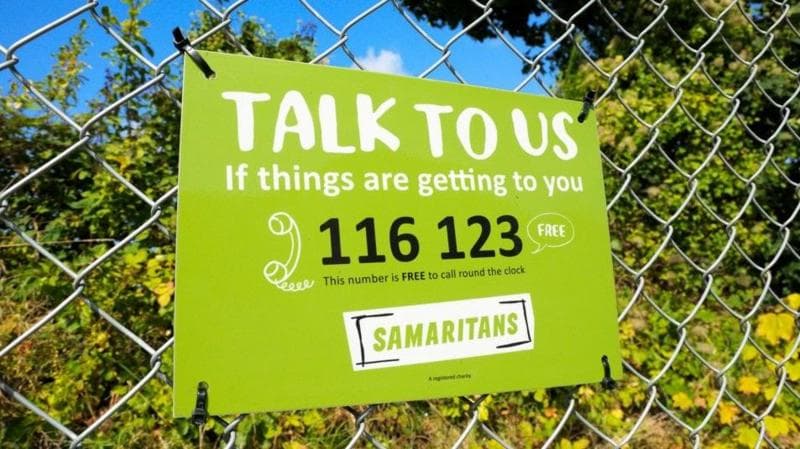
The Samaritans has stated that service users will not be affected by the closure, as the charity operates a national listening service accessible to all. People in Tyrone and across Northern Ireland will continue to access help from Samaritans at any time, day or night, throughout the year by calling 116 123 or visiting samaritans.org. This assurance, however, does not address concerns about the loss of a locally embedded service and the volunteer community that sustained it.
What support is being offered to volunteers?
The charity has provided support to all volunteers affected by the closure. This includes one-to-one phone calls offering guidance and assistance with relocation to other branches. Support meetings have also been made available. Some volunteers have already begun the process of transferring to alternative Samaritans locations, though the distances involved may make this challenging for many.
The Samaritans acknowledged that the Omagh branch
has been a valued part of Samaritans for more than 50 yearsand recognised
the contribution madeby successive trustees, directors, leaders and all volunteers throughout its history. The charity stated that any proceeds from future property sales will be reinvested into running Samaritans services across the UK and Ireland.
What does this mean for community services in Northern Ireland?
The closure of the Omagh branch reflects broader challenges facing charities and community organisations across the UK. Similar pressures have affected other vital services in recent years. Food bank managers in Northern Ireland have warned of potential closures as donations fall and costs rise, with some centres reporting only weeks of funding remaining. These interconnected challenges suggest that rural and regional communities are experiencing a contraction in accessible support services.
The loss of the Omagh Samaritans branch also echoes wider trends affecting local infrastructure. Remote communities such as Lochgilphead have experienced the closure of their last bank branch, forcing residents to travel significant distances for essential services. These developments raise questions about how rural areas can maintain adequate access to critical support systems.
What happens next?
Councillor McElduff's proposed informal meeting between the council and the Samaritans will provide an opportunity to discuss the circumstances surrounding the closure and explore potential solutions. The outcome of these discussions may influence how the charity and local representatives approach the transition and whether any alternative arrangements can be established to serve the region's mental health support needs.
If you have been affected by any of the issues raised in this story, information and support can be found through the BBC's Action Line.