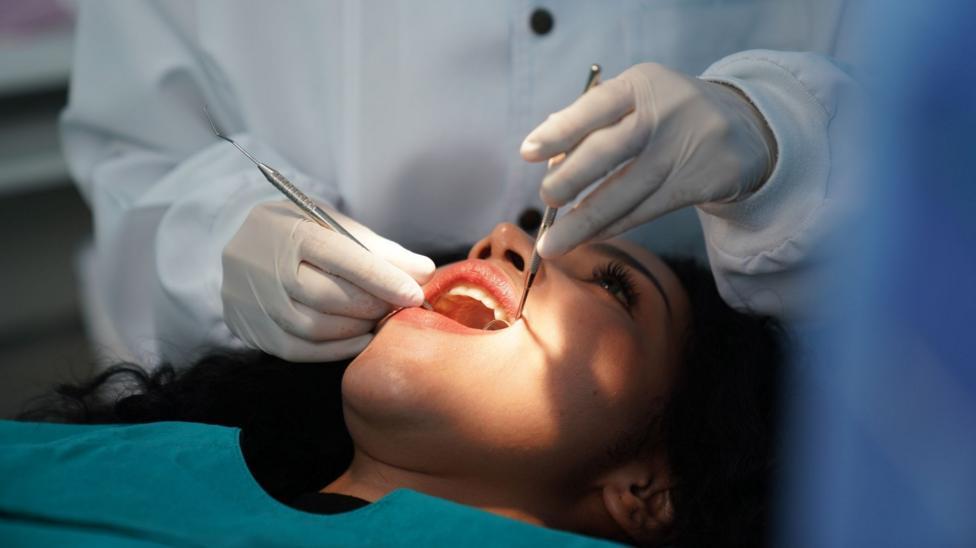
The Competition and Markets Authority has identified significant concerns across the UK's private dentistry sector and is calling for sweeping reforms to protect patients from unfair practices and unaffordable costs. According to BBC News, the watchdog's interim report highlights how millions of people struggle to access dental care due to pricing pressures and limited transparency in the market.
The CMA's investigation, which launched on 5 March 2026, found that approximately four million people have avoided dental treatment over the past two years because of cost concerns. The private dentistry market, valued at £8 billion, now serves about 60% of UK patients for at least some of their dental care.
The findings reveal a market where patients face substantial barriers to making informed choices and accessing affordable treatment. More than one third of patients paying for private dental care do so because NHS options are unavailable, indicating that the private sector has become a necessity rather than a choice for many.
How much are patients paying?
Costs in the private dentistry market have risen significantly faster than inflation. At large dental groups, prices increased by approximately 7% annually between 2023 and 2025, outpacing both inflation and wage growth. The financial burden falls unevenly across the country: a composite white filling represents about 36% of average weekly disposable income in the North East of England and 35% in Wales.
Price variation within the same local area is dramatic. In Preston, composite fillings ranged from £80 to £223, while amalgam fillings in Caerphilly cost anywhere between £72 and £159. These disparities suggest that patients shopping around can find vastly different prices for identical treatments.
Lisa Frame, aged 64 from Norfolk, described the financial strain of private treatment on BBC Radio 4's Today programme. She required three extractions followed by temporary and permanent dentures, with a total cost of around £2,600.
I am a retired lady but I do not receive a pension until I'm 67 and I have had to rely on my husband to help me. The dentist I have…has given a first class service but I still feel very resentful that I'd have had to pay so much money when I have made NHS contributions all my working life.
Why is it difficult to compare prices?
Patients struggle to shop around effectively because one in six dental practices in the UK do not publish their prices online. This lack of transparency makes it nearly impossible for consumers to compare costs before committing to treatment. The CMA also identified concerning financial incentives within the sector: some private dentists have targets to switch NHS patients to private care, and financial arrangements can create risks that patients receive treatments not in their best interests.
Profit margins vary substantially between practices, suggesting that pricing is not driven by consistent cost structures but by individual business strategies. The watchdog found that the market is not functioning effectively for dental patients, particularly those on lower incomes and in certain regions of the UK.
What are the underlying causes?
A fundamental shortage of dentists underpins many of these market failures. The UK has fewer dentists per capita than most European countries, and practices report high vacancy rates that prevent service expansion. This scarcity gives existing providers considerable market power and reduces competitive pressure on pricing and service quality.
The British Dental Association acknowledged the need for market improvements but emphasised that government action on NHS dentistry is equally critical. Eddie Crouch, chair of the BDA, stated:
It is essential that we have a thriving private dental market. But successive governments have left millions with no options when it comes to securing NHS care. When it comes to giving patients access to affordable care ministers hold almost all the cards.
The association committed to working with the CMA on practical solutions but stressed that fundamental reforms to NHS dentistry must accompany any private sector changes. Without addressing NHS access, the private market will continue to absorb patients with no alternative.
What reforms is the CMA proposing?
The watchdog's interim proposals include requiring clearer treatment plans, improving patient access to dental records and diagnostic information, and establishing a new online resource for comparing NHS and private dentistry options. These measures aim to increase transparency and empower patients to make informed decisions about their care.
The CMA has indicated that it is not currently minded to refer the market for a formal investigation, though it has not ruled out that possibility as its analysis continues. The authority is seeking feedback on its proposals through a consultation period.

What happens next?
The public consultation on the CMA's interim findings and proposed remedies closes at 5pm on 17 December 2026. The watchdog plans to publish its final report by 4 March 2027, at which point it will confirm whether further enforcement action is warranted.
Sarah Cardell, chief executive of the CMA, said:
Many people are struggling with affordability, and those on lower incomes and in certain parts of the UK are hardest hit. We're proposing a wide-ranging package of measures to change the way the market operates and will work with governments across the UK to finalise these recommendations ahead of our final report in March.
The investigation comes amid a broader crisis in NHS dentistry, where nearly 600 NHS dental practices have withdrawn over a decade, creating a two-tier system where access depends on location and ability to pay. The CMA's findings suggest that without intervention, the private market will continue to function as a safety valve for NHS shortages rather than as a genuine competitive alternative.