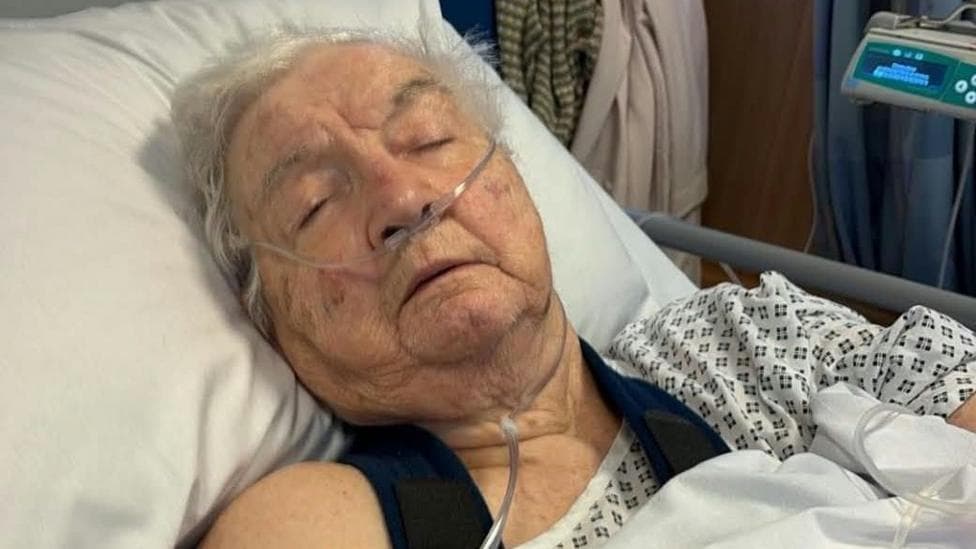
A 93-year-old woman lay on the floor for 10-and-a-half hours with fractures to her femur and shoulder while waiting for an ambulance to transport her to hospital. Margaret Owen fell in her home on 4 October, and her son Graham Anthony arrived after receiving a call from her lifeline alarm at 06:15. According to BBC News, an ambulance was requested at 07:35, but a St John Ambulance worker only attended at 15:30 following a request from the Welsh Ambulance Service, with a full ambulance arriving 90 minutes later.
Anthony described the ordeal as deeply distressing.
Listening to her repeatedly asking for help and sometimes screaming in pain has left me with a feeling of hopelessness,he said. His mother, from Abercynon in Rhondda Cynon Taf, has dementia and cannot fully recall the incident.
She was obviously in clear distress on the floor... her right leg was immobilised, and she was complaining of pain in her right arm. It's just not good enough, is it?Margaret required surgery for her injuries and remains in Royal Glamorgan Hospital almost three weeks after the fall.
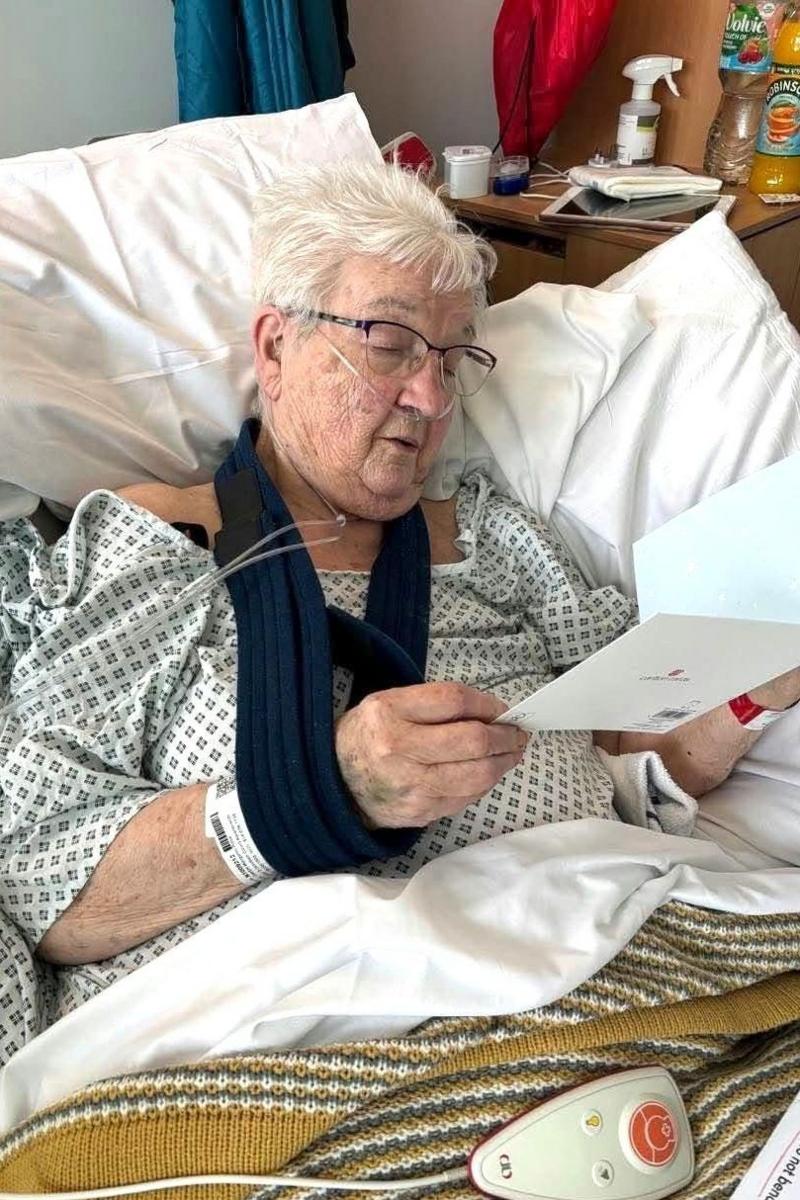
While Anthony acknowledged the professionalism of the ambulance crew who eventually responded, the experience shook his faith in the health service.
Waiting almost eight hours for help is not the standard of service we want to provide,said Lee Brooks, the Welsh Ambulance Service's chief operating officer, who confirmed that a preliminary review had identified aspects of call management requiring further investigation.
Anthony's account resonates with a broader pattern of delays affecting elderly patients across Wales. The Welsh Government's August–September performance report, published on 22 October, recorded 11,616 emergency-department waits of 12 hours or more in September—653 more than in August. This follows earlier cases where elderly relatives endured prolonged waits in hospital corridors and chairs, highlighting systemic pressures across the urgent-care pathway.
Anthony posted about his mother's experience on Facebook, and the response was substantial, with hundreds sharing similar stories of elderly relatives facing extended ambulance waits.
It's not a service, is it really? It's a huge systemic problem and nobody seems to be getting to grips with it,he said.
There are far too many examples of similar injuries, similar waits.He has submitted formal complaints to both the Welsh Ambulance Service and the Welsh Government.

How are ambulance response times measured?
Wales introduced a new call-categorisation system in July 2025, with purple for cardiac or respiratory arrest and red for major trauma and other emergencies where patients risk cardiac or respiratory arrest. In December, three additional categories were added: orange for serious conditions, yellow for people requiring assessment, and green for less urgent cases.
Performance data for the past two months reveals significant gaps against targets. The median ambulance response time for red calls was nine minutes and 32 seconds, missing the six-to-eight-minute target. Purple calls achieved a median of seven minutes and 31 seconds, meeting their target. However, orange calls—which include serious but non-life-threatening conditions—showed a median response time of nearly one hour and 30 minutes, up from about one hour previously. The longest recorded response for orange calls since December was one hour and 53 minutes in January. Data on response times for yellow and green calls remain unpublished, as do targets for orange calls.
In September, the ambulance service received 11,868 orange calls, 5,492 yellow calls and 1,414 green calls. September 2026 ambulance response data showed a Wales-wide median response time of 1 hour 23 minutes for serious orange calls; Swansea Bay's median was 2 hours 54 minutes, the slowest among health boards.
What is the Welsh Government's response?
The Welsh Government acknowledged the distress caused by extended waits and stated that improving access to care is a key priority. Officials announced that a new emergency and acute care policy framework would be published in autumn, setting out plans to improve emergency community response and hospital flow. The framework forms part of a broader urgent-care improvement strategy addressing pre-hospital and community care, emergency-department access, and hospital discharge pathways.
Wales's 2026/27 urgent and emergency care improvement plan calls for no ambulance handover to exceed 45 minutes and aims for more than 90% of handovers to occur within 15 minutes by the end of the fourth quarter. The plan represents an attempt to address the systemic pressures that have left patients like Margaret Owen waiting hours for emergency response.