Autumn conjures images of falling leaves, shorter days, back-to-school routines and the return of pumpkin spice lattes. Yet pinning down exactly when the season begins reveals a more complex picture: depending on which calendar system you follow, autumn in 2026 could start on 1 August, 1 September, or 23 September. Each date reflects a different way of understanding the turning year.
Why do three different calendars exist?
The three systems emerged from different human needs and observations. The ancient Celtic calendar tracked the agricultural cycle and spiritual rhythms of pre-industrial societies. The meteorological calendar developed during the 20th century as scientists sought consistent frameworks for comparing weather patterns across decades. The astronomical calendar, by contrast, is rooted in the earth's physical position relative to the sun, defined by solstices and equinoxes rather than human convention.
Each remains in active use today, though by different communities and for different purposes. Understanding which calendar applies to which context helps explain why autumn seems to arrive at three different times.
Celtic autumn: Lúghnasadh and the first harvest
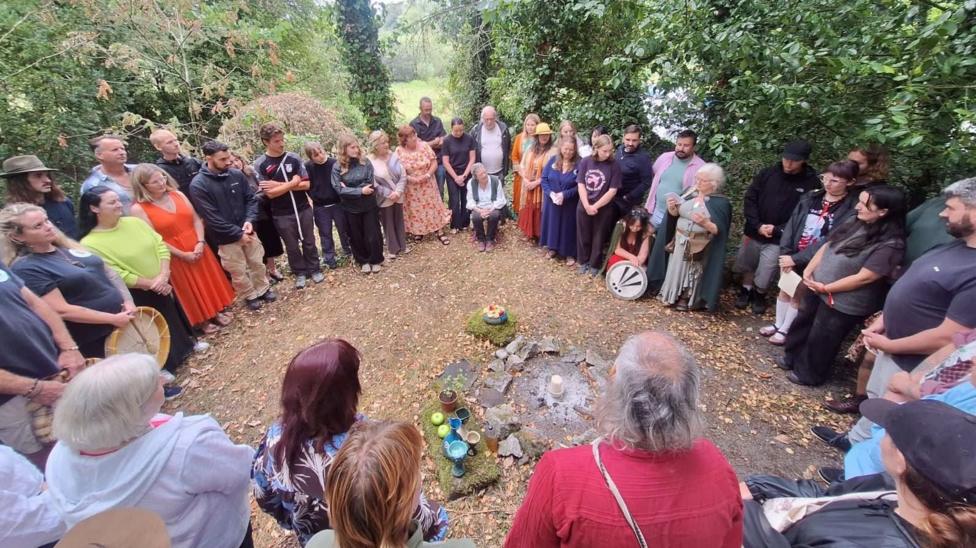
In the Celtic calendar, autumn begins on 1 August with Lúghnasadh, a festival marking the opening of the harvest season. On that date in August, dozens of people gathered in a druid grove in County Kilkenny to mark this transition with ritual and ceremony.
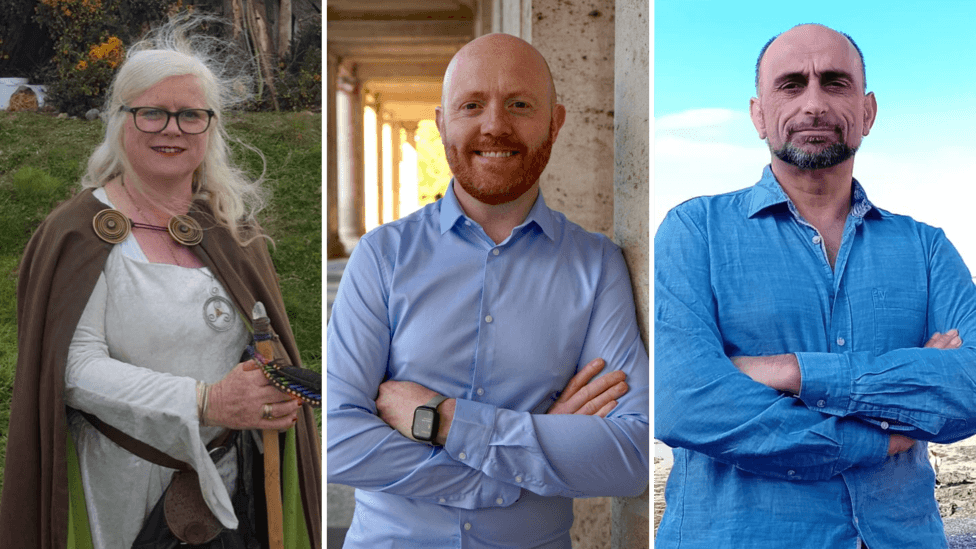
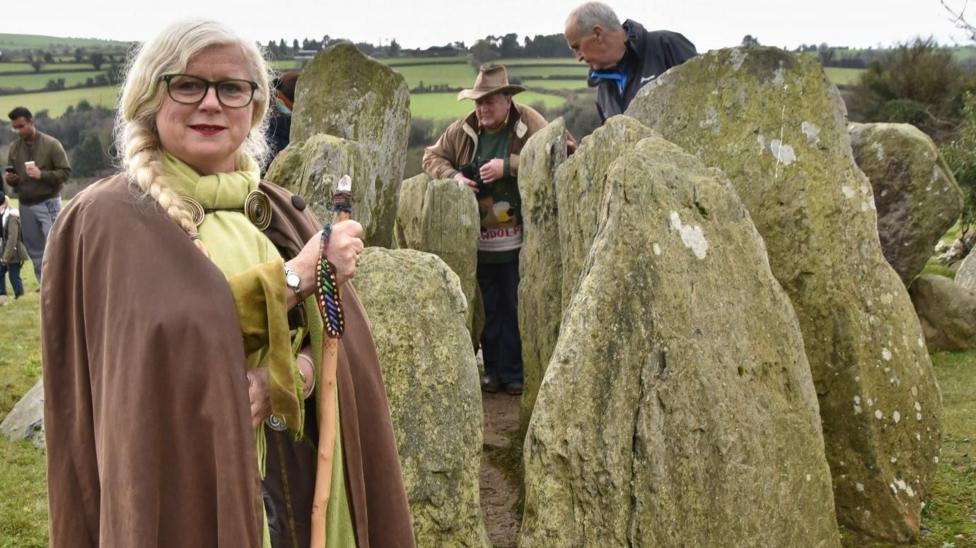
The gathering was led by Eimear Burke, Chosen Chief of the Order of Bards, Ovates and Druids, an international organisation with 30,000 members worldwide. Burke explained the significance of the occasion:
It's the early harvest. This is the time when the first corn is cut, the first wheat is cut, the first bread of the year, as it were.
Beyond the practical harvest, Lúghnasadh carries deeper symbolic weight.
It also represents that life, death and rebirth motif. Something dies in order to be reborn.Participants stood in a circle, shared bread and wine, and acknowledged the changing season and landscape. Burke emphasised that
within druidry we have that strong sense of interconnectedness with everythingand that the festival serves as a reminder:
It's about reminding us that we're harvesting some things, but we need to wait. We need to wait in stillness.

Fiona Byrne, a history curator at the Ulster Folk Museum, which observes the Celtic calendar for its events and exhibitions, contextualises the ancient system's enduring relevance. She notes that for the ancient Celts, this calendar reflected
when people had a much better relationship with the land. The seasons and the changes were obviously very important to how they worked the land.
For those societies, timing was critical.
It's vitally important to be prepared for the darker days of winter and to get the harvest in before All Hallows Eve, what we would call Halloween.Byrne adds that
there's lots of traditions that the roaming spirits would spoil anything left out.
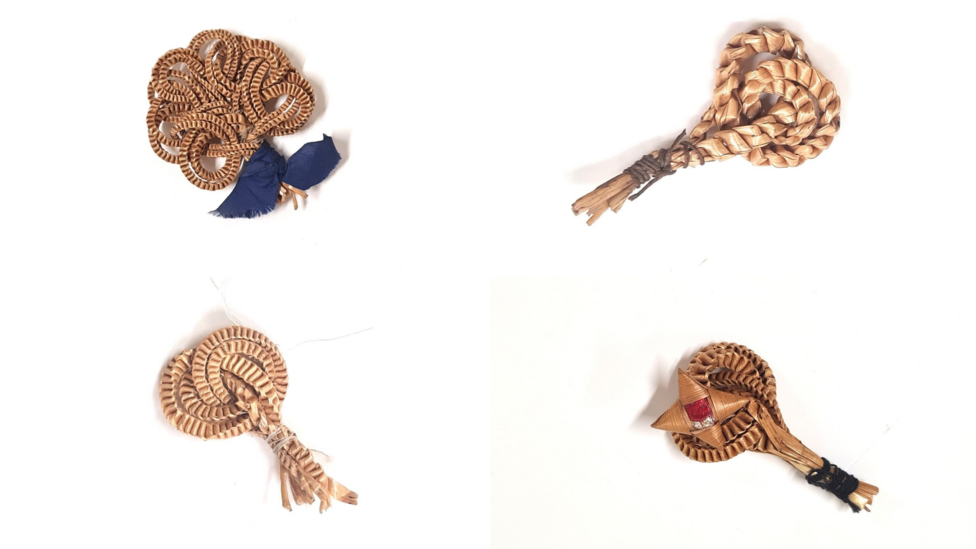
While some Lúghnasadh customs, such as making harvest knots, have largely faded from common practice, others persist. Bonfires remain a fixture of modern autumn celebrations, maintaining a thread of continuity with ancient tradition. When asked when she believes autumn truly begins, Byrne reflects:
I think that's the big debate... and it just all comes down to what you want to follow yourself. I've got the dual identity. At the Folk Museum, it is 1 August, when I'm in home life, it's all about back to school.
Meteorological autumn: the modern scientific framework
The meteorological calendar represents a far more recent development, taking shape throughout the 20th century as climatologists and weather scientists sought to standardise their observations. Unlike the Celtic system, which aligns with agricultural and spiritual cycles, the meteorological calendar divides the year into four seasons of roughly equal length based on temperature patterns.
Meteorological autumn begins on 1 September and runs through 30 November. According to AccuWeather, this period spans 91 days and is defined by consistent temperature characteristics. The Royal Museums Greenwich explains that meteorologists divide seasons into three-month blocks based on average monthly temperatures, creating a standardised framework that transcends local variation.
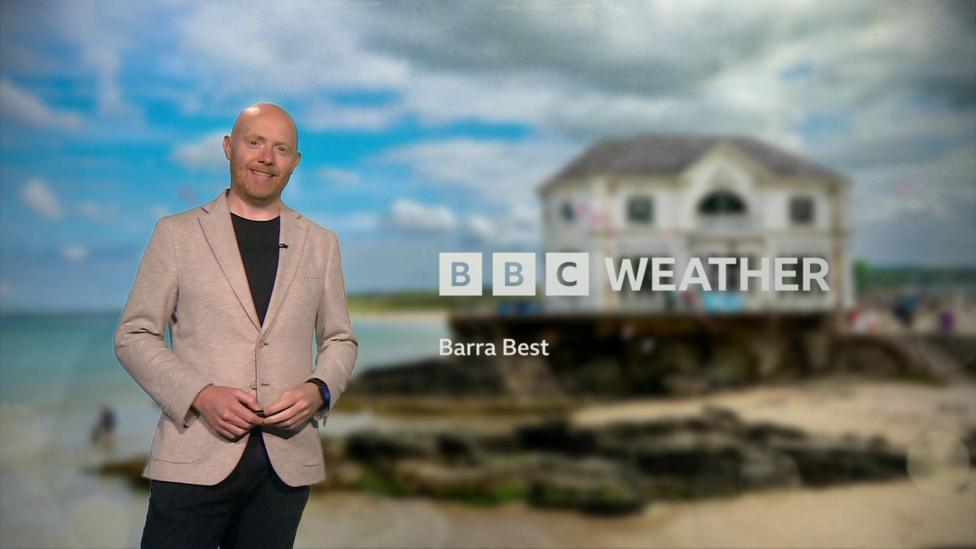
Barra Best, a weather presenter for a national broadcaster, explains the practical advantage of this system:
I use the meteorological calendar when putting current conditions into context - whether that's comparing this summer's temperatures with a long-term average, or looking at how a season compares with previous years.This consistency allows forecasters to
compare one season with another and look back through decades of weather records.

A common misconception is that the calendar itself triggers weather changes. Best clarifies:
We can still have very summery weather well into meteorological autumn, or wintry conditions during spring. The calendar simply gives meteorologists a consistent framework for recording and comparing our climate.

One professional who monitors the meteorological calendar closely is Gary Quinn, director of rivers operations within the Department for Infrastructure and a member of Northern Ireland's civil contingencies group. This multi-agency body coordinates emergency responses to major weather events, and as autumn approaches, Quinn's focus turns to flood risk.
It's been a fairly dry summer, but we expect rivers to recover, so we'll be keeping an eye on our hydrometric stations to see how those rivers perform.Quinn maintains continuous contact with meteorological colleagues to anticipate potential hazards:
We talk to our Met Office colleagues continuously to get information around what potentially might happen. And we're in an alert state of readiness.

The urgency of this vigilance was underscored by severe flooding that struck south-eastern Northern Ireland in autumn 2023, particularly affecting Downpatrick town centre. Quinn reflects on the lasting impact:
These things do live long in the memory because they're quite hectic at the time and that's notwithstanding the problems that they've brought to communities or to the people that are severely impacted by flooding. We're working to try and mitigate that as best as possible.
September also marks the release of named storms for the 2026-2027 season. Quinn notes that a named storm designation indicates
more seriousweather than routine rainfall and triggers heightened preparedness protocols.

Astronomical autumn: the equinox and the earth's position
The astronomical calendar operates on an entirely different principle. Rather than human convention or temperature averages, it is anchored to the earth's position in its orbit around the sun. Autumn begins at the autumnal equinox, when day and night are approximately equal length and the sun crosses the celestial equator.
In 2026, according to the Royal Museums Greenwich, the autumnal equinox falls on 23 September at 12.06am GMT, which is 1.06am BST. Marc Sarzi, Head of Research at Armagh Observatory and Planetarium, explains the astronomical framework:
What really is an astronomical year? It is what we call a sidereal year. This is exactly how much time it takes for the earth to go around the sun, or where, we basically are in the same position with respect to distant stars.
For astronomers, the changing seasons bring shifts in which celestial objects become visible. Sarzi, an extragalactic astronomer, notes:
I'm an extragalactic astronomer. And we say that distant galaxies are like flowers - each have their seasons. For us, it's a continuous spectrum of when we can see objects at night and when we can't.
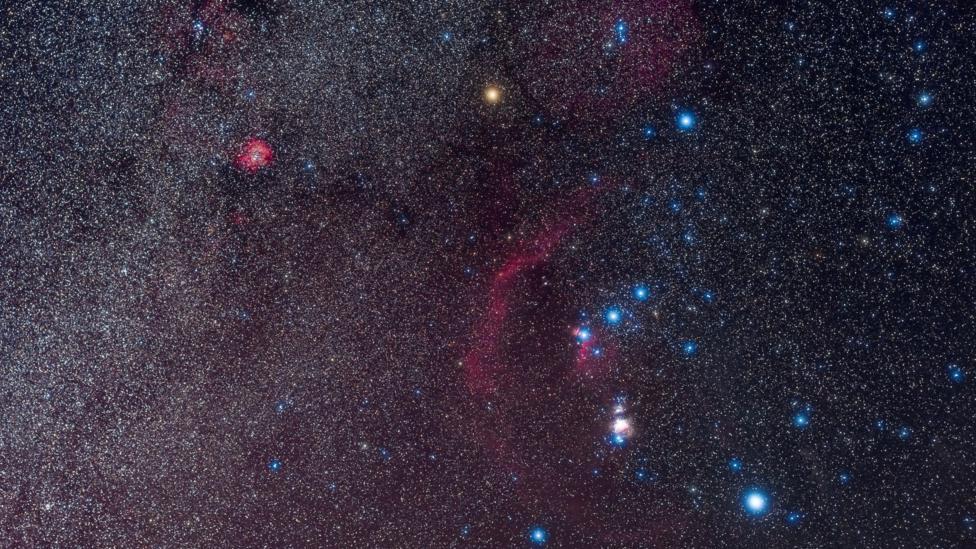
As autumn progresses, distinctive constellations emerge in the night sky.
You start to see Orion in late autumn. Orion is a distinct constellation that you can see with the three stars... the belt of Orion.Sarzi also recommends watching for Venus, which shines brightly in the evening sky during this period.
Northern Ireland offers particular advantages for stargazing.
We are lucky in Northern Ireland. We have quite a lot of dark places... and you can see lots of stars, lots of constellations.
Which calendar matters in 2026?
The answer depends on context. Druids and those following Celtic traditions observe autumn from 1 August. Weather forecasters, climate scientists and emergency planners use the meteorological calendar beginning 1 September. Astronomers and those interested in celestial events mark autumn's start at the equinox on 23 September. Each system serves a legitimate purpose, reflecting different ways of understanding the year's turning.
The coexistence of three autumn dates illustrates how humans organise time according to their needs: spiritual and agricultural rhythms, scientific consistency, and cosmic mechanics. In 2026, autumn will arrive three times, and each arrival will be correct.