

Beneath the everyday noise of human life, an entire world of hidden conversation is under way among insects and other invertebrates, using vibration, scent, colour and mimicry rather than words. Writer Vicki Hird, strategic lead on agriculture at a wildlife trust and author of Rebugging the Planet, argues that these signals underpin how bugs find mates, defend territory, raise young and gather food. Her account, tied to the ongoing Invertebrate of the Year poll, makes the case that this communication is far more sophisticated than most people realise.
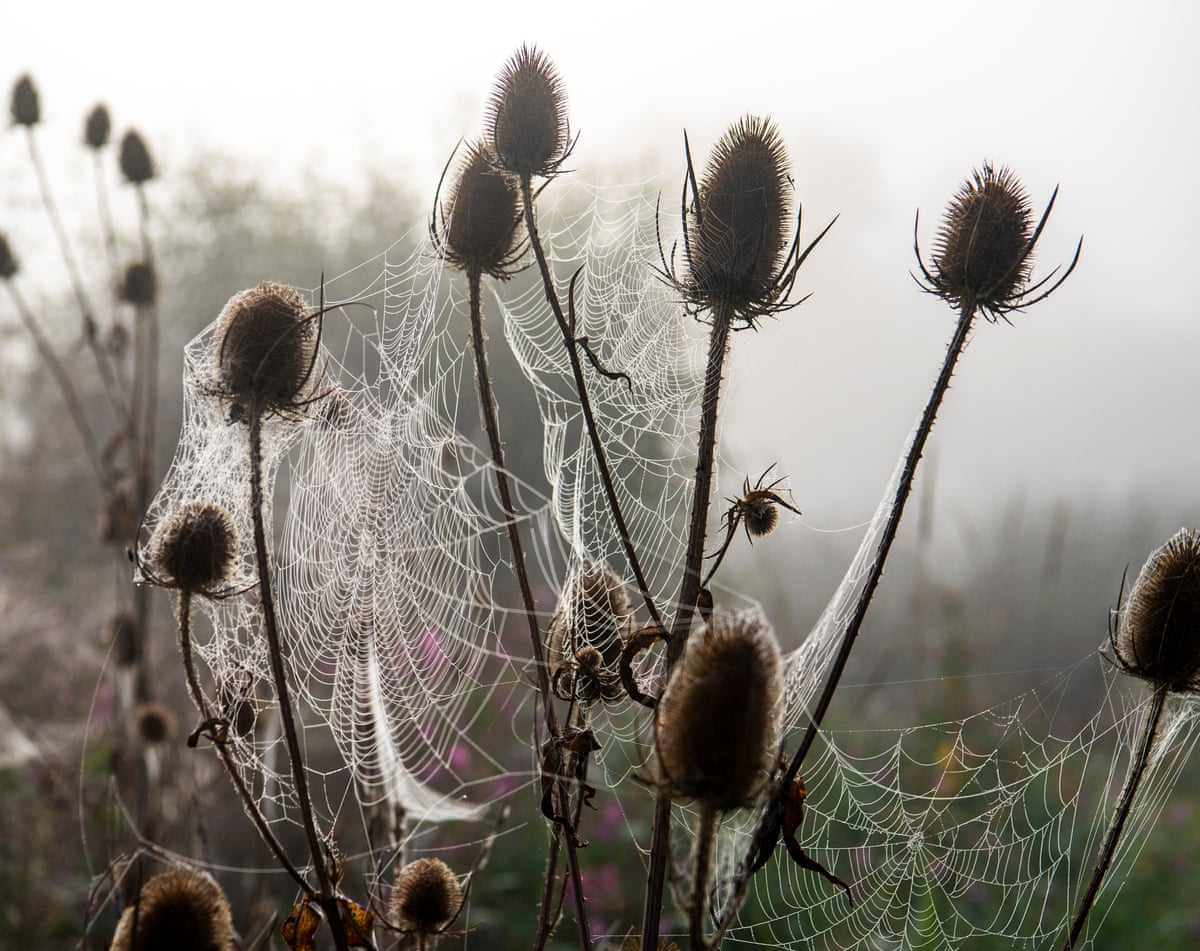
Spiders are among the clearest examples. They detect vibrations travelling along the strands of their webs using specialised sensors on their legs, then use their legs and body weight to retune the silk much as a musician adjusts a guitar string, pulling, loosening or reconnecting strands to change the pitch. This fine adjustment allows a spider to distinguish a potential mate, a trapped fly, or a larger predator prowling nearby.
How do insects use scent to communicate?
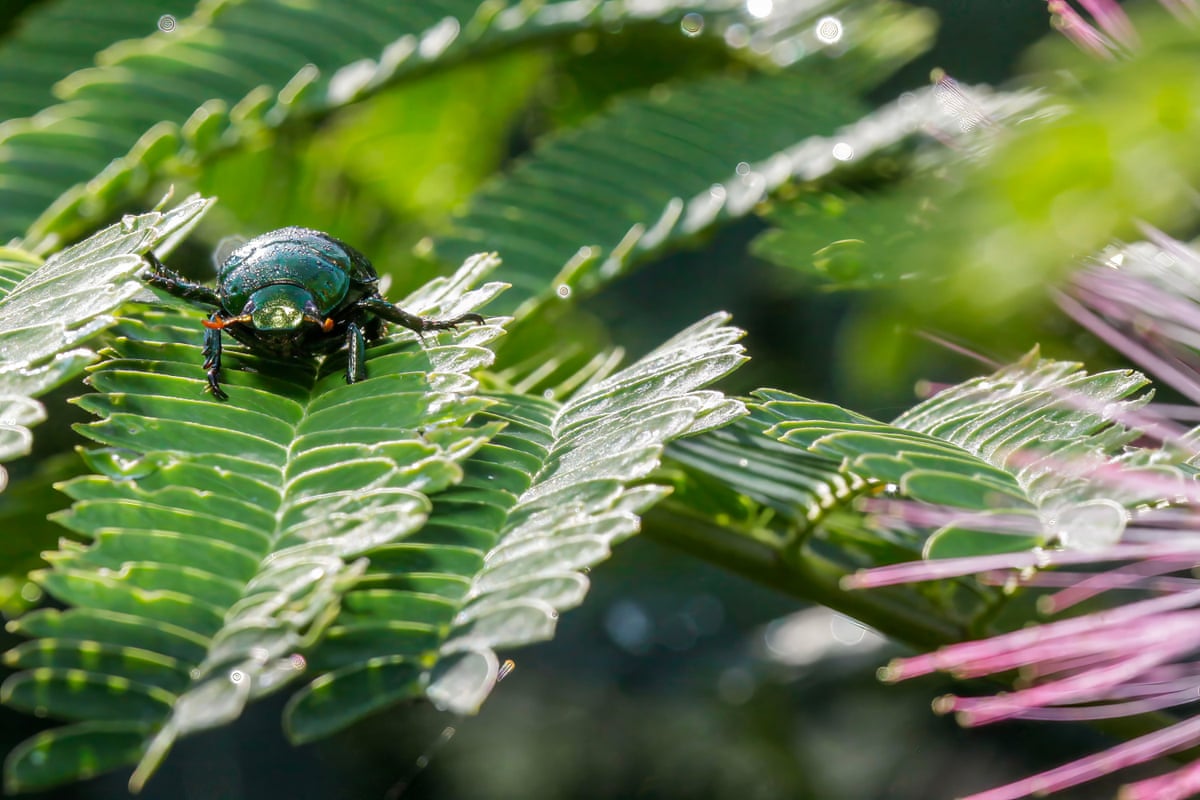
Many invertebrates rely on complex chemical signals known as pheromones to pass on information. Moths blend precise combinations of scent to draw in mates from a distance, ants leave chemical trails for their nestmates to follow to food, and some burying beetles that share parenting duties combine scent with touch to care for larvae inside the carcasses they use as nurseries.
According to a review of insect chemical ecology, pheromone research has become a major focus for scientists and pest managers alike, driving the discovery of new chemical signals and the development of pheromone-baited traps used in agriculture. A separate study of insect olfactory systems notes growing understanding of how insects locate odour sources, process mixtures of scent and combine smell with other senses to interpret their surroundings.
Why do some insects disguise themselves as other species?
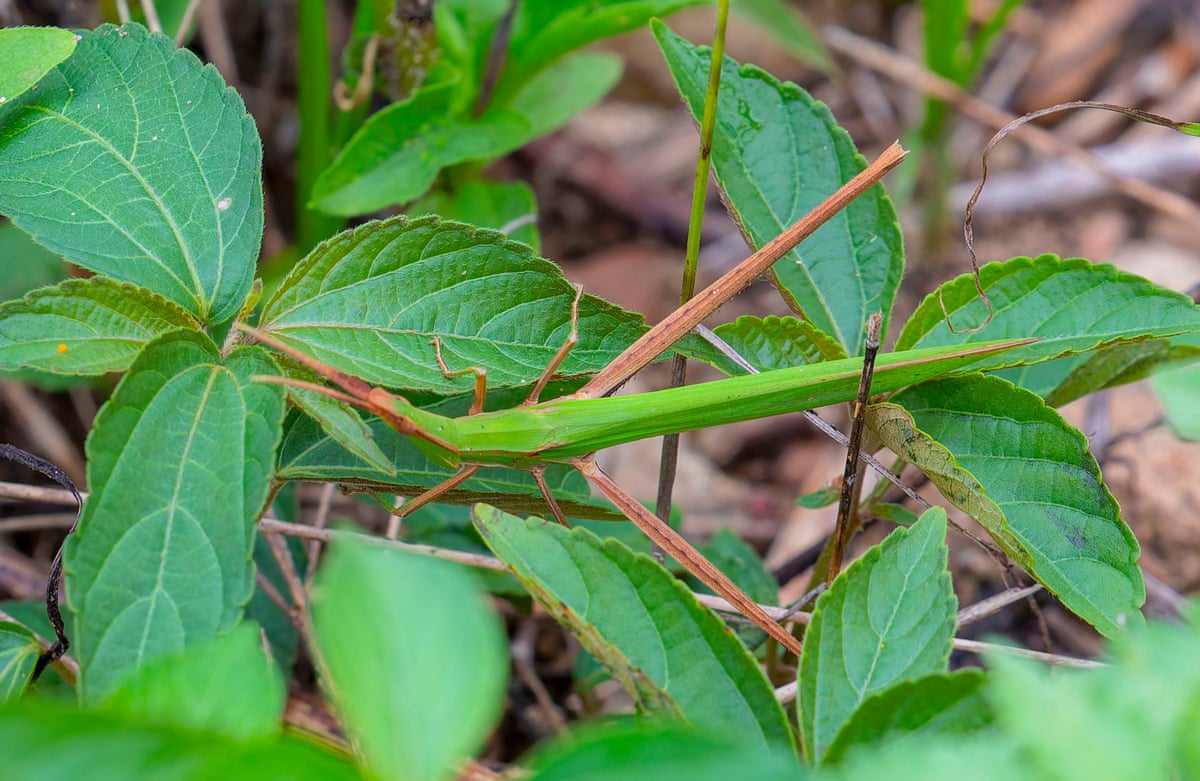
Mimicry is another widely used communication strategy, often deployed to deceive rather than inform. The hoverfly's yellow and black stripes copy the warning colours of a wasp, discouraging birds and other predators from attacking. More elaborate cases exist too: certain spiders and moths mimic the shape, scent and movement of ants closely enough to live and feed inside ant colonies without being detected, while some insects imitate twigs or bark to avoid being eaten. Praying mantids can resemble the flowers they wait in, allowing them to ambush unsuspecting prey.

One particularly striking case is the butterfly caterpillar that produces a two-tone song enabling it to live undetected inside an ant nest. It first tricks worker ants by mimicking the smell of ant larvae, persuading them to carry it into the colony. Once inside, it reproduces sounds so close to those of genuine ant larvae that the workers feed and protect it as one of their own.
Do insects communicate with plants too?
The signalling network extends beyond insect-to-insect exchange. Trees, for instance, communicate with bees using colour, ultraviolet light, chemical cues, electrical signals and seasonal changes to guide pollinators towards flowers that need pollinating. Some plants go further, recruiting bugs such as crab spiders to attack the pests that are damaging them.

Perhaps the most intricate example is the relationship between fig trees and fig wasps. Each species of fig tree produces its own distinctive scent to attract its dedicated wasp species. Tiny female wasps squeeze through a narrow opening in the fig's flower cluster, sometimes losing their wings in the process, carrying pollen from another tree with them. An entire wasp life cycle then plays out inside the fig before it eventually ripens into fruit.
What has recent research revealed about how these signals work?
Beyond the specific examples described in Hird's account, entomologists have been mapping the mechanics of these exchanges in more detail. A 2025 review of insect vibrational signalling identifies four main ways insects produce the vibrations used in communication: tremulation, percussion, stridulation and tymbalation, each producing a distinct signal type depending on the species and context. Extension research on treehoppers cited by the University of Florida's entomology programme shows that vibrational signals can travel through the stems of plants themselves, with other treehoppers picking up these transmissions using highly sensitive sensors in their legs.
Researchers also increasingly describe insect societies as running on what a review published in Current Zoology calls a multimodal communication network, in which chemical, vibrational, acoustic and visual signals are combined rather than used in isolation. Separately, a recent study of social insects suggests these signals are not purely automatic responses, but can be modulated by learning and cognitive processing, meaning how a signal is produced or interpreted may shift with experience.
How does this connect to wider public interest in invertebrates?
The piece arrives amid a broader public engagement drive around invertebrates. Readers have also had the chance to put questions directly to naturalist Patrick Barkham in a live Q&A on invertebrates, covering creatures including woodlice, which ran alongside the Invertebrate of the Year poll referenced in Hird's article.
Hird warns that human activity regularly disrupts these communication networks, whether through new roads, chemical pollution or climate change, with consequences not just for the invertebrates themselves but for the wider ecosystems and human interests that depend on them. She concludes that while insects do not write poetry or send emails, the camouflage of a butterfly's wing, the head-banging courtship of a beetle, or the exchanges between termites and the fungus they farm should give anyone pause before assuming human communication is inherently superior.
Key Facts
- Spiders retune their web silk like a musical instrument, using leg sensors to identify what is moving on the strands.
- Fig trees and fig wasps have evolved species-specific scents, with each fig tree attracting only its own dedicated wasp partner.
- Insects generate vibrational signals through four main mechanisms: tremulation, percussion, stridulation and tymbalation, according to a 2025 scientific review.
- Some insect signalling is shaped by learning and cognition rather than being purely automatic, recent research indicates.
- Vicki Hird's book Rebugging the Planet has already been published, with a further book on bug communication due out in 2027.


