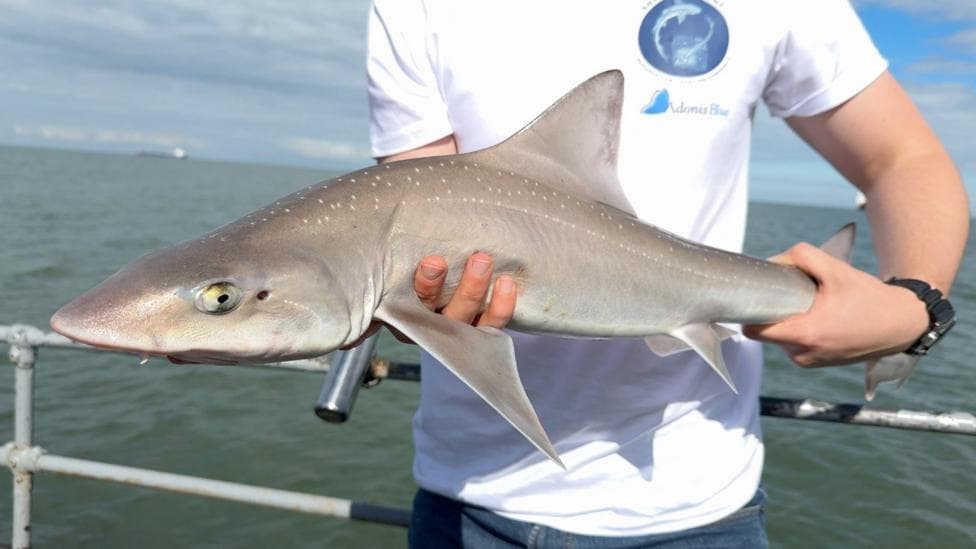
A new citizen-science initiative is gathering crucial data on shark populations inhabiting waters off the Kent coast, with the goal of understanding their movements, behaviour and ecological role in the region.
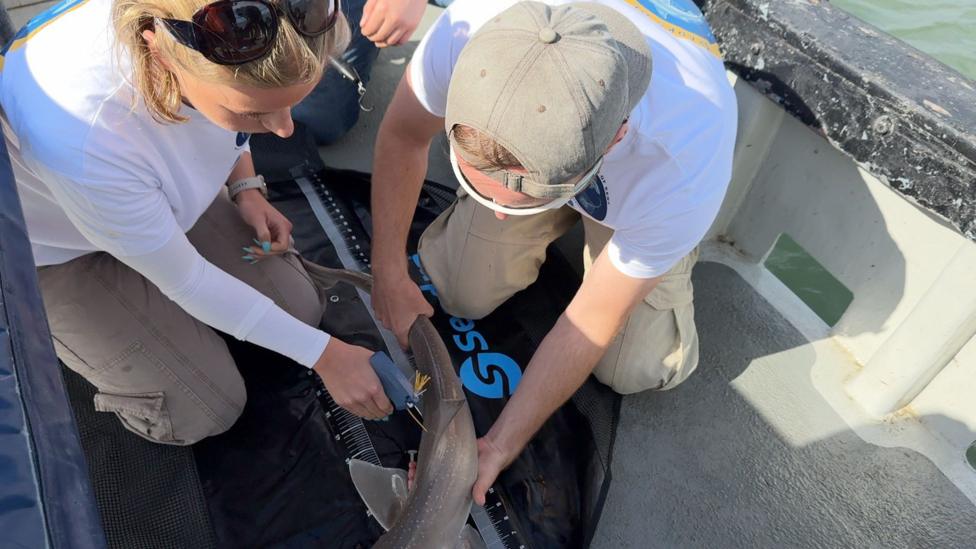
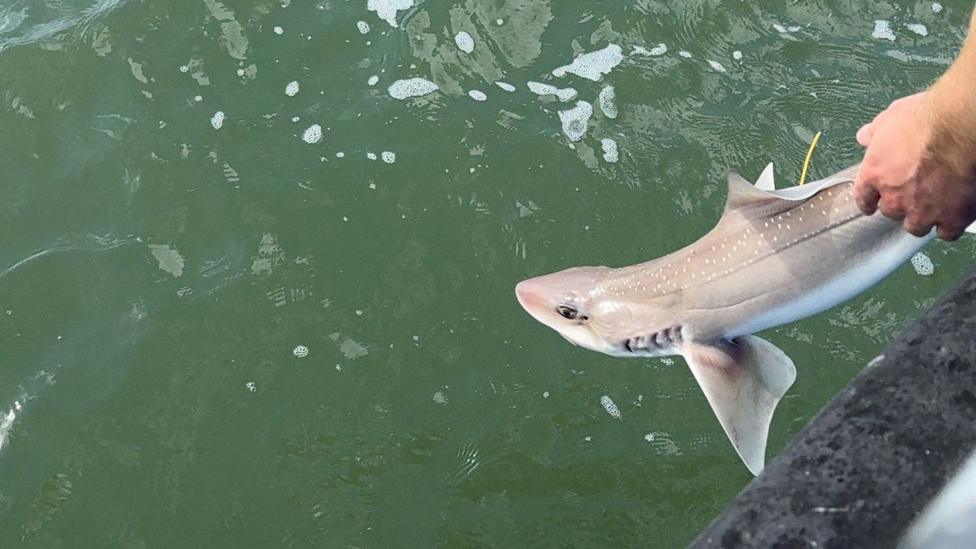
Sharks of Kent, developed through a partnership between Kent Wildlife Trust and their marine environmental consultancy Adonis Blue, represents a flagship project combining recreational angling with scientific research. The initiative trains experienced local anglers and boat skippers to capture sharks, gather measurements and apply identification tags before releasing them back into the sea. When tagged animals are recaptured in future, the data collected helps scientists track growth rates and migration patterns across the region.
Several shark species inhabit Kent's waters, including smooth-hounds, blue sharks and basking sharks, according to Kent Wildlife Trust's marine wildlife records. The project uses Floy tags to identify individual fish if they are recaptured, enabling researchers to monitor elasmobranch populations and understand their presence, abundance and distribution in local waters.
During one tagging session observed by researchers, 31 smooth hound sharks were caught, measured and weighed, with 11 individuals large enough to receive identification tags. Each tagged animal carries vital information that will help scientists understand the region's role in shark development and survival.

Why is Kent important for sharks?
Kent's coastal waters appear to function as a critical nursery and breeding ground for young sharks before they disperse to open ocean. Max Renton, project manager, explained the ecological significance:
Sharks are incredible. They've been around for 400 million years, so they're older than trees, and as top or mid-level predators they regulate the entire marine eco system.He added that
In Kent we think it's a really important nursery and pupping ground so we're hoping the research can shed light on that because it could be a really important area for their development before they head out to sea.
Understanding shark populations in this region has implications beyond local conservation. Kent's waters form part of the cross-channel Geopark, a protected zone designated for its internationally significant geological and natural features. The presence and behaviour of sharks in this area influences marine policy across national boundaries.
What is the broader conservation context?
The Sharks of Kent project sits within a wider effort to protect and understand UK marine biodiversity. Earlier research into basking shark behaviour in Manx waters has documented rising sightings of this endangered species, while underwater filming has revealed hidden species and climate change impacts on UK marine ecosystems.
Greg Taylor, Kent Downs National Landscape manager for geodiversity delivery, highlighted the international dimension of the work:
We are aiming for UNESCO Global Geopark status for the whole area, and hopefully we'll have an announcement sometime next year about it.He noted that
With Geoparks it's about internationally-significant geology, but also how that connects to everything else.Shark conservation and population monitoring form part of this integrated approach to protecting the region's natural heritage.
Key facts
- The Sharks of Kent project trains recreational anglers and boat operators to tag sharks using Floy identification tags
- Smooth hound sharks, blue sharks and basking sharks all inhabit Kent's coastal waters
- Kent's waters serve as a nursery ground where young sharks develop before migrating to open ocean
- The region is part of the cross-channel Geopark and is being considered for UNESCO Global Geopark status
- Tagged sharks provide scientists with data on growth rates and migration patterns when recaptured