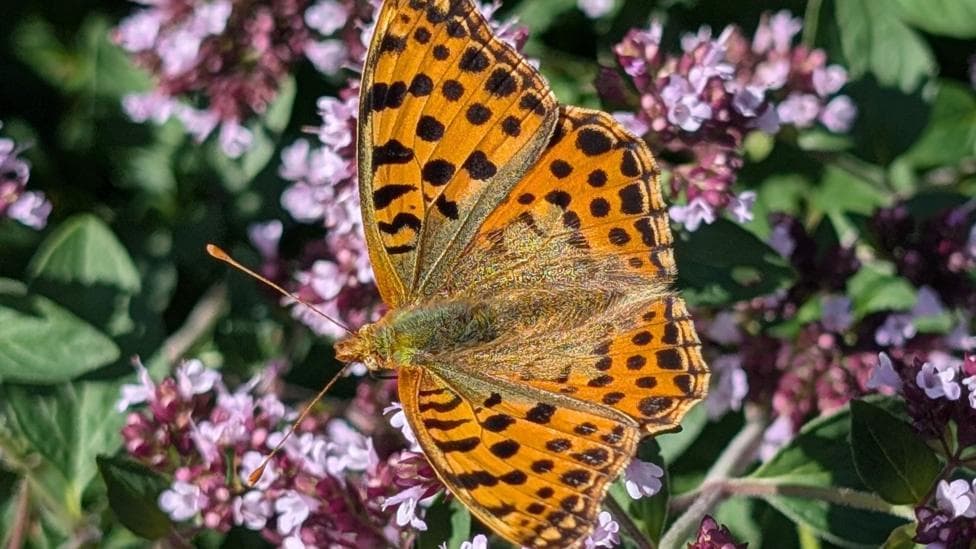
A continental butterfly species seldom seen in England has been spotted at the Eden Project in Cornwall, marking what staff believe to be one of only a handful of confirmed sightings across the country this year. The discovery comes as warming temperatures continue to draw migrant insect species northward across the English Channel into British territory.
The Queen of Spain fritillary was observed in the Outdoor Gardens by six-year-old Lola, whose keen eye caught the delicate insect during a visit to the attraction. The sighting was subsequently verified by the Cornwall County recorder at Natural England, confirming its significance as a rare visitor to the region.
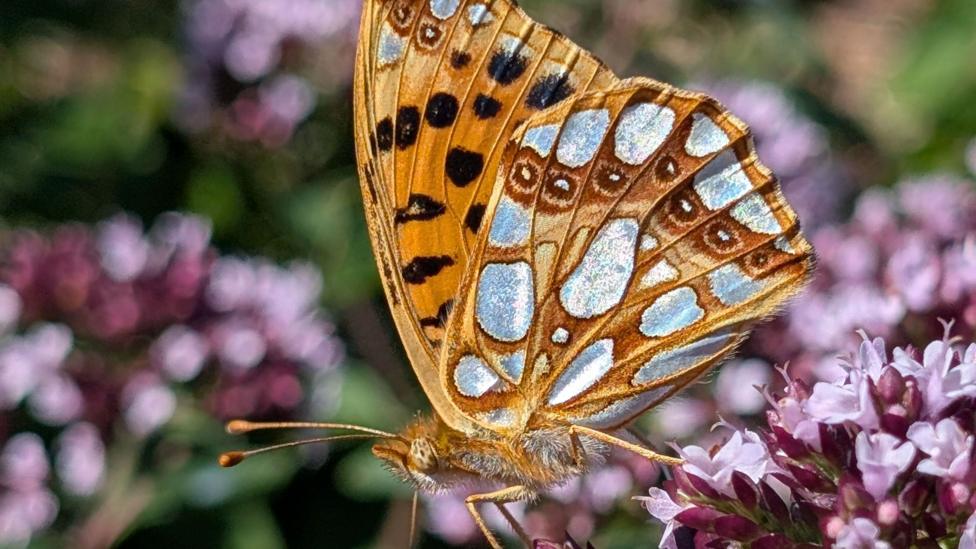
Julie Kendall, outdoor horticulture manager at the Eden Project, described the encounter as a powerful illustration of how cultivated spaces function as vital waypoints for wildlife in transit across continents.
"It was a brilliant reminder of the important role gardens play as staging posts for wildlife on the move,"she explained, adding that the team hoped to inspire further wildlife observation among visitors exploring the grounds.
Why is this butterfly so rare in the UK?
The Queen of Spain fritillary does not maintain a permanent breeding population in Britain, despite small numbers crossing the English Channel in most years. According to butterfly research sources, the species remains an extremely rare migrant with fewer than 400 recorded sightings since it was first documented approximately 300 years ago. The last significant concentration occurred in Cornwall during 1945, when 25 individuals were recorded at Portreath, suggesting the possibility of temporary breeding in that location at that time.
In recent years, however, sightings have become more frequent, and the current year has witnessed an unusually high number of continental butterfly species reported across southern England. Experts at the Eden Project attribute this uptick directly to climatic conditions, particularly the sustained warm weather that has characterised the season.

How does weather influence butterfly migration?
Warmer temperatures play a decisive role in determining which butterfly species successfully make the journey to British shores and how well they thrive once they arrive. Richard Fox, head of science at the charity Butterfly Conservation, which focuses on protecting butterflies, moths and their habitats, emphasised the connection between climate and butterfly activity.
"It's very exciting to see the Queen of Spain in the UK – it's a beautiful butterfly and a rare visitor to our shores."He noted that butterflies
"do like hot and sunny weather"and that the summer had provided
"great flying conditions for lots of species"."
Yet favourable weather alone does not guarantee the survival and proliferation of migrant populations. Fox cautioned that butterflies require far more than pleasant conditions to establish themselves successfully, including access to high-quality natural habitats that provide food plants and shelter. This broader ecological context remains essential to understanding why some species thrive while others remain occasional visitors.
What does this discovery mean for local conservation?
The sighting at the Eden Project underscores the value of gardens and cultivated spaces in supporting biodiversity during periods of environmental change. The Eden Project, which marked its 25th anniversary with a visit from King Charles III and Queen Camilla on 24 March 2026, continues to serve as both an educational institution and a refuge for wildlife.
Lola's discovery reflects a growing awareness among younger visitors of the natural world around them. Her mother Sarah noted that her daughter maintains a detailed record of every butterfly species she encounters, transforming outdoor exploration into a meaningful learning experience.
"Lola keeps a list of all the different butterflies she's spotted. It's been such a lovely way to enjoy nature and the outdoors together,"Sarah said. Lola herself expressed her delight at the find, saying she was
"really happy to have spotted a rare-to-the-UK butterfly"."
The broader pattern of increased continental butterfly sightings this year aligns with wider conservation monitoring efforts. In late July 2026, residents across the country were encouraged to participate in the Big Butterfly Count, a nationwide initiative designed to track how climate conditions and environmental changes are affecting local butterfly populations and inform future conservation strategies.
The Eden Project's Outdoor Gardens, which hosted this remarkable sighting, remain open to visitors seeking to observe and appreciate the diverse insect life that inhabits the site. Staff have encouraged all visitors to remain alert during their visits, as further rare species may yet be discovered among the cultivated plantings and natural spaces.