Jonathan Bow, an amateur fossil enthusiast from Bridgend, discovered a 200-million-year-old fish jawbone on a Welsh beach that has fundamentally reshaped scientific understanding of Triassic-era marine life across Europe. The specimen, found at Lavernock Point in the Vale of Glamorgan during spring tides in 2012, belonged to a predator fish called Saurichthys and proved to be the first bone from this species ever recovered in British Triassic rocks. Palaeontologists say the discovery has resolved nearly two centuries of taxonomic confusion that had led researchers to incorrectly group fossils from two entirely separate fish species under a single classification.
For decades, fossilised teeth and bone fragments recovered from rocks around the Bristol Channel had been collectively assigned to a genus called Severnichthys, a designation that persisted despite growing uncertainty among experts about whether all these specimens truly belonged to the same creature. The confusion extended back through museum collections across Britain and continental Europe, where material had been misidentified and grouped together without proper comparative analysis. When Bow's jaw was eventually examined in detail by researchers from the University of Bristol, it provided the key evidence needed to untangle this long-standing puzzle.
How did the discovery happen?
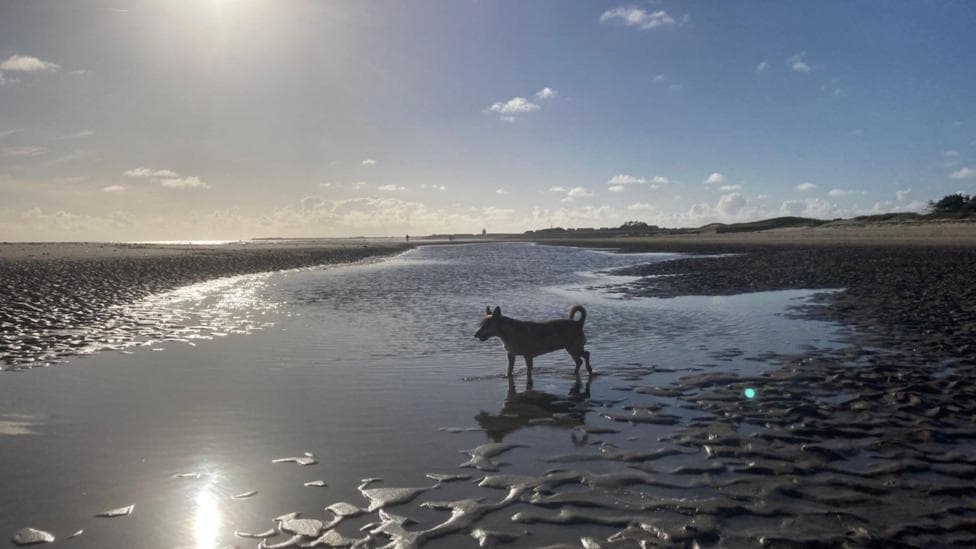
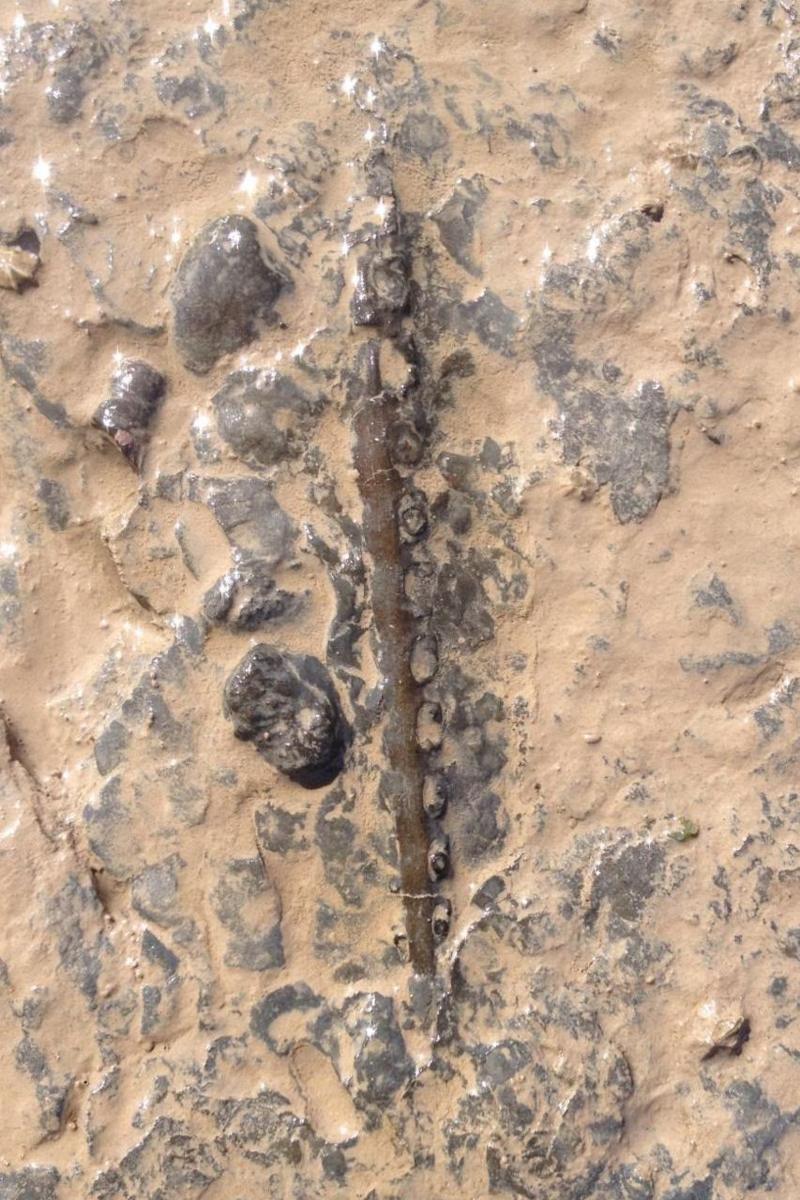
Bow had been walking along the beach at low tide in spring 2012 when he spotted what he initially believed might be a miniature crocodile jaw—something entirely new to science. Having collected fossils for approximately a decade, he recognised immediately that the specimen was unlike anything he had previously encountered on the shoreline. He carefully removed the fossil and preserved it, though for many years neither he nor the experts he consulted could definitively identify what it was.
The breakthrough came in 2022 when Jacob Quinn, a lead researcher from the University of Bristol, visited Bow's private collection and recognised the significance of the specimen. Quinn subsequently undertook detailed research on the jaw, sending it for comprehensive inspection and comparison with museum holdings across multiple institutions. Bow reflected on the experience, saying
it felt good to have been part of the team that had "contributed to science"and noting that
I've been collecting for quite some time over the years and it was interesting.
What did the fossil reveal about ancient fish?
The jawbone belonged to Saurichthys, a predatory fish that inhabited shallow tropical seas during the Late Triassic period, approximately 200 million years ago. According to research from Amgueddfa Cymru – Museum Wales, the specimen represents a rare rostropremaxilla—a jaw fragment with developing teeth—and is the first bone from Saurichthys ever documented in British Triassic formations. The fossil came from the Westbury Formation at Lavernock Point, where it had been exposed during spring tides of 0.2 metres or less.

Researchers working with Amgueddfa Cymru – Museum Wales, the State Museum of Natural History Stuttgart, and the University of Bristol discovered that the jaw bore no resemblance to any previously known species in the region. Cindy Howells, curator at Museum Wales, explained that
many teeth from Saurichthys were once mistaken for those of an amphibian, and that misunderstanding continued well into the 20th Century, and that
this lovely little jaw caused great confusion when it was first found as it bore no resemblance to any known species.
How did this solve the taxonomic confusion?
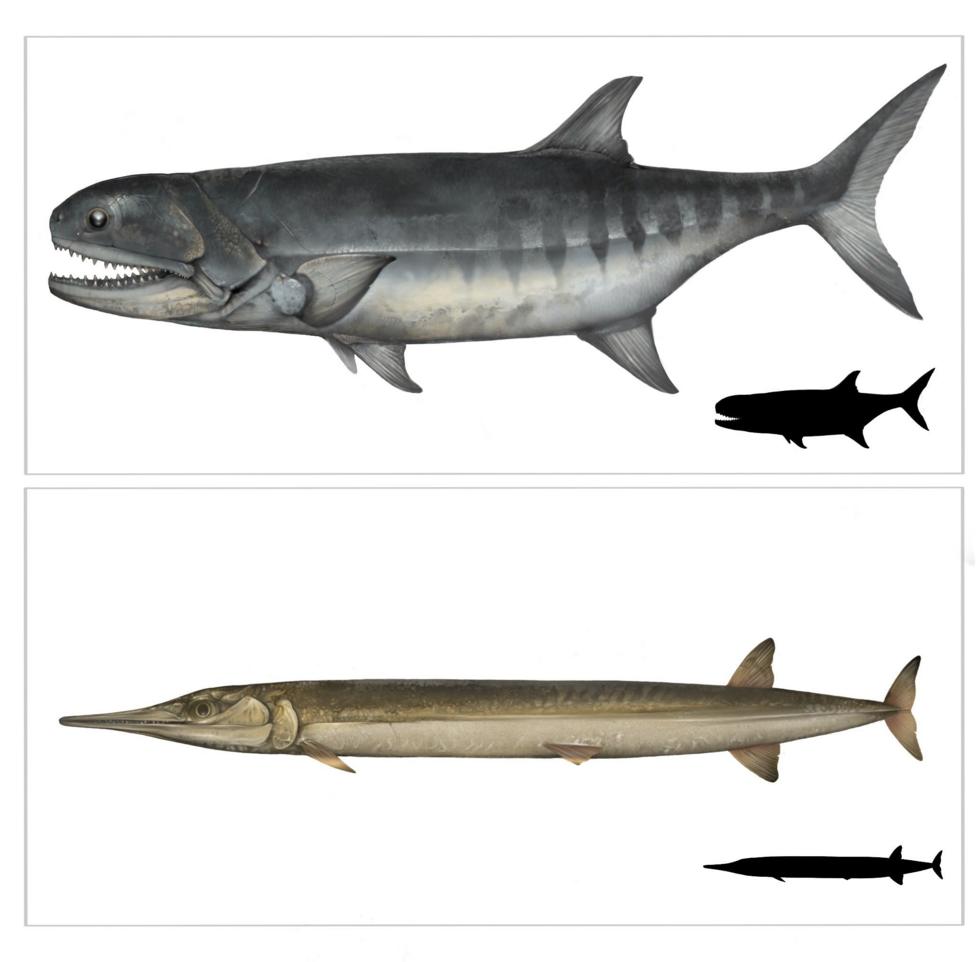
By comparing Bow's specimen with museum collections from across Britain and Europe, researchers led by Professor Mike Benton and colleagues established conclusive evidence that fossils originally classified as Severnichthys actually represented two distinct species: Saurichthys and Birgeria. The name Severnichthys had been applied to isolated teeth and small bone fragments held in numerous museum collections, often with the mistaken belief that they derived from amphibians rather than fish. This misidentification had persisted for over 200 years, creating a significant gap in palaeontological understanding.
The discovery led to the publication of a peer-reviewed scientific paper that systematically compared the new specimen with existing museum material. Dr David Whiteside, a co-author of the research, characterised the two species and their ecological roles:
These predators lived in a shallow tropical sea filled with small limestone islands. Saurichthys was probably a fast and agile hunter, while Birgeria was larger and more powerful, likely feeding on a wider variety of prey.Quinn noted the remarkable preservation of such a delicate fossil and emphasised that
although British Triassic fossils have been studied for over 200 years, this is the first bone from Saurichthys ever found in these rocks.
Dr Sam Cooper, another co-author, reflected on the broader significance:
These fish have a remarkably complicated history. It's amazing that a single fossil, found by Jonathan Bow during a spring tide, has helped clear up nearly 200 years of confusion.The fossil deposits at Lavernock Point had accumulated during storm events 200 million years ago, when sediments and organic material were transported into shallow marine environments and subsequently fossilised.
What happens next?
The Saurichthys jaw discovered by Bow is scheduled to go on display at National Museum Cardiff later in 2026, making the specimen accessible to the public and the broader scientific community. The fossil will serve as a tangible record of how amateur collectors and professional researchers working together can resolve long-standing scientific questions and advance understanding of Earth's ancient ecosystems.
Key Facts
- The 200-million-year-old jaw fragment belongs to Saurichthys, a fast-moving predatory fish from the Late Triassic period
- The discovery resolved nearly 200 years of confusion caused by misidentification of fossils from two separate species, Saurichthys and Birgeria, under the single name Severnichthys
- The specimen is the first bone from Saurichthys ever found in British Triassic rocks and was recovered from the Westbury Formation at Lavernock Point during spring tides in 2012
- Researchers from Museum Wales, the University of Bristol, and the State Museum of Natural History Stuttgart collaborated on the analysis and published their findings in a peer-reviewed paper
- The fossil will be displayed at National Museum Cardiff later in 2026