

Puerto Rico's water utility began rationing supplies on Friday, 8 August 2026, cutting off running water to hundreds of thousands of households for 48 hours at a stretch as officials scramble to respond to one of the island's worst droughts in years. The measure divides affected communities into two groups that alternate between having and losing service, and authorities have not given a firm end date. According to a Washington Post report, the rationing moved from announcement to actual implementation that day in San Juan and surrounding communities.
The rotating shutoffs have angered residents of the capital, where taps went dry as the policy took hold, and officials say they cannot yet predict when normal service will resume.
Which areas are affected and for how long?
The current phase of rationing covers seven municipalities that draw water from the Carraízo reservoir: San Juan, Carolina, Juncos, Gurabo, Trujillo Alto, Canovanas and Loiza, according to . In total, roughly 180,000 properties are subject to the rotating cuts, the government has said. The Puerto Rico Aqueduct and Sewer Authority indicated the rationing is expected to run at least through the end of August, per the same report, though the schedule could tighten further — officials have warned that outages may be extended from 48 to 72 hours at a time if the drought does not ease, according to a report from AOL.
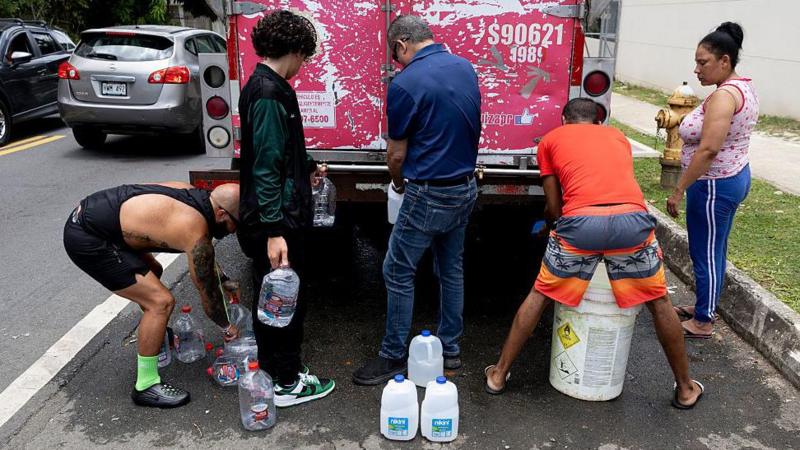
As the mains supply was switched off, residents lined up at water tanker trucks dispatched to affected neighbourhoods to fill jugs and large bottles. The utility has said it will prioritise deliveries to hospitals and long-term care facilities, and it is urging residents to boil water for at least three minutes once their taps come back on, according to .
Why has the drought gotten so severe?
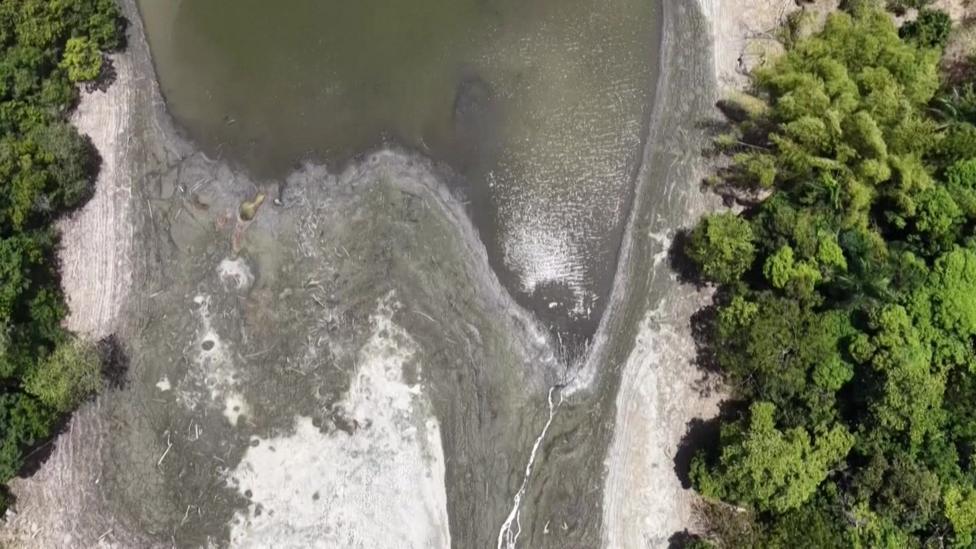
Most of the island is currently classified as being in moderate to severe drought by the US Drought Monitor, a situation officials attribute largely to an extraordinarily dry stretch of weather layered on top of long-standing problems with Puerto Rico's water infrastructure. Puerto Rico just recorded its driest July on record, with 68% of the island now experiencing drought conditions, and the Carraízo reservoir — a critical source for the San Juan metro area — has been left severely depleted.
Roughly 2.3 million of Puerto Rico's 3.2 million residents are living in areas affected by drought, based on US Drought Monitor estimates cited by the Associated Press. A separate federal drought update found that most regions of the island received less than 60% of normal rainfall over the preceding 60 days, with the south and southwest receiving less than 20% of typical precipitation, according to Drought.gov. That same update noted that agricultural rationing was already under way in southern districts before the wider household rationing plan took effect.
Governor Jenniffer González has pointed squarely to the weather as the trigger for rationing, even as she has acknowledged that the island's water network loses or fails to bill for roughly 65% of the water it produces, much of it through leaks and ageing pipes, according to Puerto Rico's water authority as reported by CBS, a US news partner.

"This situation is beyond our control," she said in a statement. "It is the result of the weather conditions we have been facing, which experts had warned about weeks ago."
She added that the decision to ration was taken:
"after carefully evaluating the current conditions of the Carraízo reservoir in conjunction with weather forecasts"
How are residents coping with the cuts?
The rationing has produced both hardship and confusion over exactly when water will flow in a given area. San Juan resident Gloriany Baba described the disruption to CBS in stark terms.
"It's unbelievable to live through this today," describing the conditions as "brutal".
In Morcelo, south of the capital, residents were told their supply would run on Friday before being shut off again on Sunday at the end of the first 48-hour cycle — but locals told regional media the water never arrived. Community leader Rubén Torres described the uncertainty to newspaper El Nuevo Dia on Saturday.
"People are uncertain because they know we're in the 48-hour window where we're supposed to have drinking water. What's happening? The first 24 hours have already passed and the water hasn't arrived."
Has this happened before, and what else is going on?
This is not the first time Puerto Rico has resorted to rationing water. Similar measures were used in 2020 and in 2015, when roughly 400,000 households received running water only once every three days. Experts also point to heavy sediment build-up in reservoirs, on top of ageing pipework and scarce rainfall, as a compounding factor behind the current shortage.
The island remains vulnerable to extreme weather that scientists link to human-driven climate change; its power grid was devastated by Hurricane Maria in 2017, a storm that caused thousands of deaths and whose unusually heavy rainfall scientists say was made more likely by climate change. Governor González told CNN that more than 1,000 wildfires are currently burning across Puerto Rico, and that meaningful rain relief may only arrive once a drifting cloud of Saharan dust clears the Caribbean.
"It's a difficult situation," she said, adding that the US federal government was "helping us out", without giving further detail.
Water stress is not confined to Puerto Rico this summer — half of England has also been declared officially in exceptional drought after an unusually dry, hot stretch, with July on track to be its driest month on record and seven regions affected there too.
What happens next?
González has declared a state of emergency over the drought and the water shortages it has triggered, according to a report tied to . The water authority has said the rationing plan is expected to remain in force at least through the end of August, but the governor herself has said she cannot say how long the restrictions will ultimately last, according to the New York Post. A request for comment has been sent to the US Federal Emergency Management Agency.
Key Facts
- Rationing began Friday, 8 August 2026, splitting households into two groups with alternating 48-hour water cuts.
- Roughly 180,000 properties across seven municipalities served by the Carraízo reservoir are affected, including San Juan, Carolina, Juncos, Gurabo, Trujillo Alto, Canovanas and Loiza.
- About 2.3 million of Puerto Rico's 3.2 million residents live in drought-affected areas, per US Drought Monitor estimates.
- Puerto Rico's water authority says roughly 65% of water produced is lost or unbilled, largely to leaks and ageing infrastructure.
- The rationing plan is expected to run at least through the end of August 2026, though officials warn cuts could extend to 72 hours if conditions worsen.


