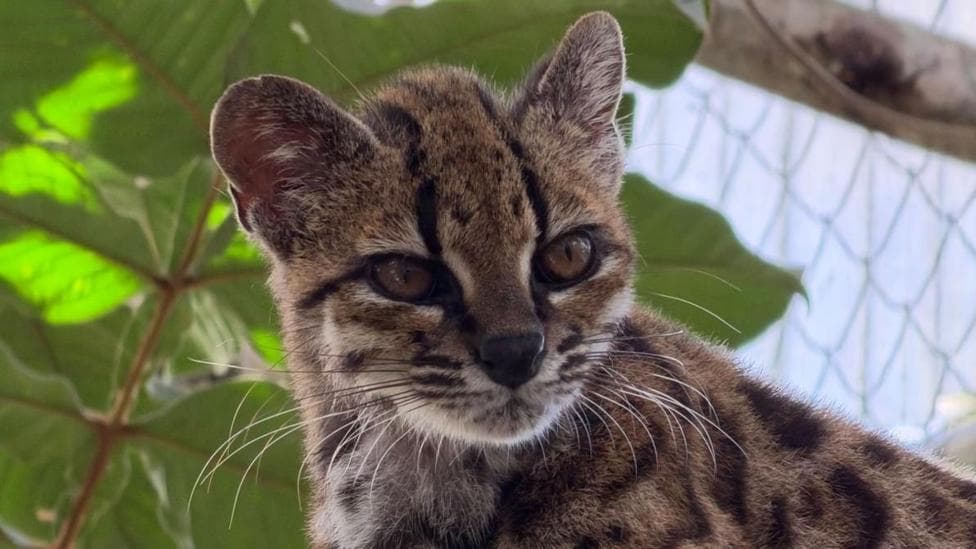
A small spotted feline inhabiting the cloud forests of Bolivia has been formally identified as a previously unknown species, marking the first time in more than a century that a living cat species has been formally named and described. The discovery, announced on Thursday, September 17, 2026, highlights how much biodiversity remains hidden in some of the world's least-studied regions, even among animals as familiar in size as domestic house cats.
The cat, which measures approximately 18 inches (46 centimetres) long and weighs around 3 pounds (1.4 kilograms), had escaped scientific notice because it resembled other small wild cats sharing similar spots and stripes. DNA analysis revealed the animal occupies its own distinct evolutionary lineage. Scientists have given it the scientific name Leopardus tilcayo, retaining the local Bolivian name "Tilcayo" used by indigenous communities in the region.
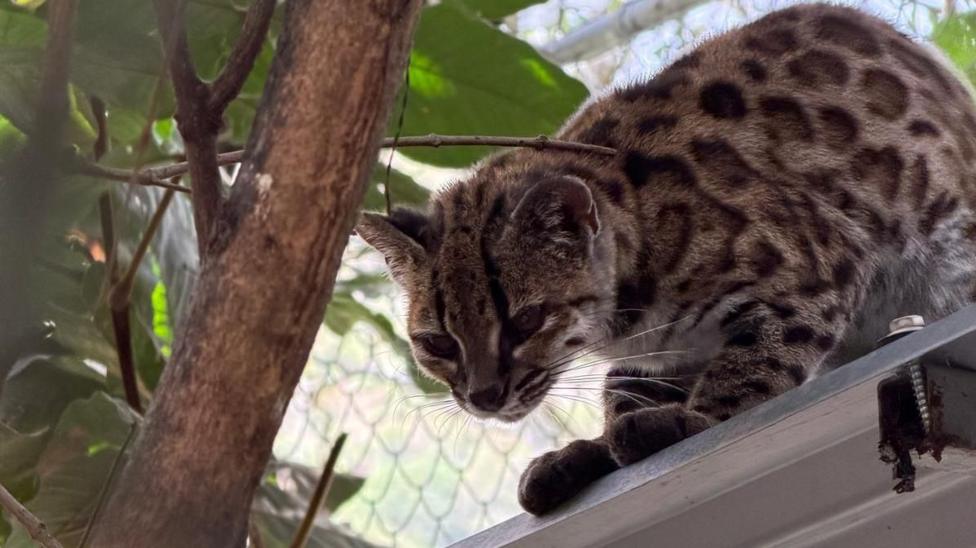
Only one confirmed living member of the species is known to exist—a 10-year-old individual residing in a rescue sanctuary in Bolivia, nicknamed "Tigrino." This cat was discovered in the forest by a local resident who initially believed it was a domestic kitten. As the animal matured, its wild behaviour became apparent, prompting further investigation.
Bolivian scientist Dr Paola Nogales-Ascarrunz was volunteering at the sanctuary when she noticed the cat's unusual appearance. She had previously heard accounts of similar small wild cats in the dense forests of Bolivia's Yungas region—a mountainous area with high humidity and forests frequently shrouded in cloud cover—but these sightings had never been scientifically examined. Dr Nogales-Ascarrunz collaborated with researchers from around the world to investigate the evolutionary history of tiger cats, a group of small spotted wild cats distributed across Central and South America.
"It's an amazing result that we have a new species for the world, which is the Leopardus tilcayo,"Dr Nogales-Ascarrunz stated.
"It's amazing that there are still new species waiting to be discovered: we don't have to go to a volcano, an island, or deep into the sea."
How was the species identified?
The research team used DNA extracted from living animals and museum specimens to trace the family relationships among tiger cats. According to , scientists based the identification on two live individuals and a small number of camera-trap records, though the wild population size remains unknown.
"There's so few records or pictures, no individual in a museum, so it was hiding because nobody was looking,"explained Eduardo Eizirik, a conservation geneticist at the Pontifical Catholic University of Rio Grande do Sul in Brazil.
The study, published in Current Biology, uncovered additional surprises, revealing that tiger cats comprise five species rather than the previously believed three. The newly described Tilcayo cat joins this expanded family of small South American felines.

Why does this discovery matter for conservation?
Identifying a species is the essential first step toward protecting it, according to conservation experts involved in the research. Dr Caroline Sartor of the Wildlife Conservation Research Unit at the University of Oxford emphasised that without knowing what a species is or where it lives, effective conservation becomes impossible.
"These are animals similar in size to a domestic cat, so you might think we would know them all by now, but this discovery shows how much biodiversity is still to be uncovered in some of the less-studied regions of the world,"Dr Sartor said.
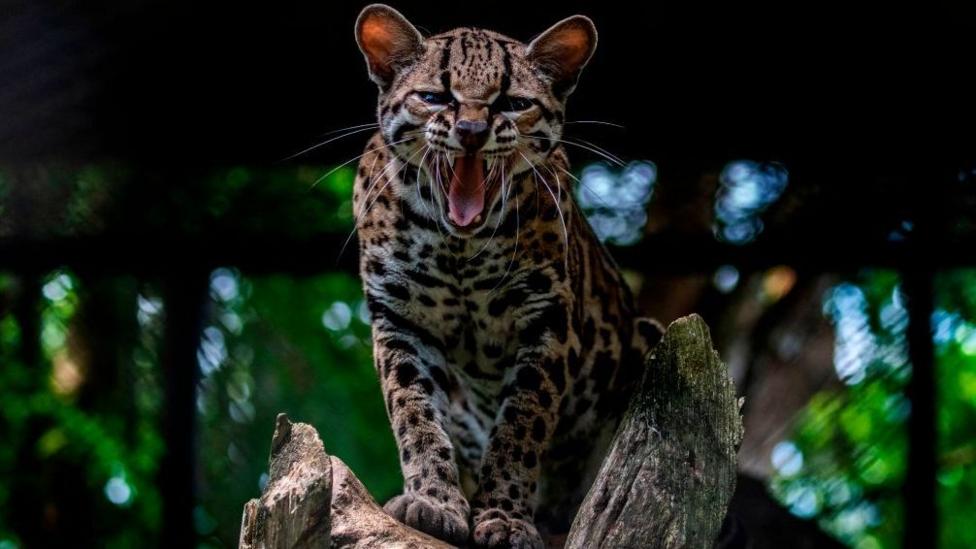
Tiger cat species face significant threats from deforestation, habitat loss, and illegal hunting, making them vulnerable to extinction. The Tilcayo cat had been absent from previous conservation assessments, meaning it received no protection despite its endangered status. The discovery underscores the critical importance of continued biodiversity surveys in regions like Bolivia, where vast areas of forest remain inadequately studied.
What does this mean for the world's cat family?
The implications of this discovery extend beyond Bolivia. All domestic and wild cats, from tiny house pets to massive tigers, belong to the biological family Felidae. The scientific community has officially recognised 41 cat species, but according to , the new discovery and the finding that tiger cats comprise more species than previously thought brings the total to 44 or more.
Andrew Kitchener, a mammal expert at National Museums Scotland who was not involved in the research, characterised small spotted South American cats as a
"taxonomic nightmare."He explained:
"These cats are confusing because they look so similar and there are few specimens in museums, so even now we are still learning how to tell them apart as genetics reveal more species."

What happens next?
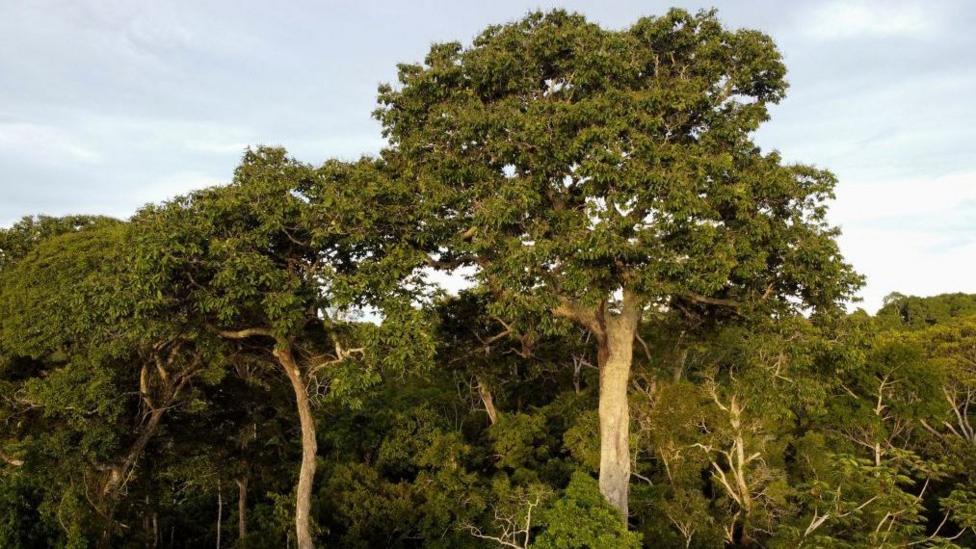
Scientists still do not know how many Tilcayo cats survive in the wild. According to the Times of India, further surveys and population estimates are the obvious next steps in understanding this newly recognised species. Researchers must determine whether other individuals exist beyond the one known sanctuary resident and assess the species' distribution across Bolivia's cloud forests.
This discovery arrives amid broader conservation efforts in Bolivia. The country has recently undertaken significant wildlife protection initiatives, including a historic jaguar release programme aimed at boosting populations of large cats in the region. The identification of the Tilcayo cat demonstrates that conservation priorities must extend beyond charismatic megafauna to include lesser-known species that may be equally threatened and equally deserving of protection.
Key Facts:
- The Tilcayo cat (Leopardus tilcayo) was formally described on 17 September 2026, the first living cat species formally named in over a century
- The species inhabits Bolivia's cloud forests in the Yungas region and measures approximately 46 centimetres in length, weighing around 1.4 kilograms
- Only one confirmed living individual is known, though scientists believe others exist in the wild
- The discovery increases the recognised number of cat species from 41 to 44 or more, with tiger cats now comprising five species instead of three
- The species was previously overlooked because it resembled other tiger cats and had no museum specimens, making it invisible to science until DNA analysis revealed its distinct lineage