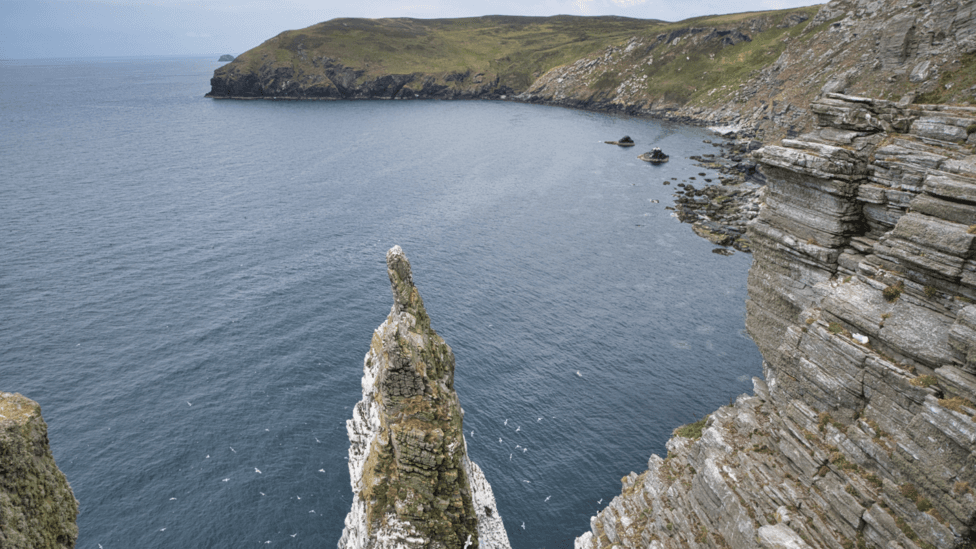
Sewage discharge into the sea and declining seabird populations are among the significant challenges confronting the Isle of Man as it marks ten years as a UNESCO Biosphere, according to a comprehensive assessment released this year. The State of the Biosphere report, published by BBC News, examines progress since the island became the world's first whole-nation Biosphere in 2016, a designation recognising its thriving natural habitats and commitment to balancing environmental protection with economic and community development. While some wildlife has recovered successfully, the report warns that many species and habitats remain in long-term decline, raising questions about the island's ability to maintain its prestigious status.
The Isle of Man's UNESCO designation came in recognition of its returning wildlife populations and newly established marine reserves. A decision on whether the island will retain its status is expected in summer 2027, following the submission of its first 10-year Periodic Review to UNESCO in 2026. The review process evaluates the reserve's performance against its original nomination, the Statutory Framework for Biosphere Reserves and the Lima Action Plan, among other criteria.
What does UNESCO Biosphere status mean?
UNESCO, the United Nations' agency for education, science and culture, grants Biosphere status to places that successfully balance nature protection with support for people, communities and the economy. The Isle of Man holds the unique distinction of being the first entire country, including its surrounding seas, to receive this designation. The status is subject to review every ten years to ensure continued compliance with international standards.
What conservation successes has the Biosphere achieved?
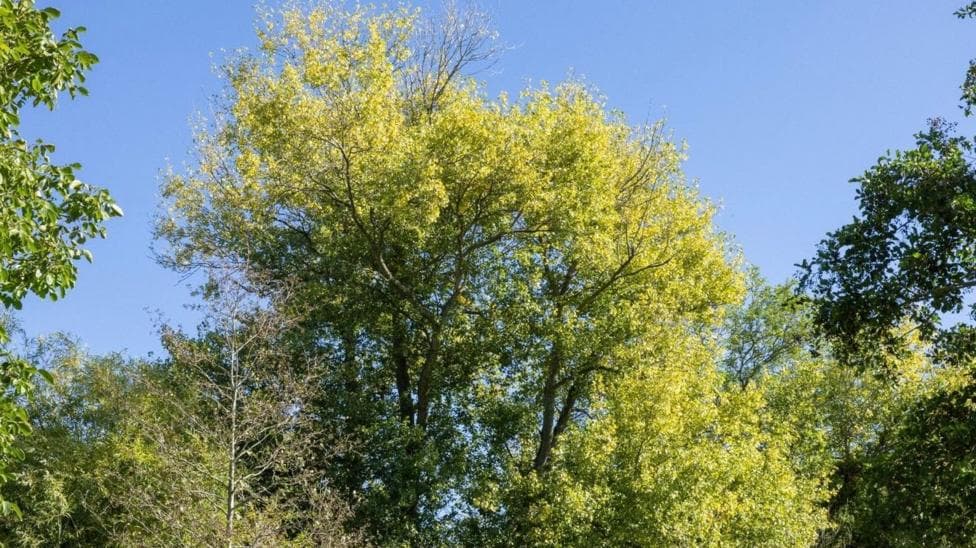
The first decade of Biosphere status has delivered notable environmental wins. Native juniper, a shrub species that disappeared from the island after the last wild plant was removed from Glen Auldyn in 1947, has been successfully replanted in the uplands since 2016, with surveys documenting encouraging survival and growth rates.
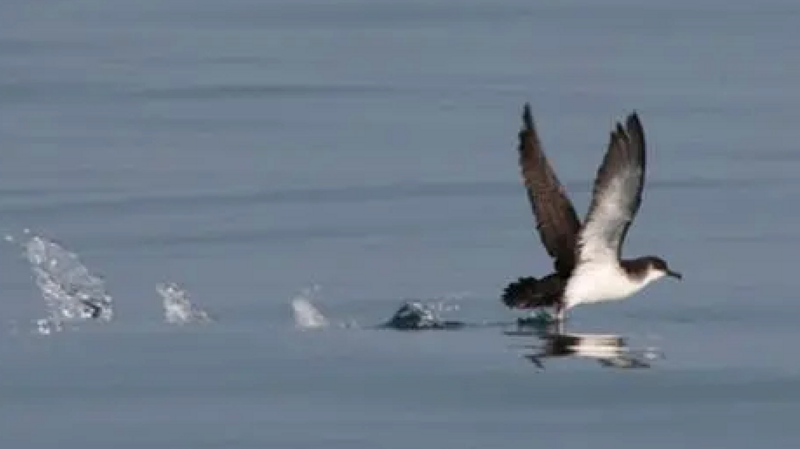
On the Calf of Man, a targeted rat control programme—referred to locally as "longtails" to avoid invoking bad luck—has enabled the Manx shearwater population to recover to approximately 1,500 breeding pairs. Nine new Marine Nature Reserves have been established since 2016, collectively protecting more than half the sea within three nautical miles of the coast. Additionally, 420 hectares of damaged peatland had been restored by the end of the previous year.
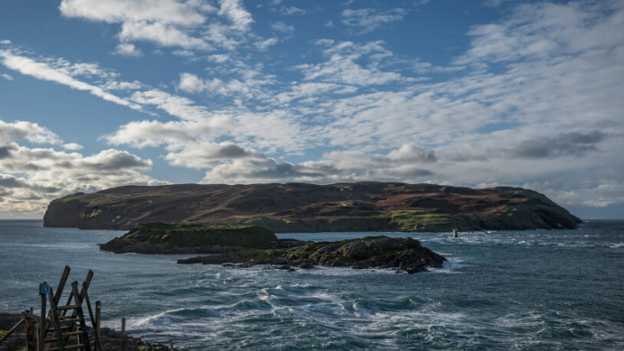
The Biosphere's reach has expanded significantly, with the Biosphere Partner Network growing to nearly 400 organisations, including all state-run schools. Governance structures have also strengthened, as a Biosphere Board with an independent chair was established in 2025, with Jason Bissell serving as chairman.
What conservation challenges remain?
Despite these achievements, significant environmental concerns persist. A 2024 assessment identified 48 of the 166 bird species regularly observed on the island as being on the red list of greatest conservation concern. Twelve of the island's 16 breeding seabird species fall within this category, indicating widespread vulnerability among the avian population. Monitoring has also revealed declines in young salmon populations, suggesting broader ecosystem stress.
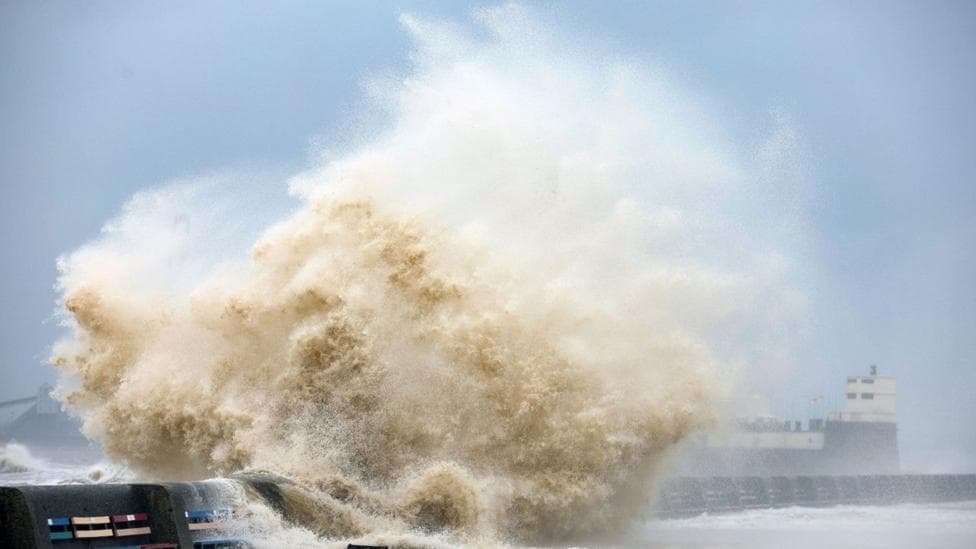
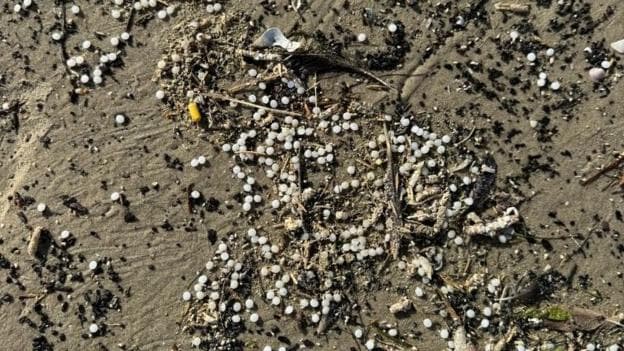
Sewage discharge continues to pose a threat to marine environments, with untreated or partially treated sewage still entering the sea at Peel and in Garff. However, work on a new treatment facility for Peel commenced in the previous year, offering hope for improved water quality. The report acknowledges that Biosphere status does not represent a guarantee that all environmental systems are functioning optimally, and emphasises that the designation's credibility depends on transparency about areas requiring further improvement.
How is the Biosphere's progress being documented?
The State of the Biosphere report has been released alongside an exhibition at the Manx Museum titled Jeihosphere, which presents the Biosphere's ten-year journey through ten significant objects. The exhibition is scheduled to run until 28 February 2027, offering residents and visitors an opportunity to engage with the island's conservation narrative.
Biosphere Isle of Man chairman Jason Bissell reflected on the milestone, stating there was
much to celebrate from our first decade, and much still to do. This sentiment captures the dual reality facing the designation: genuine environmental progress alongside persistent challenges that demand continued commitment and investment.
What context exists for the Biosphere's work?
The Isle of Man's conservation efforts have been supported by broader environmental initiatives. The Manx Wildlife Trust completed planting 30,000 native trees early at Creg y Cowin in 2026, aiming to restore temperate rainforest and plant 333,000 more across the Isle of Man. Additionally, Manx Wildlife Week celebrates the island's natural environment with over 25 events including walks, workshops, and wildlife activities for all ages, organised by Manx National Heritage.
Recent incidents have underscored ongoing environmental vulnerabilities. In July 2026, thirteen herring gulls covered in oil were discovered in Peel, prompting conservation concerns and an investigation by the Department of Environment. These incidents highlight the complex pressures facing seabird populations beyond habitat loss and food scarcity.
What happens next for the Biosphere?
UNESCO's Man and the Biosphere International Coordinating Council is expected to announce the review outcome in summer 2027. The decision will determine whether the Isle of Man retains its unique status as the world's first whole-nation Biosphere, contingent on demonstrated progress in addressing the environmental challenges outlined in the State of the Biosphere report.