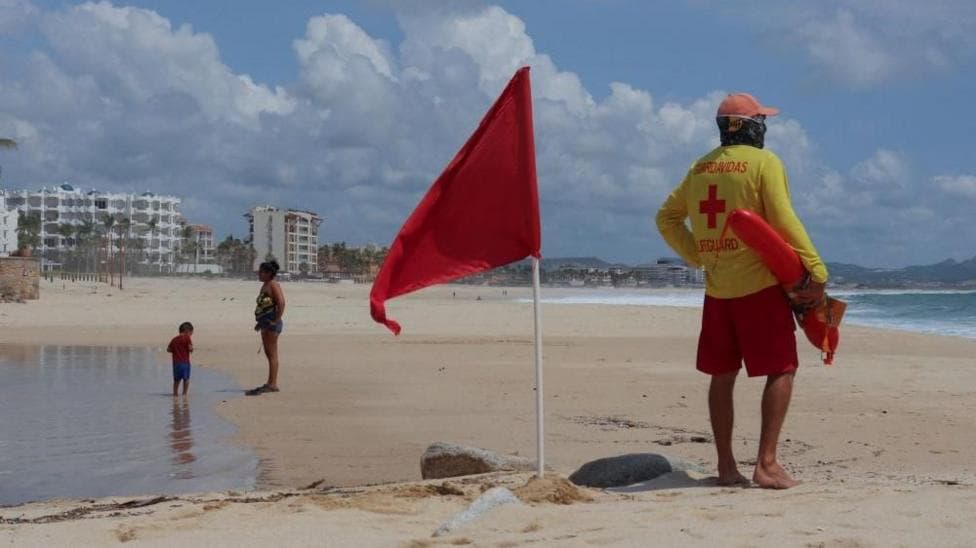
Mexico's northern Pacific coast is preparing for the imminent arrival of Hurricane Polo, a powerful storm system forecast to make landfall on Monday or early Tuesday in Baja California Sur. Lifeguards have raised red flags on beaches throughout the region to warn visitors of dangerous sea conditions as the hurricane approaches.
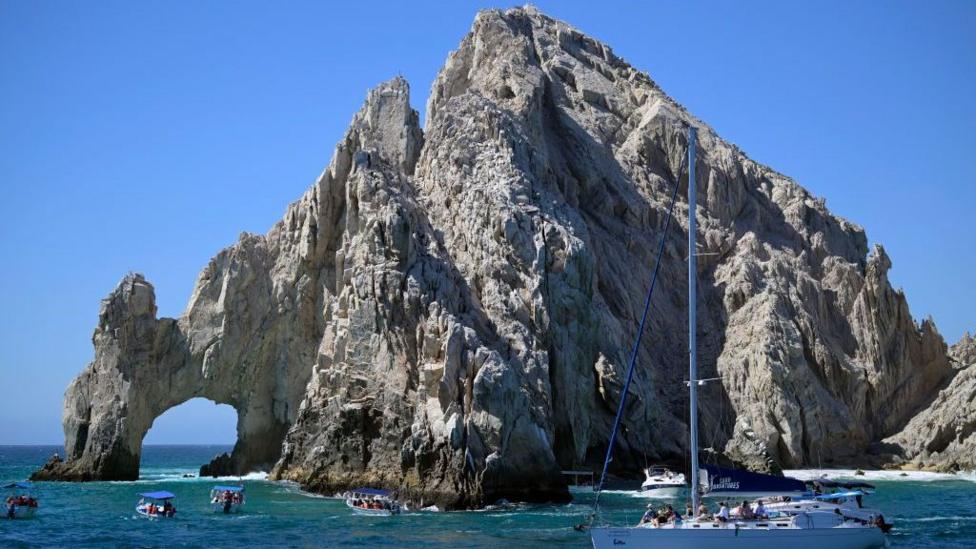
The storm, which had previously reached Category 5 intensity before being downgraded to Category 4, carries maximum sustained winds near 145 mph according to reports from the international news agency. The system was positioned approximately 330 miles southwest of Cabo San Lucas on Saturday, moving northwest at 9 mph. Baja California Sur, home to the popular resort destination of Los Cabos and its famous natural rock arch, faces the greatest threat from the approaching system.
Meteorologists at the US-based National Hurricane Center have issued warnings of severe hazards accompanying the storm's passage. Heavy rainfall poses a significant risk of life-threatening flooding and mudslides, particularly in areas with steep terrain. The storm surge accompanying Hurricane Polo could produce large and destructive waves that will make coastal areas extremely dangerous.
In preparation for the hurricane's arrival, residents began stockpiling essential supplies on Sunday, including drinking water and food. Authorities in Cabo San Lucas have restricted public access to beaches, and several restaurants in the town have temporarily closed. The regional government of Baja California Sur ordered all schools to remain closed on Monday as a precautionary measure.
Governor Víctor Manuel Castro Cosío announced that temporary shelters have been established to accommodate residents requiring evacuation. Federal authorities have deployed thousands of members of the navy and army, along with specialized equipment, to support emergency response efforts. Mexico's civil protection coordinator Laura Velázquez Alzúa identified a primary concern: protecting approximately 42,000 people whose livelihoods depend on fishing in the expected impact zone, according to reporting from a major news organization. An emergency operations center is being established in Comondú ahead of the storm's arrival.

The U.S. embassy in Mexico has warned that dangerous winds, rip currents, and rogue waves are expected along the Baja Peninsula's Pacific coast from Cabo San Lucas to Guerrero Negro, advising residents and visitors to avoid entering the water or walking on beaches during the storm period.
What fueled Hurricane Polo's rapid intensification?
The storm's explosive strengthening has been driven by unusually warm ocean waters in the Pacific. According to NASA's analysis, these record-breaking temperatures are linked to the El Niño climate phenomenon, which has created conditions favorable for rapid hurricane development. The combination of warm waters and atmospheric factors allowed Polo to intensify to Category 5 strength before weakening slightly to Category 4, making it one of the most intense Pacific hurricanes of the current season.
What impacts are expected as the hurricane approaches?
Heavy rains have already begun affecting parts of Mexico's Pacific coast as the storm tracks offshore. Forecasters indicate that Polo could still maintain major hurricane strength as it approaches the Baja Peninsula. The combination of extreme winds, torrential rainfall, and storm surge poses multiple threats to infrastructure, agriculture, and communities throughout the region. Coastal areas face particular danger from the destructive waves and surge that typically accompany such powerful systems.
What happens next?
Landfall is forecast for Monday in Baja California Sur, with meteorologists warning that the hurricane may retain major hurricane status at the moment of impact. The emergency operations center in Comondú will coordinate response and recovery efforts. Authorities continue to urge residents in affected areas to complete preparations, secure property, and move to designated shelters if ordered to do so. The situation remains fluid as the storm approaches, with updates expected throughout the weekend and early week.
Key Facts:
- Hurricane Polo was downgraded from Category 5 to Category 4 but remains one of the season's most powerful storms, with sustained winds of 145 mph
- The storm is expected to make landfall Monday or early Tuesday in Baja California Sur, threatening the resort destination of Los Cabos and approximately 42,000 fishing-dependent residents
- Hazards include life-threatening flooding, mudslides, destructive storm surge, and large waves along the Pacific coast from Cabo San Lucas to Guerrero Negro
- Record-warm ocean temperatures linked to El Niño fueled the hurricane's rapid intensification to Category 5 before weakening
- Federal authorities have deployed thousands of military personnel and specialized equipment, with temporary shelters opened and schools closed as precautionary measures