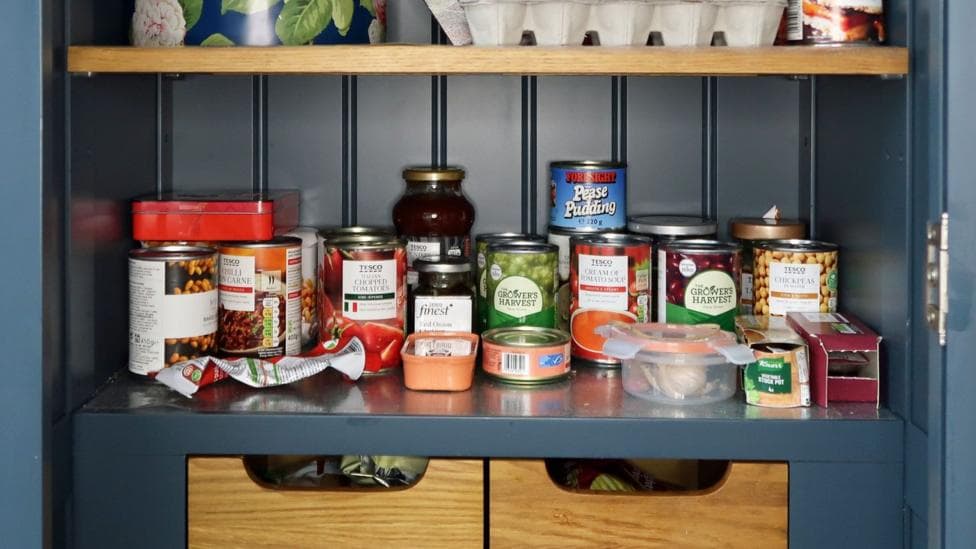
Families should build emergency food reserves to prepare for extreme weather as one of the strongest El Niño events in living memory develops across the Pacific, Environment Secretary Dame Angela Eagle has warned.
The natural climate phenomenon is expected to trigger more intense storms in Britain, alongside drier summers and wetter winters, creating conditions that could disrupt the nation's food supply. Her warning comes as a government watchdog has identified serious vulnerabilities in how the country prepares for food supply shocks.
The National Audit Office (NAO) published findings on 4 September 2026 highlighting that Britain's food supply chain faces mounting risks from cyber-attacks, disease outbreaks, extreme weather and climate change. According to the watchdog's report, the Department for Food, the Environment and Rural Affairs (Defra) has not taken sufficient steps to prepare households, communities and businesses for potential supply disruptions.
Dame Angela told the media:
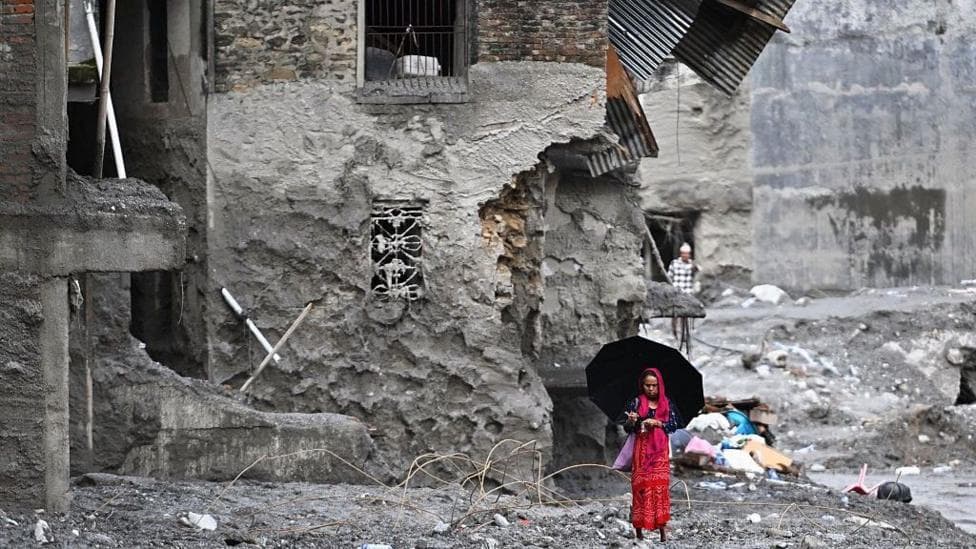
We're about to experience probably the largest El Niño that has ever been seen, and that will lead to drier summers, wetter winters, with more extreme storms in this country. It will do a lot more damage in Asia with flooding, and therefore I think that we need to take it seriously. If you've got a store of a bit of food that can keep you going for a while before the emergency services can get to you, you're going to be a lot better off than if you haven't. So some of it is that kind of preparation for just being a bit more resilient.
What risks does the food supply face?
The NAO identified multiple threats to Britain's food system. Plant and animal disease outbreaks, cyber-attacks targeting critical infrastructure, and extreme weather events all pose immediate risks to supply chains. Climate change represents a longer-term chronic threat that could leave the nation vulnerable to food shortages and price spikes that would particularly harm low-income households.
Recent drought conditions have already damaged harvests. According to reporting from 6 August 2026, dry conditions may have reduced cereal and oilseed harvests by as much as 2.5 million metric tons, with estimated losses reaching £390 million for arable farmers across the UK.
The watchdog found that Defra relies too heavily on private sector companies to manage disruptions to food supply without sufficient government oversight or contingency planning. The NAO's examination assessed whether Defra has a clear understanding of risks, maintains effective prevention and mitigation actions, and is prepared to respond to and recover from major supply shocks.
How prepared are UK households compared to other countries?
British households are significantly less prepared for emergencies than their counterparts in Finland, Sweden and European Union nations, the NAO found. The watchdog recommended that ministers encourage families to build emergency supplies and adopt the preparedness approaches used successfully in other European countries.

Phil Pluck, chief executive of the Cold Chain Federation representing firms that transport temperature-controlled foods, described Britain as being
pretty close to crisis. He warned that Russian cyber-hackers are deliberately targeting the country's food supply system, exploiting what he described as
pinch points in the food supply system.
Pluck argued that households should undertake sensible food stocking and stated:
There should be some sensible stocking in each household. And the government in the autumn will be telling all of us to do that.He emphasised that the combination of El Niño, global shipping disruptions and pandemic threats means
you cannot just rely on the private sector coming through every single time.
What is the government's response?
Defra acknowledged the NAO's findings and committed to considering the watchdog's recommendations. A department spokesperson stated:
While our food businesses and supermarkets have continued to feed the nation through significant disruption, we will carefully consider the report's findings and recommendations as part of our ongoing work to build a more resilient, productive and sustainable food system.
In July 2026, the government announced plans to outline practical steps households can take to prepare for food and water shortages caused by extreme weather or cyber-attacks. These measures will form part of a comprehensive strategy scheduled for release by the end of 2026, designed to bring UK emergency preparedness closer to European standards.
This strategy builds on earlier government initiatives. In summer 2026, the government launched a campaign to prepare citizens for cyber-attacks and severe weather, updated the national risk register with emerging threats, and announced plans to conduct the largest home defence exercise in decades.
What climate threats are developing?
The Met Office has warned that the developing El Niño event is likely to be the strongest in living memory. According to the Met Office forecast from August 2026, sea surface temperatures could exceed 3°C above normal—unprecedented since 1950. Combined with ongoing climate change, forecasters predict 2027 will bring increased rainfall and storms to the UK.
Farmers have already warned of potential food shortages as drought, heatwaves and water restrictions damage crops across England. The National Farmers' Union cautioned that poor crop yields, water shortages and extreme heat are putting severe pressure on farms in England and Wales, with wheat harvests arriving earlier than ever recorded.
A Defra futures assessment warned that the UK food system could face
strategic risk of catastrophic failureby 2030 under worsening climate and geopolitical pressures. The 2024 Food Security Report identified single points of failure in food supply chains as resilience risks and highlighted ongoing agri-food labour shortages.
Key Facts
- The NAO published its food-supply resilience study on 4 September 2026, calling for closer coordination between government, households, communities and businesses to prepare for supply shocks.
- Recent drought may have reduced UK cereal and oilseed harvests by 2.5 million metric tons, costing arable farmers up to £390 million in losses.
- The government plans to release a national emergency preparedness strategy by the end of 2026, including guidance on household food and water stockpiling.
- British households are less prepared for emergencies than those in Finland, Sweden and EU nations, according to the NAO.
- The developing El Niño is forecast to be the strongest in over a century, with potential sea surface temperature anomalies exceeding 3°C above normal.